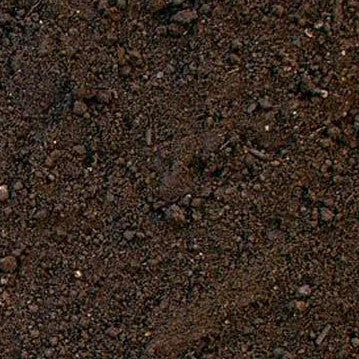
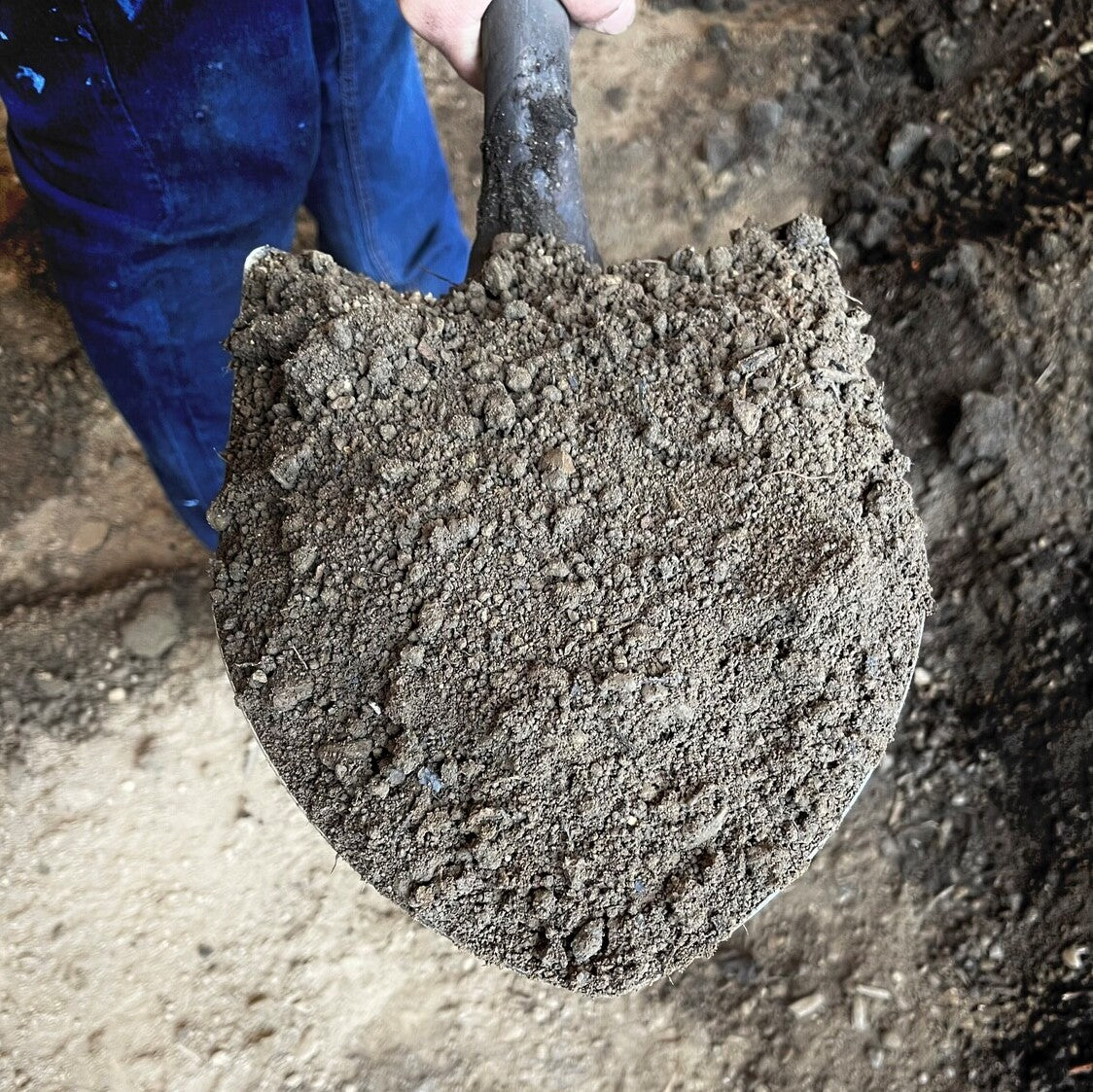
My experience with Mulch Mound was great and super easy. I ordered two yards of screened topsoil and was able to get it delivered within 2 days. They came in my requested time frame (afternoon) and dropped it off where I asked on my driveway. The topsoil was exactly what was a...
Tell us what you're looking for
Thanks! We received your request.
Something went wrong. Please try again.
How Much Material Do I Need?
Plan on four to six inches of soil for new lawn areas and a full twelve inches for raised vegetable beds. For topdressing existing turf over clay loam, a quarter to a half inch per application is plenty, repeated annually.
Use our free soil calculator
What is a Yard?
A yard is approximately 27 cubic feet. As a general guideline, one yard of material can cover an area of about 100-160 square feet at a 2-3 inch depth.
My experience with Mulch Mound was great and super easy. I ordered two yards of screened topsoil and was able to get it delivered within 2 days. They came in my requested time frame (afternoon) and dropped it off where I asked on my driveway. The topsoil was exactly what was a...
How Much Material Do I Need?
Plan on four to six inches of soil for new lawn areas and a full twelve inches for raised vegetable beds. For topdressing existing turf over clay loam, a quarter to a half inch per application is plenty, repeated annually.
Use our free soil calculator
What is a Yard?
A yard is approximately 27 cubic feet. As a general guideline, one yard of material can cover an area of about 100-160 square feet at a 2-3 inch depth.
My experience with Mulch Mound was great and super easy. I ordered two yards of screened topsoil and was able to get it delivered within 2 days. Th...
Read full review
My experience with Mulch Mound was great and super easy. I ordered two yards of screened topsoil and was able to get it delivered within 2 days. They came in my requested time frame (afternoon) and dropped it off where I asked on my driveway. The topsoil was exactly what was advertised, clean with no rocks or other debris. The price was reasonable. I plan to use them again in a couple weeks to order compost for my garden beds.
Measure the length and width of the area, then decide your depth in inches before you calculate. Depth is where most Durant homeowners underestimate, since filling a low spot or building a raised bed takes far more volume than it looks. For irregular yards, break the space into simple rectangles and add the results together.
Complete Your Outdoor Soil Project
Finish with a layer of hardwood mulch over any planted beds to keep your new soil from crusting in the Durant sun, and consider edging to keep amended soil from migrating into the lawn. Compost is a natural add on if you are building vegetable beds.
Why does water stand in my yard after a Durant rain?
That is classic compacted clay loam. Water moves through it slowly to begin with, and if your lot was graded by heavy equipment during construction the top layer may be nearly impermeable. Topdressing with a half inch of compost blended soil each year, along with core aeration, gradually opens up the profile. For persistent low spots, filling and regrading with screened topsoil is the faster fix.
Answer
What is the difference between topsoil and garden mix?
Screened topsoil is mineral soil with the rocks and debris removed, best for filling low areas, leveling before sod, and general grading around Durant homes. Garden mix blends that soil with compost, so it holds moisture and feeds plants right away. Use topsoil for structure and garden mix for anything you are actively planting into.
Answer
When should I bring in soil to prepare for a lawn in Durant?
For warm season grasses like bermuda and zoysia that dominate Durant lawns, prep in April and May once soil temperatures are consistently warm after the March 26 last frost. Fall works too for grading, but seeding warm season grass late leaves it vulnerable to the November 6 first frost. Get soil in place a week or two before the sod truck arrives so it can settle.
Answer
How deep should new topsoil be for sod?
Four to six inches of good soil over your existing grade is the target for Durant lawns. Anything less and roots hit compacted clay quickly, which is why so many local sod jobs look great in May and struggle by August. If you can only afford a shallower layer, till the top two inches of native clay loam into the new soil so there is no abrupt boundary.
Answer
Should I till compost into my clay or just spread it on top?
For new beds, till four inches of compost into the top eight inches of Durant clay loam, which gives you an immediate improvement in root penetration. For established beds and lawns, topdressing on the surface is better since tilling would damage existing roots. Our rainfall and warm soil temperatures move surface compost downward faster here than in cooler climates.
Answer
How many yards of soil do I need to fill a raised bed?
A four by eight foot bed filled twelve inches deep needs about one and two tenths cubic yards. Two of those beds is roughly two and a half yards. Order about ten percent extra because soil settles noticeably in the first month, especially after Durant's spring rains compress it.
Answer
Can I use soil to fix erosion along my slope?
Soil alone will wash right back out during a heavy Bryan County rain. Fill and regrade with topsoil, then immediately stabilize with sod, seed and straw, or a layer of shredded hardwood mulch. On steeper grades, terracing with stone or timber before adding soil is what actually holds it long term.
Mulch Mound Pro Tip
Never leave fresh soil bare through a Durant spring. With 45 inches of annual rain and storms that can drop two inches in a night, an uncovered pile or a freshly graded area will erode fast and seal at the surface. Seed it, sod it, or mulch it within a few days of spreading. Even a light straw cover buys you enough time to get permanent cover established.
Mulch Mound Pro Tip
Blend the boundary between new soil and native clay. If you dump six inches of loose garden mix directly on top of compacted Durant clay loam, water perches at the interface and roots refuse to cross it. Run a tiller or a spade through the top two or three inches of the existing ground first so the two layers mix. That transition zone is what lets roots reach deeper and survive August.
Mulch Mound Pro Tip
Do not work Durant clay loam when it is wet. Tilling or driving equipment across saturated clay destroys the soil structure and creates compaction that takes years to undo. Squeeze a handful into a ball and drop it. If it holds together like putty, wait a few days. If it crumbles apart, you are good to go. This one habit saves more soil than any amendment you can buy.
The Unique Landscape of Durant
Native Durant ground is clay loam, which means decent nutrient holding capacity paired with tight structure and slow drainage. New construction across town makes it worse, since builders strip topsoil and leave homeowners with compacted subsoil scraped flat around the foundation. Bringing in quality topsoil or a compost blended garden mix gives roots something to actually grow into rather than fighting through a dense layer. With 45 inches of rain a year, drainage matters as much as fertility here, and adding organic matter is the most reliable way to open up that clay. Durant's long zone 8a season, running from a late March frost to early November, gives amended soil plenty of time to pay you back. Good soil is also what lets a lawn survive the August stretch when rain disappears for weeks.