First time going with this company for mulch and it was an efficient process from start to finish. Website was easy—I told them exactly where I wanted the mulch put on my driveway, and it was delivered perfectly when I got home from work the next day. Best deal around when I c...
Tell us what you're looking for
Thanks! We received your request.
Something went wrong. Please try again.
How Much Sand Do I Need?
One cubic yard of mason sand covers about 324 square feet at a 1 inch depth, so a small patio or walkway project often only needs a fraction of a yard. For mortar mixing, order based on your mix ratio rather than square footage, most masons figure roughly half a yard to a yard per typical residential job. At 1.35 tons per cubic yard, even a full yard delivery is manageable for most driveway or side yard drop spots. Use our free sand calculator
What is a Yard?
A yard is approximately 27 cubic feet. As a general guideline, one yard of material can cover an area of about 100-160 square feet at a 2-3 inch depth.
What is a yards?
A yard is approximately 27 cubic feet. As a general guideline, one yard of material can cover an area of about 10 feet by 10 feet at a few inches deep.
First time going with this company for mulch and it was an efficient process from start to finish. Website was easy—I told them exactly where I wanted the mulch put on my driveway, and it was delivered perfectly when I got home from work the next day. Best deal around when I c...
How Much Sand Do I Need?
One cubic yard of mason sand covers about 324 square feet at a 1 inch depth, so a small patio or walkway project often only needs a fraction of a yard. For mortar mixing, order based on your mix ratio rather than square footage, most masons figure roughly half a yard to a yard per typical residential job. At 1.35 tons per cubic yard, even a full yard delivery is manageable for most driveway or side yard drop spots. Use our free sand calculator
What is a Yard?
A yard is approximately 27 cubic feet. As a general guideline, one yard of material can cover an area of about 100-160 square feet at a 2-3 inch depth.
What is a yards?
A yard is approximately 27 cubic feet. As a general guideline, one yard of material can cover an area of about 10 feet by 10 feet at a few inches deep.
First time going with this company for mulch and it was an efficient process from start to finish. Website was easy—I told them exactly where I wan...
Read full review
First time going with this company for mulch and it was an efficient process from start to finish. Website was easy—I told them exactly where I wanted the mulch put on my driveway, and it was delivered perfectly when I got home from work the next day. Best deal around when I compared it to competitors and I will definitely be becoming back.
Wonderful experience! They put the mulch exactly where we wanted. This mulch spread very easily and didn’t have the usual “mulch smell.” We will de...
Read full review
Wonderful experience! They put the mulch exactly where we wanted. This mulch spread very easily and didn’t have the usual “mulch smell.” We will definitely use again!
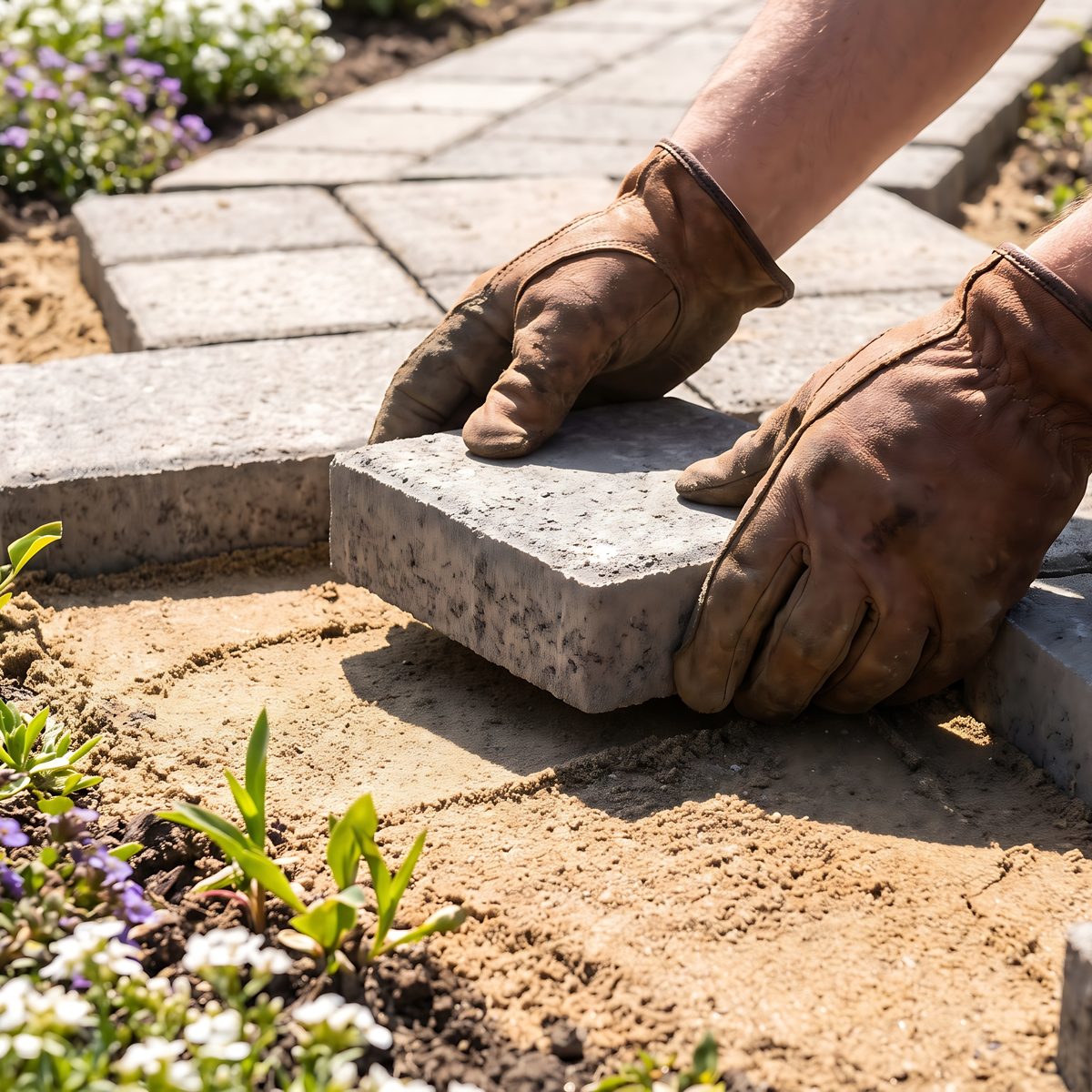
Mason sand pairs naturally with pavers, brick, and any mortar based masonry work, and most jobs also call for the pavers or block themselves plus base stone underneath. If you're doing a paver patio, ask about chip stone for the bedding layer, since more Durham crews are using it instead of sand under the pavers. Keep a broom handy for sweeping sand into joints once the pavers are set.
Durham's clay soil means your job site drainage is often poor, so if you're mixing mortar on site, keep your sand pile covered or tarped between rains. Wet sand throws off your mortar water ratio fast, and a surprise spring downpour can turn a dry pile into a soupy mess overnight. A simple tarp weighted with a few bricks saves you from guessing at moisture content when you're ready to mix.
Mulch Mound Pro Tip
A common mistake is using mason sand under pavers thinking it is interchangeable with coarse sand bedding. Mason sand is finer and can shift or wash out under freeze thaw cycles, which Durham does see a handful of times each winter. If you're setting a paver patio or walkway, ask about chip stone for the bedding layer instead and save mason sand for the joints and any mortar work.
Mulch Mound Pro Tip
If your project spans mortar work and joint filling, order everything in one delivery rather than two smaller ones, since mason sand settles and compacts differently once it's been sitting exposed to weather. One yard delivered fresh handles both tasks better than a leftover pile from a prior job. It also saves you a second delivery fee and a second wait for scheduling.
Working With Sand in Durham
Durham sits on heavy clay, and that clay is exactly why mason sand matters here, it gives masons a clean, workable material that does not fight the mortar mix the way clay contamination would. With hardscape projects picking up every spring around Bull City as folks tackle patios and walkways near Duke Chapel and beyond, contractors keep mason sand on hand for joint fill and setting beds. It is not a soil amendment or a drainage fix, it is a build material, and Durham's building season runs long thanks to our mild zone 7b winters. Just know that for paver bedding specifically, many crews here have shifted to clean chip stone since it locks in better and will not pump out under freeze thaw cycles.
Masonry vs Fill Sand
Masonry sand is washed and finely screened, the right choice for mortar work, paver joints, and sandboxes. Fill sand is coarser and less processed, better suited to leveling, bedding pipe, and filling low spots.
Bedding and Leveling
For pavers, screed a 1 inch sand bed over a compacted base rather than using sand to fix deep grade problems. A thin, even bed locks pavers in place. A thick one shifts underfoot.
Working With Moisture
Slightly damp sand spreads, screeds, and compacts far more easily than bone dry sand, which just flows back into your screed lines. Lightly wetting the pile before you work it saves real effort.
Frequently Asked Questions
Click a question to see the answer
Answer
Is this the same as regular sand from a hardware store bag?
Not quite, this is washed and finely screened mason sand, uniform in size and free of the clay or debris you'd find in bagged all purpose sand. That consistency is what makes mortar mix workable and keeps paver joints from settling unevenly. Bulk delivery also gets you a full cubic yard instead of a dozen 50 pound bags.
Answer
How much mason sand do I need for a paver patio's joints?
For joint fill only, most residential patios need well under a full cubic yard, since one yard covers about 324 square feet at just 1 inch deep and joints use a fraction of that depth across the whole area. A quarter to half yard usually handles a typical patio. If you're also mixing mortar for a wall or steps, add extra based on your mix ratio.
Answer
When is the best time to do masonry work in Durham?
Spring through fall is prime season here, once nights stay reliably above freezing after our April 5 last frost and before the October 30 first frost arrives. Mortar cures poorly in cold, wet conditions, so most masons avoid winter pours entirely. If you're working late in the season, keep an eye on overnight temperature drops.
Answer
Where will the sand be placed on delivery day?
We place the load wherever you direct, typically a driveway, side yard, or a spot close to your work area, since mason sand is heavy at 1.35 tons per cubic yard and hard to move far by wheelbarrow. Just make sure the spot is clear and accessible before the truck arrives, and let us know about any tight gates or slopes ahead of time.
Answer
Should I use mason sand or chip stone under my pavers?
For paver bedding specifically, many Durham contractors now prefer clean chip stone over mason sand, since it locks together and resists pumping or washing out during freeze thaw cycles. Mason sand still works well for the joints between pavers and for mortar mixing. If you're unsure which fits your project, tell us the application and we can help you pick.