




Ordered Dirt. Received Dirt. Would Buy Again.
About this soil
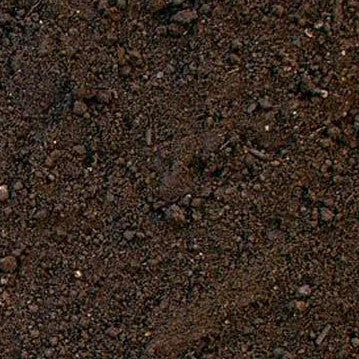
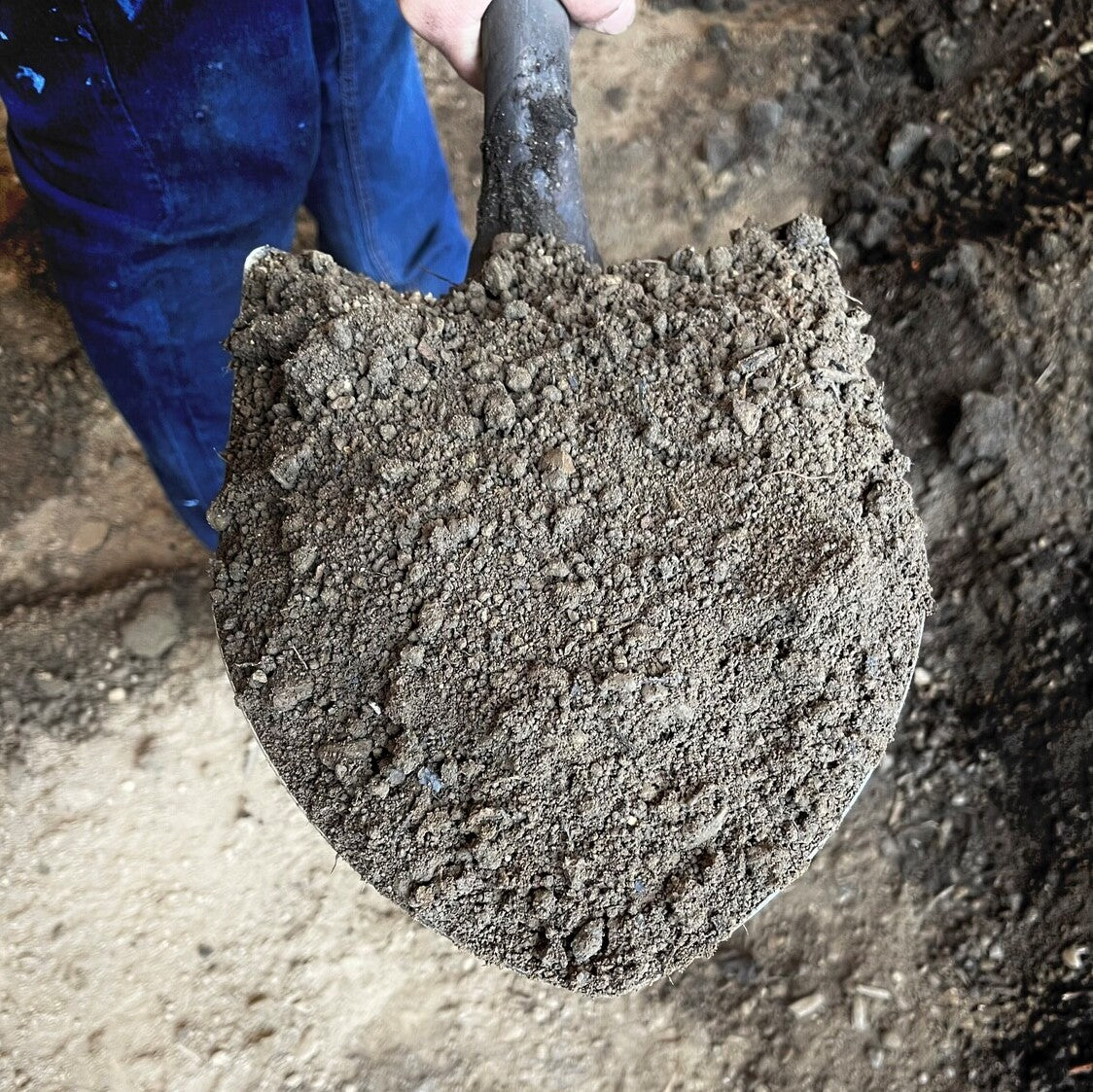
Screened topsoil with a fine, even texture. Ideal for new lawns, sod prep, and raised garden beds.
Ordered Dirt. Received Dirt. Would Buy Again.
Tell us what you're looking for
Thanks! We received your request.
Something went wrong. Please try again.
How Much Material Do I Need?
How Much Material Do I Need?
Raised vegetable beds want 10 to 12 inches of soil, lawn topdressing takes a quarter to a half inch per pass, and regrading low spots usually runs 2 to 4 inches. One cubic yard covers roughly 160 square feet at 2 inches deep.
Use our free soil calculator
What is a Yard?
What is a Yard?
FAQs
FAQs
Dyersburg Soil Delivery
Dyersburg Soil Delivery
Regular price
$64.00
per
Yard
Regular price
Sale price
$64.00
Unit price
per
Shipping calculated at checkout.
Minimum of 3 Yard
Couldn't load pickup availability
Not currently available
We can't take orders for this right now. Tell us what you need and we'll get back to you.
Hand-picked local yards
4,000+ regional deliveries
Dedicated support
Why order through Mulch Mound
The best local , without the guesswork.
We hand-pick and partner with the best yards in your region, keep only the ones our buyers rate well, and back each load with our guarantee.
Mulch Mound Guarantee
If your isn't the quantity or quality you ordered, we'll make it right.
About this soil
Screened topsoil with a fine, even texture. Ideal for new lawns, sod prep, and raised garden beds.
Ordered Dirt. Received Dirt. Would Buy Again.
How Much Material Do I Need?
How Much Material Do I Need?
Raised vegetable beds want 10 to 12 inches of soil, lawn topdressing takes a quarter to a half inch per pass, and regrading low spots usually runs 2 to 4 inches. One cubic yard covers roughly 160 square feet at 2 inches deep.
Use our free soil calculator
What is a Yard?
What is a Yard?
FAQs
FAQs
Tell us what you're looking for
Thanks! We received your request.
Something went wrong. Please try again.
How It Works
Getting started is easy — just follow these simple steps
1
Choose your soil
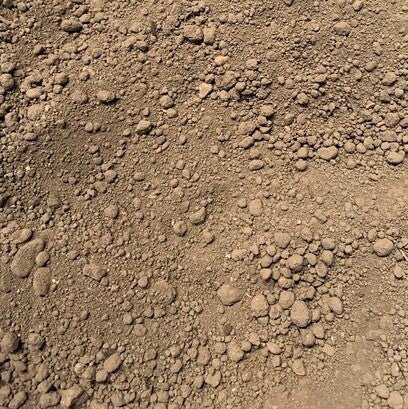
Make sure you adjust the quantity to your home's needs. You can use our calculator to estimate how much you'll need.
2
Select your delivery date
Select a delivery date you'd like for the product to be dropped off at your home
3
Sit back and wait
Sit back, wait, and let us work our magic to make sure the highest quality product is delivered to your driveway.


Placing an order online was so easy. Delivery was on time. When the driver realized we had a newly poured driveway they erred on the side of cautio...
Read full review
Placing an order online was so easy. Delivery was on time. When the driver realized we had a newly poured driveway they erred on the side of caution and opted not ti drive in it. The company even sent me a message explaining that call. Would recommend!
Need Help Calculating How Much Soil You Need?
Use our NEW Trace from Satellite tool to get an estimate for your project based on an aerial view of your property
Try Our CalculatorFor beds, multiply length by width in feet, then by the depth in feet, and divide by 27 for cubic yards. For lawn topdressing, figure square footage and use a half inch depth, which comes out to roughly 1 cubic yard per 650 square feet. Order a little extra, since Dyersburg silt settles and compacts more than most soils after the first heavy rain.
Complete Your Outdoor Soil Project
Finish new beds with 2 to 3 inches of hardwood mulch to stop the fresh soil from crusting, and add gravel or drainage stone under raised beds on flat Dyersburg lots that hold water.
Service area
Areas we deliver soil in Dyersburg, Tennessee
Mulch Mound Pro Tip
Never work Dyersburg soil when it is wet. Squeeze a handful, and if it ribbons out between your fingers instead of crumbling, walk away for two days. Silt loam that is tilled or driven on while saturated smears into a dense, airless layer that can take two full seasons to recover. Our 50 inches of annual rainfall means the windows can be short, so watch the forecast and jump on the dry spells.
Mulch Mound Pro Tip
Build organic matter every single year. Our long, hot, humid summers accelerate microbial activity, which means the compost you added last spring is largely gone by the following spring. A yearly half inch to inch of compost worked into vegetable beds and topdressed on lawns keeps Dyersburg silt loam loose, dark, and draining. Skipping two or three years lets the soil slump back toward its compacted native state.
Mulch Mound Pro Tip
Grade before you plant, not after. On the flatter lots common around Dyersburg at just over 300 feet elevation, water has nowhere obvious to go, and a bed that sits level with the lawn will stay soggy for days after a storm. Bring in enough topsoil to raise planting areas 3 to 4 inches above the surrounding grade and pitch the surface away from the foundation. It is far cheaper than replacing drowned shrubs.
The Unique Landscape of Dyersburg
Dyersburg's native silt loam is fertile and easy to dig, but it is also low in organic matter and prone to compacting into a dense pan once builders have driven equipment across it. New subdivisions around Dyersburg often leave homeowners with scraped subsoil rather than the good topsoil the county is known for. Bringing in screened topsoil, garden soil, or compost rebuilds the structure our 50 inches of annual rain keeps washing thin. Blended soil also lets you build slight grade away from foundations, which matters on flat lots at our 312 foot elevation where water lingers after storms. With a growing season from roughly April 5 to October 28, good soil is what determines whether tomatoes, zoysia, and new shrubs actually take off.