









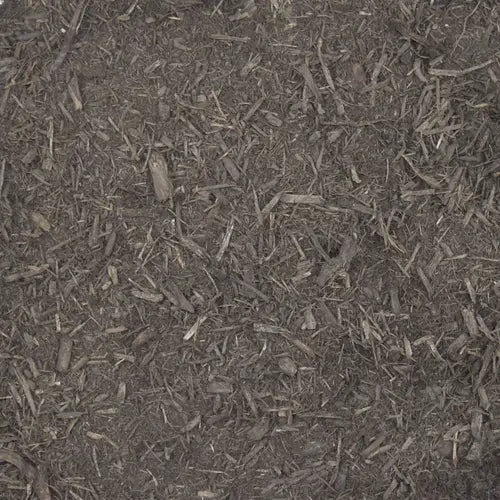
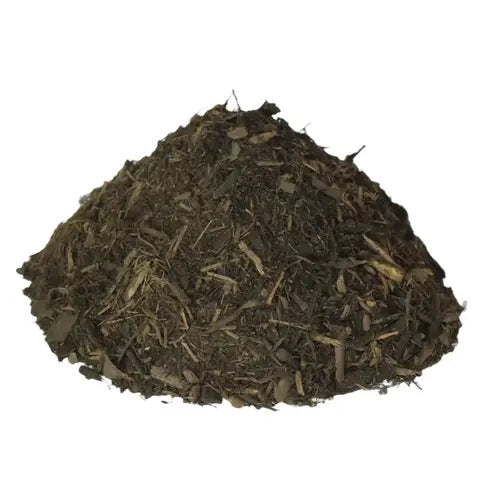
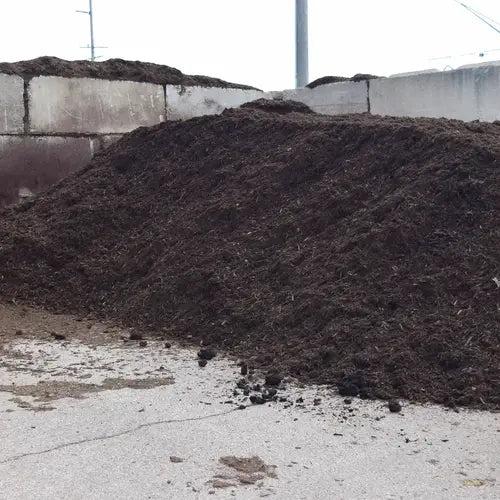

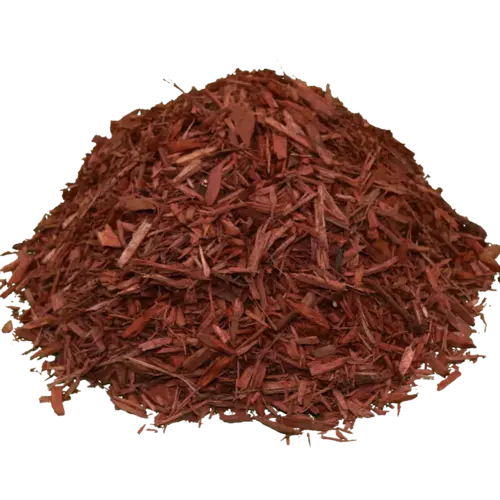
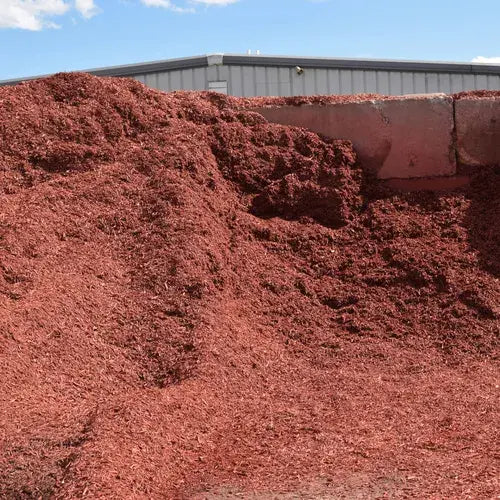

Our delivery was delayed but the new brown color mulch is a nice upgrade to our landscaping.
About this mulch
Warm brown double shredded mulch with lasting color that looks freshly applied for weeks. Spreads smooth, stays put, and gives beds a natural, polished appearance.
Our delivery was delayed but the new brown color mulch is a nice upgrade to our landscaping.
Tell us what you're looking for
Thanks! We received your request.
Something went wrong. Please try again.
How Much Material Do I Need?
How Much Material Do I Need?
For most Easton planting beds with clay loam soil, three inches of mulch is the ideal depth, providing effective weed suppression and moisture retention without creating the waterlogged conditions that clay soil is already prone to after heavy rain.
Use our free mulch calculator
What is a yard?
What is a yard?
FAQs
FAQs
Easton Mulch Delivery
Easton Mulch Delivery
Regular price
$74.00
per
yard
Regular price
Sale price
$74.00
Unit price
per
Shipping calculated at checkout.
Minimum of 3 yard
Couldn't load pickup availability
Not currently available
We can't take orders for this right now. Tell us what you need and we'll get back to you.
Hand-picked local yards
4,000+ regional deliveries
Dedicated support
Why order through Mulch Mound
The best local mulch, without the guesswork.
We hand-pick and partner with the best yards in your region, keep only the ones our buyers rate well, and back each load with our guarantee.
Mulch Mound Guarantee
If your mulch isn't the quantity or quality you ordered, we'll make it right.
About this mulch
Warm brown double shredded mulch with lasting color that looks freshly applied for weeks. Spreads smooth, stays put, and gives beds a natural, polished appearance.
Our delivery was delayed but the new brown color mulch is a nice upgrade to our landscaping.
How Much Material Do I Need?
How Much Material Do I Need?
For most Easton planting beds with clay loam soil, three inches of mulch is the ideal depth, providing effective weed suppression and moisture retention without creating the waterlogged conditions that clay soil is already prone to after heavy rain.
Use our free mulch calculator
What is a yard?
What is a yard?
FAQs
FAQs
Tell us what you're looking for
Thanks! We received your request.
Something went wrong. Please try again.

How It Works
Getting started is easy — just follow these simple steps
1
Choose your Mulch
Make sure you adjust the quantity to your home's needs. You can use our calculator to estimate how much you'll need.
2
Select your delivery date
Select a delivery date you'd like for the product to be dropped off at your home
3
Sit back and wait
Sit back, wait, and let us work our magic to make sure the highest quality product is delivered to your driveway.

Mulch Mound made it so easy! So happy with the pricing, turn around time, delivery and product. I submitted my online order on a Thursday. The mu...
Read full review
Mulch Mound made it so easy! So happy with the pricing, turn around time, delivery and product. I submitted my online order on a Thursday. The mulch was delivered to the designated location by a local landscape company at 8:30 a.m. the following Saturday morning. We had the job completed by that afternoon. We chose the natural brown mulch, and the plant beds are beautiful.

Good quality, great price, fast delivery. All online - no submitting forms and waiting for days for quotes.
Getting mulch should be this easy fr...
Read full review
Good quality, great price, fast delivery. All online - no submitting forms and waiting for days for quotes.
Getting mulch should be this easy from everyone. Only Mulch Mound is ACTUALLY this simple.
Calculate mulch for your Easton project
For Easton's Clay Loam type of soil, we recommend 2-3 inches for best weed suppression and moisture retention
Try Our CalculatorMeasure each bed's length and width in feet and multiply those numbers together to get total square footage, then divide by 100 to find cubic yards needed at a three-inch depth. Easton's clay loam holds enough moisture that you rarely need to exceed three inches, so resist the temptation to over-order and pile it on thicker. If you have sloped beds common in Easton's hilly neighborhoods, add a ten-percent buffer to your estimate to account for the extra material needed to maintain even coverage on an angle.



Best Mulch Choice for Easton Lawns
Most yards in the Easton area sit on Clay Loam type of soil. Easton's clay loam soil compacts under pressure and resists water infiltration during heavy rain events, which means plant beds can swing from waterlogged to bone dry depending on the season. A quality mulch layer is essential for moderating that cycle and protecting shallow roots from both extremes.
Hardwood Mulch
Shredded hardwood mulch is particularly well-suited to Easton's clay loam because as it breaks down over one to two seasons it adds the organic matter that clay soil is naturally low in, gradually improving both drainage and aeration in a way that inorganic or dyed mulch products simply cannot match over the long term.
Mulch Types We Deliver in Easton
Mulch Mound offers bulk mulch delivery in Easton, bringing fresh cubic-yard loads straight to your driveway or job site. We carry color-enhanced and natural varieties that hold up to the humid summers and wet springs of eastern Pennsylvania, so your beds stay looking sharp from the first delivery through the end of the season.
Dyed Black Mulch
A popular pick for defined, high-contrast beds that hold their look through warm, rainy summers. Available in double shredded or triple shredded, the bold black tone pairs well with the brick and stone exteriors common to older homes in eastern Pennsylvania and stays vibrant for weeks.
Dyed Brown Mulch
Warm brown tones blend naturally with the wooded, mixed-hardwood landscapes found across this part of Pennsylvania. Available in double shredded or triple shredded, this mulch spreads smoothly, resists heavy spring rains, and keeps beds looking freshly done all season without the intensity of dyed black or red.
Natural Brown Mulch
A hardwood mulch available in double shredded or triple shredded that breaks down over time to enrich the clay-heavy soils common in eastern Pennsylvania. The fine triple shredded texture resists washout on slopes and blends naturally with wooded backyards and shade gardens throughout the region.
Dyed Red Mulch
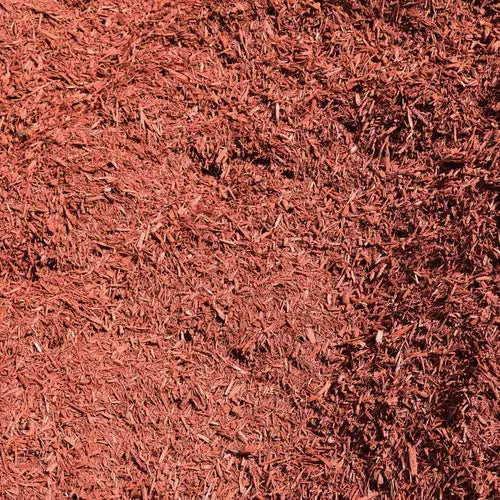
Only available in triple shredded, this mulch has a fine, interlocking texture that holds up well against the heavy spring rains typical of eastern Pennsylvania. The vivid red color creates bold contrast in front-yard beds and keeps its vibrancy through the season for strong curb appeal.
Complete Your Outdoor Mulch Project
If your beds need a nutrient boost before mulching, consider pairing your mulch order with a delivery of enriched garden soil or compost blend to loosen Easton's dense clay loam before you cover it. Decorative stone is also a natural complement for border edging or pathway areas where organic mulch would break down too quickly and require frequent replacement.


Service area
Areas we deliver mulch in Easton, Pennsylvania
Mulch Mound Pro Tip
Easton's clay loam soil benefits enormously from a thin layer of compost worked into the surface before mulch is applied each spring. The clay structure tends to form a hard crust over winter, so loosening the top inch and adding organic material before laying fresh mulch creates a more hospitable root environment for perennials waking up after the last frost around April 20th. This one extra step significantly improves the long-term health of beds that have been in place for several years without amendment.
Mulch Mound Pro Tip
Keep mulch pulled back two to three inches from the crowns of perennials and the base of shrubs, especially heading into Easton's wet spring season. The combination of clay loam's naturally poor drainage and a thick mulch layer piled against plant stems creates the ideal environment for crown rot and fungal disease. This is particularly important for plants installed the previous fall that have not yet established a deep enough root system to tolerate extended moisture against their crowns.
Mulch Mound Pro Tip
With 47 inches of rain falling on Easton each year, mulch erosion on sloped beds is a real and ongoing challenge. Applying mulch in a slightly thicker pass on the uphill side of a slope and anchoring it with a natural edging material helps keep it in place during the heavy spring rain events that regularly move material downhill. Checking your beds after major storms and redistributing any displaced mulch before it dries and compacts in the wrong spot will save you significant time and extra product over the course of the season.
The Unique Landscape of Easton
Easton's clay loam soil holds water longer than sandy or loamy soils, which can leave plant beds soggy after heavy spring rains and then crack and dry out during summer heat waves. Adding a consistent layer of mulch buffers those extremes by slowing evaporation between rain events and softening the impact of hard downpours on bare soil surfaces. With 47 inches of annual rainfall distributed unevenly through the year, weed seeds germinate aggressively in Easton beds, and a proper mulch layer is the most effective first line of defense against that pressure. Zone 7a winters bring enough freeze-thaw cycling between November and March to heave shallow-rooted perennials, and mulch applied after the ground firms up in late October helps moderate those soil temperature swings. Easton's rolling topography also means many yards have sloped beds where erosion is a real concern during heavy rain events, and mulch helps anchor that surface layer in place.