




Ordered Dirt. Received Dirt. Would Buy Again.
About this soil
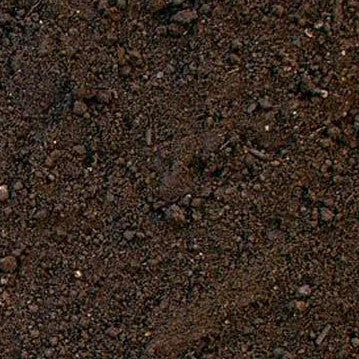
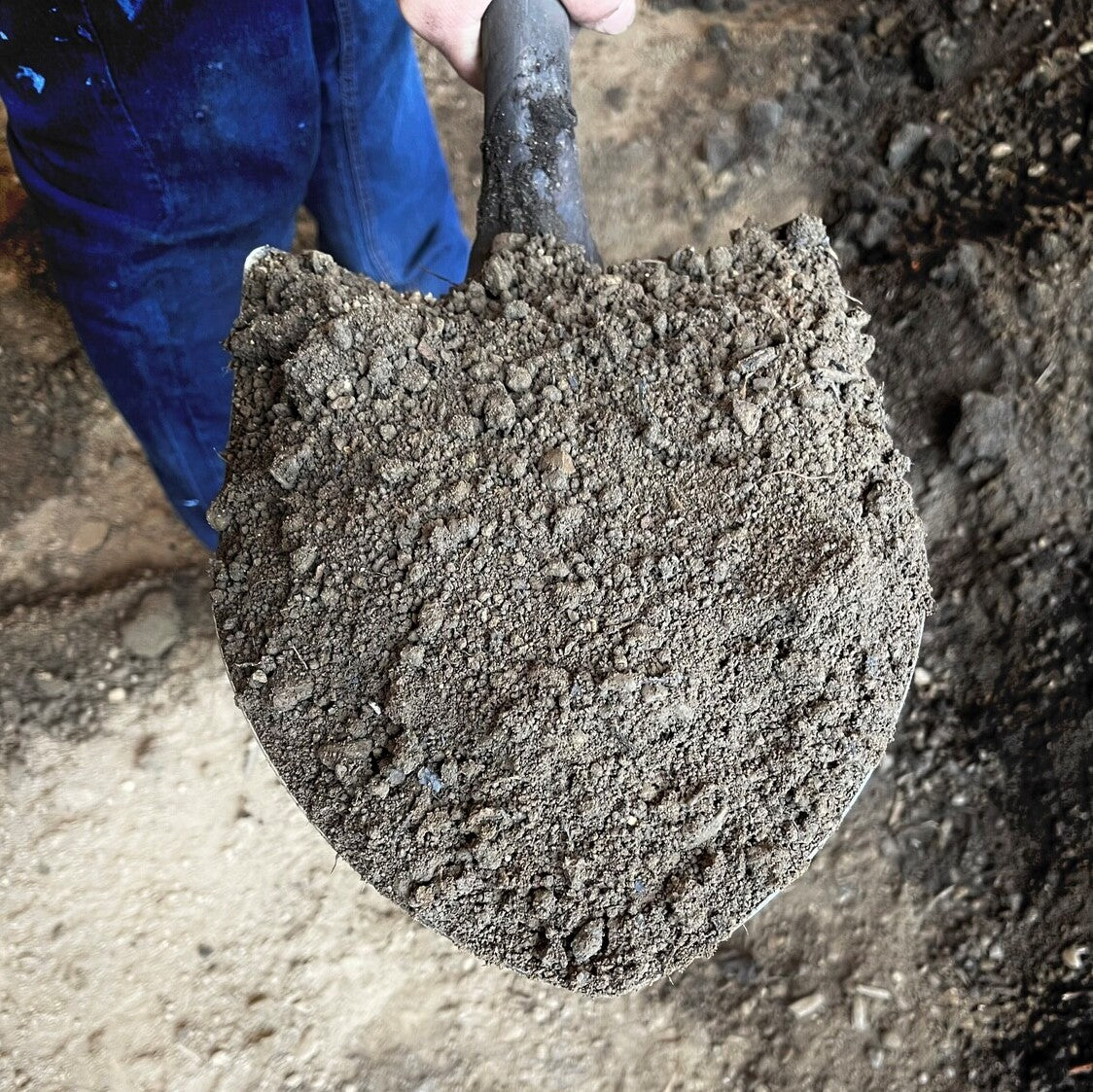
Quality topsoil for lawns, gardens, and landscape projects. Nutrient rich and ready to support strong root development and healthy plant establishment.
Ordered Dirt. Received Dirt. Would Buy Again.
Tell us what you're looking for
Thanks! We received your request.
Something went wrong. Please try again.
How Much Material Do I Need?
How Much Material Do I Need?
For new planting beds over Easton's clay loam, plan on four to six inches of quality garden soil incorporated into the existing surface to improve structure and drainage without creating a hard boundary layer between the new material and the native clay below.
Use our free soil calculator
What is a yard?
What is a yard?
FAQs
FAQs
Easton Soil Delivery
Easton Soil Delivery
Regular price
$74.00
per
yard
Regular price
Sale price
$74.00
Unit price
per
Shipping calculated at checkout.
Minimum of 3 yard
Couldn't load pickup availability
Not currently available
We can't take orders for this right now. Tell us what you need and we'll get back to you.
Hand-picked local yards
4,000+ regional deliveries
Dedicated support
Why order through Mulch Mound
The best local soil, without the guesswork.
We hand-pick and partner with the best yards in your region, keep only the ones our buyers rate well, and back each load with our guarantee.
Mulch Mound Guarantee
If your soil isn't the quantity or quality you ordered, we'll make it right.
About this soil
Quality topsoil for lawns, gardens, and landscape projects. Nutrient rich and ready to support strong root development and healthy plant establishment.
Ordered Dirt. Received Dirt. Would Buy Again.
How Much Material Do I Need?
How Much Material Do I Need?
For new planting beds over Easton's clay loam, plan on four to six inches of quality garden soil incorporated into the existing surface to improve structure and drainage without creating a hard boundary layer between the new material and the native clay below.
Use our free soil calculator
What is a yard?
What is a yard?
FAQs
FAQs
Tell us what you're looking for
Thanks! We received your request.
Something went wrong. Please try again.
How It Works
Getting started is easy — just follow these simple steps
1
Choose your soil
Make sure you adjust the quantity to your home's needs. You can use our calculator to estimate how much you'll need.
2
Select your delivery date
Select a delivery date you'd like for the product to be dropped off at your home
3
Sit back and wait
Sit back, wait, and let us work our magic to make sure the highest quality product is delivered to your driveway.


Placing an order online was so easy. Delivery was on time. When the driver realized we had a newly poured driveway they erred on the side of cautio...
Read full review
Placing an order online was so easy. Delivery was on time. When the driver realized we had a newly poured driveway they erred on the side of caution and opted not ti drive in it. The company even sent me a message explaining that call. Would recommend!
Need Help Calculating How Much Soil You Need?
Use our NEW Trace from Satellite tool to get an estimate for your project based on an aerial view of your property
Try Our CalculatorMeasure the length and width of your project area in feet and multiply them together for square footage, then multiply that by your desired depth in inches and divide by 324 to get cubic yards. For Easton lawn leveling projects, one to two inches of depth is typically enough, while new planting beds benefit from six to eight inches of enriched soil worked into the existing clay loam. Always round up slightly when ordering because it is far easier to spread a modest surplus than to wait for a second delivery to finish the job.
Soil Types We Deliver in Easton
Mulch Mound delivers bulk soil by the cubic yard to homeowners and contractors in the Lehigh Valley, making it simple to get the right material for any project. If you have been searching for bulk topsoil by the yard in Easton, our selection covers everything from finish grading to lawn establishment. Our products are matched to Pennsylvania's four-season climate and the clay-heavy native soils common across this part of the state.
Top Soil
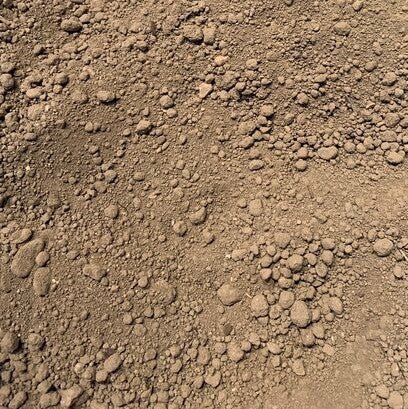
Available in screened and unscreened grades, this is the most versatile product for Pennsylvania residential projects. The screened variety offers a fine, even texture ideal for new lawns, sod prep, and raised garden beds. Unscreened topsoil costs less and works well when a polished finish is not required.
Fill Dirt
Unscreened topsoil suited for grading, fill, and rough leveling on properties where a refined texture is not needed. It is a cost-effective base material for raising low spots, building up grades, and correcting drainage issues common on the sloped and varied lots found across this part of Pennsylvania.
Soil Conditioner
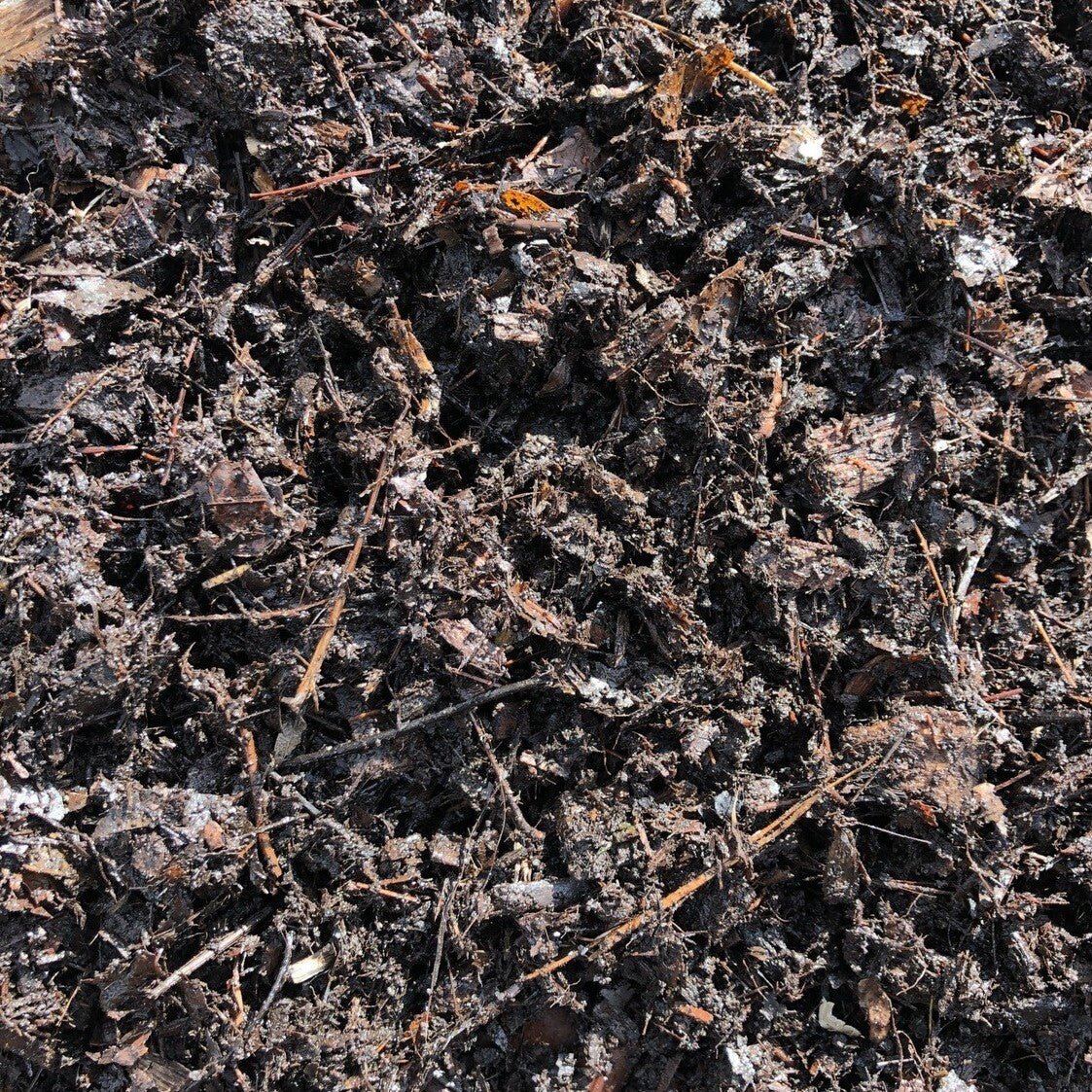
An aged leaf compost used as a natural soil amendment to boost organic matter and improve moisture retention. It works particularly well worked into Pennsylvania's often dense, clay-heavy soils, giving gardeners and landscapers a simple way to improve drainage, aeration, and root development without synthetic inputs.
Complete Your Outdoor Soil Project
Pairing a soil delivery with a bulk mulch order is a natural combination for Easton homeowners building out new beds, as mulch applied right after soil prep protects your fresh surface from compaction during heavy spring rains. If you are grading a slope or creating a defined border area, adding a stone edging or decorative gravel pathway ties the project together and significantly reduces long-term maintenance.


Service area
Areas we deliver soil in Easton, Pennsylvania
Mulch Mound Pro Tip
When adding soil over Easton's clay loam, loosen the existing surface to at least three inches with a garden fork or tiller before spreading new material. If you lay new soil directly on top of undisturbed clay, roots will struggle to cross that hard interface and water will pool right at that boundary layer. Spending an extra thirty minutes breaking up the existing surface before spreading your new soil dramatically improves the long-term performance of any bed preparation project.
Mulch Mound Pro Tip
Fall is an underrated time for soil work in Easton. Adding topsoil or garden blend in September and October gives the material an entire off-season to settle, and the freeze-thaw cycling through winter actually helps break up any remaining clay clods and blend new material with the existing soil. By the time the last frost passes around April 20th, your new area will be far more workable than if you had waited until spring to do the entire job.
Mulch Mound Pro Tip
On Easton's rolling terrain, always confirm that newly graded soil slopes away from your home's foundation at a rate of at least one inch per foot for the first six feet out from the structure. Clay loam soils do not absorb water quickly, so any grade that directs water toward the house will cause it to pool against the foundation during the heavy rain events that drop two to three inches in a single storm. This grading detail is far easier to get right at installation than to correct after the project is complete and planted.
The Unique Landscape of Easton
Easton's native clay loam soil is a double-edged sword for homeowners because it holds nutrients and moisture well but its tight structure makes drainage sluggish and can suffocate vegetable roots or cause standing water in low spots after heavy rain. At 358 feet of elevation with rolling terrain, many Easton properties also have areas where topsoil has eroded or been graded away during construction, leaving dense subsoil exposed that is nearly impossible to grow in without significant amendment. Whether you are starting a new raised bed, leveling a lawn area that has developed dips and ridges through clay shrinkage, or filling a graded slope, bringing in quality bulk soil gives you a clean working surface that Easton's native clay alone cannot provide. The growing season here runs from last frost around April 20th through first frost around October 18th, which means the soil needs to be workable and well-structured by early spring to take full advantage of the season. Investing in the right soil blend upfront is far less effort than trying to amend heavy clay one small batch at a time.