


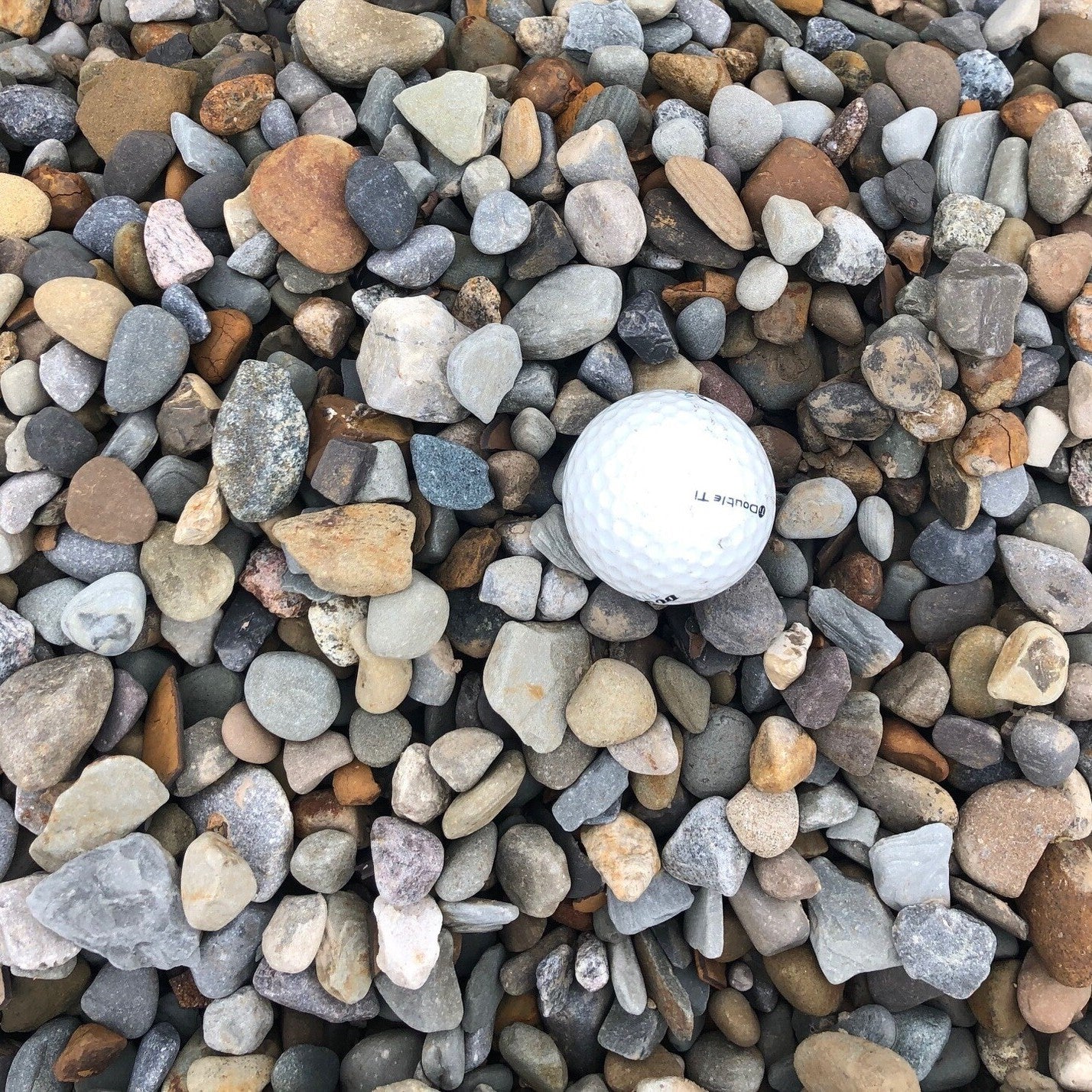

The driver nailed it on putting the gravel I ordered in front of my trailer and between the sidewalk. Very satisfied with how my flowerbeds look now.
About this stone
Number 57 crushed stone, angular limestone graded to about three quarters of an inch. The standard driveway, base and drainage gravel, it locks together under traffic and drains fast.
The driver nailed it on putting the gravel I ordered in front of my trailer and between the sidewalk. Very satisfied with how my flowerbeds look now.
Tell us what you're looking for
Thanks! We received your request.
Something went wrong. Please try again.
How Much Material Do I Need?
How Much Material Do I Need?
For most Easton decorative stone applications over clay loam soil, two to three inches of depth is ideal for pathways and borders, while drainage swales and foundation beds benefit from three to four inches to handle the volume of water that moves through those areas during heavy rainfall events.
Use our free gravel calculator
What is a yard?
What is a yard?
FAQs
FAQs
Easton Gravel Delivery
Easton Gravel Delivery
Regular price
$133.00
per
yard
Regular price
Sale price
$133.00
Unit price
per
Shipping calculated at checkout.
Minimum of 3 yard
Couldn't load pickup availability
Not currently available
We can't take orders for this right now. Tell us what you need and we'll get back to you.
Hand-picked local yards
4,000+ regional deliveries
Dedicated support
Why order through Mulch Mound
The best local stone, without the guesswork.
We hand-pick and partner with the best yards in your region, keep only the ones our buyers rate well, and back each load with our guarantee.
Mulch Mound Guarantee
If your stone isn't the quantity or quality you ordered, we'll make it right.
About this stone
Number 57 crushed stone, angular limestone graded to about three quarters of an inch. The standard driveway, base and drainage gravel, it locks together under traffic and drains fast.
The driver nailed it on putting the gravel I ordered in front of my trailer and between the sidewalk. Very satisfied with how my flowerbeds look now.
How Much Material Do I Need?
How Much Material Do I Need?
For most Easton decorative stone applications over clay loam soil, two to three inches of depth is ideal for pathways and borders, while drainage swales and foundation beds benefit from three to four inches to handle the volume of water that moves through those areas during heavy rainfall events.
Use our free gravel calculator
What is a yard?
What is a yard?
FAQs
FAQs
Tell us what you're looking for
Thanks! We received your request.
Something went wrong. Please try again.
How It Works
Getting started is easy — just follow these simple steps
1
Choose your stone
Make sure you adjust the quantity to your home's needs. You can use our calculator to estimate how much you'll need.
2
Select your delivery date
Select a delivery date you'd like for the product to be dropped off at your home
3
Sit back and wait
Sit back, wait, and let us work our magic to make sure the highest quality product is delivered to your driveway.

Placing an order online was so easy. Delivery was on time. When the driver realized we had a newly poured driveway they erred on the side of cautio...
Read full review
Placing an order online was so easy. Delivery was on time. When the driver realized we had a newly poured driveway they erred on the side of caution and opted not ti drive in it. The company even sent me a message explaining that call. Would recommend!

Online ordering was really simple and I liked the transparent pricing.
Need Help Calculating How Much Gravel You Need?
Use our NEW Trace from Satellite tool to get an estimate for your project based on an aerial view of your property
Try Our CalculatorFor stone projects, measure your area length by width in feet to get square footage, then determine your intended depth in inches. Multiply square footage by depth in inches and divide by 324 to find the cubic yards needed. Easton's clay loam base can shift and settle under heavy stone loads, so add a ten-percent buffer to your estimate to account for any settling and first-season topdress needs.
Stone Types We Deliver in Easton
Mulch Mound handles bulk stone delivery by the cubic yard for homeowners and contractors across this part of Pennsylvania, bringing the right material straight to your project site. If you have been searching for bulk gravel by the yard in Easton, we carry two popular stone varieties ready to be ordered and delivered on your schedule. Our service is built around making large-quantity stone purchases straightforward and convenient.
Pea Gravel
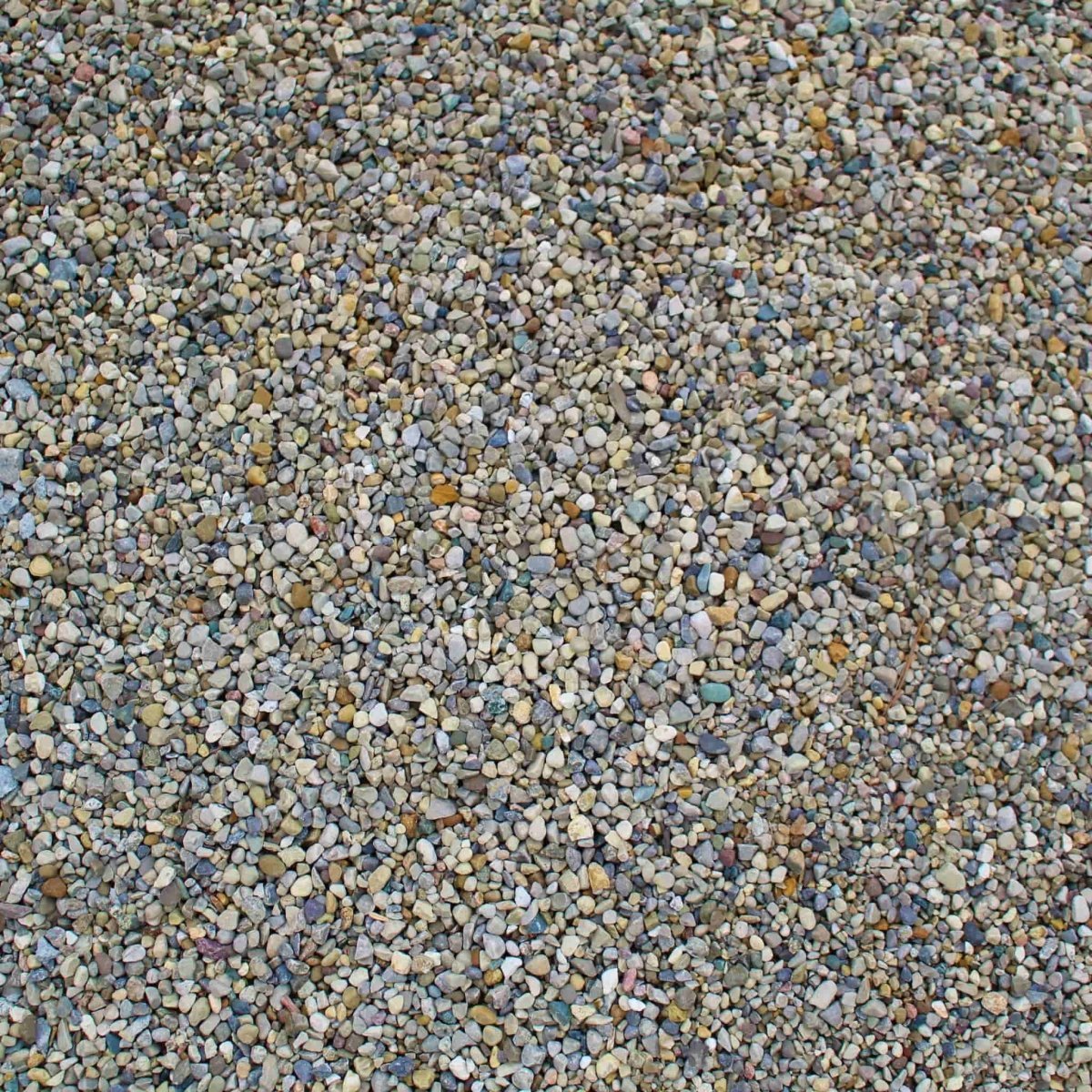
Pea gravel suits the mix of traditional, colonial, and newer suburban home styles common in this part of Pennsylvania. Its smooth, rounded edges and natural earth tones work beautifully along walkways, around patio edges, and in drainage areas where the region's clay-heavy soils tend to hold water.
1-2" River Stone
This larger smooth river rock brings bold texture and a polished look to decorative ground cover beds and dry creek features. Its substantial size makes it especially well-suited for managing runoff on the sloped yards and hillside properties common across the Easton area, and it holds up through the region's cold winters without shifting.
Complete Your Outdoor Stone Project
Stone borders look sharp when paired with freshly mulched planting beds, and the combination of hard and soft landscape materials creates a clean, low-maintenance Easton yard that handles the area's significant annual rainfall gracefully. Adding quality garden soil to any adjacent planted areas before laying stone edging gives your plants the drainage improvement they need to thrive in the surrounding clay loam.



Service area
Areas we deliver stone and gravel in Easton, Pennsylvania
Mulch Mound Pro Tip
Before your stone delivery arrives for any Easton pathway or patio project, compact the native clay loam base thoroughly and crown it very slightly so water drains toward the edges rather than pooling in the center. Clay loam that is not properly compacted before stone installation will compress unevenly under weight over time, creating low spots that collect water after every rain. Renting a plate compactor for a half day before your delivery makes a substantial difference in the long-term levelness and performance of the finished surface.
Mulch Mound Pro Tip
In Easton's freeze-thaw winters, angular crushed stone holds its position far better than smooth rounded material like pea gravel in any area that experiences regular foot traffic or vehicle weight. The angular faces of crushed stone interlock and resist migration, while pea gravel scatters easily when the frozen clay loam ground beneath it heaves and shifts. Save the decorative rounded stones for low-traffic accent areas and borders where displacement is not a functional safety concern.
Mulch Mound Pro Tip
Stone installed in drainage swales and rain garden features is one of the smartest investments you can make given Easton's 47 inches of annual rainfall and clay loam's naturally slow infiltration rate. A properly sized stone-filled swale can capture and slow the runoff from a significant storm event, giving water time to percolate rather than sheeting across your yard and causing erosion or neighbor disputes. Sizing your swale generously with clean three-quarter inch crushed stone is far less expensive in the long run than the erosion repairs and foundation issues that accumulate over years of unmanaged runoff on Easton's hilly terrain.
The Unique Landscape of Easton
Stone is one of the most practical landscape investments an Easton homeowner can make, precisely because of the conditions that make organic materials so maintenance-intensive here. Easton's clay loam soil compacts and becomes slippery when wet, making natural pathways and bare ground areas difficult and unsafe to navigate after the area's frequent rain events. With 47 inches of rain per year and significant runoff potential on Easton's hilly terrain, stone provides both erosion control and a permeable surface that allows water to filter through rather than sheet across the landscape. Stone also requires essentially no seasonal maintenance, which is a meaningful advantage compared to organic materials that need annual replenishment in zone 7a's warm, decomposition-friendly climate. Whether used in drainage swales, low-traffic pathways, decorative borders, or foundation beds where moisture against siding is a concern, stone gives Easton landscapes a durable and low-maintenance foundation that handles the local weather well.