Wonderful experience! They put the mulch exactly where we wanted. This mulch spread very easily and didn’t have the usual “mulch smell.” We will definitely use again!
How Much Landscape Rock Do I Need?
At a 2 inch depth, one cubic yard of landscape rock covers about 162 square feet, so a typical 500 square foot front yard bed runs roughly 3 cubic yards. Go to 3 inches deep for areas with more foot traffic or drainage duty, like around downspouts, and figure closer to 2.7 yards per 150 square feet. Measure the bed in square feet first, then match it to depth before you order. Use our free stone calculator
What is a Yard?
A yard is approximately 27 cubic feet. As a general guideline, one yard of material can cover an area of about 100-160 square feet at a 2-3 inch depth.
Wonderful experience! They put the mulch exactly where we wanted. This mulch spread very easily and didn’t have the usual “mulch smell.” We will de...
Read full review
Wonderful experience! They put the mulch exactly where we wanted. This mulch spread very easily and didn’t have the usual “mulch smell.” We will definitely use again!
Placing an order online was so easy. Delivery was on time. When the driver realized we had a newly poured driveway they erred on the side of cautio...
Read full review
Placing an order online was so easy. Delivery was on time. When the driver realized we had a newly poured driveway they erred on the side of caution and opted not ti drive in it. The company even sent me a message explaining that call. Would recommend!
Most El Paso rock jobs go down over landscape fabric to block caliche dust and weeds from pushing through, so fabric and edging are worth ordering alongside the rock. Steel or paver edging keeps rock from migrating into gravel driveways or walkways, which is common with our loose native soil. If any beds border plantings that need real soil building, a strip of mulch or compost nearby handles what rock can't.
Lay landscape fabric before you spread rock, especially in El Paso yards sitting on caliche, because bare caliche will let weeds and even mesquite seedlings punch through packed rock within a season. Overlap fabric seams by at least 6 inches and pin every 2 to 3 feet, since our wind gusts off the mountains will lift loose edges and expose bare dirt fast if the fabric isn't secured well at the perimeter.
Mulch Mound Pro Tip
The most common mistake here is spreading rock too thin to save material, then watching caliche dust and blowing sand fill the gaps within a year. Stick to the full 2 to 3 inch depth even though it costs more upfront, because a properly depth rock bed is genuinely a one time install, unlike mulch that needs refreshing annually in this heat and UV exposure.
Mulch Mound Pro Tip
If your yard has both a formal front bed and a utility area like a side yard or dog run, order rock for the visible zones and consider a cheaper base material or decomposed granite for the utility space, since rock's decorative value is wasted where nobody sees it. Buying the full yardage in one delivery instead of multiple small runs also saves on repeated delivery scheduling.
Decorative Stone in El Paso
El Paso's sandy soil over caliche drains fast and holds almost no organic matter, which is exactly why rock outperforms mulch here, it never breaks down or blows away in the wind that comes off the desert. With growing zone 8a summers pushing plants toward xeriscape anyway, rock groundcover matches what most yards near Scenic Drive and across the valley are already doing. It also handles the short mild winters without shifting or washing out, since El Paso rarely sees the freeze-thaw cycles that heave rock beds elsewhere. The tradeoff is real, rock traps mesquite leaves and caliche dust, so plan on an occasional blow-out or rinse.
What Landscape Rock Is
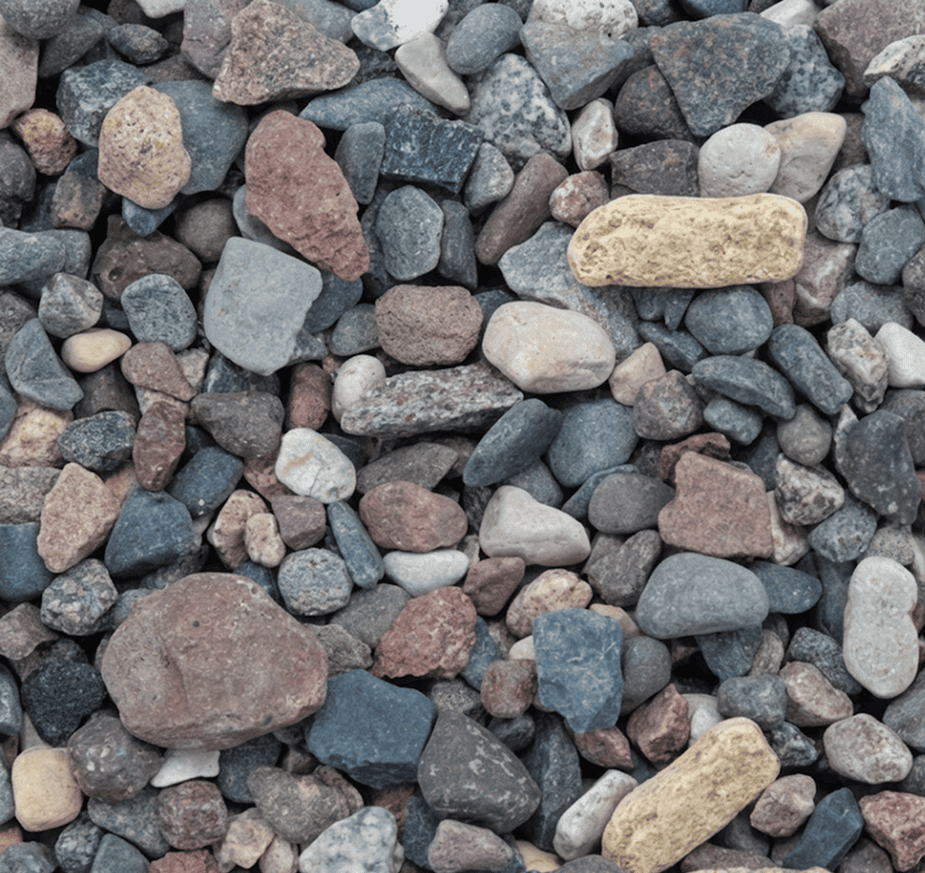
Landscape rock is stone chosen for how it looks as much as what it does. River rock is smooth and rounded, decomposed granite is fine and packs firm underfoot. Both are sold by the cubic yard for beds, borders, paths, and dry creek beds.
River Rock vs Decomposed Granite
River rock stays loose and rolls, so it suits beds, borders, and drainage runs where it can sit in place. Decomposed granite compacts into a firm surface, so it suits paths, patios, and anywhere you will walk or roll a wheelbarrow.
Depth and Coverage
Spread river rock 2 to 3 inches deep over landscape fabric so it stays put and weeds stay down. Lay decomposed granite 3 to 4 inches deep, wet it, and compact it in lifts for a surface that sheds water instead of rutting.
Frequently Asked Questions
Click a question to see the answer
Answer
Will landscape rock actually stay put in El Paso wind?
Yes, once installed at proper depth over pinned fabric, rock stays in place far better than mulch, which lifts and blows in our spring wind events. The stone's weight anchors it, and fabric underneath keeps it from sinking into loose sandy soil. Edging along driveways and walkways prevents migration onto paved surfaces during heavy gusts.
Answer
How many cubic yards do I need for a 600 square foot front yard?
At the standard 2 inch depth, one cubic yard covers about 162 square feet, so 600 square feet needs roughly 3.7 cubic yards, most people round up to 4. If you're covering a high-runoff area or going 3 inches deep instead, plan on closer to 5.5 yards for the same footprint.
Answer
When is the best time to install rock in El Paso?
Late fall through early spring works best, after the first frost around November 15 and before the ground heats up again, since you're not fighting summer sun while laying fabric and hauling stone. Installing before last frost in mid March also means your bed is settled and dust free before peak wind season picks up.
Answer
Can the delivery truck get into a backyard or gated area?
Delivery is made to a driveway, curb, or accessible pad you specify at checkout, since trucks generally can't cross lawns or narrow side gates. If your rock needs to go to a backyard bed, plan on wheelbarrowing it from the drop point, and let us know at scheduling if your access is unusually tight.
Answer
Should I use landscape rock or decomposed granite for my El Paso yard?
Both handle our caliche soil and dry climate well, but decorative rock gives better long-term coverage without compacting, while DG offers a finer, walkable surface better suited to paths. For beds around plants or foundations, standard landscape rock at 2 to 3 inches is the more permanent, lower-maintenance choice.
Answer
What is decomposed granite, or DG, best used for?
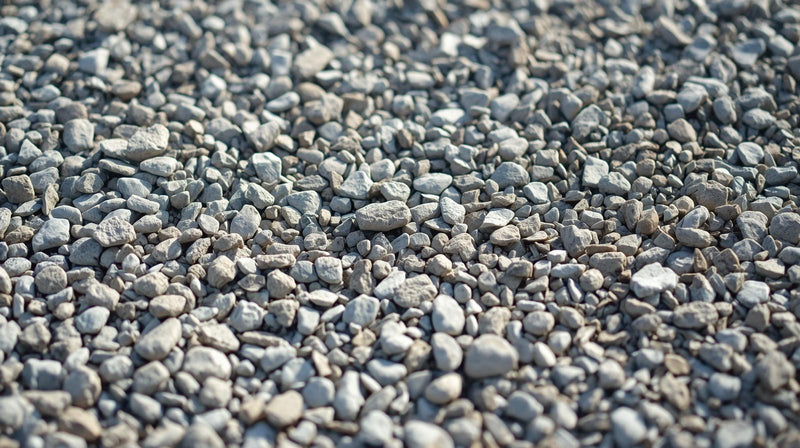
Desert wind and sandy soil over caliche shape every El Paso xeriscape yard. DG, short for decomposed granite, is granite weathered into small tan to gold chips and fines. Compacted with water, it forms a firm, natural looking surface for paths, patios, and seating, and it can be delivered by the cubic yard.