








Mulch Mound is an excellent supplier. My online ordering process was quick and easy and they stuck to their delivery date. Highly recommend!
About this mulch
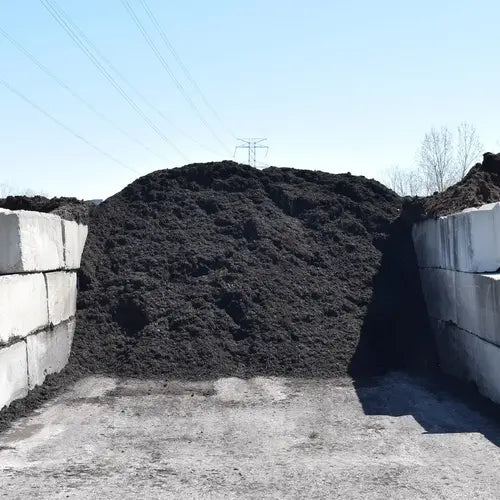
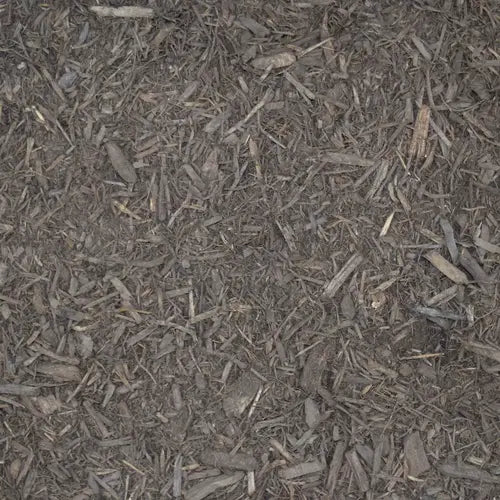
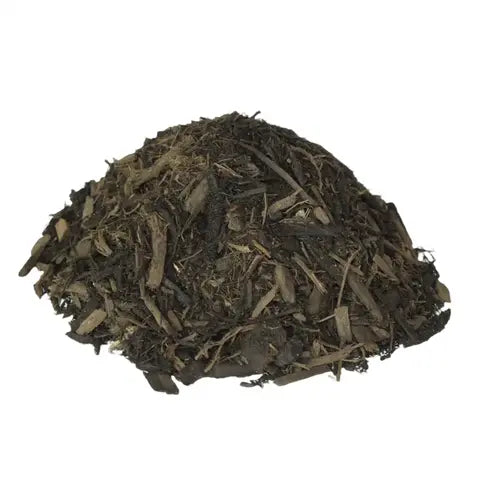
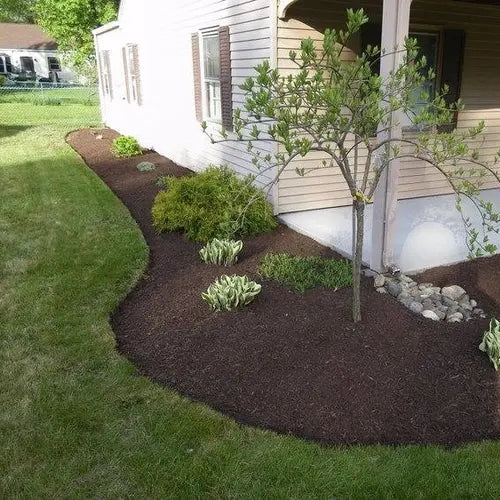
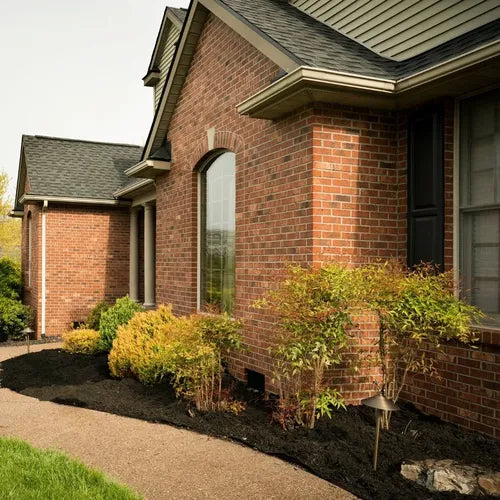
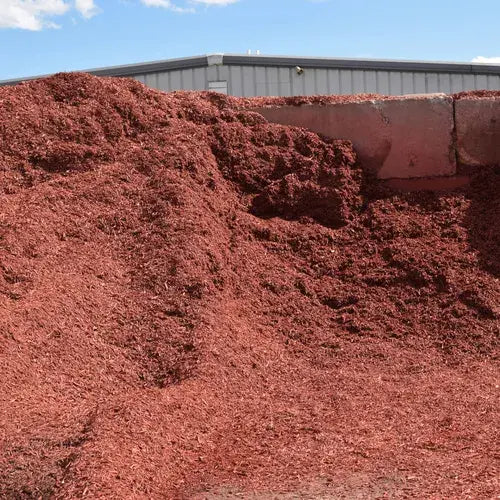
Bold black double shredded mulch that transforms beds instantly. The rich color holds strong through sun and rain, and the smooth texture spreads effortlessly.
Mulch Mound is an excellent supplier. My online ordering process was quick and easy and they stuck to their delivery date. Highly recommend!
Tell us what you're looking for
Thanks! We received your request.
Something went wrong. Please try again.
How Much Material Do I Need?
How Much Material Do I Need?
For Elizabeth City's sandy loam soil, apply mulch at 3 to 4 inches deep in plant beds to compensate for the soil's low water retention capacity. Shallower applications dry out too quickly in summer heat and leave roots exposed to the rapid temperature swings that sandy surfaces experience.
Use our free mulch calculator
What is a yard?
What is a yard?
FAQs
FAQs
Elizabeth City Mulch Delivery
Elizabeth City Mulch Delivery
Regular price
$75.00
per
yard
Regular price
Sale price
$75.00
Unit price
per
Shipping calculated at checkout.
Minimum of 3 yard
Couldn't load pickup availability
Not currently available
We can't take orders for this right now. Tell us what you need and we'll get back to you.
Hand-picked local yards
4,000+ regional deliveries
Dedicated support
Why order through Mulch Mound
The best local mulch, without the guesswork.
We hand-pick and partner with the best yards in your region, keep only the ones our buyers rate well, and back each load with our guarantee.
Mulch Mound Guarantee
If your mulch isn't the quantity or quality you ordered, we'll make it right.
About this mulch
Bold black double shredded mulch that transforms beds instantly. The rich color holds strong through sun and rain, and the smooth texture spreads effortlessly.
Mulch Mound is an excellent supplier. My online ordering process was quick and easy and they stuck to their delivery date. Highly recommend!
How Much Material Do I Need?
How Much Material Do I Need?
For Elizabeth City's sandy loam soil, apply mulch at 3 to 4 inches deep in plant beds to compensate for the soil's low water retention capacity. Shallower applications dry out too quickly in summer heat and leave roots exposed to the rapid temperature swings that sandy surfaces experience.
Use our free mulch calculator
What is a yard?
What is a yard?
FAQs
FAQs
Tell us what you're looking for
Thanks! We received your request.
Something went wrong. Please try again.

How It Works
Getting started is easy — just follow these simple steps
1
Choose your Mulch
Make sure you adjust the quantity to your home's needs. You can use our calculator to estimate how much you'll need.
2
Select your delivery date
Select a delivery date you'd like for the product to be dropped off at your home
3
Sit back and wait
Sit back, wait, and let us work our magic to make sure the highest quality product is delivered to your driveway.

They are thorough and very helpful to ensure the proper selection and delivery coordination. The driver was kind, respectful and very conscience no...
Read full review
They are thorough and very helpful to ensure the proper selection and delivery coordination. The driver was kind, respectful and very conscience not to damage anything. will recommend Mulch Mound to anyone.

Great experience using Mulch Mound! Ordering was super quick and easy. I placed my order Tues evening and my order was delivered on Thurs morning!<...
Read full review
Great experience using Mulch Mound! Ordering was super quick and easy. I placed my order Tues evening and my order was delivered on Thurs morning!
Quality of product was great. And delivery driver dropped all product perfectly on a trap I had laid out. Not a grain was spilt!
Wonderful experience start to finish! Highly recommended!
Calculate mulch for your Elizabeth City project
For Elizabeth City's Sandy Loam type of soil, we recommend 2-3 inches for best weed suppression and moisture retention
Try Our CalculatorIn Elizabeth City's sandy loam beds, plan for at least 3 inches of mulch depth to slow the faster-than-average moisture loss through the soil profile. Measure the length and width of each bed in feet, multiply them together, then divide by 100 to get the approximate cubic yards needed for a 3-inch application. Elizabeth City's long growing season from late April through early November means you may want to order slightly extra for a midsummer topdressing.

Best Mulch Choice for Elizabeth City Lawns
Most yards in the Elizabeth City area sit on Sandy Loam type of soil. Elizabeth City's sandy loam is naturally low in organic matter, which means plant beds struggle to hold nutrients and moisture without consistent surface amendment. Adding a thick layer of organic mulch is one of the most practical ways to compensate for what the native soil profile is missing.
Hardwood Mulch
As hardwood mulch breaks down on top of Elizabeth City's sandy loam, it gradually contributes humus and organic content that the native soil lacks, improving both water retention and beneficial microbial activity over multiple seasons. This slow but steady soil improvement makes hardwood mulch a practical long-term investment for homeowners who want healthier, more productive plant beds year after year.
Mulch Types We Deliver in Elizabeth City
The coastal plain climate of northeastern North Carolina brings warm summers and humid conditions that make a thick layer of mulch essential for keeping landscape beds healthy and weed-free. Mulch Mound offers bulk mulch delivery in Elizabeth City by the cubic yard, bringing fresh material straight to your driveway or job site. Whether you are refreshing a small garden or blanketing a large property, ordering in bulk is a smarter and more efficient way to get the job done.
Natural Brown Mulch
Natural Brown Mulch arrives double shredded for a smooth, clean spread across any bed. The warm earthy tone complements the brick and wood exteriors common throughout this part of North Carolina, and the undyed wood breaks down gradually to add organic matter to the sandy coastal plain soil beneath.
Dyed Black Mulch
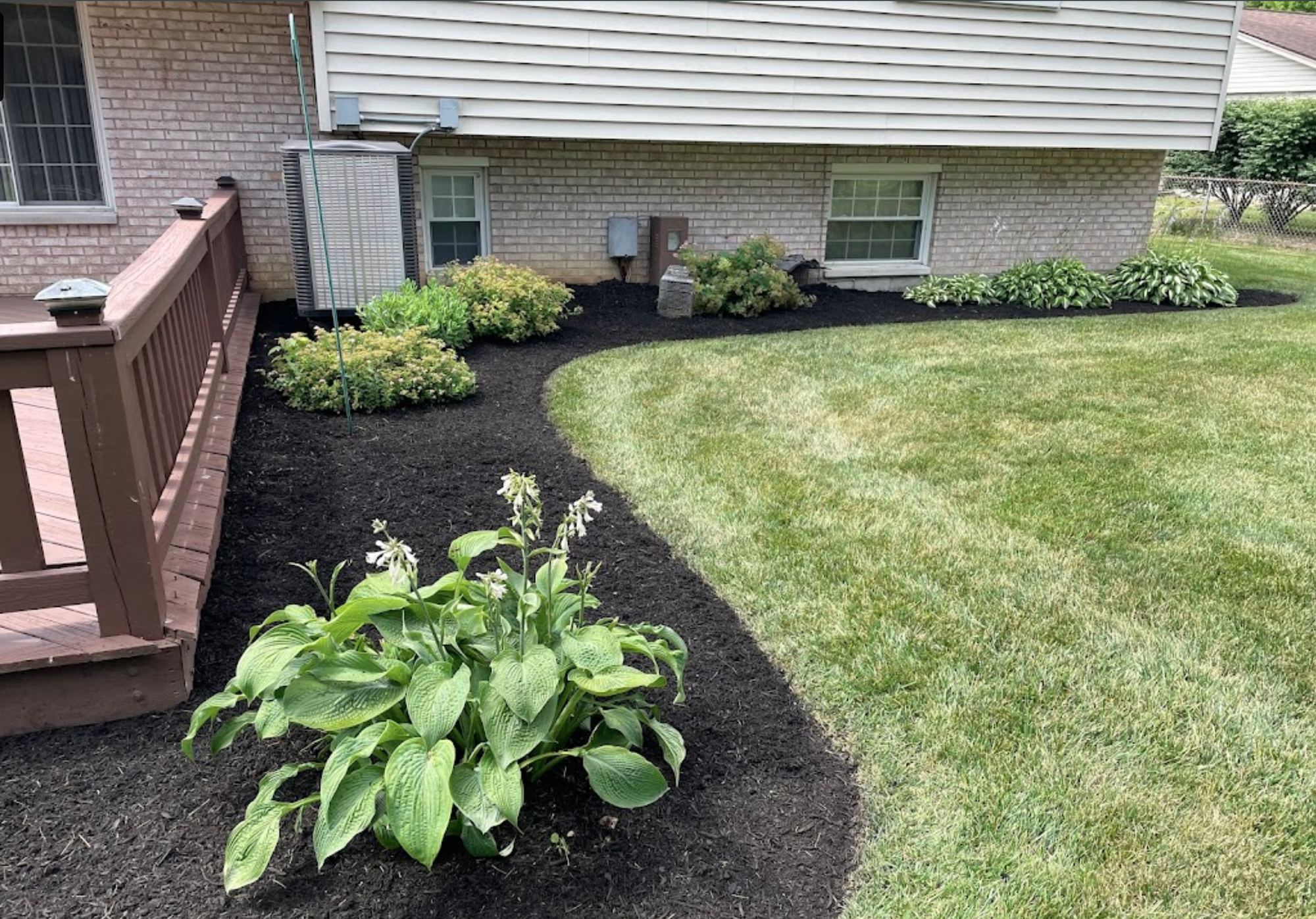
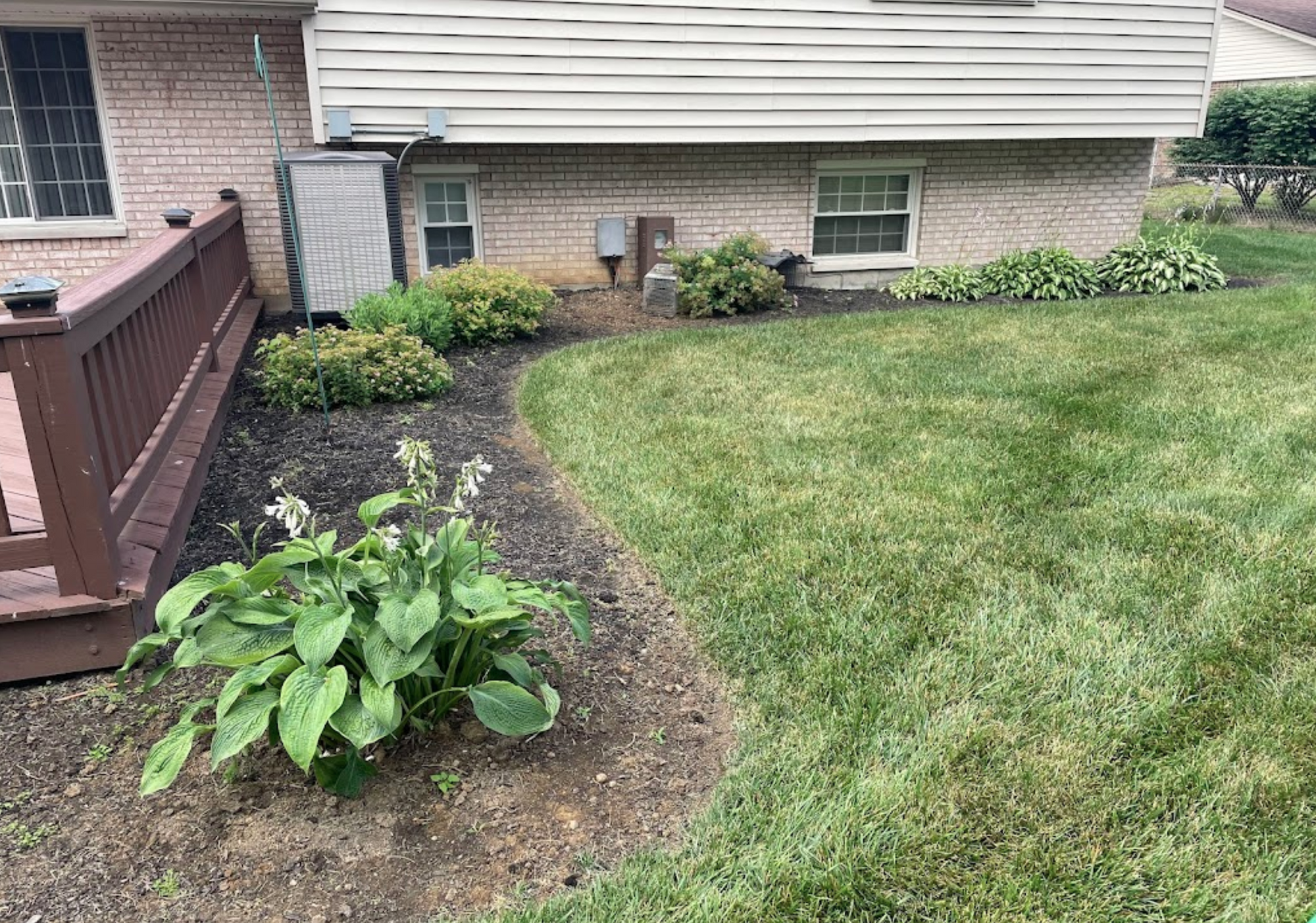
Dyed Black Mulch is available double shredded and delivers a bold, high-contrast look that makes green plants and colorful blooms pop. The rich color holds through summer heat and seasonal rain, making it a go-to choice for homeowners who want a sharp, well-kept appearance from the street.
Dyed Red Mulch
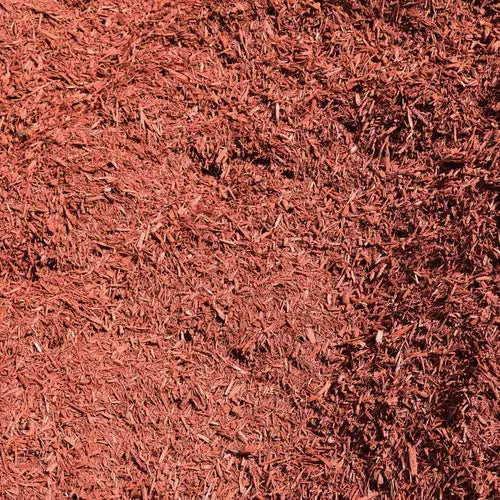
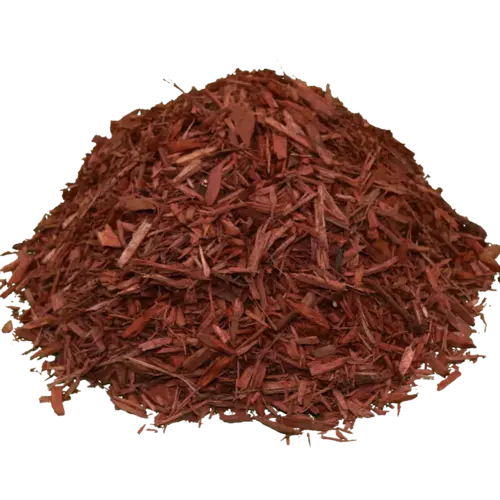
Dyed Red Mulch comes double shredded with a vibrant color that holds through the long, warm growing season typical of coastal North Carolina. It works especially well as a bold accent in front yard beds and foundation plantings, bringing energy and definition to homes with lighter or neutral exteriors.
Complete Your Outdoor Mulch Project
If your beds need a nutrient and organic matter boost before mulching, pairing your order with bulk garden soil helps build the growing foundation that Elizabeth City's sandy loam often lacks on its own. Stone border edging around mulched beds also keeps material contained during the heavy rain events common to Northeastern North Carolina.


Mulch Mound Pro Tip
Elizabeth City's sandy loam sheds water faster than clay-heavy soils found further inland, so maintaining a generous 3 to 4 inch mulch depth across the entire bed is critical during the long summer stretch. Pull mulch back slightly from direct stem contact to prevent crown rot in the humid conditions. Check soil moisture two inches below the surface after a dry week and if it feels completely dry, your mulch layer is too thin or too compacted and needs refreshing.
Mulch Mound Pro Tip
Timing your mulch application just before Elizabeth City's average last frost of April 26 gives you the best seasonal advantage. You protect emerging perennials from any lingering cold snaps while setting up the bed to retain moisture as temperatures climb through May and June. Applying before the soil warms completely locks in a cooler, more stable root environment early in the season and gets ahead of the spring weed flush that follows warming temperatures.
Mulch Mound Pro Tip
With 49 inches of annual rainfall, Elizabeth City beds are at real risk of mulch displacement during heavy summer thunderstorms. Hardwood mulch with its interlocking fibrous texture resists washing significantly better than finer shredded materials. Pairing your mulch application with a low stone border creates a physical edge that keeps material in the bed during downpours and reduces the time you spend repositioning mulch after every major storm system moves through the area.
The Unique Landscape of Elizabeth City
Elizabeth City's sandy loam soil drains quickly, which means plant beds can dry out between rain events even with the area's generous 49 inches of annual rainfall. A proper layer of mulch acts as a buffer, slowing that moisture loss and giving roots the consistent hydration they need through the long Zone 8b growing season. Without surface coverage, the sandy loam tends to crust and compact under summer downpours, making it harder for water to penetrate when you need it most. From late April through early November, mulch keeps soil temperatures stable and prevents the rapid swings that stress shallow-rooted ornamentals common in Northeastern North Carolina beds. Organic mulch also adds back the organic matter that sandy loam naturally lacks, feeding soil biology as it breaks down over the season and gradually improving the structure of your native soil profile.