


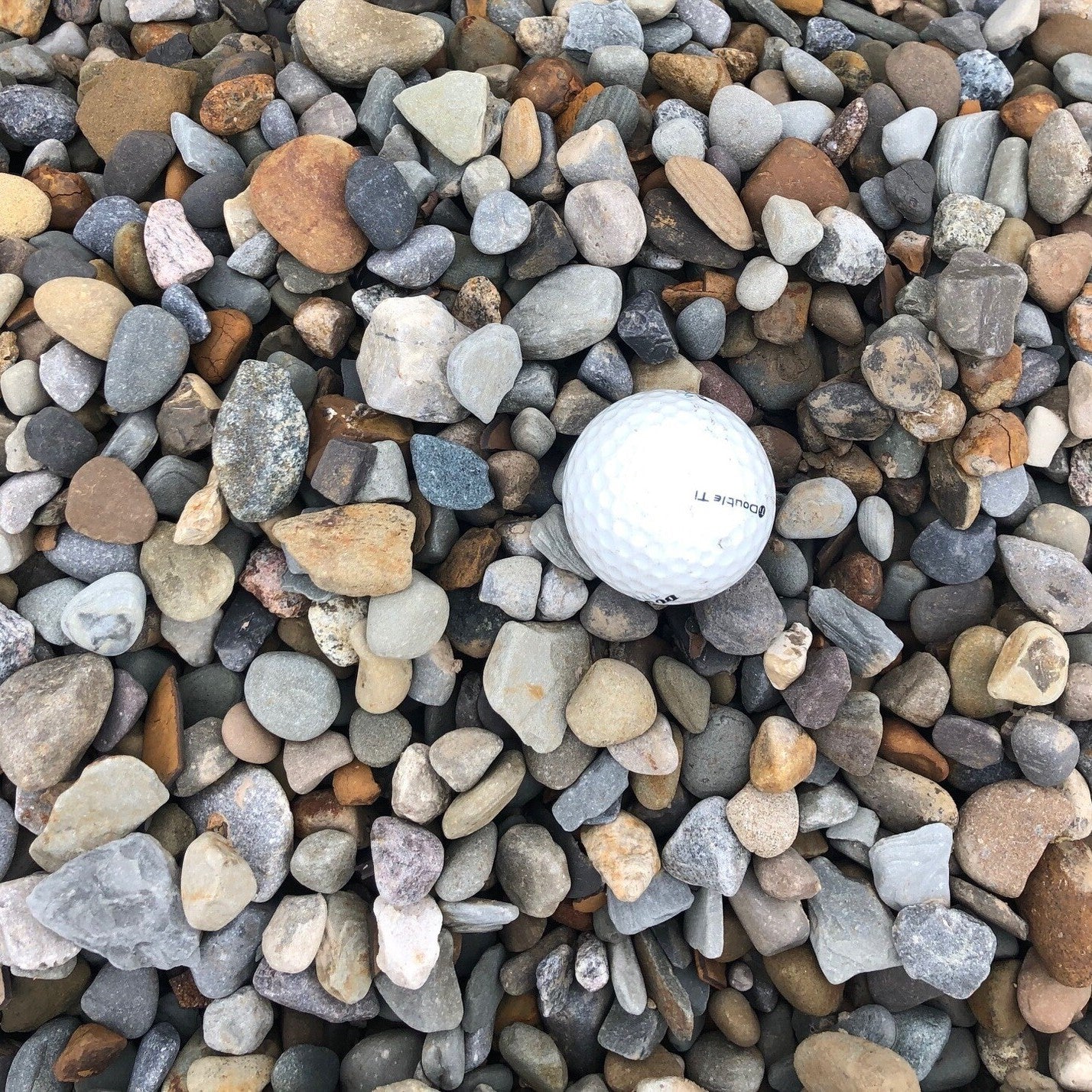

The driver nailed it on putting the gravel I ordered in front of my trailer and between the sidewalk. Very satisfied with how my flowerbeds look now.
About this stone
Number 57 crushed stone, angular limestone graded to about three quarters of an inch. The standard driveway, base and drainage gravel, it locks together under traffic and drains fast.
The driver nailed it on putting the gravel I ordered in front of my trailer and between the sidewalk. Very satisfied with how my flowerbeds look now.
Tell us what you're looking for
Thanks! We received your request.
Something went wrong. Please try again.
How Much Material Do I Need?
How Much Material Do I Need?
For decorative ground cover and pathway applications on Elizabeth City's sandy loam base, a 2 to 3 inch depth provides adequate coverage and stable footing. Drainage swales, foundation borders, and erosion control applications typically call for 4 to 6 inches of stone to handle the sustained runoff that 49 inches of annual rainfall delivers throughout the year.
Use our free stone calculator
What is a yard?
What is a yard?
FAQs
FAQs
Elizabeth City Gravel Delivery
Elizabeth City Gravel Delivery
Regular price
$133.00
per
yard
Regular price
Sale price
$133.00
Unit price
per
Shipping calculated at checkout.
Minimum of 3 yard
Couldn't load pickup availability
Hand-picked local yards
4,000+ regional deliveries
Dedicated support
Why order through Mulch Mound
The best local stone, without the guesswork.
We hand-pick and partner with the best yards in your region, keep only the ones our buyers rate well, and back each load with our guarantee.
Mulch Mound Guarantee
If your stone isn't the quantity or quality you ordered, we'll make it right.
About this stone
Number 57 crushed stone, angular limestone graded to about three quarters of an inch. The standard driveway, base and drainage gravel, it locks together under traffic and drains fast.
The driver nailed it on putting the gravel I ordered in front of my trailer and between the sidewalk. Very satisfied with how my flowerbeds look now.
How Much Material Do I Need?
How Much Material Do I Need?
For decorative ground cover and pathway applications on Elizabeth City's sandy loam base, a 2 to 3 inch depth provides adequate coverage and stable footing. Drainage swales, foundation borders, and erosion control applications typically call for 4 to 6 inches of stone to handle the sustained runoff that 49 inches of annual rainfall delivers throughout the year.
Use our free stone calculator
What is a yard?
What is a yard?
FAQs
FAQs
Tell us what you're looking for
Thanks! We received your request.
Something went wrong. Please try again.
How It Works
Getting started is easy — just follow these simple steps
1
Choose your stone
Make sure you adjust the quantity to your home's needs. You can use our calculator to estimate how much you'll need.
2
Select your delivery date
Select a delivery date you'd like for the product to be dropped off at your home
3
Sit back and wait
Sit back, wait, and let us work our magic to make sure the highest quality product is delivered to your driveway.

Ordering was easy. Good quality.

So smooth. Placed the order online, it showed up. Easy!
Need Help Calculating How Much Stone & Gravel You Need?
Use our NEW Trace from Satellite tool to get an estimate for your project based on an aerial view of your property
Try Our CalculatorTo estimate stone needs for a pathway, ground cover, or drainage area in Elizabeth City, measure the length and width of the space in feet and multiply them together to get square footage. Multiply by your target depth in feet, where 2 inches equals roughly 0.17 feet, then divide by 27 to convert to cubic yards. For drainage applications that need to handle Elizabeth City's 49 inches of annual rainfall, add at least an inch of extra depth beyond the minimum to keep the stone layer performing well during peak wet season.
Stone Types We Deliver in Elizabeth City
Mulch Mound delivers bulk stone by the cubic yard to homes and job sites throughout northeastern North Carolina, making it easy to get the material you need without renting a trailer or hauling it yourself. If you have been searching for bulk gravel by the yard in Elizabeth City, we offer straightforward delivery priced by the yard with no guesswork. Every load is measured accurately and dropped off fresh at your address.
Pea Gravel
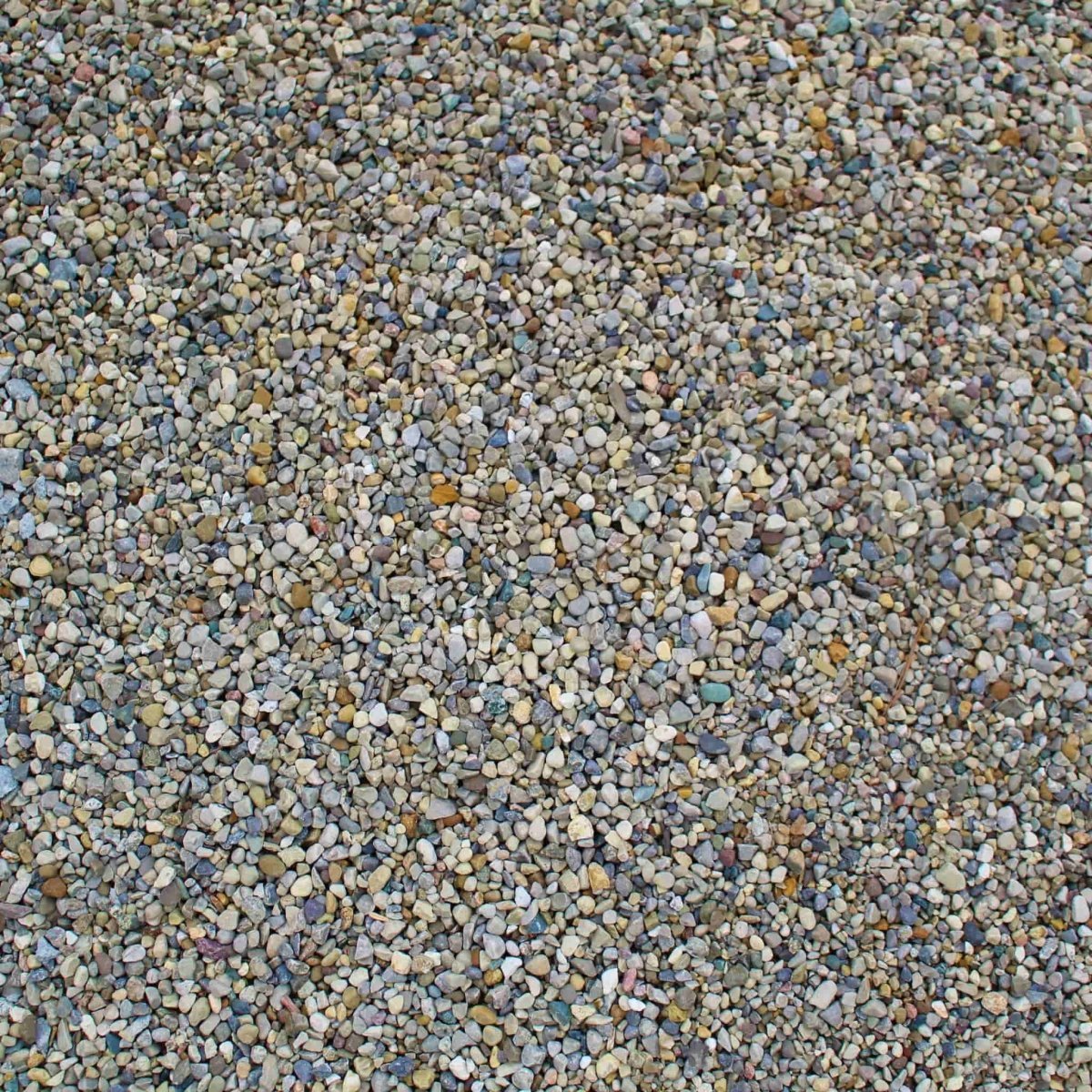
Smooth, rounded, and finished in warm natural earth tones, pea gravel suits garden paths, patios, and decorative ground cover. It drains reliably in the humid coastal climate of this region, settles well into the sandy soils common here, and brings a tidy, polished appearance to yards and landscape beds without sharp edges.
Complete Your Outdoor Stone Project
Stone borders pair naturally with bulk hardwood mulch to create contained, tidy bed layouts that stay in place through Elizabeth City's heavy summer rain events. Adding quality topsoil beneath raised stone areas ensures healthy plant root zones and proper sub-surface drainage underneath decorative surface layers.



Mulch Mound Pro Tip
Elizabeth City's flat landscape and consistent annual rainfall make drainage planning essential before placing any stone. Install a layer of landscape fabric beneath decorative stone to prevent the native sandy loam from migrating upward through the rock layer over time, which muddies the appearance and reduces drainage performance. This one extra step during installation keeps your stone beds looking clean and functioning properly through wet winters and the intense summer storm season alike.
Mulch Mound Pro Tip
For backyard pathways in Elizabeth City, crusher run compacts into a firm and stable walking surface that handles foot traffic well and resists the shifting that occurs in the looser sandy loam base. Apply it at a minimum of 3 inches deep, wet it thoroughly, and tamp it firmly before walking on it. The compacted surface sheds water effectively and stays put during rain events, which is critical in a yard that handles nearly four feet of rain per year across a long growing season.
Mulch Mound Pro Tip
Placing a 12 to 18 inch wide border of clean gravel or river rock around your home's foundation is one of the highest-value improvements an Elizabeth City homeowner can make given the area's flat grade, wet winters, and heavy summer storms. This stone collar keeps soil from staying saturated against your foundation, improves drainage away from the structure, and discourages burrowing pests that thrive in consistently moist ground. It also eliminates a high-maintenance mulch zone directly against your home's exterior, saving you time every spring.
The Unique Landscape of Elizabeth City
Stone is one of the most durable and low-maintenance materials available to Elizabeth City homeowners, and it earns its value in a coastal Zone 8b climate where organic materials break down quickly and high humidity keeps conditions wet for much of the year. The flat terrain and 49 inches of annual rainfall create real drainage challenges across many local yards, and well-placed stone can redirect runoff, stabilize drainage swales, and prevent soil erosion in open or sloped areas. Stone pathways and borders resist the kind of displacement that heavy summer downpours inflict on lighter organic ground covers, making them a genuinely practical long-term investment for Northeastern North Carolina properties. Because Elizabeth City's sandy loam surface can shift and wash under sustained rainfall, stone also provides stable footing for walkways and patio borders that hold their position season after season without annual refreshing. From decorative river rock to functional gravel and crusher run, bulk stone gives local landscapes structure and permanence that organic materials simply cannot match.