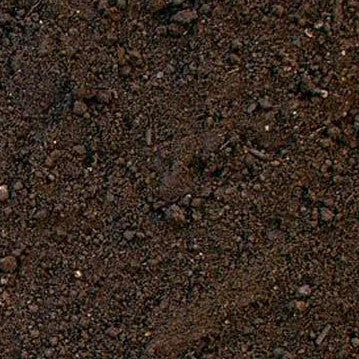
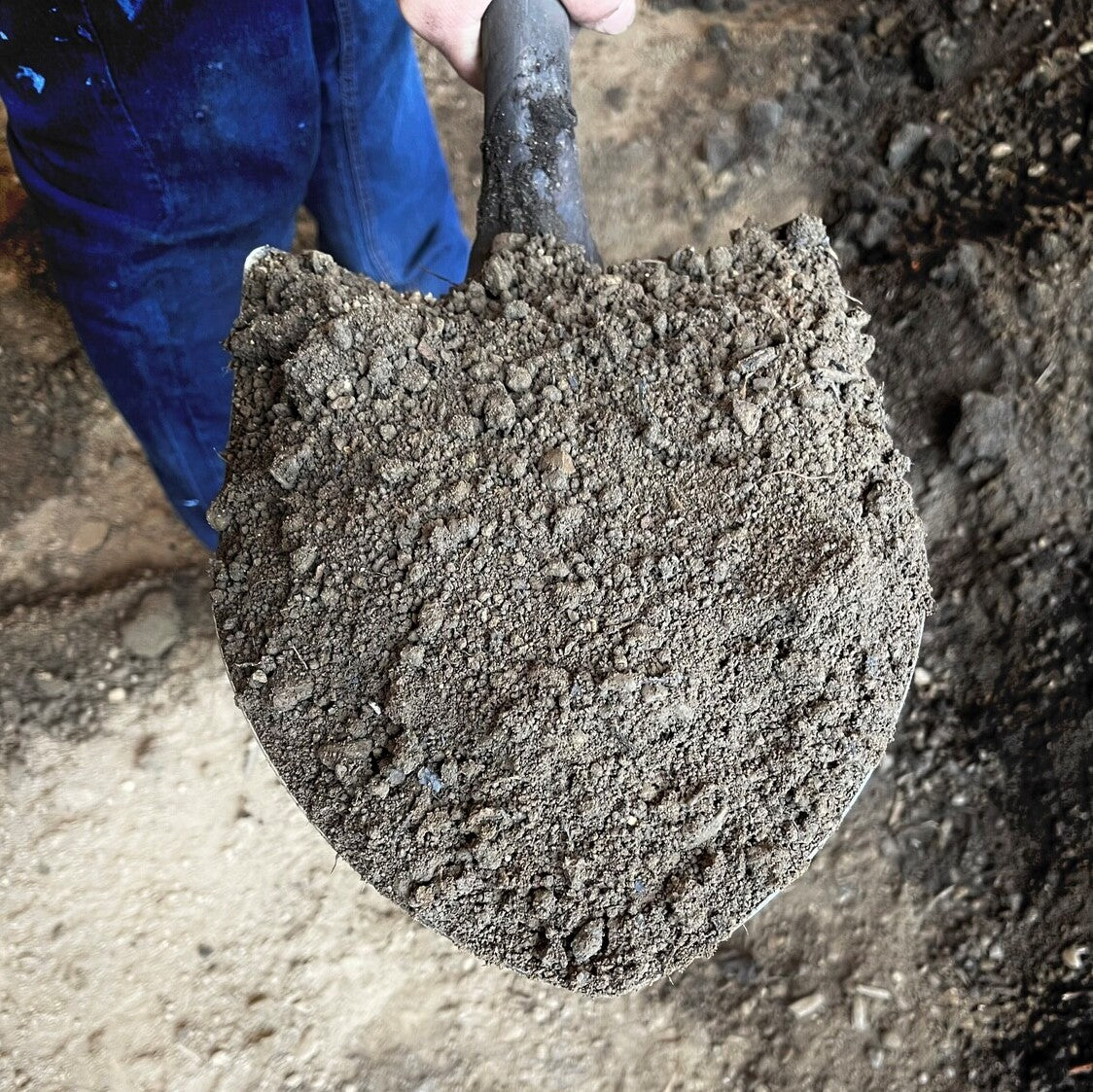
Quality topsoil for lawns, gardens, and landscape projects. Nutrient rich and ready to support strong root development and healthy plant establishment.
The website was intuitive and easy to navigate. The material was delivered the date and time it was scheduled, it was dropped off in the area i had specified on top of my tarp with no issues.
I ordered soil, the Gardening Blend that I received had too many plastic and m...
Tell us what you're looking for
Thanks! We received your request.
Something went wrong. Please try again.
How Much Material Do I Need?
For new garden beds in Elizabeth City, add at least 6 to 8 inches of quality topsoil over the existing sandy loam to create a productive root-friendly growing layer. For lawn leveling in low-lying areas, 2 to 3 inches of fill soil is typically sufficient to correct drainage problems without smothering established grass.
Use our free soil calculator
What is a yard?
A yard is approximately 27 cubic feet. As a general guideline, one yard of material can cover an area of about 10 feet by 10 feet at a few inches deep.
We can't take orders for this right now. Tell us what you need and we'll get back to you.
What do you need?
Thanks! We received your request.
Something went wrong. Please try again.
Hand-picked local yards
4,000+ regional deliveries
Dedicated support
Why order through Mulch Mound
The best local soil, without the guesswork.
We hand-pick and partner with the best yards in your region, keep only the ones our buyers rate well, and back each load with our guarantee.
Mulch Mound Guarantee
If your soil isn't the quantity or quality you ordered, we'll make it right.
About this soil
Quality topsoil for lawns, gardens, and landscape projects. Nutrient rich and ready to support strong root development and healthy plant establishment.
The website was intuitive and easy to navigate. The material was delivered the date and time it was scheduled, it was dropped off in the area i had specified on top of my tarp with no issues.
I ordered soil, the Gardening Blend that I received had too many plastic and m...
How Much Material Do I Need?
For new garden beds in Elizabeth City, add at least 6 to 8 inches of quality topsoil over the existing sandy loam to create a productive root-friendly growing layer. For lawn leveling in low-lying areas, 2 to 3 inches of fill soil is typically sufficient to correct drainage problems without smothering established grass.
Use our free soil calculator
What is a yard?
A yard is approximately 27 cubic feet. As a general guideline, one yard of material can cover an area of about 10 feet by 10 feet at a few inches deep.
The website was intuitive and easy to navigate. The material was delivered the date and time it was scheduled, it was dropped off in the area i had...
Read full review
The website was intuitive and easy to navigate. The material was delivered the date and time it was scheduled, it was dropped off in the area i had specified on top of my tarp with no issues.
I ordered soil, the Gardening Blend that I received had too many plastic and metal pieces for my liking thus lowering the score from a perfect 5/5 to a 4/5
For raised beds and new garden areas in Elizabeth City, measure the length, width, and intended depth of your project in feet, multiply all three numbers together, then divide by 27 to get the cubic yards needed. Add 10 to 15 percent to your estimate to account for settling after delivery and watering, which happens faster in Elizabeth City's warm Zone 8b climate than in cooler regions. Getting your quantity right on the first order avoids the added cost and scheduling hassle of a second delivery trip.
Soil Types We Deliver in Elizabeth City
Whether you are starting a new lawn, building raised beds, or refreshing tired garden areas, having quality soil delivered by the yard makes all the difference in northeastern North Carolina. We offer bulk topsoil by the yard in Elizabeth City, dropped right where you need it so you can get to work without the back-and-forth hauling. Our screened soil is measured and priced by the cubic yard, making it easy to order exactly what your project requires.
Screened Top Soil
Our screened topsoil is processed to a fine, even texture that spreads cleanly and levels well, making it a strong choice for new lawns, sod preparation, and raised garden beds. In this part of North Carolina where native soils can run sandy or heavy with clay, a reliable screened topsoil helps establish healthy root zones and improves drainage and structure for both turf and garden plantings.
Complete Your Outdoor Soil Project
Once your beds are built up with fresh soil, finishing them with a 3 to 4 inch layer of bulk hardwood mulch protects the new growing medium from Elizabeth City's intense summer sun and erosive summer downpours. Stone edging around the perimeter keeps soil contained and gives your landscape a clean, finished border that holds up through the long growing season without constant maintenance.
How much soil do I need to fill a raised garden bed at a reasonable growing depth for Elizabeth City's Zone 8b season?
For a standard raised bed in Elizabeth City, aim for at least 12 inches of quality soil depth to give roots room to grow through the long growing season. Multiply the length by the width by 1 foot to get cubic feet, then divide by 27 to convert to cubic yards. Factor in about 10 to 15 percent extra for settling after watering. A well-filled bed gives you the flexibility to grow both warm-season crops from late April and cool-season crops close to the November frost.
Answer
Will bulk topsoil drain well enough on its own given how flat our yards are in Elizabeth City?
Quality bulk topsoil drains reasonably well, but Elizabeth City's flat terrain means drainage is largely determined by how you grade the surface rather than the soil alone. When spreading topsoil for lawn leveling or bed construction, slope the finished grade slightly away from structures and toward open lawn areas. Blending bulk topsoil with compost improves the internal drainage structure, which matters during the wet months when 49 inches of annual rainfall can keep the ground saturated for days at a time.
Answer
Can I use bulk fill soil to fix the low spots in my yard that collect water after every heavy rain?
Yes, filling low spots with bulk soil is one of the most effective and lasting fixes for the drainage issues common in Elizabeth City's flat landscape. The key is feathering the fill into the surrounding grade so water flows away from the depression rather than simply pooling at a new low point nearby. For lawn areas, apply fill soil in 2-inch lifts, let each layer settle, and overseed to bind the new surface with roots. This prevents the fill from washing away during the next storm.
Answer
When is the best time of year to bring in bulk soil for garden prep in Elizabeth City?
Late winter, specifically February through mid-March, is the ideal window to bring in bulk soil for new beds or garden expansion in Elizabeth City. Delivering and spreading soil before the last frost date of April 26 gives the material several weeks to settle and allows time to work in any compost or amendments before planting begins. Starting the growing season with a fully prepared bed means your Zone 8b plants go in the ground with the best possible foundation from day one.
Answer
How is bulk topsoil different from the sandy loam that is already in my yard?
Elizabeth City's native sandy loam is predominantly mineral-based with low organic matter content, which limits its ability to hold nutrients and support dense plant growth without amendment. Quality bulk topsoil typically contains a blend of loam, organic matter, and sometimes compost that provides better nutrient availability, improved moisture retention, and a more balanced structure for plant roots. Adding bulk topsoil to existing sandy loam beds is essentially a way to upgrade the growing environment without tilling and replacing the native soil entirely.
Answer
I am worried that new soil will wash away in Elizabeth City's heavy summer thunderstorms before plants can establish. What should I do?
Erosion of freshly placed soil is a real concern in Elizabeth City, especially on flat ground where water can sheet across the surface during intense summer storms. The best protection is to plant or seed new soil areas as quickly as possible after delivery so root systems begin binding the surface. For beds that will not be planted immediately, apply a light layer of mulch over the new soil to hold it in place. Slight berming at the bed edges also helps contain the surface during heavy downpours.
Answer
How deep should I go when prepping an entirely new garden bed on top of my existing sandy loam?
For new ornamental or vegetable beds in Elizabeth City, adding 6 to 8 inches of quality topsoil over the native sandy loam creates a productive growing layer that supports most perennials, shrubs, and vegetables through the full Zone 8b season. If you are building raised beds on top of compacted ground or turf, go to 10 to 12 inches to give deeper-rooted plants room to thrive. The longer your growing season, the more your roots will explore downward, so investing in depth upfront pays off through November.
Mulch Mound Pro Tip
Elizabeth City sits at only 12 feet of elevation and the surrounding landscape is notably flat, which means water has few natural places to go after heavy rain events. When spreading bulk soil for leveling, always slope the finished grade slightly away from structures at roughly one inch per foot for the first several feet outward. This small adjustment prevents water from pooling against foundations and reduces the risk of chronic moisture damage to your home's perimeter over time.
Mulch Mound Pro Tip
Zone 8b's long growing season from late April to early November makes Elizabeth City ideal for succession planting in raised beds, but only if the soil in those beds stays loose and nutrient-rich across the full season. Blend bulk topsoil with finished compost at a roughly 3-to-1 ratio before filling raised beds to create a mix that drains well, resists compaction under repeated watering, and provides the steady fertility that heavy producers like tomatoes and squash demand through a long coastal summer.
Mulch Mound Pro Tip
The best time to schedule bulk soil delivery for new garden bed installation in Elizabeth City is in February or early March, well before the last frost date of April 26. This window gives the new soil time to settle naturally and allows you to work in amendments and let them begin integrating before your first transplants go in the ground. A well-prepared bed at the start of planting season performs far better than one rushed together the week before you want to plant.
The Unique Landscape of Elizabeth City
Elizabeth City's native sandy loam is workable and well-drained but naturally short on the organic matter and nutrient density that thriving garden beds, raised planters, and healthy lawns require. The flat coastal landscape and low elevation of just 12 feet means grading and leveling are common needs in local yards, and bulk topsoil is often the most efficient solution for raising low spots that collect standing water after rain. With a growing season stretching from late April through early November in Zone 8b, building up soil quality before planting pays dividends for months and supports repeated harvests in vegetable gardens. The 49 inches of annual rainfall Elizabeth City receives also means that poorly graded areas hold water for extended periods, and bringing in quality fill soil to correct those elevations prevents long-term drainage problems near foundations and lawn areas. Whether you are filling raised beds, topdressing a worn lawn, or establishing a new garden area from scratch, bulk soil gives Elizabeth City landscapes a growing foundation that the native profile alone often cannot provide.
More delivery around Elizabeth City, North Carolina