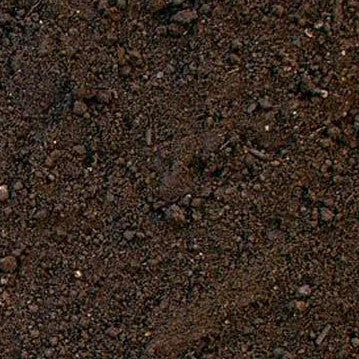
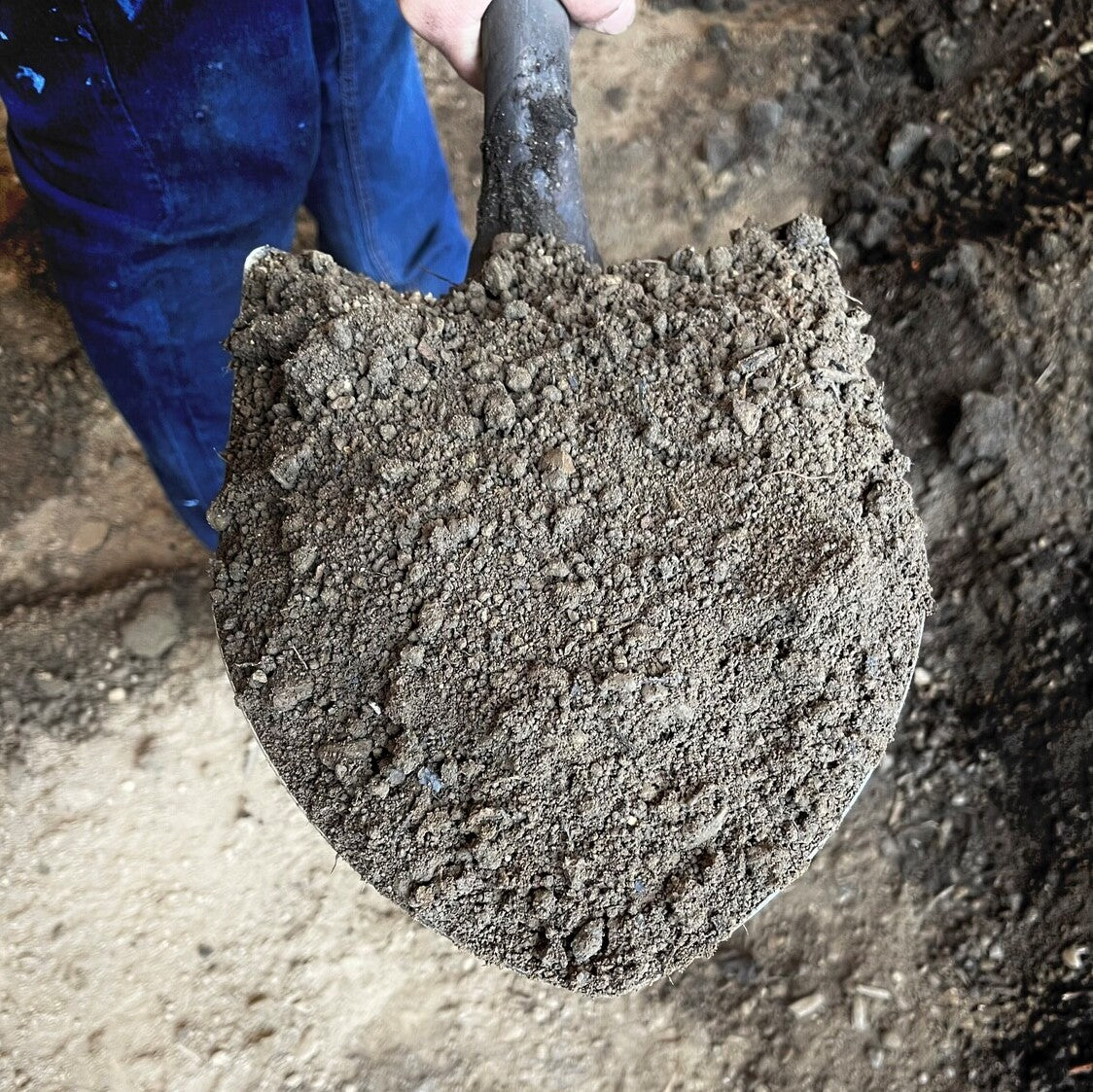
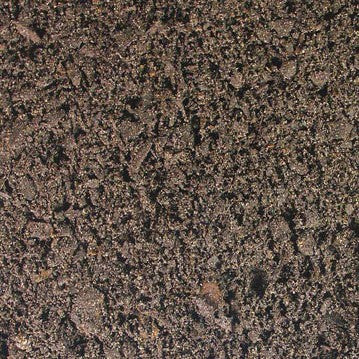
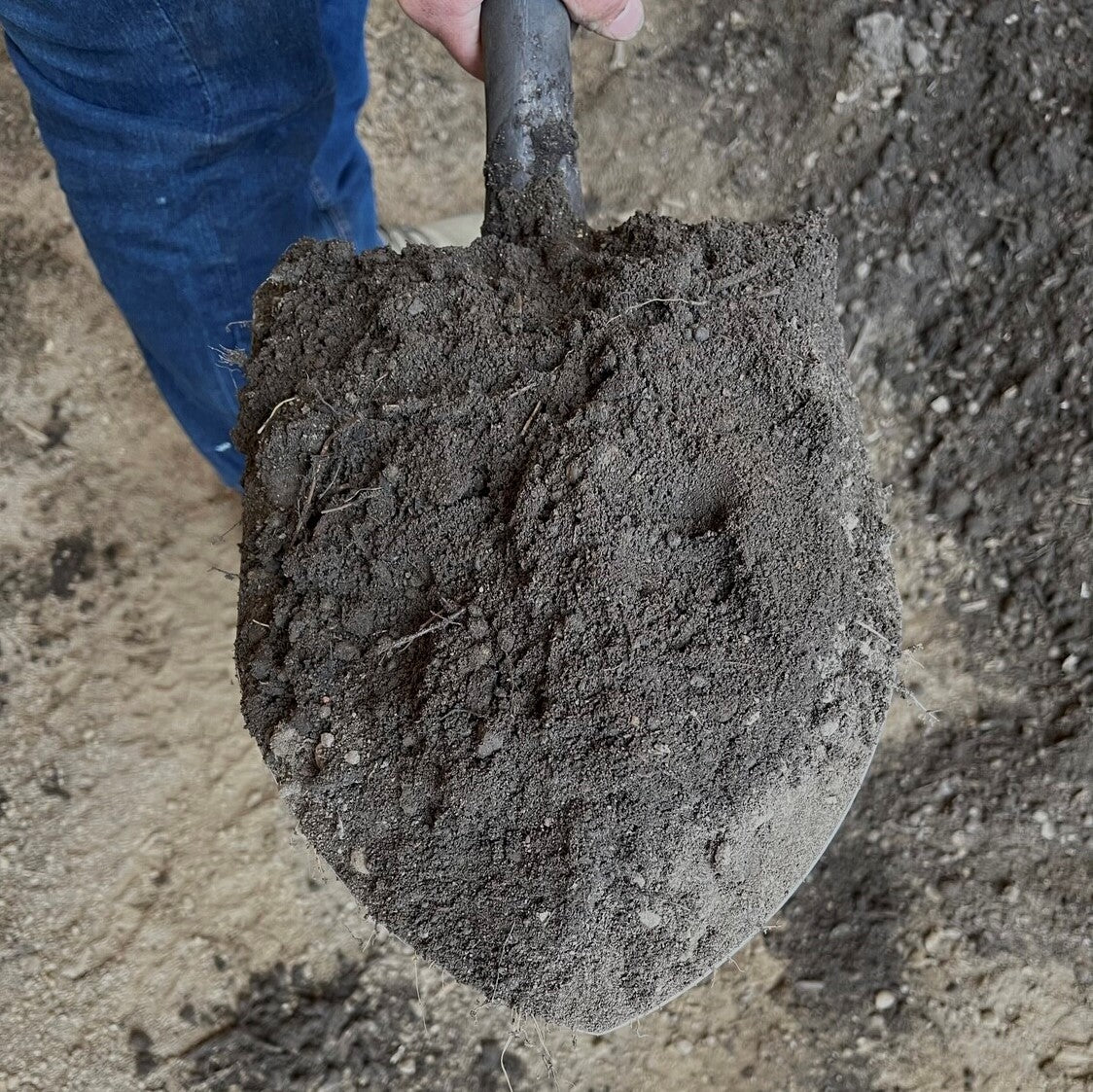
We got 3 yards of the gardening top soil. It was great quality, not many chunks and seems good for growing, just waiting for all my plants to love it.
We had more than enough soil to fill a raised bed we made and landscaped around a patio. I do wish we could do less tha...
Tell us what you're looking for
Thanks! We received your request.
Something went wrong. Please try again.
How Much Material Do I Need?
Plan 4 to 6 inches for new lawn areas, 10 to 12 inches for raised vegetable beds, and 2 to 3 inches of compost when amending existing Elyria silt loam. One cubic yard covers about 100 square feet at 3 inches.
Use our free soil calculator
What is a Yard?
A yard is approximately 27 cubic feet. As a general guideline, one yard of material can cover an area of about 100-160 square feet at a 2-3 inch depth.
We got 3 yards of the gardening top soil. It was great quality, not many chunks and seems good for growing, just waiting for all my plants to love it.
We had more than enough soil to fill a raised bed we made and landscaped around a patio. I do wish we could do less tha...
How Much Material Do I Need?
Plan 4 to 6 inches for new lawn areas, 10 to 12 inches for raised vegetable beds, and 2 to 3 inches of compost when amending existing Elyria silt loam. One cubic yard covers about 100 square feet at 3 inches.
Use our free soil calculator
What is a Yard?
A yard is approximately 27 cubic feet. As a general guideline, one yard of material can cover an area of about 100-160 square feet at a 2-3 inch depth.
We got 3 yards of the gardening top soil. It was great quality, not many chunks and seems good for growing, just waiting for all my plants to love ...
Read full review
We got 3 yards of the gardening top soil. It was great quality, not many chunks and seems good for growing, just waiting for all my plants to love it.
We had more than enough soil to fill a raised bed we made and landscaped around a patio. I do wish we could do less than 3 yds delivered but I understand the limitations.
My only concern was we requested it on the top left of our driveway since we had mulch on the other side, they ended up pouring it on top of the mulch (it was covered with a tarp so not ruined) making it difficult to complete our landscaping in a timely fashion.
Measure length and width in feet, then convert your fill depth to feet by dividing inches by 12. Multiply all three and divide by 27 to get cubic yards. Soil settles roughly 15 to 20 percent after a few Elyria rains, so order a little extra if you need a finished grade to hold.
Complete Your Outdoor Soil Project
Finish new soil with mulch to stop Elyria's heavy spring rains from washing your fresh grade away, and add grass seed or straw where you are establishing turf.
Frequently Asked Questions
Click a question to see the answer
Answer
What kind of soil is under my yard in Elyria?
Almost certainly silt loam, which is the dominant soil across Elyria and much of Lorain County. It is naturally fertile and holds nutrients well, but its fine particles compact easily and drain slowly. On most residential lots the good topsoil layer was removed during construction, so what you are actually digging into is compacted subsoil with a thin cap of imported fill.
Answer
How much topsoil do I need to level low spots in my lawn?
For shallow settling under an inch, a light topdressing of half an inch across the area is enough and grass will grow through it. For deeper dips, which are common over old utility trenches in Elyria's established neighborhoods, fill in two inch lifts and let each one settle with rain before adding the next. One cubic yard covers about 324 square feet at a quarter inch or 54 square feet at 6 inches.
Answer
Should I use topsoil or compost to fix my clay heavy backyard?
Use both. Adding topsoil alone on top of compacted Elyria silt loam creates a layer boundary that water will not cross, so it sits and turns swampy. Till 2 to 3 inches of compost into the top 6 inches of existing ground first, then add your topsoil blend. The organic matter is what actually builds crumb structure in silt loam.
Answer
When can I start working soil in the spring here?
Wait until the silt loam passes the squeeze test, usually mid to late April in Elyria. Grab a handful and squeeze, and if it forms a sticky ball that will not crumble when poked, it is too wet. Working silt loam wet destroys its structure and creates hardpan clods that last for years. Most seasons you can plant hardy crops by the third week of April and tender ones after the April 27 frost date.
Answer
Is your topsoil screened, and what is actually in it?
Our screened topsoil runs through a mesh that pulls out rocks, roots, and debris, giving you a uniform product that rakes smooth for seeding. It is a native silt loam base blended with organic matter, so it matches what is already under Elyria yards and will not create a texture mismatch that blocks drainage. Ask about our garden blend if you want a higher compost ratio for raised beds.
Answer
How deep should soil be for raised vegetable beds in Elyria?
Aim for at least 10 to 12 inches of good soil. That depth gets tomato and pepper roots up out of the cool, slow draining native silt loam so beds warm faster in a Zone 6b spring, letting you plant closer to the April 27 frost date. A 4 by 8 foot bed filled 12 inches deep takes right around 1.2 cubic yards.
Answer
Can I put topsoil over my existing lawn to raise the grade?
You can add up to about an inch at a time over living turf without smothering it, and Elyria's regular rainfall will wash it down into the canopy within a couple weeks. Anything more than that and you should strip the sod first. Raising grade near the foundation is common on older Elyria homes with settled backfill, and there you want a slope dropping 6 inches over the first 10 feet.
Mulch Mound Pro Tip
Break the interface before you fill. When you dump fresh soil straight onto compacted Elyria subsoil, water hits the boundary between the two textures and stops cold, leaving your new bed perpetually soggy on the bottom. Run a garden fork or tiller through the top few inches of existing ground first so the layers blend. Five extra minutes of scratching the base prevents years of root rot and stunted plants.
Mulch Mound Pro Tip
Test before you amend. Ohio State Extension offers inexpensive soil tests through the Lorain County office, and Elyria silt loam frequently runs on the alkaline side because of the limestone bedrock in this part of the state. That matters if you are planting blueberries, azaleas, or rhododendrons, which all need acidic conditions. Knowing your starting pH tells you whether to blend in elemental sulfur or peat before you spread anything.
Mulch Mound Pro Tip
Fall is the underrated season for soil work here. Elyria's ground stays workable well past the October 23 first frost, and soil spread in October gets settled by winter freeze and thaw cycles that naturally break up clods better than any tiller. Compost added in fall has all winter to integrate, so beds are ready to plant the moment the last frost passes in late April instead of needing work first.
The Unique Landscape of Elyria
Native Elyria ground is silt loam, which sounds ideal on paper but arrives at most homes stripped, compacted, and short on organic matter after construction. Builders in Lorain County commonly scrape the topsoil, grade the subsoil, and lay sod over four inches of fill, leaving lawns and beds sitting on dense material that pools water. Adding quality screened topsoil and compost rebuilds the structure that lets Elyria's 38 inches of yearly rain infiltrate instead of running off toward the Black River. Good soil depth also matters for surviving Zone 6b winters, since roots that sit in a shallow layer heave badly during the freeze and thaw cycles between December and March. With a growing window from roughly April 27 to October 23, Elyria gardeners cannot afford to lose weeks waiting for poor soil to warm and drain. Building beds up with blended soil raises them above the water table and gets planting started sooner.