




Delivery was smooth and on time!
The triple shredded mulch was great quality and just what we were looking for.
About this mulch
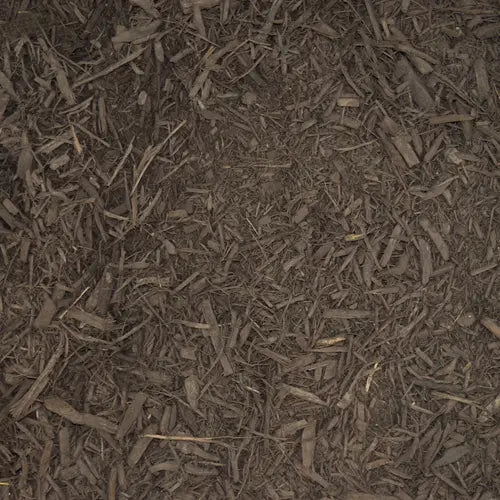
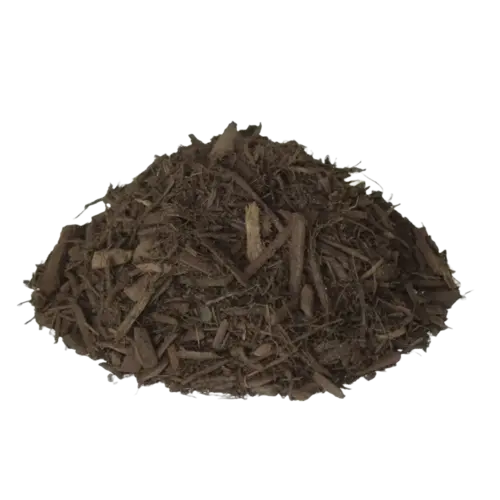
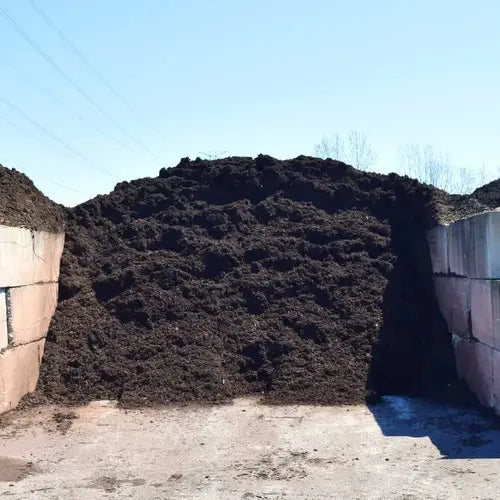
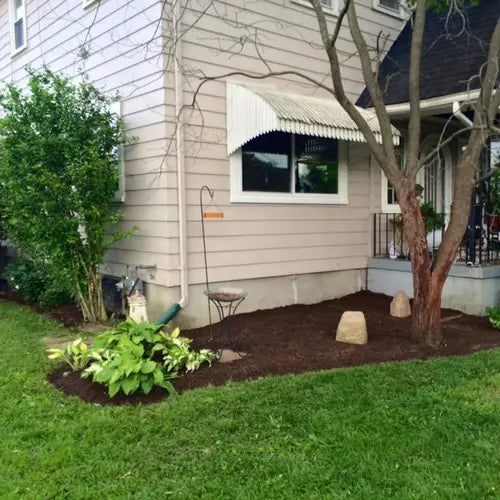
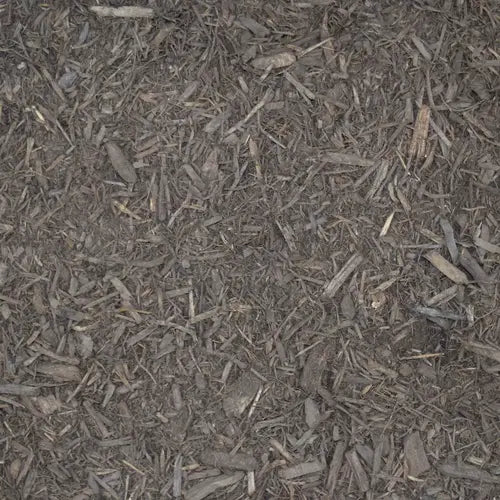
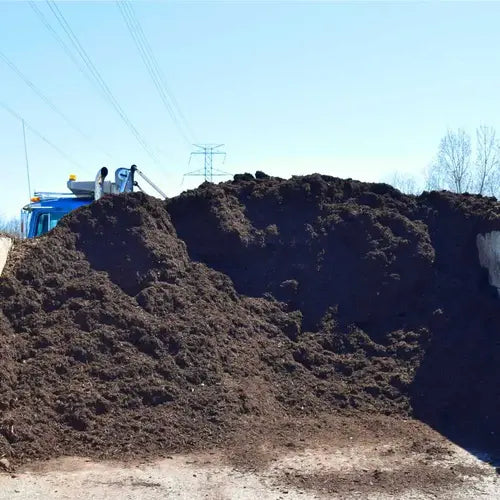
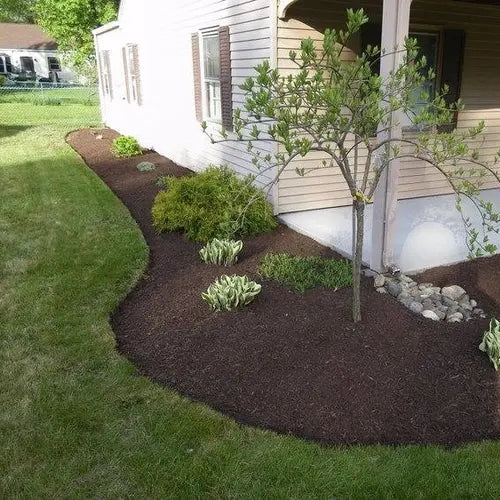
Warm brown double shredded mulch with lasting color that looks freshly applied for weeks. Spreads smooth, stays put, and gives beds a natural, polished appearance.
Delivery was smooth and on time!
The triple shredded mulch was great quality and just what we were looking for.
Tell us what you're looking for
Thanks! We received your request.
Something went wrong. Please try again.
How Much Material Do I Need?
How Much Material Do I Need?
Evans's sandy soil calls for a minimum of 3 inches of mulch across all planting beds, with 4 inches recommended in full-sun areas that see intense heat from late spring through early fall. Going thinner than 3 inches rarely provides enough insulation and moisture retention to make a measurable difference on a sandy-soil site.
Use our free mulch calculator
What is a yard?
What is a yard?
FAQs
FAQs
Evans Mulch Delivery
Evans Mulch Delivery
Regular price
$64.00
per
yard
Regular price
Sale price
$64.00
Unit price
per
Shipping calculated at checkout.
Minimum of 3 yard
Couldn't load pickup availability
Not currently available
We can't take orders for this right now. Tell us what you need and we'll get back to you.
Hand-picked local yards
4,000+ regional deliveries
Dedicated support
Why order through Mulch Mound
The best local mulch, without the guesswork.
We hand-pick and partner with the best yards in your region, keep only the ones our buyers rate well, and back each load with our guarantee.
Mulch Mound Guarantee
If your mulch isn't the quantity or quality you ordered, we'll make it right.
About this mulch
Warm brown double shredded mulch with lasting color that looks freshly applied for weeks. Spreads smooth, stays put, and gives beds a natural, polished appearance.
Delivery was smooth and on time!
The triple shredded mulch was great quality and just what we were looking for.
How Much Material Do I Need?
How Much Material Do I Need?
Evans's sandy soil calls for a minimum of 3 inches of mulch across all planting beds, with 4 inches recommended in full-sun areas that see intense heat from late spring through early fall. Going thinner than 3 inches rarely provides enough insulation and moisture retention to make a measurable difference on a sandy-soil site.
Use our free mulch calculator
What is a yard?
What is a yard?
FAQs
FAQs
Tell us what you're looking for
Thanks! We received your request.
Something went wrong. Please try again.

How It Works
Getting started is easy — just follow these simple steps
1
Choose your Mulch
Make sure you adjust the quantity to your home's needs. You can use our calculator to estimate how much you'll need.
2
Select your delivery date
Select a delivery date you'd like for the product to be dropped off at your home
3
Sit back and wait
Sit back, wait, and let us work our magic to make sure the highest quality product is delivered to your driveway.

Great experience with mulch mound. Their online calculator made it easy to estimate how many yards of mulch I needed and delivery was quick. I woul...
Read full review
Great experience with mulch mound. Their online calculator made it easy to estimate how many yards of mulch I needed and delivery was quick. I would definitely recommend them for your future projects.

We needed mulch for our HOA common areas. Local providers were all holding high prices even for 40 yards of mulch. Mulch mound was easy to wowith...
Read full review
We needed mulch for our HOA common areas. Local providers were all holding high prices even for 40 yards of mulch. Mulch mound was easy to wowith & has great price for natural mulch + delivery schedule options. They called before delivery to ensure Delivery was exactly where we wanted it.
Calculate mulch for your Evans project
For Evans's Sandy type of soil, we recommend 2-3 inches for best weed suppression and moisture retention
Try Our CalculatorTo estimate how much mulch you need for your Evans beds, measure the length and width of each area in feet and multiply to get square footage, then use a depth of 3 inches as your baseline given how quickly Evans's sandy soil loses moisture. One cubic yard of mulch covers roughly 108 square feet at 3 inches deep, so divide your total square footage by 108 to get your cubic yard estimate. It is better to round up slightly since sandy soil conditions in Evans reward a thorough application.

Best Mulch Choice for Evans Lawns
Most yards in the Evans area sit on Sandy type of soil. Evans's sandy soil has low organic matter content and limited ability to hold moisture between rain events, which means bare beds dry out quickly and plant roots struggle to access consistent hydration. Adding mulch over sandy soil is one of the most direct ways to compensate for these native conditions without major soil replacement.
Hardwood Mulch
Hardwood mulch is particularly well-suited to Evans's sandy soil because as it decomposes it adds organic matter that improves the soil's ability to hold both nutrients and moisture over time. Each season's decomposed layer builds on the last, gradually improving the structure of the sandy soil beneath and reducing the extremes of the wet-dry cycle that Evans gardens experience throughout the long growing season.
Mulch Types We Deliver in Evans
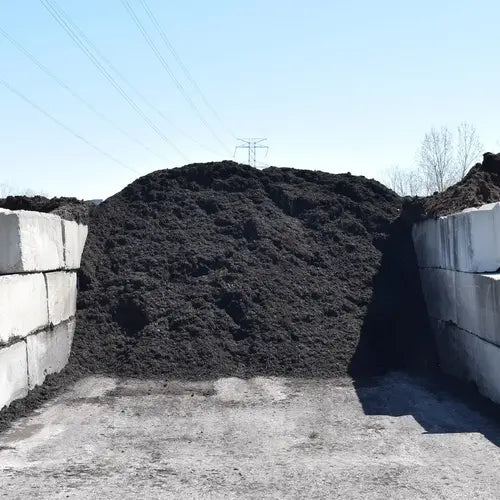
Whether you are refreshing a front bed or tackling a full backyard project, bulk mulch delivery in Evans makes it simple to get the cubic yards you need in a single drop. The warm, humid Georgia climate means beds dry out quickly and weeds push hard through the growing season, so a thick layer of quality mulch pays off fast. We deliver directly to your driveway so you can get to work the same day.
Dyed Black Mulch
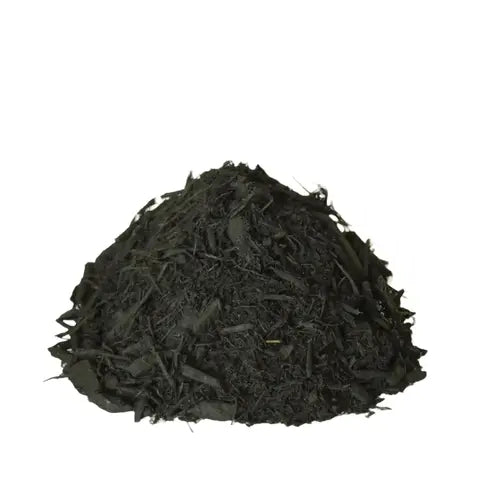
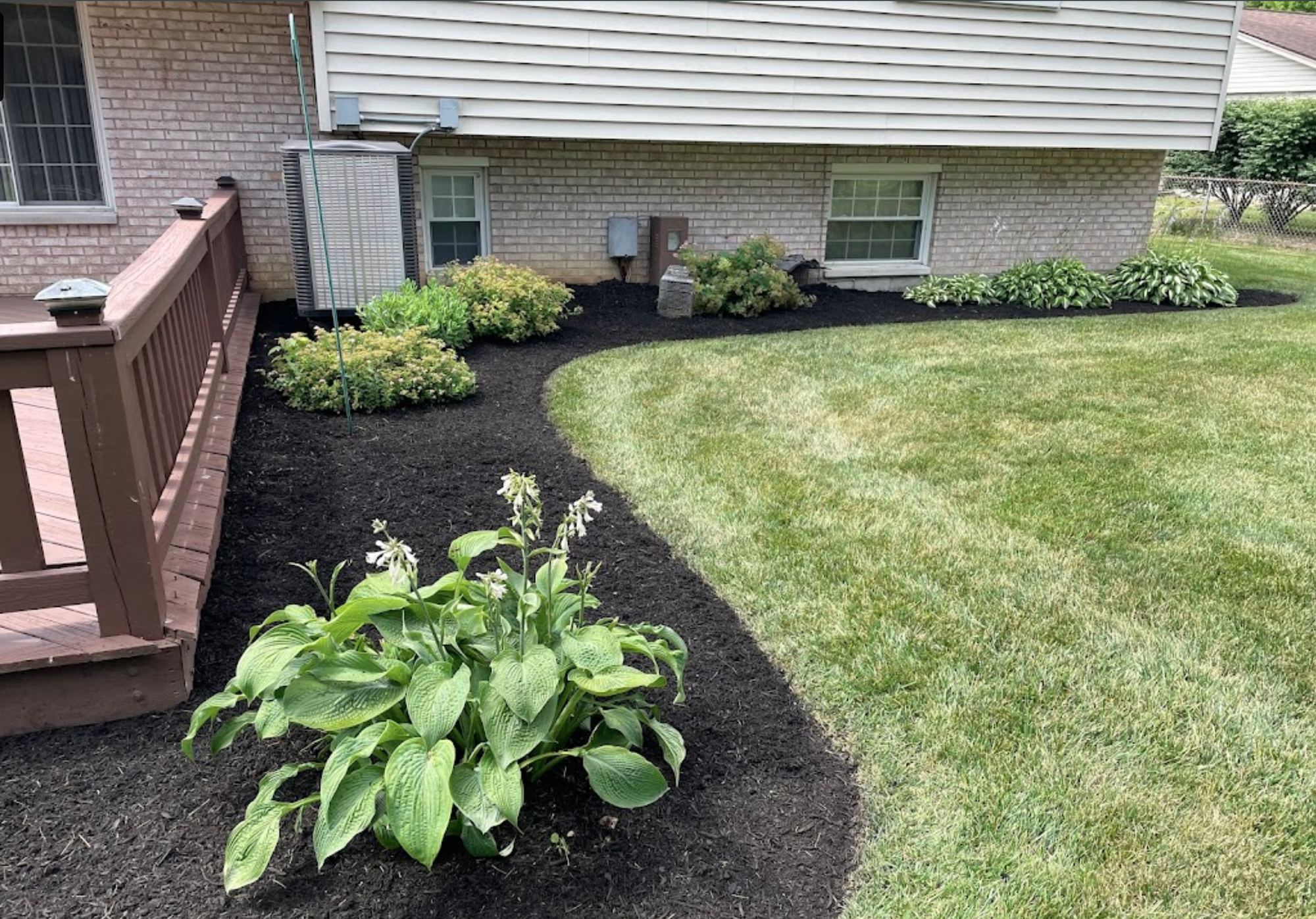
Bold black double shredded mulch that makes green shrubs and bright annuals stand out against a crisp, dark backdrop. A popular choice for homeowners in the Evans area who want a high-contrast, manicured look, and the rich color holds strong through humid Georgia summers and frequent afternoon rain.
Dyed Brown Mulch
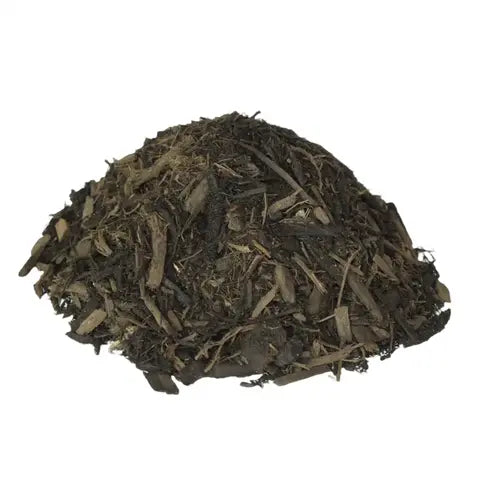
Warm brown double shredded mulch with a lasting color that looks freshly applied for weeks at a time. This variety pairs naturally with the brick and earth-toned exteriors common to this part of Georgia, spreads smooth, and stays put through the wind and heavy rains the region sees.
Natural Brown Mulch
Undyed double shredded mulch with an honest, earthy tone that comes straight from the wood itself. A great fit for beds where an organic, understated appearance is preferred, and the smooth texture spreads cleanly over the clay-heavy soils typical of the Evans area while helping retain moisture between waterings.
Complete Your Outdoor Mulch Project
If your beds have been struggling despite regular mulching, our bulk garden soil is formulated to address the nutrient and organic matter deficiencies common in Evans's sandy native soil, and adding it before you mulch sets the foundation for healthier plants. Our decorative stone options also pair well with mulch beds for defined edging and drainage channels that help manage water flow during Evans's heavier rain events.


Mulch Mound Pro Tip
Evans homeowners who have sandy soil under their mulch often notice that the mulch seems to disappear faster than expected. That is partly because sandy soil pulls organic material downward as it decomposes, which is actually beneficial for long-term soil health but means your visual coverage thins out faster. Make it a habit to check mulch depth with a ruler each spring after the March 22 frost date and add a top-dress layer if you are below 2.5 inches.
Mulch Mound Pro Tip
Color selection matters more in Evans than many homeowners realize. Dark mulches like black or dark brown absorb more heat from the sun during Evans's long summers, which can slightly elevate soil temperatures in shallow-rooted beds. If you have heat-sensitive plants, a natural hardwood or pine bark mulch with a lighter tone will keep the bed environment cooler while still delivering excellent weed suppression and moisture retention throughout the growing season.
Mulch Mound Pro Tip
With 45 inches of annual rainfall distributed across Evans's growing season, mulch plays a dual role that is easy to overlook. It slows the impact of heavy raindrops hitting bare sandy soil, which reduces surface compaction and erosion in your beds. Without that protective layer, a single hard Evans thunderstorm can compact the top layer of sandy soil enough to create a crust that actually repels subsequent moisture rather than absorbing it.
The Unique Landscape of Evans
Evans sits in the heart of Columbia County with sandy soil that sheds water quickly and struggles to hold nutrients through the long Zone 8b growing season. Without a proper mulch layer, plant beds here dry out between rain events even with the region's 45 inches of annual rainfall, because sandy soil simply cannot retain moisture the way heavier loam or clay-based soils can. The stretch from last frost in late March through first frost in early November gives Evans homeowners nearly seven and a half months of active growing, which also means weeds have an extraordinarily long window to establish themselves in unprotected beds. Hot Augusta-area summers routinely push soil temperatures to levels that stress shallow roots, and a consistent mulch layer acts as insulation that keeps those temperatures manageable through July and August. Choosing the right mulch and applying it correctly is one of the highest-impact decisions an Evans homeowner can make for the long-term health of their landscape.