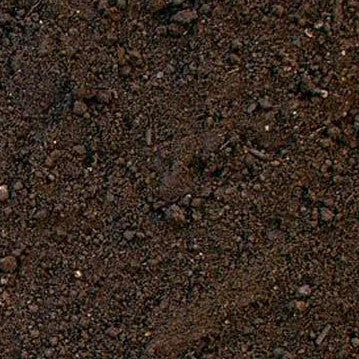
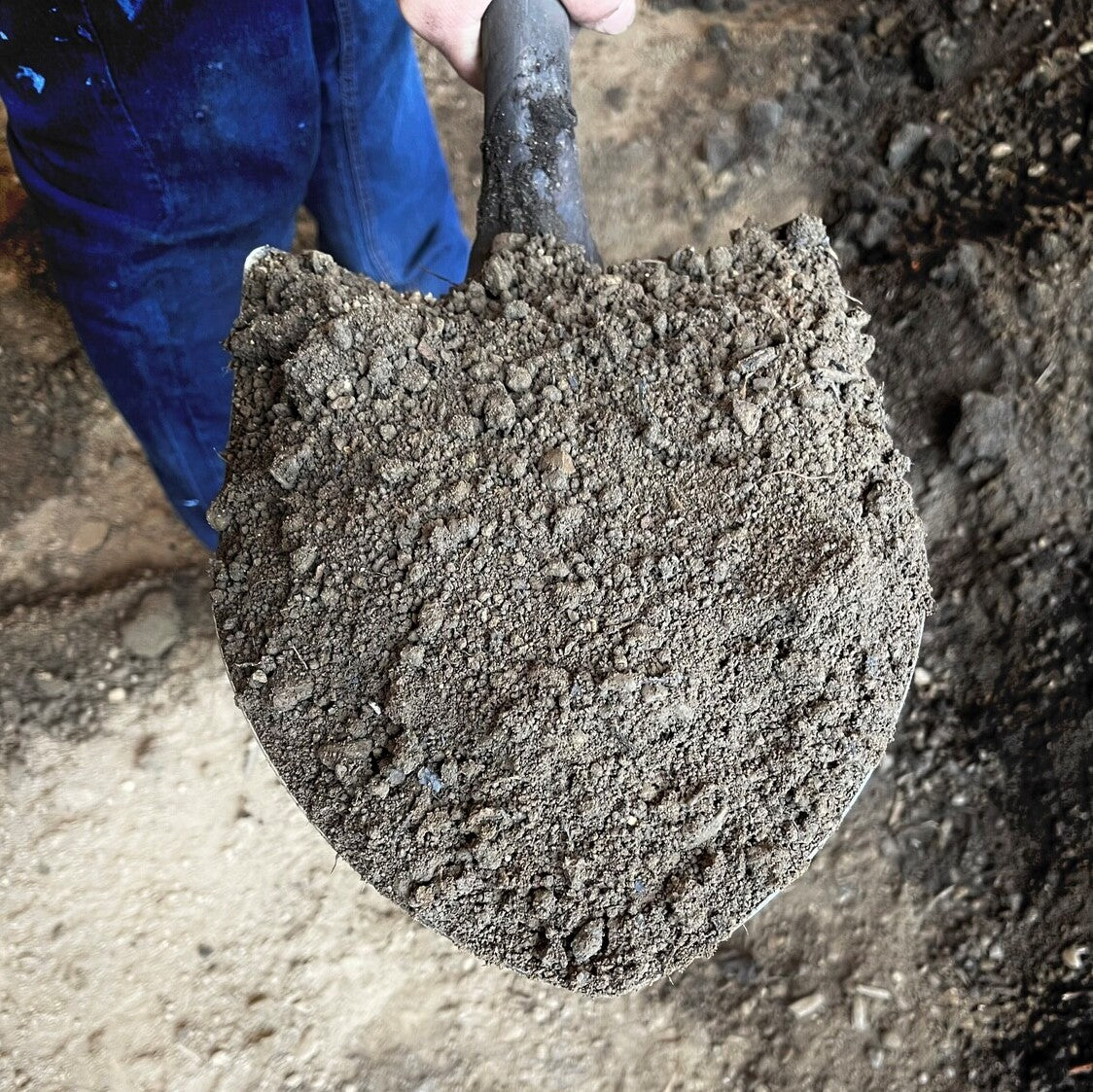
Quality topsoil for lawns, gardens, and landscape projects. Nutrient rich and ready to support strong root development and healthy plant establishment.
Great experience - not only was this the most affordable option for dirt delivery in Cleveland heights, but the delivery was fast and friendly. Got exactly what I needed and the truck got as close as possible to where I needed the dirt - even in my cramped driveway. Will be us...
Tell us what you're looking for
Thanks! We received your request.
Something went wrong. Please try again.
How Much Material Do I Need?
For new garden beds in Evans, a minimum of 6 inches of quality imported soil over the native sandy base gives roots the structure and nutrition they need to thrive through the full Zone 8b growing season. Lawn leveling applications typically call for thinner passes of 1 to 2 inches spread over the low area and worked gently into the existing turf.
Use our free soil calculator
What is a yard?
A yard is approximately 27 cubic feet. As a general guideline, one yard of material can cover an area of about 100-160 square feet at a 2-3 inch depth.
We can't take orders for this right now. Tell us what you need and we'll get back to you.
What do you need?
Thanks! We received your request.
Something went wrong. Please try again.
Hand-picked local yards
4,000+ regional deliveries
Dedicated support
Why order through Mulch Mound
The best local soil, without the guesswork.
We hand-pick and partner with the best yards in your region, keep only the ones our buyers rate well, and back each load with our guarantee.
Mulch Mound Guarantee
If your soil isn't the quantity or quality you ordered, we'll make it right.
About this soil
Quality topsoil for lawns, gardens, and landscape projects. Nutrient rich and ready to support strong root development and healthy plant establishment.
Great experience - not only was this the most affordable option for dirt delivery in Cleveland heights, but the delivery was fast and friendly. Got exactly what I needed and the truck got as close as possible to where I needed the dirt - even in my cramped driveway. Will be us...
How Much Material Do I Need?
For new garden beds in Evans, a minimum of 6 inches of quality imported soil over the native sandy base gives roots the structure and nutrition they need to thrive through the full Zone 8b growing season. Lawn leveling applications typically call for thinner passes of 1 to 2 inches spread over the low area and worked gently into the existing turf.
Use our free soil calculator
What is a yard?
A yard is approximately 27 cubic feet. As a general guideline, one yard of material can cover an area of about 100-160 square feet at a 2-3 inch depth.
Great experience - not only was this the most affordable option for dirt delivery in Cleveland heights, but the delivery was fast and friendly. Got...
Read full review
Great experience - not only was this the most affordable option for dirt delivery in Cleveland heights, but the delivery was fast and friendly. Got exactly what I needed and the truck got as close as possible to where I needed the dirt - even in my cramped driveway. Will be using again and recommending to my neighbors.
For Evans lawn leveling and garden bed projects, measure your area in square feet and decide on your desired depth in inches before ordering. Sandy native soil in Evans compresses minimally under a new soil layer, so your calculations will be fairly accurate without a large adjustment factor. One cubic yard fills 324 square feet at 1 inch deep or 108 square feet at 3 inches deep, so build your order around those benchmarks.
Soil Types We Deliver in Evans
Mulch Mound delivers bulk topsoil by the yard in Evans, making it easy to fill raised beds, level lawns, or prepare new planting areas without hauling bags from the store. We sell by the cubic yard so homeowners and landscapers can order exactly what their project requires. Whether you are establishing a new lawn or refreshing tired garden beds, our soil delivery in Evans puts quality material right where you need it.
Screened Top Soil
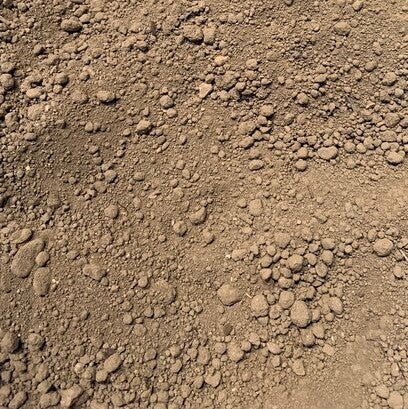
Our screened topsoil is sifted to remove rocks, roots, and large debris, leaving a fine, workable texture that blends smoothly into the clay-heavy ground common throughout the Evans area. It is nutrient rich and ideal for lawn repairs, garden beds, and new landscape installations where strong root development and healthy plant establishment matter most.
Complete Your Outdoor Soil Project
After your soil is in place, finishing with a quality mulch layer from our inventory protects Evans's nutrient-rich surface soil from washing away during heavy summer rains and keeps the bed environment consistent for root growth. Our decorative stone selection is also worth exploring for defining bed edges and creating drainage paths that protect your new soil investment during Evans's wetter months.
My Evans yard is mostly sandy soil. Will adding bulk topsoil actually make a long-term difference?
Yes, adding quality topsoil to sandy soil in Evans creates a meaningful improvement, especially when you incorporate it rather than simply layering it on top. Sandy soil has very low organic matter and minimal capacity to hold nutrients, which means plants stay hungry even with regular fertilization. Blending in topsoil or garden mix amends the structure and gives roots a better medium to work with through the long Evans growing season from late March through early November.
Answer
How much soil do I need to raise a garden bed by about 4 inches in Evans?
Measure the length and width of your bed in feet, multiply to get square footage, then multiply by 0.33 to convert 4 inches to feet and get your cubic footage. Divide that number by 27 to convert to cubic yards. For example, a 10 by 12 foot bed raised 4 inches needs roughly 1.5 cubic yards. Evans's sandy native base means you do not lose much to compaction during installation, so your estimate should be fairly accurate without adding a large buffer.
Answer
When is the best time to bring in soil for new garden beds in Evans?
The ideal window for new bed installation in Evans is late February through mid-March, just before the last frost around March 22, so you can plant almost immediately after the bed is established. Fall is also excellent, with the window between mid-October and early November giving beds time to settle before the first frost around November 2. Avoid working soil during July and August when heat and dry conditions make establishment harder on new plants.
Answer
Can I use bulk soil to level out low spots in my Evans lawn that collect water after rain?
Bulk soil is one of the most effective ways to address low spots in Evans lawns that pool after the region's frequent summer thunderstorms. For minor depressions, a sandy-loam blend that matches the existing soil texture is best so the repair area drains at a consistent rate with the surrounding yard. Apply in thin layers of no more than an inch at a time over existing turf if you want the grass to grow through, or strip the area, fill, and re-sod for larger problem zones.
Answer
Does Evans's annual rainfall affect how I should prepare a soil bed for vegetables?
Evans's 45 inches of annual rainfall is enough to keep vegetable gardens productive without constant irrigation, but it also means drainage matters a great deal. A well-structured soil mix with adequate organic matter will absorb and hold the right amount of water while letting excess drain through freely. If you are building a raised bed, choose a mix with compost and loam as the primary components and avoid mixes that are too heavy, which will stay waterlogged after rain events and suffocate vegetable roots.
Answer
Should I add anything to bulk soil before planting in Evans?
Quality bulk topsoil or garden mix is ready to plant in for most applications in Evans, but adding a starter fertilizer before your first planting helps compensate for the fact that bulk soils are rarely pre-loaded with nutrients. Given that Evans's sandy native soil is already nutrient-poor, giving new plants a head start with a slow-release granular fertilizer worked into the top few inches is a smart practice. This is especially important for vegetable beds where nutrient demands are high through the long Zone 8b growing season.
Answer
How do I keep bulk soil from washing away in my Evans yard during heavy rains?
Newly placed bulk soil is vulnerable to erosion during the heavy thunderstorms Evans receives from spring through early fall. The best protection is to cover fresh soil with mulch as soon as grading is complete, which slows rain impact and holds the surface in place through storm events. For slopes, a temporary cover crop of fast-germinating rye grass can stabilize the surface within a few weeks and protect the investment you made in quality imported soil.
Mulch Mound Pro Tip
Evans homeowners who bring in bulk soil for raised vegetable beds often underestimate how much the material will settle in the first few weeks after installation. Sandy soil below provides little resistance, and the weight of fresh topsoil compresses air pockets out of the mix over time. Overfill your beds by about 10 to 15 percent of your target depth at installation and let the material settle to the right level before you begin planting seriously.
Mulch Mound Pro Tip
Timing your soil delivery around Evans's rain forecast makes the project significantly easier. Fresh bulk soil that gets rained on within 24 hours of delivery can become very heavy and difficult to spread evenly across a lawn or bed. If you can plan delivery for a dry window of two to three days, the material stays loose and workable, which makes grading and leveling much less labor-intensive especially for larger projects.
Mulch Mound Pro Tip
If your Evans landscape slopes toward your home's foundation, be thoughtful about where you add bulk soil. Adding volume to already-sloped areas without proper grading can redirect water toward your structure rather than away from it. Use a simple level and string line to confirm your grade is moving water away from the foundation before calling the project complete, then protect the newly graded surface with mulch or stone to hold it in place through Evans's rainy season.
The Unique Landscape of Evans
Evans homeowners working with native sandy soil quickly discover that it lacks the structure, organic matter, and nutrient-holding capacity needed to support healthy lawns, garden beds, and landscaping projects. Sandy soil in this part of Columbia County drains quickly after rain but also compacts under foot traffic in ways that make it difficult for grass and plant roots to establish a strong foothold. With nearly 45 inches of rain per year moving through that sandy profile, nutrients leach downward before roots can capture them, leaving plants consistently undersupplied through the growing season. Imported bulk topsoil or blended garden soil allows you to build the foundation that Evans's native soil simply cannot provide on its own. Whether you are grading a new lawn area, filling raised beds, or topping off low spots that collect standing water after heavy summer storms, quality soil delivers results that working with native sandy soil alone rarely achieves.