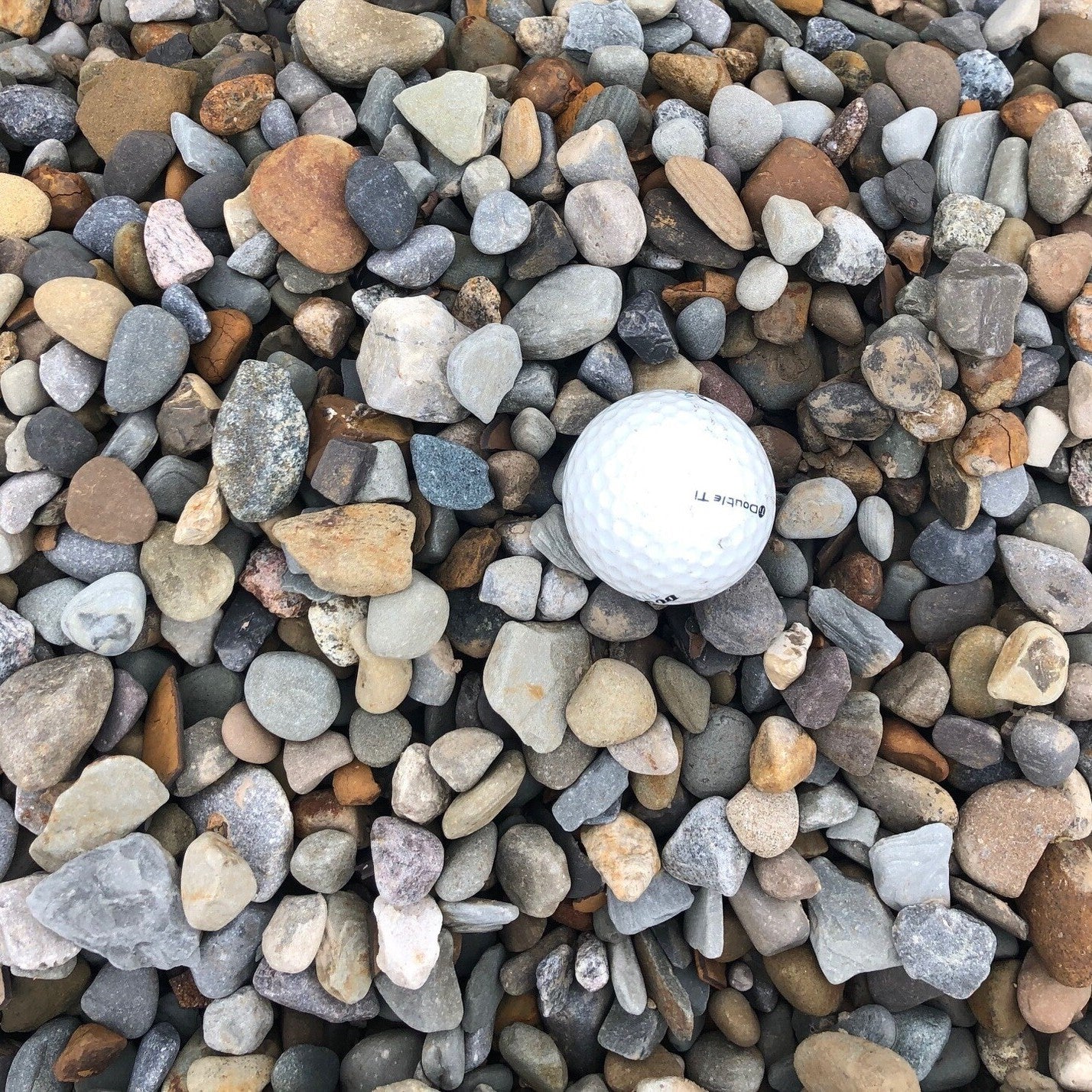
Number 57 crushed stone, angular limestone graded to about three quarters of an inch. The standard driveway, base and drainage gravel, it locks together under traffic and drains fast.
Mulch Mound delivered a yard of pea gravel to us. Delivery was on time, driver was friendly and hit a bullseye on the “tarp target”. We used the pea gravel (which was diameter as specified) to fill several muskrat holes around our pond. I would definitely recommend Mulch Mo...
Tell us what you're looking for
Thanks! We received your request.
Something went wrong. Please try again.
How Much Material Do I Need?
For pathways and decorative beds in Evans, 3 to 4 inches of stone over landscape fabric provides durable coverage that resists washout from summer rain events and does not sink significantly into the sandy soil base. Foundation borders and drainage channels benefit from a slightly deeper 4-inch application to handle water volume during the heavier storms Evans receives through the warm months.
Use our free gravel calculator
What is a yard?
A yard is approximately 27 cubic feet. As a general guideline, one yard of material can cover an area of about 100-160 square feet at a 2-3 inch depth.
We can't take orders for this right now. Tell us what you need and we'll get back to you.
What do you need?
Thanks! We received your request.
Something went wrong. Please try again.
Hand-picked local yards
4,000+ regional deliveries
Dedicated support
Why order through Mulch Mound
The best local stone, without the guesswork.
We hand-pick and partner with the best yards in your region, keep only the ones our buyers rate well, and back each load with our guarantee.
Mulch Mound Guarantee
If your stone isn't the quantity or quality you ordered, we'll make it right.
About this stone
Number 57 crushed stone, angular limestone graded to about three quarters of an inch. The standard driveway, base and drainage gravel, it locks together under traffic and drains fast.
Mulch Mound delivered a yard of pea gravel to us. Delivery was on time, driver was friendly and hit a bullseye on the “tarp target”. We used the pea gravel (which was diameter as specified) to fill several muskrat holes around our pond. I would definitely recommend Mulch Mo...
How Much Material Do I Need?
For pathways and decorative beds in Evans, 3 to 4 inches of stone over landscape fabric provides durable coverage that resists washout from summer rain events and does not sink significantly into the sandy soil base. Foundation borders and drainage channels benefit from a slightly deeper 4-inch application to handle water volume during the heavier storms Evans receives through the warm months.
Use our free gravel calculator
What is a yard?
A yard is approximately 27 cubic feet. As a general guideline, one yard of material can cover an area of about 100-160 square feet at a 2-3 inch depth.
Mulch Mound delivered a yard of pea gravel to us. Delivery was on time, driver was friendly and hit a bullseye on the “tarp target”. We used the ...
Read full review
Mulch Mound delivered a yard of pea gravel to us. Delivery was on time, driver was friendly and hit a bullseye on the “tarp target”. We used the pea gravel (which was diameter as specified) to fill several muskrat holes around our pond. I would definitely recommend Mulch Mound to a friend!
To estimate stone for a pathway or decorative area in Evans, measure your length and width in feet and choose your desired depth before ordering. For 3 inches of coverage over a sandy Evans soil base, you will need roughly 1 cubic yard per 100 square feet. Because stone does not compress the way soil does, your calculations will be accurate with very little adjustment needed, though rounding up by 5 to 10 percent ensures you have enough to finish edges cleanly.
Stone Types We Deliver in Evans
If you are searching for bulk gravel by the yard in Evans, Mulch Mound delivers natural stone directly to your driveway or project site. Homeowners in this part of Georgia often work with dense red clay soil, and placing stone thoughtfully can improve drainage, define outdoor spaces, and boost curb appeal. We sell by the cubic yard so every delivery is sized to fit your specific project, large or small.
Pea Gravel
Pea Gravel is a smooth, rounded stone in warm natural earth tones that works beautifully along walkways, around patios, and in drainage beds. Georgia's humid climate makes proper drainage a real concern, and pea gravel allows rainwater to pass through clay-heavy soil while keeping yards looking clean and well-finished year round.
Complete Your Outdoor Stone Project
Stone areas look their sharpest when bordered by well-defined mulch beds, and our bulk mulch options complement stone installations beautifully in Evans yards with high curb appeal goals. If your project involves grading or bed building before stone installation, our bulk soil products can help you establish the correct slope and base depth before the stone goes down.
Evans homeowners installing dry creek beds or drainage stone channels should trace the actual water flow path in their yard during a rain event before committing to a design. Sandy soil can create unexpected surface channels during heavy storms, and installing stone along the observed water path produces a far more functional result than guessing at drainage patterns. Take 10 minutes to watch your yard during the next significant Evans thunderstorm and mark the actual flow lines before you place your order.
Mulch Mound Pro Tip
Landscape fabric under decorative stone is not optional in Evans. Sandy soil has a way of blending with small stone over time as rain events work fine particles upward and stone settles downward, eventually creating a muddy mix that ruins the appearance of the installation. A quality woven geotextile fabric separates the layers permanently and keeps your stone installation looking clean and defined through years of Evans's wet-dry weather cycles.
Mulch Mound Pro Tip
If you are using stone around trees or large shrubs in your Evans landscape, leave a ring of mulch directly around the base of each plant rather than running stone all the way to the trunk. Stone retains significant heat during Evans summers and can stress root zones when packed tightly against a plant. A 12 to 18 inch mulch ring inside a stone border gives the plant the moisture buffer it needs while keeping the overall bed design looking polished and intentional.
The Unique Landscape of Evans
Stone is one of the most practical landscaping materials for Evans homeowners because it solves several problems created by the local combination of sandy soil, heavy summer rain events, and a long growing season that makes low-maintenance areas difficult to achieve with organic groundcovers. Sandy soil in Evans is prone to erosion along pathways, drainage channels, and slopes where foot traffic or water flow removes the loose surface material over time. Stone placed in these areas creates a permanent, stable surface that does not wash away or require annual refreshing the way mulch does. Evans's summer thunderstorm pattern means that water management is a real concern for most properties, and decorative stone in drainage paths, dry creek beds, and foundation borders helps direct that water where you want it to go. A well-designed stone feature in an Evans landscape also reduces the area that requires regular mowing, edging, and bed maintenance through the active growing season.
Frequently Asked Questions
Click a question to see the answer
Answer
What size stone works best for a walking pathway in an Evans yard?
For a comfortable and stable walking surface in an Evans yard, crushed stone in the 3/4-inch to 1-inch range provides good drainage and packs down enough to create a firm footing over time. Pea gravel is another popular choice for curved or casual pathways and works well over Evans's sandy base because it does not require the deep compacted sub-base you would need over clay soil. For stepping stone paths, larger flat pieces work well with small crushed stone packed around them to stabilize each piece.
Answer
Can stone help with the drainage problems I have in my Evans yard?
Stone is one of the most effective tools for managing drainage in Evans landscapes, particularly given the heavy afternoon thunderstorms the area receives through summer and early fall. A dry creek bed filled with river rock or larger rounded stones can channel water from a problem area to a lower point on the property without eroding the sandy soil along the path. Even a simple trench of clean crushed stone along a fence line or foundation can intercept and redirect surface water before it pools or causes damage.
Answer
Will stone get too hot to walk on barefoot during Evans summers?
Dark-colored stones like black slate or dark granite do retain significant heat in direct sun during Evans's peak summer months from June through August, which can make barefoot traffic uncomfortable. Lighter-colored options like tan river rock, white marble chips, or buff-colored crushed stone reflect more sunlight and stay noticeably cooler underfoot. If the path or patio area will receive afternoon sun during summer, choosing a lighter stone color is a practical decision for day-to-day comfort.
Answer
How deep should I lay stone for a pathway in Evans to prevent it from sinking into the sandy soil?
Evans's sandy soil provides less resistance to downward pressure than heavier soils, so pathways benefit from a slightly deeper stone bed than you might use in other regions. A depth of 4 inches for smaller crushed stone or pea gravel is generally sufficient when combined with landscape fabric underneath to prevent migration into the sandy base. For areas with heavier foot traffic, 4 to 6 inches with fabric will hold up well through Evans's seasonal wet-dry cycles and the mild freeze events that occur between November and March.
Answer
What is the best stone option for replacing a patch of lawn with a low-maintenance area in my Evans backyard?
For replacing a patch of lawn with a low-maintenance stone area in Evans, a combination of landscape fabric topped with 3 to 4 inches of a medium decorative gravel works very well. River rock in the 1 to 2 inch range has a natural appearance that complements the wooded character of many Evans neighborhoods and stays in place through the region's heavy rain events better than smaller gravel. The key in Evans is to use a quality woven landscape fabric rather than thin plastic sheeting, because the fabric allows the sandy soil to drain freely while blocking weed growth.
Answer
Does stone help protect my home's foundation from water damage given how much it rains in Evans?
A stone border along a foundation is an excellent water management strategy for Evans homes. Placing a band of crushed stone or river rock against the foundation creates a permeable buffer zone that absorbs rain falling off the roof edge and directs it downward and away before it can pool against the siding or migrate toward the foundation. Evans's 45 inches of annual rainfall and the frequency of sudden heavy storms make foundation protection a real priority, and stone is a more durable long-term solution than mulch, which can hold moisture against a foundation if placed too close.
Answer
How do I keep decorative stone from spreading into my lawn in Evans over time?
Edge containment is the key to keeping decorative stone in place, and this is especially true in Evans where sandy soil does not grip the edges of stone beds the way heavier soils do. Metal landscape edging installed at least 4 inches deep around the perimeter of stone areas provides the most reliable containment and handles the expansion and contraction from Evans's seasonal temperature swings without cracking. Plastic edging is a lower-cost option that works for casual areas but tends to shift over time as the ground moves through Evans's wet and dry cycles.
Answer
Is crush and run the same as crusher run?
Crush and run and crusher run are the same product, crushed stone blended with fines that compacts into a firm base for driveways and paver projects. For Evans yards dealing with sandy soil and heavy runoff, our Crushed Stone #57 drains better and resists washout, making it the stronger choice for erosion prone paths and slopes.
Answer
Is there a stone yard near Evans?
Crushed Stone holds up well on Evans pathways and slopes, where sandy soil and heavy summer rain tend to wash loose surface material away. It is the same stone you would buy at a stone yard, but Mulch Mound delivers it by the cubic yard to your driveway or yard, so there is no quarry trip needed.