Mulch Mound made it so easy! So happy with the pricing, turn around time, delivery and product. I submitted my online order on a Thursday. The mulch was delivered to the designated location by a local landscape company at 8:30 a.m. the following Saturday morning. We had the...
Tell us what you're looking for
Thanks! We received your request.
Something went wrong. Please try again.
How Much Material Do I Need?
Plan for 3 to 4 inches of mulch depth in Fairfield planting beds to achieve meaningful moisture retention through the dry season. For pathways or decorative coverage with no plants, 2 inches is typically sufficient.
Use our free mulch calculator
What is a yard?
A yard is approximately 27 cubic feet. As a general guideline, one yard of material can cover an area of about 100-160 square feet at a 2-3 inch depth.
Mulch Mound made it so easy! So happy with the pricing, turn around time, delivery and product. I submitted my online order on a Thursday. The mulch was delivered to the designated location by a local landscape company at 8:30 a.m. the following Saturday morning. We had the...
How Much Material Do I Need?
Plan for 3 to 4 inches of mulch depth in Fairfield planting beds to achieve meaningful moisture retention through the dry season. For pathways or decorative coverage with no plants, 2 inches is typically sufficient.
Use our free mulch calculator
What is a yard?
A yard is approximately 27 cubic feet. As a general guideline, one yard of material can cover an area of about 100-160 square feet at a 2-3 inch depth.
Mulch Mound made it so easy! So happy with the pricing, turn around time, delivery and product. I submitted my online order on a Thursday. The mu...
Read full review
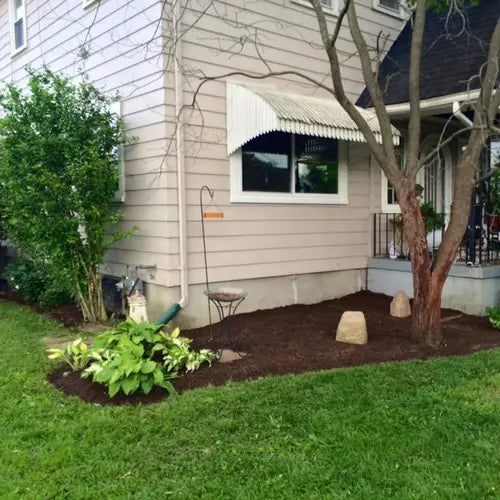
Mulch Mound made it so easy! So happy with the pricing, turn around time, delivery and product. I submitted my online order on a Thursday. The mulch was delivered to the designated location by a local landscape company at 8:30 a.m. the following Saturday morning. We had the job completed by that afternoon. We chose the natural brown mulch, and the plant beds are beautiful.
Good quality, great price, fast delivery. All online - no submitting forms and waiting for days for quotes. Getting mulch should be this easy fr...
Read full review
Good quality, great price, fast delivery. All online - no submitting forms and waiting for days for quotes. Getting mulch should be this easy from everyone. Only Mulch Mound is ACTUALLY this simple.
I highly recommend Mulch Mound. The quality of the mulch is very good. The ordering system on their website makes it very easy. The delivery driver...
Read full review
I highly recommend Mulch Mound. The quality of the mulch is very good. The ordering system on their website makes it very easy. The delivery driver did a great job placing the mulch on the driveway. To finish off, the pricing was very reasonable as well.
To estimate how much mulch you need, measure the length and width of each bed in feet and multiply them together to get square footage. Divide your total square footage by 100 and multiply by the number of inches of depth you want to get a rough cubic yard estimate. For Fairfield beds where you are targeting a 3 inch depth for summer protection, a common starting point is one cubic yard for every 100 square feet.
Mulch vs. No Mulch: The Difference
In Fairfield's Zone 9b climate, organic mulch breaks down faster than it would in cooler regions because the combination of summer heat and soil biology accelerates decomposition at the surface. This means organic options like wood chips and shredded bark need annual replenishment to maintain their protective depth. Non-organic options like decomposed granite or river rock do not break down but also do not add the organic matter that Fairfield's clay soil genuinely needs over time.
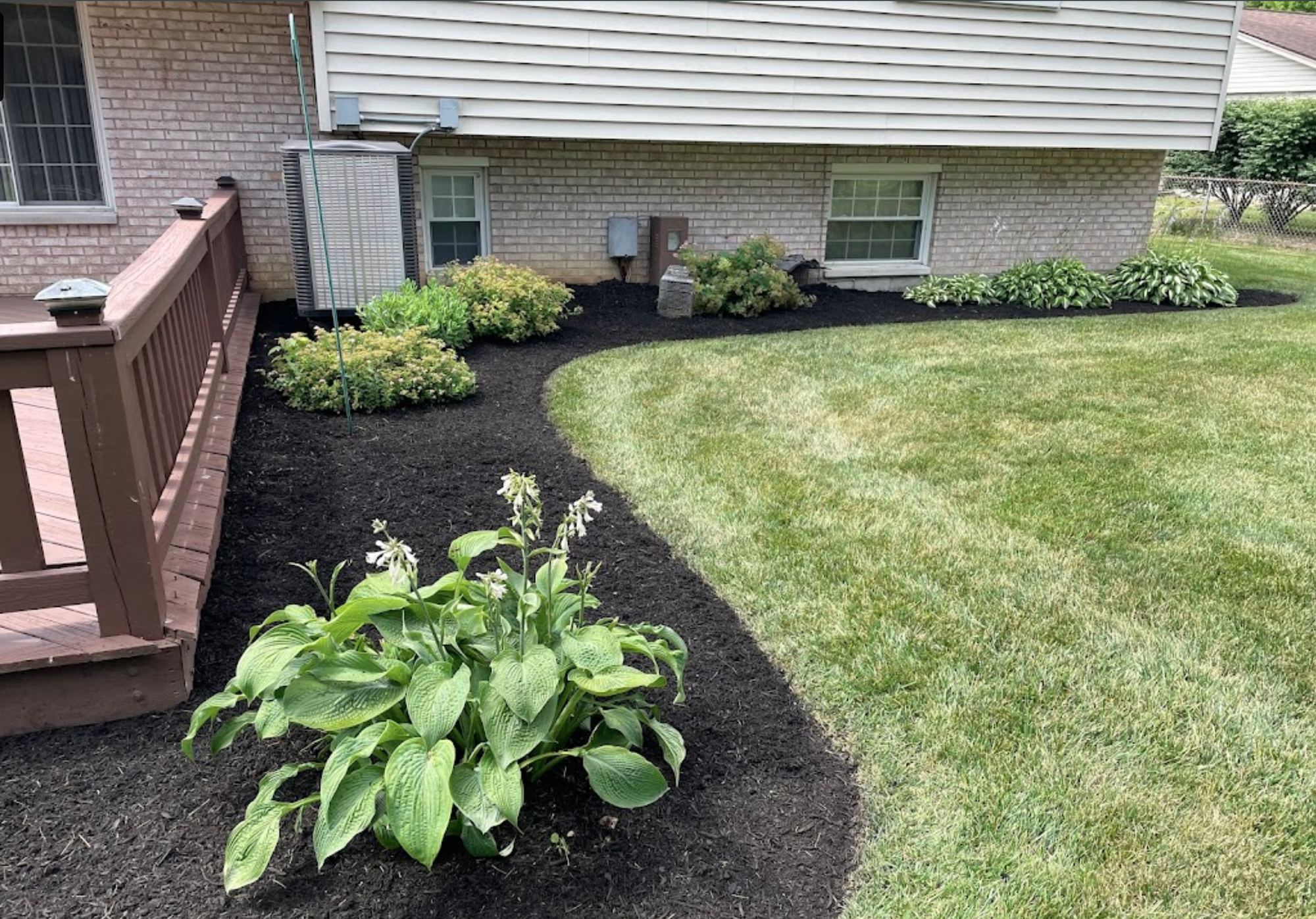
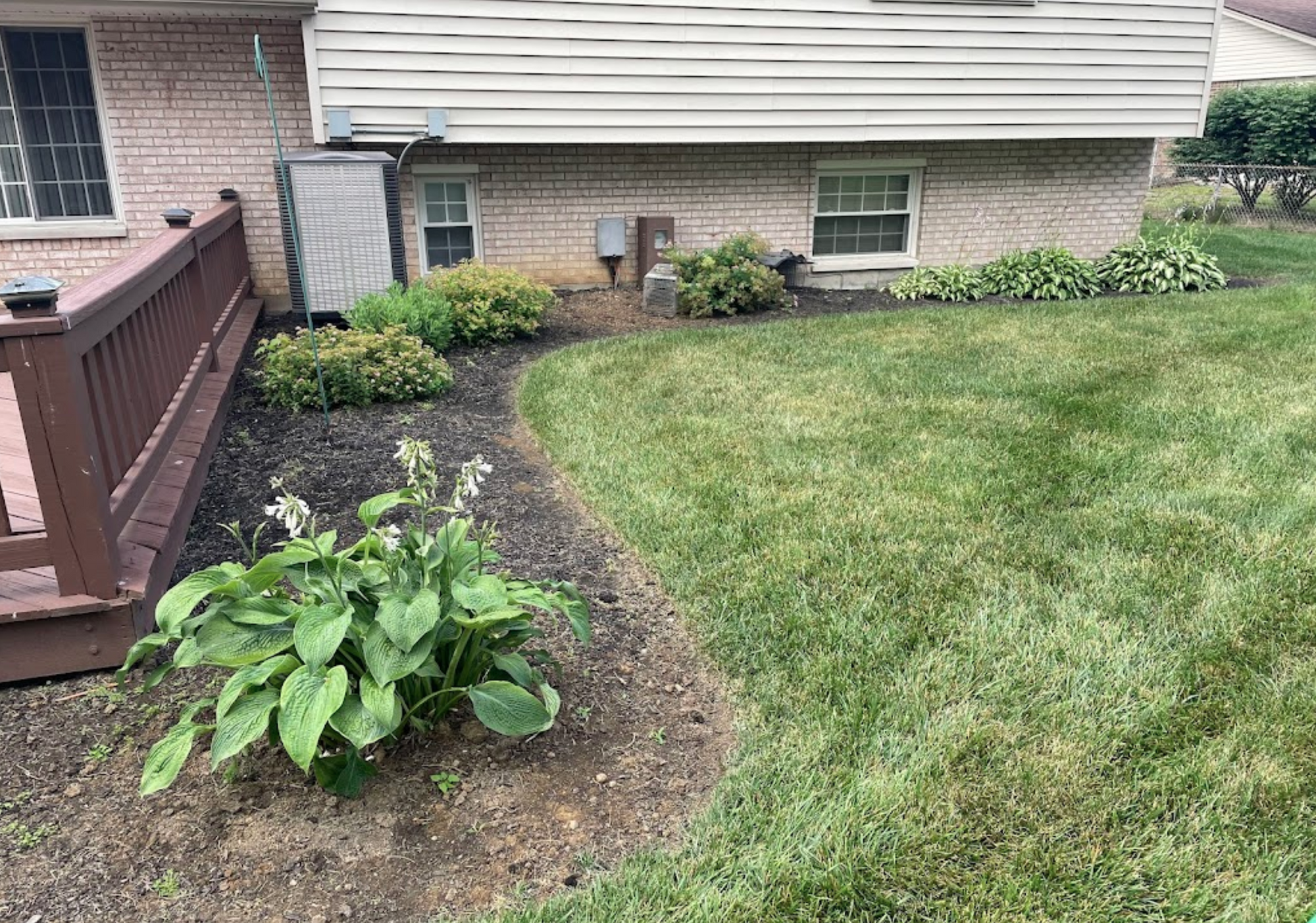
Before
After
Best Mulch Choice for Fairfield Lawns
Most yards in the Fairfield area sit on type of soil. Fairfield's clay soil is dense, slow to drain, and prone to compacting under foot traffic and irrigation, which means planting beds need mulch that can breathe while still retaining moisture. Choosing the wrong mulch texture for clay conditions can trap too much water near plant crowns during winter rains and create rot problems.
Hardwood Mulch
Hardwood mulch is particularly well suited to Fairfield's clay soil because as it decomposes it releases organic acids and fibrous material that physically open up clay particles and improve drainage over time. A consistent application of hardwood mulch each spring adds a measurable layer of organic matter to the soil each year, gradually shifting the heavy clay toward a more loamy texture that roots can penetrate more easily.
Complete Your Outdoor Mulch Project
Pairing mulch with a quality compost-amended soil gives Fairfield clay beds the organic matter they need to hold nutrients and drain more effectively. Consider adding a decomposed granite border or flagstone edging to keep bulk mulch from migrating during winter rain events.
Fairfield's clay soil becomes nearly impenetrable when it dries out completely in late summer, and watering on top of dry clay causes runoff rather than absorption. Before laying mulch in spring, water your beds deeply to saturate the clay profile first, then apply your mulch layer while the soil is still moist. This locks in that existing moisture from the start and gives your plants a head start before temperatures climb above 90 degrees in June and July.
Mulch Mound Pro Tip
Because Fairfield sits in a frost-light zone with a last frost around February 15, gardeners often get excited and mulch early-season beds in January or February while the soil is still cold. Resist the urge to mulch too thickly over dormant perennials before late February because thick mulch can insulate cold soil and actually delay spring warming that plants need to break dormancy. Wait until after the last frost date, then apply your full 3 inch layer to capture the season's first warmth while protecting against any late cold snaps.
Mulch Mound Pro Tip
Wind is a practical challenge for Fairfield homeowners since the Delta breeze that sweeps through Solano County can scatter lightweight mulch from beds and pathways. Choose a denser, heavier mulch product like shredded hardwood or large wood chips rather than fine bark fines if your yard is exposed to regular afternoon winds. Alternatively, use a light misting of water on fresh mulch after spreading it to help the pieces settle and interlock, which significantly reduces wind displacement in those first few days after delivery.
Frequently Asked Questions
Click a question to see the answer
Answer
How much mulch do I need to keep my Fairfield garden beds from drying out in summer?
For Fairfield's dry summers, a 3 to 4 inch layer of mulch is the recommended depth for ornamental beds and vegetable gardens. Anything shallower than 2 inches will evaporate quickly in the heat and provide minimal moisture retention. Because Fairfield can see stretches of 95 to 100 degree days without any rainfall from June through September, investing in a full 3 inch layer at the start of the season pays off significantly in reduced watering frequency.
Answer
Will mulch help with my cracked clay soil here in Fairfield?
Yes, mulch is one of the best tools for managing Fairfield's clay soil cracking. Clay contracts and opens deep fissures when it dries out during summer, and those cracks allow moisture to bypass the root zone and evaporate from deep in the soil profile. A thick mulch layer slows surface evaporation, which keeps the clay from drying out as rapidly and reduces the severity of cracking. Over time, organic mulches like wood chips also break down and add organic matter that gradually improves clay structure.
Answer
When is the best time of year to apply mulch in Fairfield?
The two best windows for mulch application in Fairfield are late February after the last frost around February 15 and again in late April before the heat ramps up. Applying in late February lets you protect new spring plantings before soil temperatures rise. A top-up application in April or early May gives your beds a fresh layer just before Fairfield's dry season begins, which is when moisture retention becomes critical for plant survival.
Answer
Does mulch attract pests or termites in Fairfield neighborhoods?
Termite pressure is a real concern in Solano County and it is smart to keep mulch pulled back 6 inches from your home's foundation and any wood siding or fence posts. Mulch itself does not cause termite infestations but it can create a moist, sheltered pathway that termites use to travel toward structures. Using inorganic mulch like crushed rock in the immediate 12 to 18 inches around your foundation and transitioning to wood mulch farther out in the bed is a practical compromise many Fairfield homeowners use.
Answer
How often should I replace or top up mulch in a Fairfield yard?
In Fairfield's climate, organic mulches typically need a top-up once per year. The dry summer heat accelerates decomposition on the surface layer while the brief wet season from December through February breaks down the lower layers. Most homeowners find their mulch compresses from 3 inches down to about 1 inch over the course of a year. Plan to order a fresh load each spring to restore the full protective depth before summer arrives.
Answer
What kind of mulch works best around my drought-tolerant plants and California natives?
For California native plantings and drought-tolerant landscapes in Fairfield, coarse wood chip mulch or shredded bark is an excellent choice. These materials allow some air circulation at the soil surface, which natives adapted to dry summers actually prefer. Avoid fine, dense mulches that retain too much moisture around crown-sensitive plants like lavender, salvia, or native bunchgrasses, since Fairfield's winter rains combined with heavy mulch can cause crown rot on plants that need dry soil conditions around their base.
Answer
Can I use mulch to help my vegetable garden survive Fairfield's hot summers?
Mulch is essential for Fairfield vegetable gardens from May through September. Tomatoes, peppers, squash, and other summer vegetables need consistent soil moisture and their root zones can overheat in the dark clay soil that absorbs and holds heat intensely during Fairfield summers. Apply 2 to 3 inches of straw mulch or fine wood chips around vegetable transplants after the soil has warmed in May. This keeps soil moisture even, reduces watering frequency, and prevents the surface clay from forming a hard crust that blocks water penetration.
The Unique Landscape of Fairfield
Fairfield sits in a Mediterranean climate corridor where summers are long, dry, and punishing on exposed soil, making mulch one of the most practical investments a homeowner can make. With only 21 inches of rain per year and a dry season that stretches from late spring through early fall, unprotected planting beds lose moisture rapidly through evaporation. Fairfield's native clay soil compounds this problem by cracking hard during summer droughts, which damages shallow root systems and makes irrigation far less efficient. A consistent layer of mulch acts as a thermal buffer, keeping soil temperatures cooler during July and August when Solano County heat spikes are common. Because clay soil already drains slowly, the right mulch choice can help regulate moisture without creating waterlogging conditions during Fairfield's brief but sometimes intense winter rains between December and February.