




Great service. We ordered topsoil from Mulch Mound and the best experience. Thank you so much!
About this soil
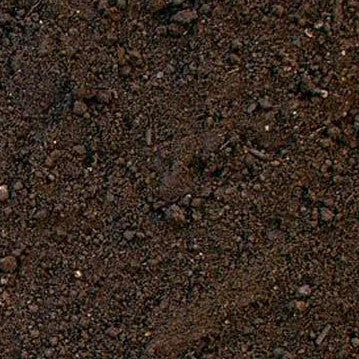
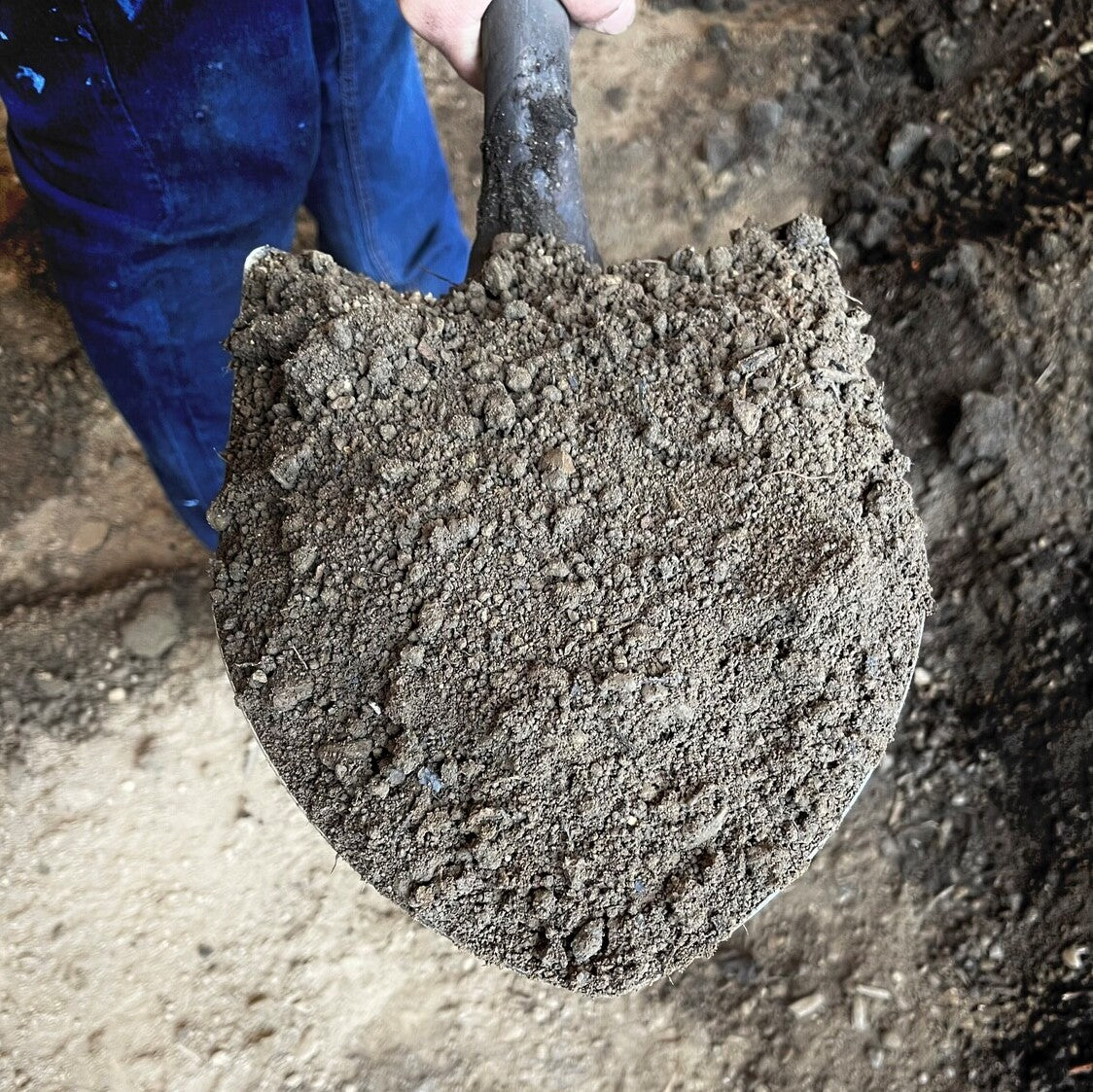
Screened topsoil with a fine, even texture. Ideal for new lawns, sod prep, and raised garden beds.
Great service. We ordered topsoil from Mulch Mound and the best experience. Thank you so much!
Tell us what you're looking for
Thanks! We received your request.
Something went wrong. Please try again.
How Much Material Do I Need?
How Much Material Do I Need?
For raised vegetable beds in Fairfield, plan on 12 to 18 inches of quality soil depth to support productive root growth through the long growing season. For topdressing lawns or filling low spots, a 1 to 2 inch layer spread evenly is typically sufficient.
Use our free soil calculator
What is a Yard?
What is a Yard?
FAQs
FAQs
Fairfield Soil Delivery
Fairfield Soil Delivery
Regular price
$83.00
per
Yard
Regular price
Sale price
$83.00
Unit price
per
Shipping calculated at checkout.
Minimum of 3 Yard
Couldn't load pickup availability
Not currently available
We can't take orders for this right now. Tell us what you need and we'll get back to you.
Hand-picked local yards
4,000+ regional deliveries
Dedicated support
Why order through Mulch Mound
The best local , without the guesswork.
We hand-pick and partner with the best yards in your region, keep only the ones our buyers rate well, and back each load with our guarantee.
Mulch Mound Guarantee
If your isn't the quantity or quality you ordered, we'll make it right.
About this soil
Screened topsoil with a fine, even texture. Ideal for new lawns, sod prep, and raised garden beds.
Great service. We ordered topsoil from Mulch Mound and the best experience. Thank you so much!
How Much Material Do I Need?
How Much Material Do I Need?
For raised vegetable beds in Fairfield, plan on 12 to 18 inches of quality soil depth to support productive root growth through the long growing season. For topdressing lawns or filling low spots, a 1 to 2 inch layer spread evenly is typically sufficient.
Use our free soil calculator
What is a Yard?
What is a Yard?
FAQs
FAQs
Tell us what you're looking for
Thanks! We received your request.
Something went wrong. Please try again.

How It Works
Getting started is easy — just follow these simple steps
1
Choose your soil
Make sure you adjust the quantity to your home's needs. You can use our calculator to estimate how much you'll need.
2
Select your delivery date
Select a delivery date you'd like for the product to be dropped off at your home
3
Sit back and wait
Sit back, wait, and let us work our magic to make sure the highest quality product is delivered to your driveway.

Placing an order online was so easy. Delivery was on time. When the driver realized we had a newly poured driveway they erred on the side of cautio...
Read full review
Placing an order online was so easy. Delivery was on time. When the driver realized we had a newly poured driveway they erred on the side of caution and opted not ti drive in it. The company even sent me a message explaining that call. Would recommend!

Online ordering was really simple and I liked the transparent pricing.
Need Help Calculating How Much Soil You Need?
Use our NEW Trace from Satellite tool to get an estimate for your project based on an aerial view of your property
Try Our CalculatorMeasure each area you plan to fill in feet for length, width, and intended depth, then multiply all three numbers together and divide by 27 to convert cubic feet into cubic yards. For raised beds, measure the interior dimensions of your frame rather than the outside edges. It helps to sketch your project areas on paper and calculate each zone separately before adding them together for your total order.
Complete Your Outdoor Soil Project
Layering a few inches of compost-rich mulch over your new soil beds helps lock in moisture during Fairfield's dry summer months and reduces how often you need to irrigate. Adding flagstone borders or decomposed granite pathways around new beds gives your project a finished look and keeps bulk soil from washing into walkways during winter rains.
Service area
Areas we deliver soil in Fairfield, California
Mulch Mound Pro Tip
Fairfield's clay subsoil creates a hard layer called hardpan in some properties, especially in older neighborhoods where construction equipment compacted the ground decades ago. Before placing raised beds or filling low areas, use a metal rod or a long screwdriver to probe your native soil in several spots. If you hit resistance within 10 to 12 inches of the surface, breaking through that hardpan with a fork or a rented tiller before laying your new soil will dramatically improve drainage and root penetration for years to come.
Mulch Mound Pro Tip
When you receive a bulk soil delivery in Fairfield during late winter or early spring, take advantage of the fact that Fairfield's rain-softened clay provides a workable base layer. Spreading your new soil while the ground is still moist rather than bone dry allows the two layers to blend at the interface rather than sitting as completely separate layers. This transition zone matters because roots moving down from your improved bed into the native clay do better when there is a gradual shift in texture rather than a sharp boundary.
Mulch Mound Pro Tip
Fairfield's growing season runs from roughly late February through November, which is one of the longest windows in Northern California. To make the most of that extended season, plan your soil installation project in January or early February so beds are ready to plant by the February 15 last frost date. Pre-warming your new soil bed by covering it with clear plastic for a week before planting can raise soil temperature by several degrees, giving warm-season crops like tomatoes and peppers an even earlier start in Fairfield's already favorable climate.
The Unique Landscape of Fairfield
Fairfield's native soil is predominantly clay, which creates real challenges for gardeners trying to grow vegetables, establish new lawns, or plant trees and shrubs that require good drainage. Clay soil holds water for extended periods after Fairfield's winter rains, then bakes into a concrete-like hardness through the dry summer months. This dramatic shift between waterlogged and bone-dry conditions stresses plant roots and limits the range of plants that will thrive without soil improvement. Bringing in quality amended topsoil or a blended planting mix allows Fairfield gardeners to build raised beds, fill in low spots, and create growing environments that their plants actually need rather than fighting the native ground. At only 13 feet above sea level in the Solano County flatlands, Fairfield lots often have very little topographic relief, meaning water pooling in low areas is a common problem that added soil and grading can help correct.