




I needed 3 yards of top soil and that's what I got! Right on time and right where I asked it to be placed (Order# 2041).
About this soil
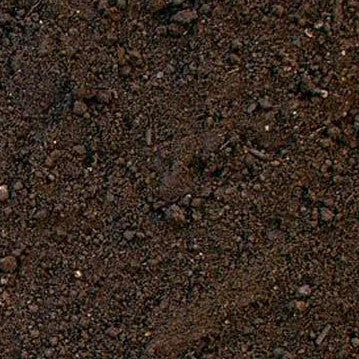
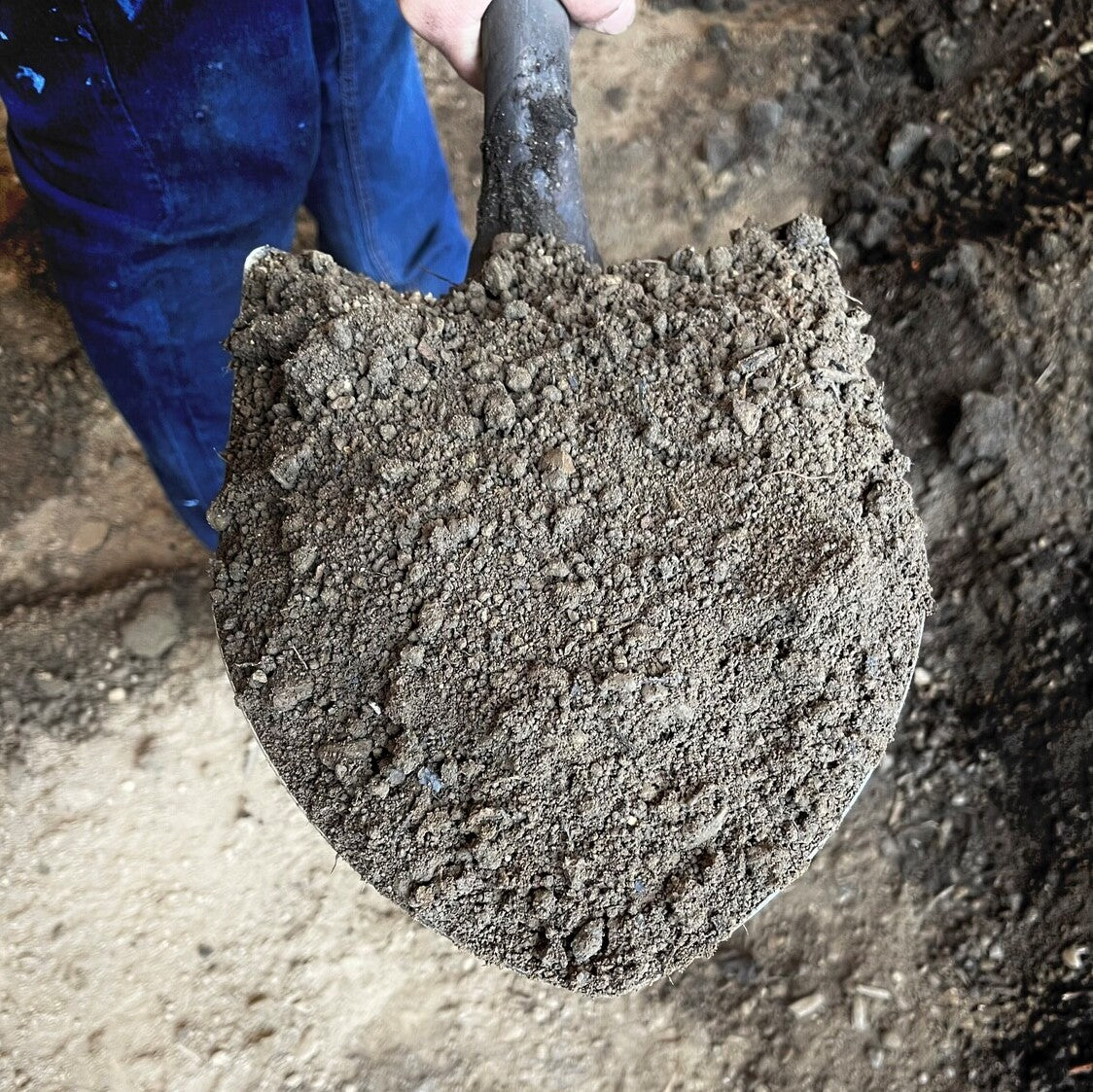
Screened topsoil with a fine, even texture. Ideal for new lawns, sod prep, and raised garden beds.
I needed 3 yards of top soil and that's what I got! Right on time and right where I asked it to be placed (Order# 2041).
Tell us what you're looking for
Thanks! We received your request.
Something went wrong. Please try again.
How Much Material Do I Need?
How Much Material Do I Need?
For general lawn grading and repair in Fargo, plan on one to two inches of topsoil over bare or uneven areas, which works out to roughly one cubic yard per 150 square feet. For filling raised garden beds, calculate the full interior volume and add ten percent for settling.
Use our free soil calculator
What is a Yard?
What is a Yard?
FAQs
FAQs
Fargo Soil Delivery
Fargo Soil Delivery
Regular price
$64.00
per
Yard
Regular price
Sale price
$64.00
Unit price
per
Shipping calculated at checkout.
Minimum of 3 Yard
Couldn't load pickup availability
Not currently available
We can't take orders for this right now. Tell us what you need and we'll get back to you.
Hand-picked local yards
4,000+ regional deliveries
Dedicated support
Why order through Mulch Mound
The best local , without the guesswork.
We hand-pick and partner with the best yards in your region, keep only the ones our buyers rate well, and back each load with our guarantee.
Mulch Mound Guarantee
If your isn't the quantity or quality you ordered, we'll make it right.
About this soil
Screened topsoil with a fine, even texture. Ideal for new lawns, sod prep, and raised garden beds.
I needed 3 yards of top soil and that's what I got! Right on time and right where I asked it to be placed (Order# 2041).
How Much Material Do I Need?
How Much Material Do I Need?
For general lawn grading and repair in Fargo, plan on one to two inches of topsoil over bare or uneven areas, which works out to roughly one cubic yard per 150 square feet. For filling raised garden beds, calculate the full interior volume and add ten percent for settling.
Use our free soil calculator
What is a Yard?
What is a Yard?
FAQs
FAQs
Tell us what you're looking for
Thanks! We received your request.
Something went wrong. Please try again.

How It Works
Getting started is easy — just follow these simple steps
1
Choose your soil
Make sure you adjust the quantity to your home's needs. You can use our calculator to estimate how much you'll need.
2
Select your delivery date
Select a delivery date you'd like for the product to be dropped off at your home
3
Sit back and wait
Sit back, wait, and let us work our magic to make sure the highest quality product is delivered to your driveway.

Highest compliments. Great driver.
Website is easy to navigate. Just a seamless process. 5 stars!!

Need Help Calculating How Much Soil You Need?
Use our NEW Trace from Satellite tool to get an estimate for your project based on an aerial view of your property
Try Our CalculatorFor grading and lawn repair projects, measure the area in square feet and estimate the average depth of fill you need in inches, then use our calculator to convert to cubic yards. For raised beds, multiply the length by width by depth of the bed interior to get your cubic footage, then divide by 27 to find cubic yards. Ordering a small amount extra, about ten percent, is a smart buffer for Fargo projects where settling after snowmelt can reveal low spots you did not notice at ordering time.
Complete Your Outdoor Soil Project
After your soil is in place, finishing your beds with a quality bulk mulch layer locks in moisture and protects the soil surface through both summer heat and winter freeze cycles. Decorative stone edging around your soil beds adds a clean border that also keeps mulch and soil from washing into lawn areas during heavy rain.
Mulch Mound Pro Tip
Fargo's clay loam base soil creates a real challenge when you add topsoil on top of it without any transition. Water will move freely through looser topsoil until it hits the dense clay below, then pool at that interface and drown roots. Breaking up the top few inches of existing clay loam with a tiller before spreading new topsoil creates better connectivity between layers and prevents that perched water table effect in your beds.
Mulch Mound Pro Tip
Because Fargo's growing season is compressed between May 13 and October 11, your soil needs to warm up quickly in spring for seeds and transplants to thrive. Dark-colored topsoil absorbs more solar heat than the pale native clay loam in many Fargo yards, which is a genuine advantage for warming raised beds. If you want to speed things up even more, cover freshly placed garden soil with clear plastic for a week or two before planting to trap warmth and jump-start the season.
Mulch Mound Pro Tip
Snowmelt in Fargo can deliver a significant amount of water to your yard over just a few weeks in March and April. If you are grading with topsoil, make sure your final grade slopes away from your foundation at a rate of at least six inches over the first ten feet. Getting this slope right when you fill and grade prevents the chronic wet basement problems that are common in Fargo neighborhoods built on low, flat terrain near the Red River.
The Unique Landscape of Fargo
Fargo's native clay loam soil is both a blessing and a challenge. It holds nutrients well but drains slowly, compacts under foot traffic, and stays cold well into spring due to its density, which can delay planting past the already short Zone 4a growing window. Imported quality topsoil and garden soil blends help homeowners work around these limitations by creating raised or amended planting environments where roots can establish freely. With only 24 inches of annual rainfall, the soil in Fargo needs to be able to hold moisture efficiently without becoming waterlogged, a balance that is hard to achieve with straight clay loam. Whether you are filling a new raised garden bed, grading a low spot in your yard, or rebuilding a planting bed that has been depleted over years, bulk soil delivered to your door is the most cost-effective solution at Fargo scale. Getting the soil foundation right sets every other part of your landscape up for success.