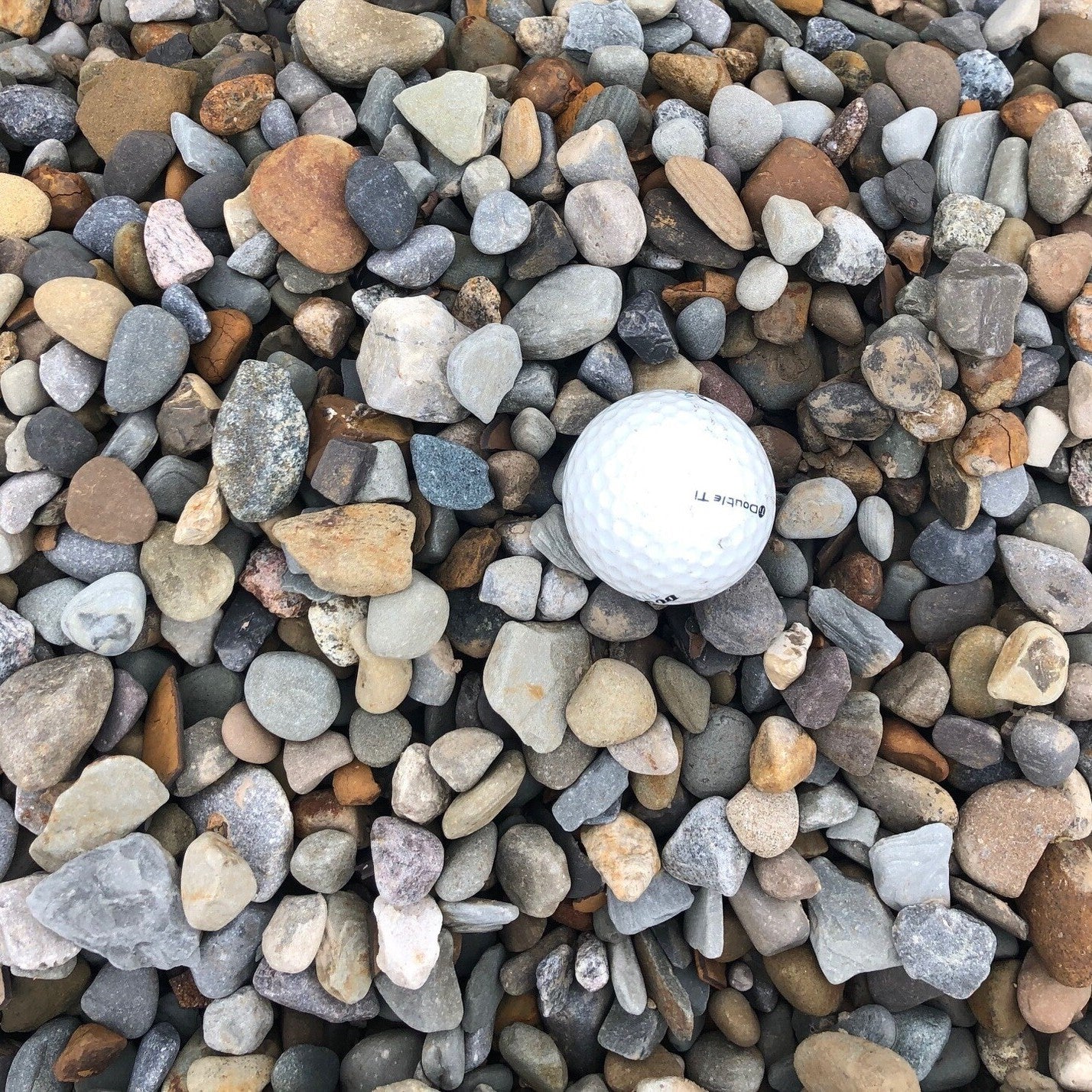
Number 57 crushed stone, angular limestone graded to about three quarters of an inch. The standard driveway, base and drainage gravel, it locks together under traffic and drains fast.
Mulch Mound delivered a yard of pea gravel to us. Delivery was on time, driver was friendly and hit a bullseye on the “tarp target”. We used the pea gravel (which was diameter as specified) to fill several muskrat holes around our pond. I would definitely recommend Mulch Mo...
Tell us what you're looking for
Thanks! We received your request.
Something went wrong. Please try again.
How Much Material Do I Need?
For decorative surface stone in planting beds and pathways around Fargo homes, a two to three inch depth provides good coverage and weed suppression without requiring an excessive amount of material. Plan on approximately one cubic yard for every 100 square feet at a three inch depth as a reliable starting estimate.
Use our free gravel calculator
What is a Yard?
A yard is approximately 27 cubic feet. As a general guideline, one yard of material can cover an area of about 100-160 square feet at a 2-3 inch depth.
We can't take orders for this right now. Tell us what you need and we'll get back to you.
What do you need?
Thanks! We received your request.
Something went wrong. Please try again.
Hand-picked local yards
4,000+ regional deliveries
Dedicated support
Why order through Mulch Mound
The best local , without the guesswork.
We hand-pick and partner with the best yards in your region, keep only the ones our buyers rate well, and back each load with our guarantee.
Mulch Mound Guarantee
If your isn't the quantity or quality you ordered, we'll make it right.
About this stone
Number 57 crushed stone, angular limestone graded to about three quarters of an inch. The standard driveway, base and drainage gravel, it locks together under traffic and drains fast.
Mulch Mound delivered a yard of pea gravel to us. Delivery was on time, driver was friendly and hit a bullseye on the “tarp target”. We used the pea gravel (which was diameter as specified) to fill several muskrat holes around our pond. I would definitely recommend Mulch Mo...
How Much Material Do I Need?
For decorative surface stone in planting beds and pathways around Fargo homes, a two to three inch depth provides good coverage and weed suppression without requiring an excessive amount of material. Plan on approximately one cubic yard for every 100 square feet at a three inch depth as a reliable starting estimate.
Use our free gravel calculator
What is a Yard?
A yard is approximately 27 cubic feet. As a general guideline, one yard of material can cover an area of about 100-160 square feet at a 2-3 inch depth.
Mulch Mound delivered a yard of pea gravel to us. Delivery was on time, driver was friendly and hit a bullseye on the “tarp target”. We used the ...
Read full review
Mulch Mound delivered a yard of pea gravel to us. Delivery was on time, driver was friendly and hit a bullseye on the “tarp target”. We used the pea gravel (which was diameter as specified) to fill several muskrat holes around our pond. I would definitely recommend Mulch Mound to a friend!
Placing an order online was so easy. Delivery was on time. When the driver realized we had a newly poured driveway they erred on the side of cautio...
Read full review
Placing an order online was so easy. Delivery was on time. When the driver realized we had a newly poured driveway they erred on the side of caution and opted not ti drive in it. The company even sent me a message explaining that call. Would recommend!
Measure the length and width of your stone project area in feet and multiply them together for your square footage. Then decide on your coverage depth, two inches for surface decoration, four to six inches for a base layer, and enter both figures into our calculator to get your cubic yard total. For irregular shaped areas like curved pathways or naturalistic dry creek beds, break the space into rough rectangles, calculate each one separately, and add them together.
Complete Your Outdoor Stone Project
Adding a layer of landscape fabric beneath your stone installation helps suppress weeds and keeps stone from migrating down into Fargo's clay loam soil over time. If you are building out a full landscape refresh, pairing bulk stone with quality topsoil and mulch for your planting beds gives you a cohesive, low-maintenance yard designed for North Dakota conditions.
One of the most overlooked issues with landscape stone in Fargo is that clay loam soil slowly works its way up into the stone layer over multiple freeze-thaw cycles, eventually mixing the soil and stone into a muddy, weedy mess. Installing a quality non-woven geotextile landscape fabric between the soil and your stone layer before you spread it prevents this migration and keeps your stone installation looking clean for years. Skip the cheap woven plastic sheeting, it breaks down and clogs faster than proper filter fabric.
Mulch Mound Pro Tip
Fargo's spring snowmelt can move a surprising amount of fine material around your yard in a short period of time. If you are installing stone along a slope or near a downspout, make sure the stones are packed tightly enough at the edges to resist the flow rather than channeling water underneath them. Using a slightly larger stone at the perimeter of drainage areas and filling the center with smaller decorative rock gives you a natural berm effect that slows runoff before it can cause erosion problems in adjacent lawn or garden areas.
Mulch Mound Pro Tip
Light-colored stones like white marble chips or pale limestone reflect summer heat and are a good choice for areas near your home's foundation where heat buildup can stress plants in a Fargo July. Darker stones like black basalt or dark river rock absorb and radiate heat, which can actually extend the growing season slightly in a protected south-facing bed. Choosing stone color with your specific microclimate in mind is a small detail that has a real impact on plant health in our short Zone 4a growing season.
The Unique Landscape of Fargo
Decorative and functional stone is one of the most durable landscaping choices you can make in Fargo, where extreme temperature swings from summer highs above 90 degrees to winter lows below negative 30 degrees can destroy lesser materials in just a few seasons. Stone does not rot, fade significantly, or break down the way organic materials do, making it a genuinely long-term investment for Fargo yards. The flat, windy terrain of the Red River Valley means low-maintenance landscapes are especially valued here, and stone ground cover eliminates the need for seasonal mulch replacement in high-traffic or difficult-to-maintain areas. Fargo's clay loam soil and heavy spring runoff from snowmelt also make stone pathways and drainage areas a practical necessity in many yards, not just a decorative choice. With limited rainfall of only 24 inches annually, stone mulch around drought-tolerant plants reduces the watering demands of your landscape significantly. Bulk stone delivered to your property lets you tackle these functional and aesthetic goals at a scale that makes sense for a full residential landscape.
Frequently Asked Questions
Click a question to see the answer
Answer
Will decorative stone hold up through Fargo winters without cracking or shifting?
Quality landscape stone is extremely well suited to Fargo's freeze-thaw cycles because natural rock does not absorb enough water to crack when it freezes. The bigger concern in Fargo is frost heave in the soil beneath the stone, which can shift edging and borders over multiple winters. Installing a layer of compacted gravel base beneath decorative stone areas and using flexible edging rather than rigid borders minimizes the heaving problem significantly.
Answer
What size of stone works best for a drainage area in my Fargo yard?
For drainage swales and dry creek beds designed to handle Fargo's heavy spring snowmelt runoff, a river rock in the one to three inch size range works very well. It is large enough to stay in place during fast-moving water and small enough to fill in naturally and create a stable channel. Pea gravel works for shallower drainage areas with slower flow, but it can wash out during the heavy runoff events Fargo yards see in March and April.
Answer
Can I use landscape stone instead of mulch around my trees and shrubs?
Stone can work around trees and shrubs in Fargo but comes with important trade-offs compared to organic mulch. Stone does not insulate roots from temperature extremes the way mulch does, and in Zone 4a winters that matters quite a bit for shallow-rooted plants. Stone also heats up significantly in summer sun, which can stress roots right at the surface. If you go with stone around plants, use a lighter-colored stone to reduce heat absorption and make sure you have adequate soil moisture going into winter.
Answer
How much stone do I need for a typical Fargo backyard patio or pathway?
For a compacted gravel base under a patio, plan on four to six inches of depth, which means roughly one cubic yard covers about 50 square feet at a five inch depth. For a decorative stone surface layer on a pathway, two inches of depth is usually enough, giving you about 160 square feet of coverage per cubic yard. Measure your project area carefully and use our calculator to get a precise number, since stone is heavy and ordering extra is more costly than with lighter materials.
Answer
Is there a type of stone that helps with the drainage problems caused by Fargo's clay loam soil?
Clean crushed limestone or pea gravel is excellent for improving drainage in specific problem areas on Fargo properties. When dug into trenches or used as a base beneath low areas where water pools after snowmelt, these stones create a reservoir and pathway for water to move away from surface soil and foundations. For broader surface drainage improvement, a French drain system filled with clean crushed stone and wrapped in filter fabric is a well-established solution that many Fargo homeowners use to manage the slow drainage of clay loam.
Answer
Does stone help prevent erosion in Fargo yards where the wind and spring runoff strip topsoil away?
Yes, stone is one of the most effective erosion controls available for Fargo landscapes because it is heavy enough to resist both wind displacement and water runoff. Covering bare soil in exposed or sloped areas with a two to three inch layer of river rock or crushed stone holds the ground in place through spring melt events and summer thunderstorms. Along the edges of driveways and near downspout outlets, stone splash pads prevent the concentrated erosion that bare clay loam soil experiences when hit by fast-moving water.
Answer
What kind of stone looks good but also stays in place in a Fargo yard with high winds?
Heavier stones in the one inch and larger range stay put much better than pea gravel or small chips during the sustained winds that sweep across the Red River Valley. River rock in a mixed size of one to two inches gives you a natural look that is also heavy enough to resist wind displacement in most exposed yard areas. If you have a particularly windy spot, choosing a larger two to three inch decorative stone gives you the best combination of visual appeal and staying power.
Answer
What is Class 5 gravel?
Class 5 gravel is a Minnesota DOT spec mix of crushed limestone or gravel with fines, sized three quarter inch and down, prized for compacting hard under driveways and shed pads. In Fargo, we deliver Crushed Stone #57 instead, a clean drainage stone that will not compact the same way but holds up well against the region's clay loam soil and freeze thaw cycles.
Answer
Is there a stone yard near Fargo?
Crushed Stone holds up well in Fargo, where winters drop below negative 30 degrees and summers top 90, because it will not rot or break down like organic materials. It is the same stone you would buy at a stone yard, delivered to your driveway or garden instead. Mulch Mound is not a quarry, so there is no trip to make.