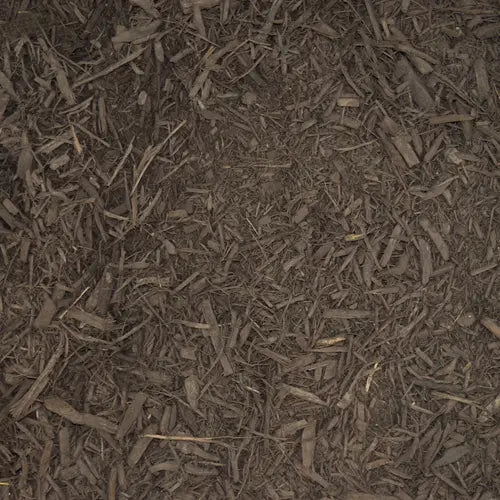
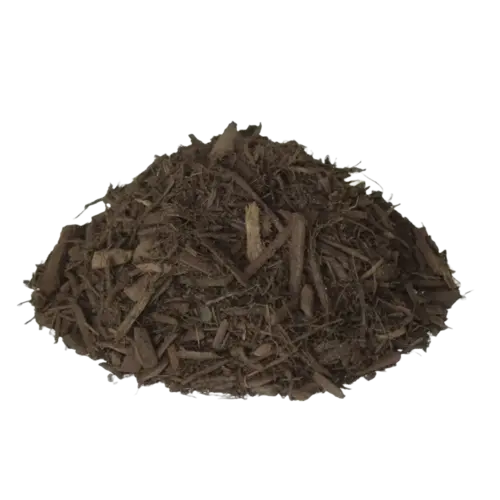
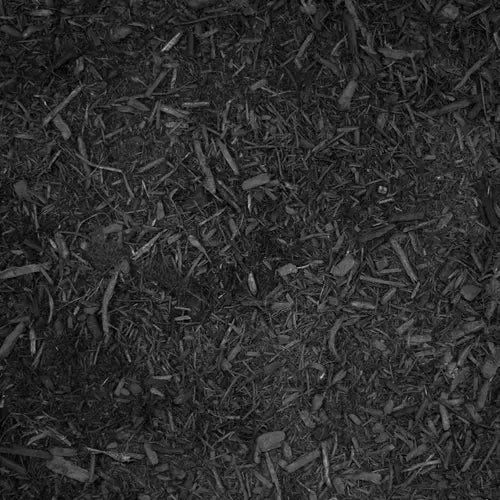
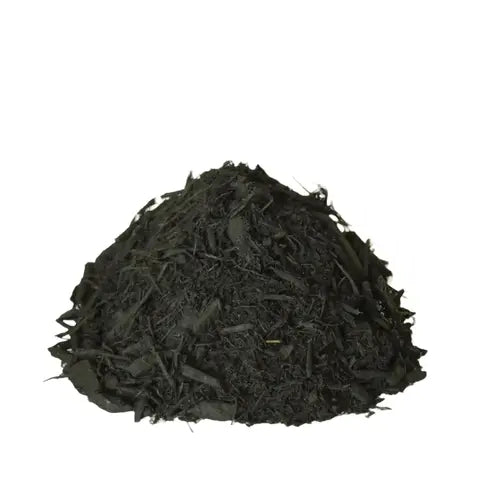
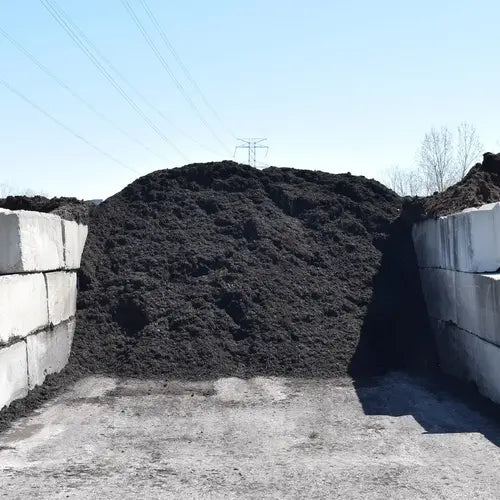
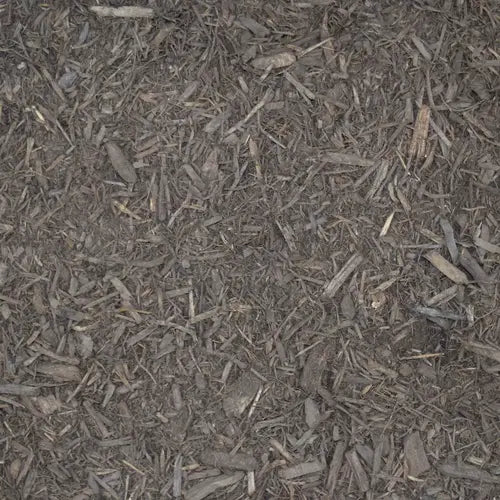
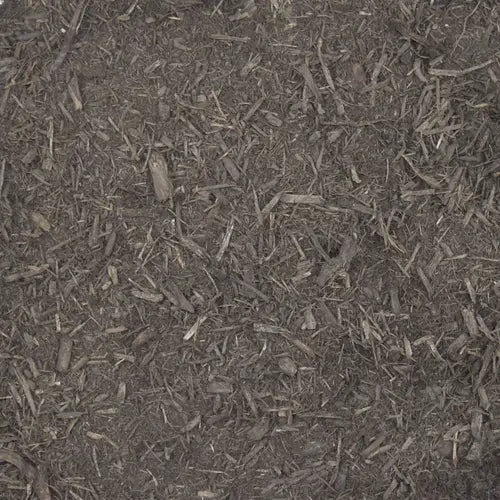
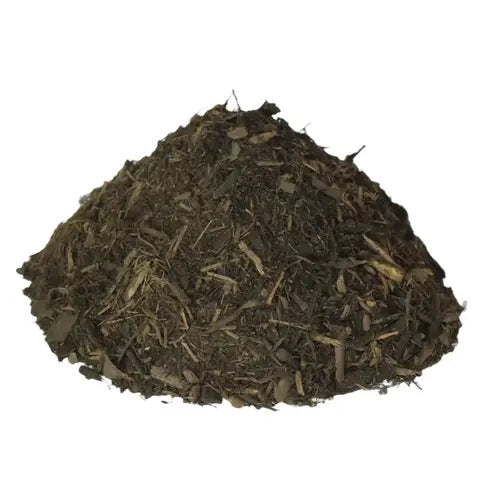
Great experience! Easy to order, they delivered promptly and were very respectful of the property! Ordered the triple shredded brown mulch and it was EXACTLY what I wanted. Very clean product too, no garbage or filler. Already put these guys in my calendar to order from next y...
Tell us what you're looking for
Thanks! We received your request.
Something went wrong. Please try again.
How Much Material Do I Need?
Plan on three inches for established beds and two inches around shallow rooted plantings like azaleas and hydrangeas that struggle in our clay. Order about ten percent extra so you are not short on the last bed.
Use our free mulch calculator
What is a yard?
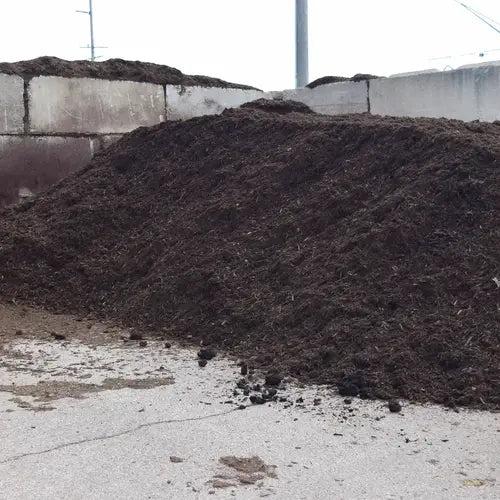
A yard is approximately 27 cubic feet. As a general guideline, one yard of material can cover an area of about 100-160 square feet at a 2-3 inch depth.
Great experience! Easy to order, they delivered promptly and were very respectful of the property! Ordered the triple shredded brown mulch and it was EXACTLY what I wanted. Very clean product too, no garbage or filler. Already put these guys in my calendar to order from next y...
How Much Material Do I Need?
Plan on three inches for established beds and two inches around shallow rooted plantings like azaleas and hydrangeas that struggle in our clay. Order about ten percent extra so you are not short on the last bed.
Use our free mulch calculator
What is a yard?
A yard is approximately 27 cubic feet. As a general guideline, one yard of material can cover an area of about 100-160 square feet at a 2-3 inch depth.
Great experience! Easy to order, they delivered promptly and were very respectful of the property! Ordered the triple shredded brown mulch and it w...
Read full review
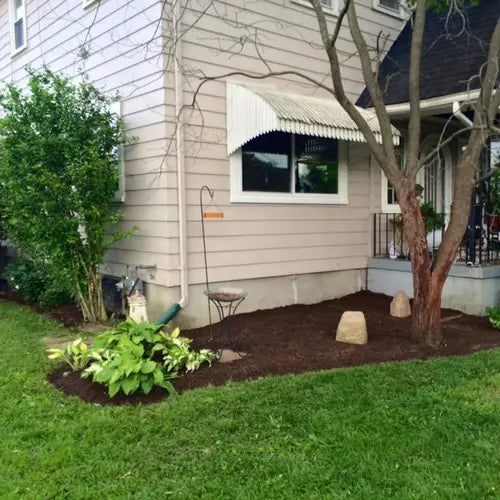
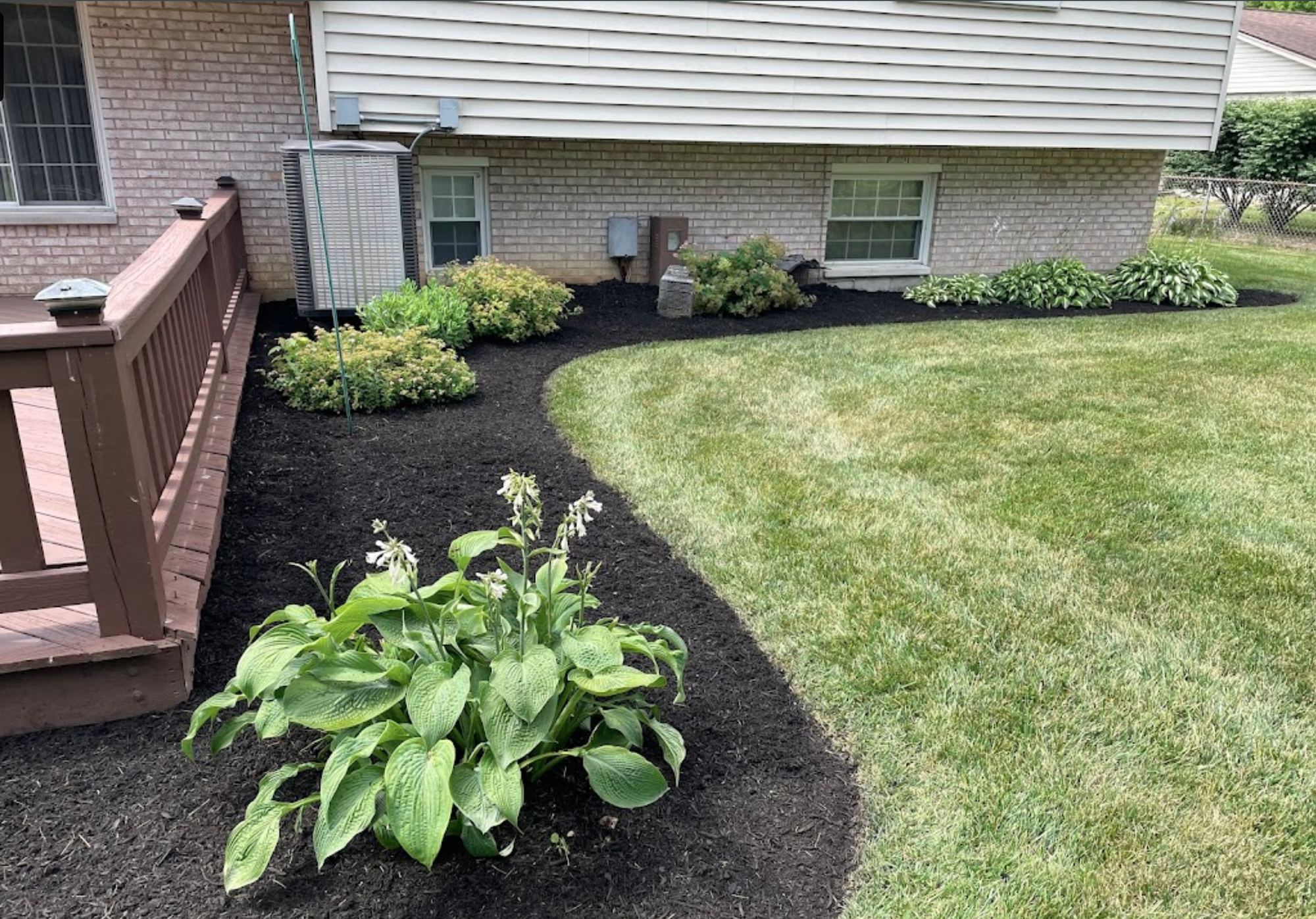
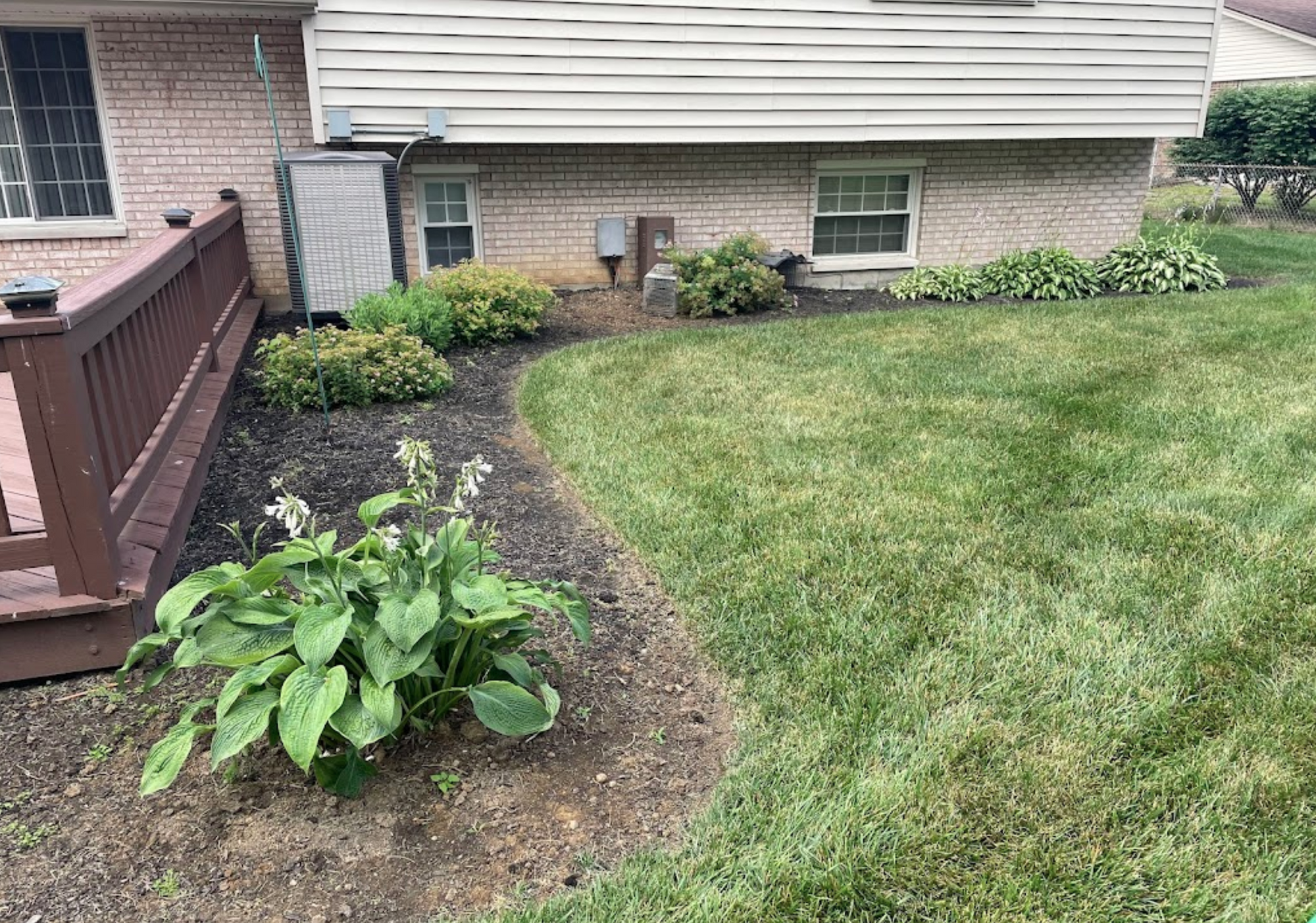
Great experience! Easy to order, they delivered promptly and were very respectful of the property! Ordered the triple shredded brown mulch and it was EXACTLY what I wanted. Very clean product too, no garbage or filler. Already put these guys in my calendar to order from next year! Keep up the good work.
Measure each bed separately rather than guessing at one total, since curved foundation beds in Farmington Hills rarely form neat rectangles. Break odd shapes into rough rectangles and triangles, add them up, then enter that square footage with your target depth. One cubic yard covers about 108 square feet at three inches.
Mulch vs. No Mulch: The Difference
Farmington Hills gets humid summers, roughly 33 inches of rain, and a long freeze and thaw shoulder season at 850 feet, which together accelerate how fast organic mulch breaks down. Natural hardwood typically loses its color and volume within a single season, while dyed products hold tone longer because the colorant resists sun fade. Understanding that tradeoff helps you decide between feeding your soil and keeping a crisp look.
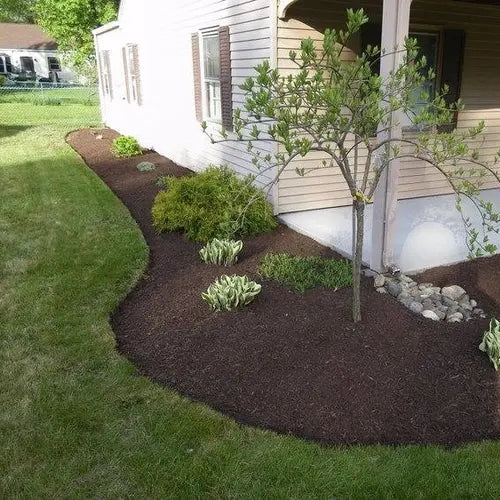
Before
After
Best Mulch Choice for Farmington Hills Lawns
Most yards in the Farmington Hills area sit on type of soil. Clay loam in Farmington Hills compacts hard, and after a wet spring the surface seals over so water runs off instead of soaking into planting beds. That dense structure also limits oxygen at the root zone, which is why shrubs here often look stalled by midsummer.
Hardwood Mulch
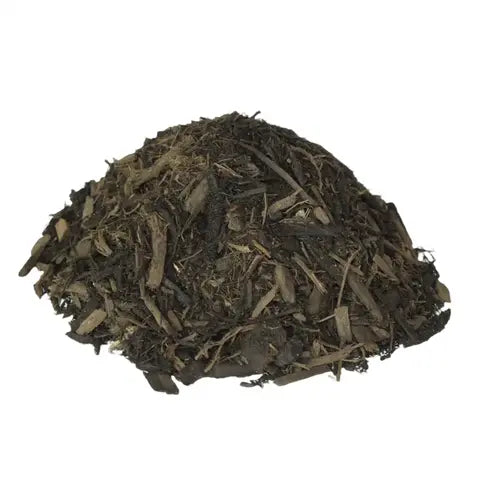
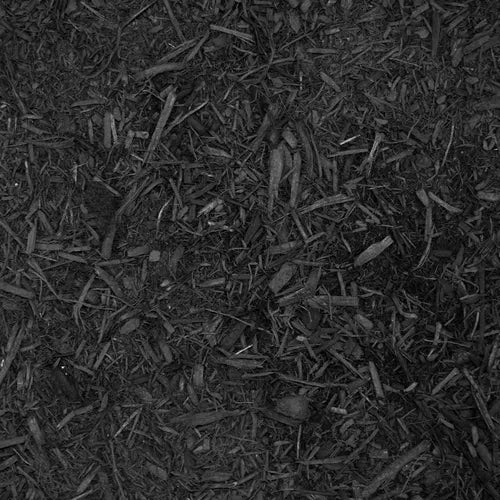
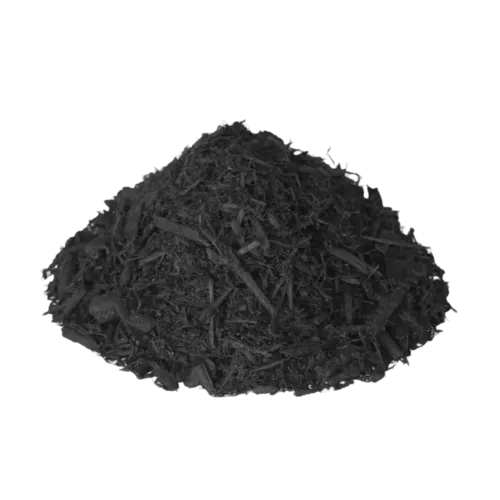
Double ground hardwood mulch is the best long term fix because it breaks down steadily and feeds organic matter into the top few inches of clay loam, loosening structure season after season. It also shields the surface from pounding spring rain, so the clay never seals into that hard crust.
Complete Your Outdoor Mulch Project
Many Farmington Hills customers add a few yards of compost or garden soil to work into the clay before mulching, plus decorative stone for downspout splash zones and drip lines where mulch tends to wash out.
Service area
Areas we deliver mulch in Farmington Hills, Michigan
Edge before you mulch. A clean four inch deep spade cut between lawn and bed keeps mulch from migrating into the turf and stops Kentucky bluegrass rhizomes from creeping in. In Farmington Hills clay loam, cut your edge when the soil is slightly damp, not soaked, and the wall will hold its shape all season instead of slumping after the first heavy May thunderstorm.
Mulch Mound Pro Tip
Water your beds thoroughly the day before mulching. Dry clay loam repels water once a mulch layer sits on top, and a light summer shower will never penetrate three inches of hardwood to reach parched roots. Pre soaking gives your plants a full reservoir, and the mulch then locks that moisture in through the dry stretch Farmington Hills usually sees in late July and August.
Mulch Mound Pro Tip
Hold off on mulching newly planted trees until the ground has fully thawed and drained, typically mid May here. Then build a wide, flat ring out to the drip line rather than a volcano against the trunk. Mulch volcanoes trap moisture, invite girdling roots, and are the single most common reason young maples and lindens fail in Farmington Hills subdivisions within five years.
Frequently Asked Questions
Click a question to see the answer
Answer
When should I put mulch down in Farmington Hills?
Wait until the clay loam has warmed and dried a bit, which usually means the first two weeks of May, just after the May 3 average last frost. Mulching too early over cold, saturated clay traps moisture against crowns and slows root growth. A second light touch up in late September helps insulate beds before the October 12 first frost.
Answer
How deep should mulch be over clay soil?
Three inches is the sweet spot in Farmington Hills. Clay loam drains slowly, and piling on four or five inches keeps the surface soggy through our wet spring and invites root rot. Never mound mulch against trunks or stems, keep a two inch gap so bark can dry out.
Answer
Will mulch help with the drainage problems in my backyard?
Mulch alone will not fix standing water, but over several seasons the decomposing organic matter works into the top layer of clay loam and improves structure and infiltration. For the low spots common in Farmington Hills subdivisions built on graded clay, pair mulch with a raised bed or amended soil to actually move water.
Answer
How often do I need to replace mulch here?
Most Farmington Hills homeowners top off once a year in spring. Hardwood breaks down in about a season and a half given our humid summers and roughly 33 inches of annual rain, while shredded bark and wood chips hold closer to two years. Rake and fluff the existing layer before adding new material rather than burying it.
Answer
Does mulch attract termites or carpenter ants in Michigan?
Termites are uncommon in Oakland County, and mulch is not a food source that draws them to a house. Carpenter ants prefer wet, decaying wood, so the real risk is mulch piled against siding or a foundation. Keep a six inch clear strip along the house and you avoid the issue entirely.
Answer
Which mulch color looks best with the brick homes around here?
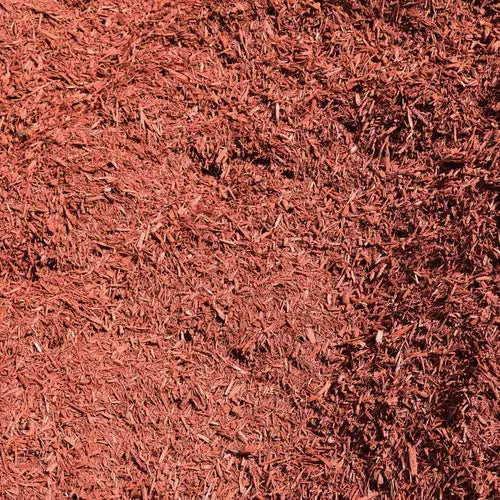
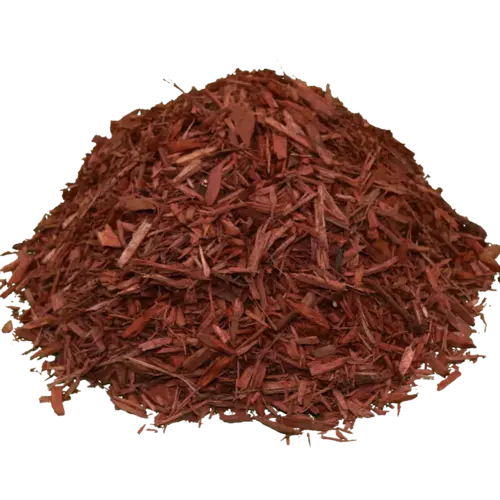
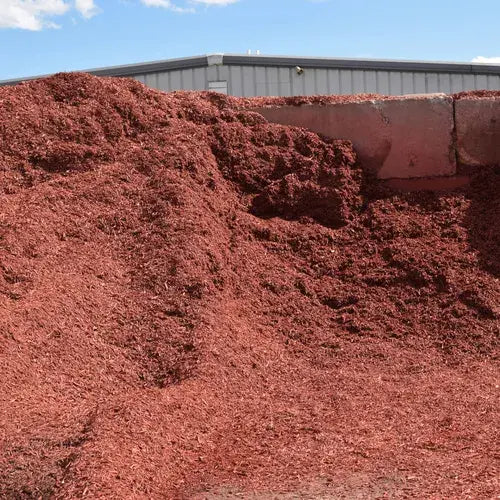
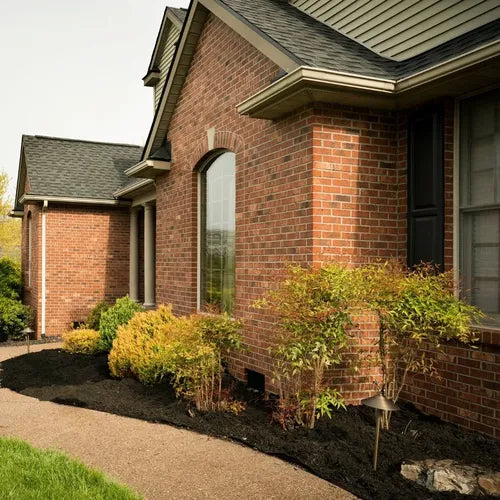
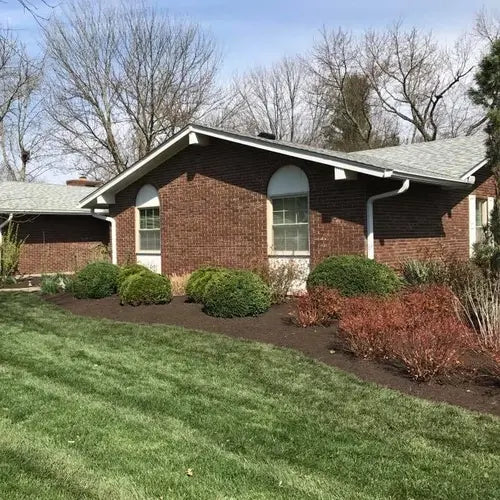
The red and buff brick common in Farmington Hills subdivisions pairs well with dark brown or black mulch, which makes green foliage pop without competing with the masonry. Red mulch tends to clash with red brick. Natural double ground hardwood is the safest choice for homes with mixed stone and siding.
Answer
Can I mulch right over the weeds already in my beds?
Pull perennial invaders like creeping charlie, quackgrass, and thistle first, since they push through three inches of mulch without much trouble in our climate. Annual weed seedlings will smother fine. Given how quickly weeds establish in warm, damp clay loam after a May rain, a clean bed before mulching saves you hours in July.
The Unique Landscape of Farmington Hills
Farmington Hills sits on heavy clay loam that holds winter moisture long after the snowpack melts in March, then bakes into a crust once July heat arrives. Mulch is the buffer that keeps that swing from stressing roots, moderating soil temperature through a Zone 6b season that runs roughly from the May 3 last frost to the October 12 first frost. With only about 33 inches of rain a year and most of it arriving in spring storms rather than midsummer, a mulched bed retains water far longer than bare clay that sheds it. Mulch also suppresses the creeping charlie and garlic mustard that spread aggressively through shaded Farmington Hills yards along the Rouge River corridor. At 850 feet of elevation the freeze and thaw cycles here are frequent, and a steady mulch layer prevents the heaving that pushes perennials right out of the ground.