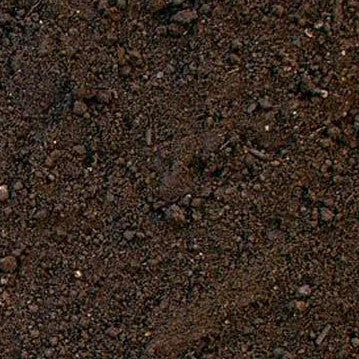
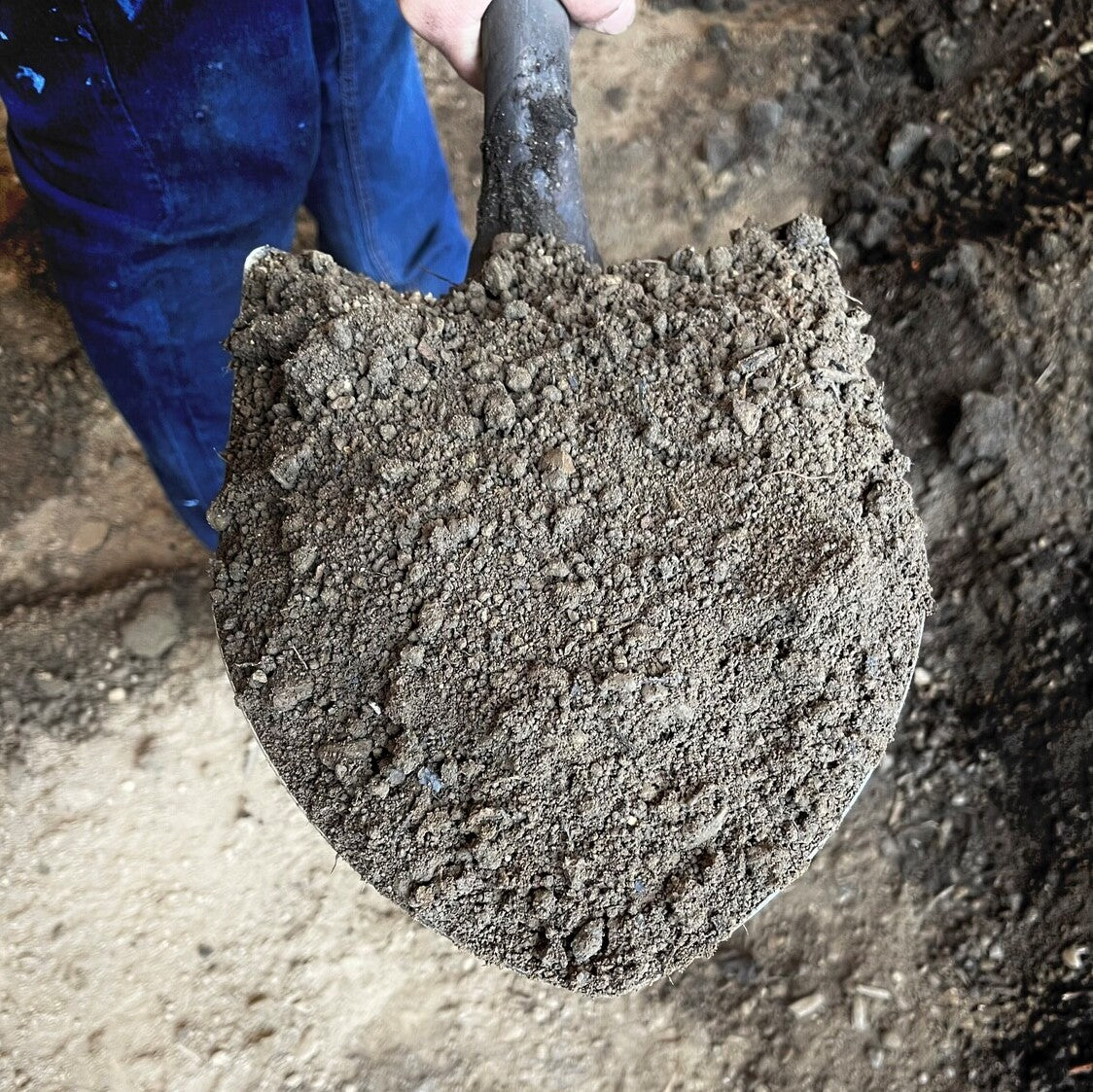
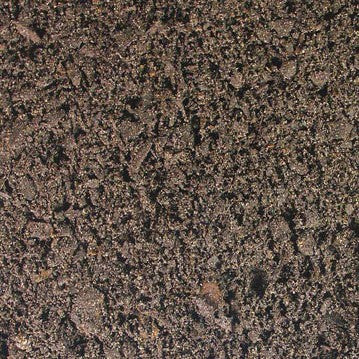
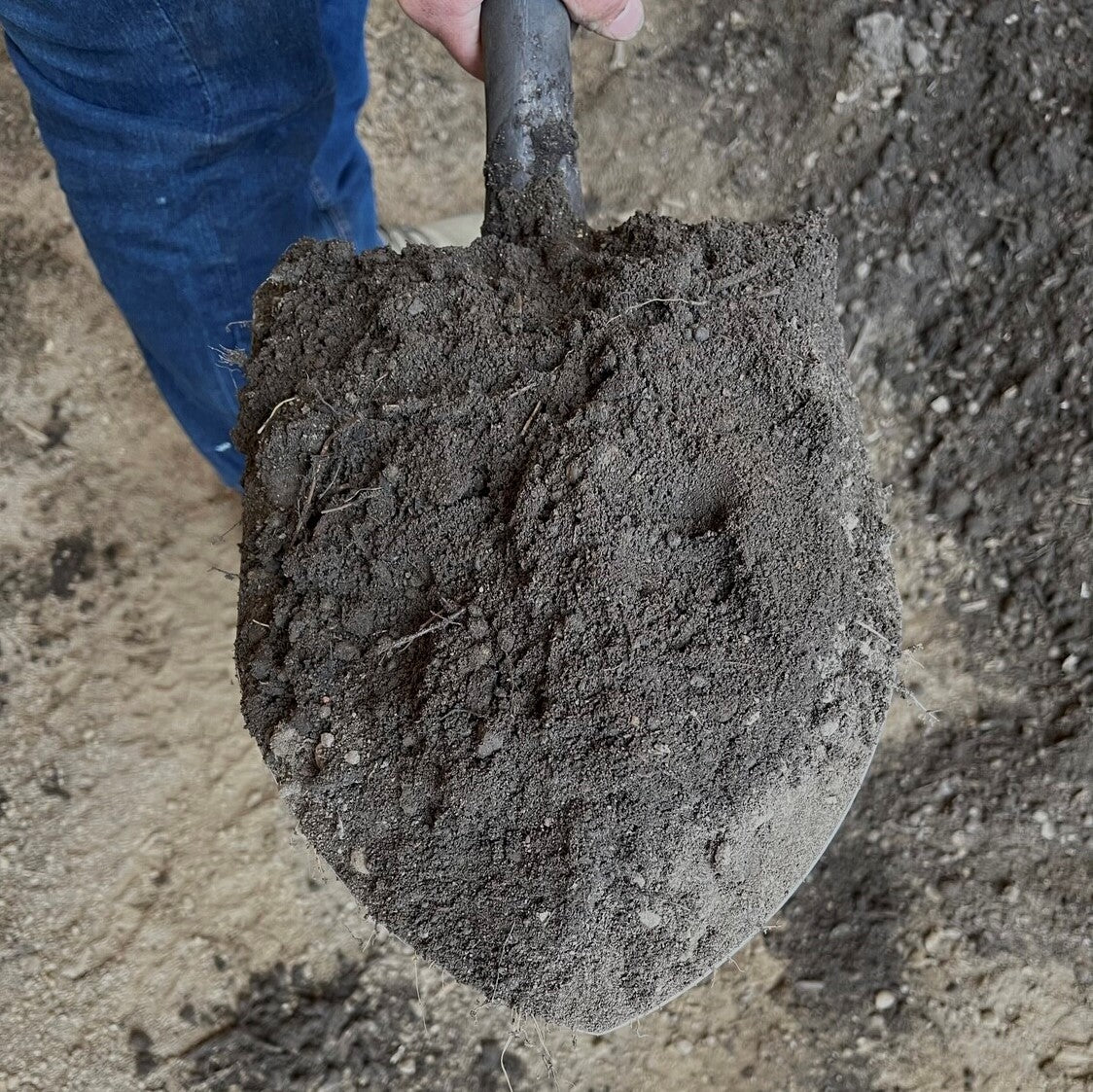
Ordered the planting mix with an early Saturday delivery. Super easy ordering experience. Dirt was delivered on time and delivery driver was kind enough to let us know I would take up more room than we though so we could pull cars out of the garage. Will be ordering again
Tell us what you're looking for
Thanks! We received your request.
Something went wrong. Please try again.
How Much Material Do I Need?
Use one to two inches for topdressing an existing lawn, four to six inches for a new lawn over graded clay, and eight to twelve inches for raised vegetable beds. Soil settles roughly fifteen percent, so order a little extra.
Use our free soil calculator
What is a Yard?
A yard is approximately 27 cubic feet. As a general guideline, one yard of material can cover an area of about 100-160 square feet at a 2-3 inch depth.
Ordered the planting mix with an early Saturday delivery. Super easy ordering experience. Dirt was delivered on time and delivery driver was kind enough to let us know I would take up more room than we though so we could pull cars out of the garage. Will be ordering again
How Much Material Do I Need?
Use one to two inches for topdressing an existing lawn, four to six inches for a new lawn over graded clay, and eight to twelve inches for raised vegetable beds. Soil settles roughly fifteen percent, so order a little extra.
Use our free soil calculator
What is a Yard?
A yard is approximately 27 cubic feet. As a general guideline, one yard of material can cover an area of about 100-160 square feet at a 2-3 inch depth.
Ordered the planting mix with an early Saturday delivery. Super easy ordering experience. Dirt was delivered on time and delivery driver was kind e...
Read full review
Ordered the planting mix with an early Saturday delivery. Super easy ordering experience. Dirt was delivered on time and delivery driver was kind enough to let us know I would take up more room than we though so we could pull cars out of the garage. Will be ordering again
Measure the length and width of the area, then decide your finished depth in inches before you calculate. For lawn repair on uneven Farmington Hills lots, measure the deepest low spot and the shallowest and use the average. One cubic yard covers about 100 square feet at three inches deep.
Complete Your Outdoor Soil Project
Pair your soil order with compost for amending clay, grass seed suited to Michigan transition conditions, and a few yards of mulch to cap new planting beds once everything is in the ground.
Service area
Areas we deliver soil in Farmington Hills, Michigan
Why is the soil under my sod so hard in Farmington Hills?
Heavy equipment during construction compacted the native clay loam, and builders often lay sod over just an inch or two of thin topsoil. Roots hit that compacted layer and stop. Core aerating in fall and topdressing with a quarter inch of compost each year is the practical fix, and it takes two or three seasons to see real change.
Answer
How much topsoil do I need to grow a decent lawn here?
Aim for four to six inches of quality topsoil over the existing grade for a new lawn in Farmington Hills. Anything less and turf roots stay shallow, which shows up as brown patches during the dry stretch we typically get in late July. For overseeding an existing lawn, a quarter to half inch topdressing is plenty.
Answer
When can I start working soil in the spring?
Wait until the clay loam crumbles instead of smearing, usually mid to late April in Farmington Hills. Working wet clay destroys its structure and creates concrete like clods that last for years. A simple test is to squeeze a handful, if it forms a ribbon rather than breaking apart, give it another week.
Answer
Should I use topsoil or compost to fix my vegetable garden?
Both, but in different roles. Use screened topsoil to build volume and raise the grade above our slow draining clay, then mix in compost at roughly one part to three for fertility and structure. Farmington Hills gardeners doing tomatoes and peppers get the best results from raised beds eight to twelve inches deep on this soil type.
Answer
Will adding soil solve my standing water problem?
Only if the water is sitting in a shallow depression you can fill and regrade. If water pools because the whole lot drains toward your yard, more soil just moves the puddle. Many Farmington Hills homes need a French drain or a swale first, then soil work on top. Always keep final grade sloping away from the foundation.
Answer
Is your topsoil screened, and does it have weed seed?
Our topsoil is screened to remove rocks, roots, and debris. No bulk soil anywhere is completely sterile, so expect some annual weed seedlings in the first few weeks. In Farmington Hills the usual arrivals are lambsquarters and foxtail, and they pull easily or disappear once turf fills in.
Answer
How late in the season can I put down new soil and seed?
Late August through mid September is the best window in Farmington Hills. Soil is warm, nights are cooling, and you get roughly six weeks of root growth before the October 12 average first frost. Anything seeded after early October is a gamble, dormant seeding in November is the better fallback.
Mulch Mound Pro Tip
Never dump new topsoil directly onto compacted builder clay without breaking the interface. Scratch or till the top two inches of the existing grade first so roots and water can cross between layers. Otherwise you create a perched water table where moisture sits at the boundary, which in a wet Farmington Hills April means drowned roots in what looks like beautiful new soil.
Mulch Mound Pro Tip
Get a soil test through the MSU Extension before you invest in a lot of amendments. Farmington Hills clay loam usually runs slightly alkaline, which locks up iron and explains the yellowing you see on pin oaks, river birch, and blueberries around town. Knowing your actual pH tells you whether to add elemental sulfur or simply choose plants that tolerate the conditions.
Mulch Mound Pro Tip
Spread soil in lifts rather than all at once. Put down three inches, rake it level, walk it lightly, then add the next layer. On our clay base a single thick dump settles unevenly and you end up with dips after the first hard rain. Lifts also let you catch grade problems early, while it is still easy to move material with a rake.
The Unique Landscape of Farmington Hills
Most Farmington Hills lots were graded during construction, which stripped topsoil and left builder clay loam that packs tight and drains poorly. Bringing in quality screened topsoil or a compost blend is often the only realistic way to get a lawn or vegetable garden to perform on that base. With a Zone 6b growing window between the May 3 last frost and the October 12 first frost, plants have limited time to establish, and they cannot afford to fight compacted subsoil. Roughly 33 inches of annual rain concentrated in spring means good soil structure matters more here for drainage than for irrigation. Adding organic matter to Farmington Hills clay improves both water movement in April and water holding in August, which is exactly the balance local yards need.