




Good quality top soil and was delivered exactly where I wanted it. Nice Job!
About this soil
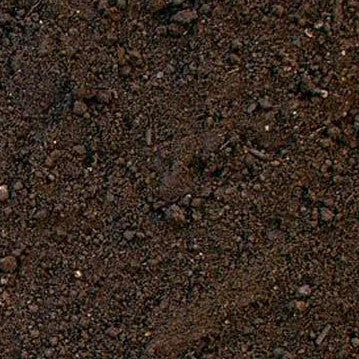
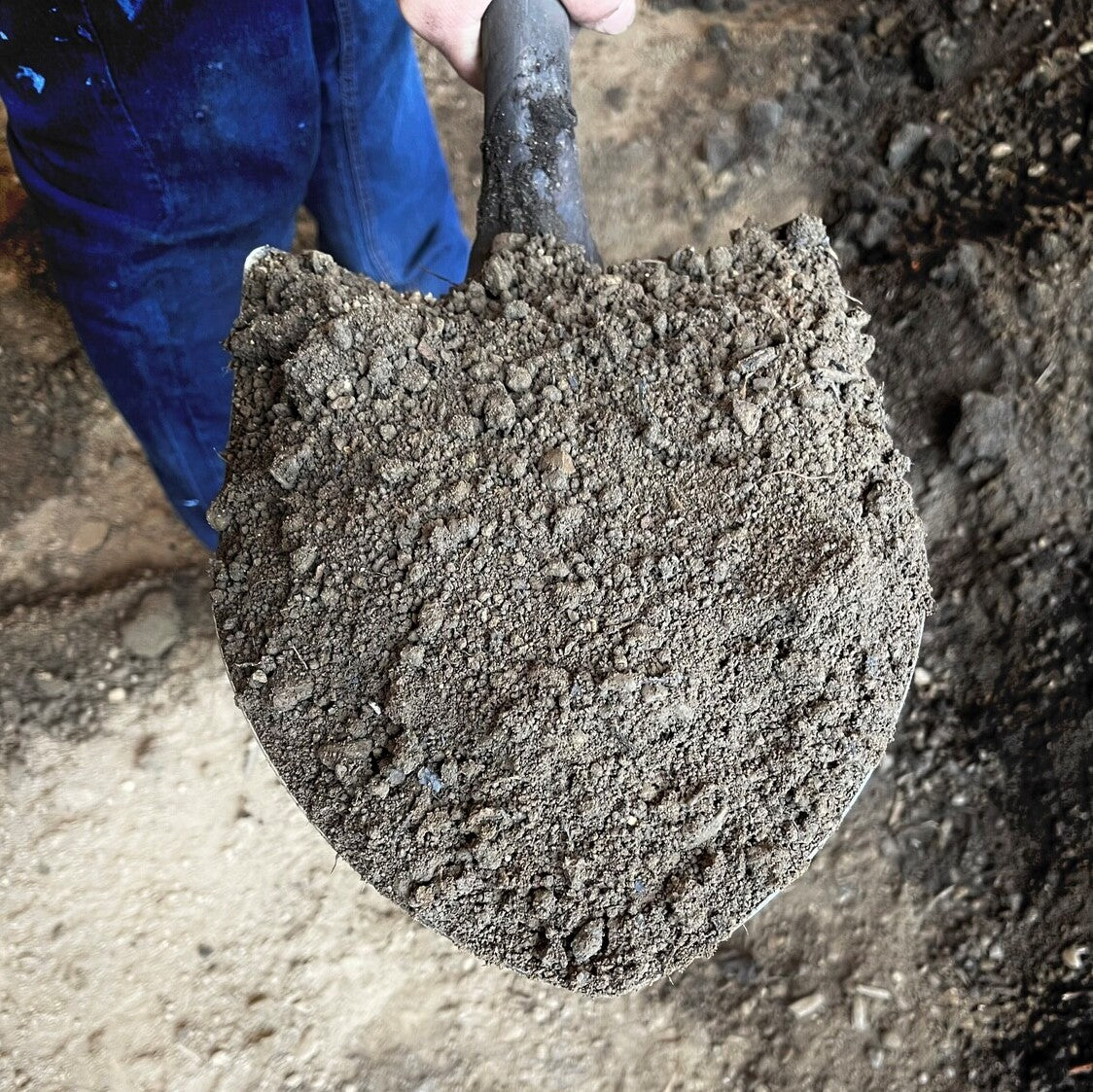
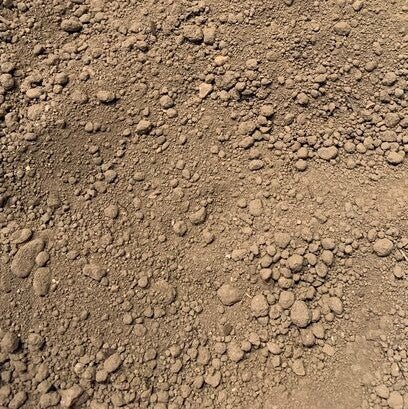
Screened topsoil with a fine, even texture. Ideal for new lawns, sod prep, and raised garden beds.
Good quality top soil and was delivered exactly where I wanted it. Nice Job!
Tell us what you're looking for
Thanks! We received your request.
Something went wrong. Please try again.
How Much Material Do I Need?
How Much Material Do I Need?
For new planting beds and vegetable gardens in Farmington, plan on a minimum of 6 to 10 inches of quality soil above the native ground to give roots a productive zone that holds moisture and nutrients. Lawn top dressing typically requires only 1 to 2 inches spread evenly, but raised beds and new landscape areas need the deeper fill to compensate for the limitations of the native sandy loam underneath.
Use our free soil calculator
What is a Yard?
What is a Yard?
FAQs
FAQs
Farmington Soil Delivery
Farmington Soil Delivery
Regular price
$64.00
per
Yard
Regular price
Sale price
$64.00
Unit price
per
Shipping calculated at checkout.
Minimum of 3 Yard
Couldn't load pickup availability
Not currently available
We can't take orders for this right now. Tell us what you need and we'll get back to you.
Hand-picked local yards
4,000+ regional deliveries
Dedicated support
Why order through Mulch Mound
The best local , without the guesswork.
We hand-pick and partner with the best yards in your region, keep only the ones our buyers rate well, and back each load with our guarantee.
Mulch Mound Guarantee
If your isn't the quantity or quality you ordered, we'll make it right.
About this soil
Screened topsoil with a fine, even texture. Ideal for new lawns, sod prep, and raised garden beds.
Good quality top soil and was delivered exactly where I wanted it. Nice Job!
How Much Material Do I Need?
How Much Material Do I Need?
For new planting beds and vegetable gardens in Farmington, plan on a minimum of 6 to 10 inches of quality soil above the native ground to give roots a productive zone that holds moisture and nutrients. Lawn top dressing typically requires only 1 to 2 inches spread evenly, but raised beds and new landscape areas need the deeper fill to compensate for the limitations of the native sandy loam underneath.
Use our free soil calculator
What is a Yard?
What is a Yard?
FAQs
FAQs
Tell us what you're looking for
Thanks! We received your request.
Something went wrong. Please try again.
How It Works
Getting started is easy — just follow these simple steps
1
Choose your soil
Make sure you adjust the quantity to your home's needs. You can use our calculator to estimate how much you'll need.
2
Select your delivery date
Select a delivery date you'd like for the product to be dropped off at your home
3
Sit back and wait
Sit back, wait, and let us work our magic to make sure the highest quality product is delivered to your driveway.

Online ordering was really simple and I liked the transparent pricing.

Easy to order, great service, and great product. We enjoy the final look of a very neglected beds we inherited!
Need Help Calculating How Much Soil You Need?
Use our NEW Trace from Satellite tool to get an estimate for your project based on an aerial view of your property
Try Our CalculatorCalculate the square footage of your project area by multiplying length by width, then decide on your target depth in inches. Divide the square footage by 324 for a 1 inch depth in cubic yards, or by 81 for a 4 inch depth. For raised beds in Farmington where a 10 to 12 inch fill is common, divide your square footage by 27 to estimate cubic yards needed at that full depth.
Complete Your Outdoor Soil Project
Topping your new soil with a layer of wood mulch locks in moisture and adds organic matter as it breaks down, which is exactly what Farmington's amended beds need to improve over time. A border of decorative gravel or flagstone around your soil areas also helps prevent erosion during the occasional heavy monsoon storm that rolls through the area in July and August.
Service area
Areas we deliver soil in Farmington, New Mexico
Mulch Mound Pro Tip
Farmington's alkaline soil conditions are made worse by the hard irrigation water coming from the San Juan River watershed. Before filling raised beds or new planting areas, test the pH of your new soil after its first week of watering. A target pH between 6.5 and 7.0 keeps the widest range of nutrients available to plant roots. If pH climbs above 7.5, iron and manganese become locked up and you will see yellowing leaves even in well watered, well fertilized plants.
Mulch Mound Pro Tip
Plan your soil delivery for a day or two before you intend to plant so the material has time to settle and you can identify any low spots that need additional fill. Soil delivered fresh from a bulk yard can be fluffier in texture than it will be after a watering cycle, and what looks level when you spread it may show small depressions after the first irrigation. Taking a day to let it settle and then raking again before planting gives you a more even finished grade.
Mulch Mound Pro Tip
In Farmington, the window between the last frost on May 5th and the first frost on October 7th is about 154 days, which is tight for warm season crops. Give your soil the best possible start by warming it with black plastic sheeting for one to two weeks before planting. The plastic absorbs solar heat and raises soil temperature several degrees, which accelerates germination and early root development. Every extra week of root growth before summer heat sets in makes plants more resilient through the dry stretch of June.
The Unique Landscape of Farmington
The native sandy loam soil across Farmington and the surrounding San Juan Basin is low in organic matter and drains so efficiently that roots often dry out between waterings even when irrigation is running regularly. At 5,473 feet of elevation, the growing season is compressed between a last frost around May 5th and a first frost as early as October 7th, giving plants only about five months to establish and thrive. During that window, the quality of your soil determines everything from germination rates to drought tolerance to how well plants survive the following winter. Bringing in a quality amended topsoil or garden blend is the most direct way to give vegetables, ornamentals, and lawn areas the foundation they cannot find in Farmington's native ground. With only 8 inches of annual rainfall, soil that can actually hold moisture and deliver nutrients efficiently is not a luxury, it is a necessity for anything you want to grow successfully here.