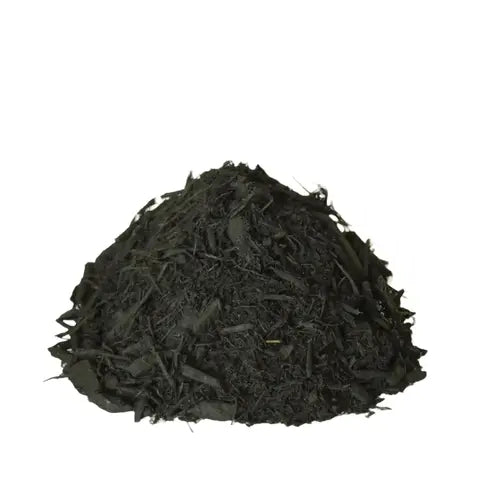
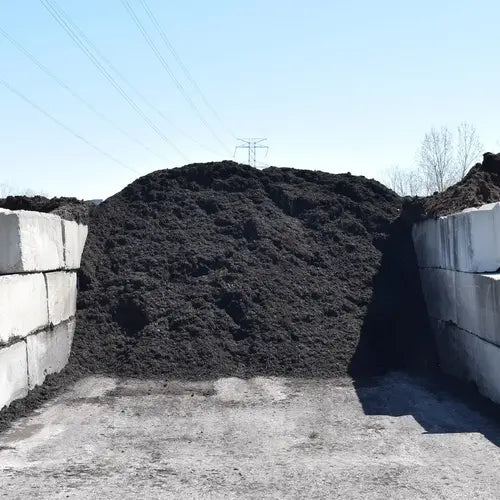
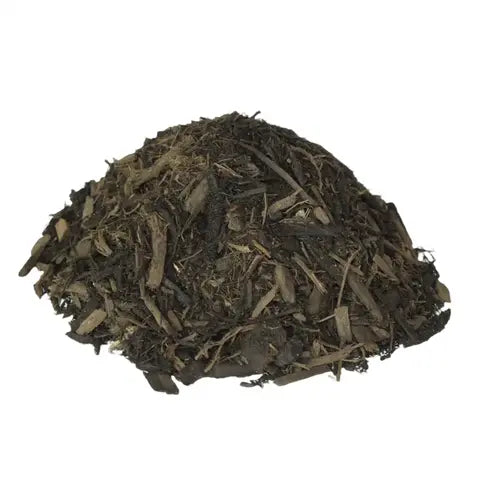
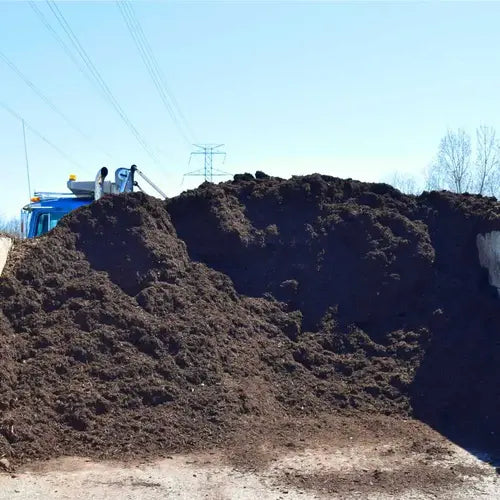
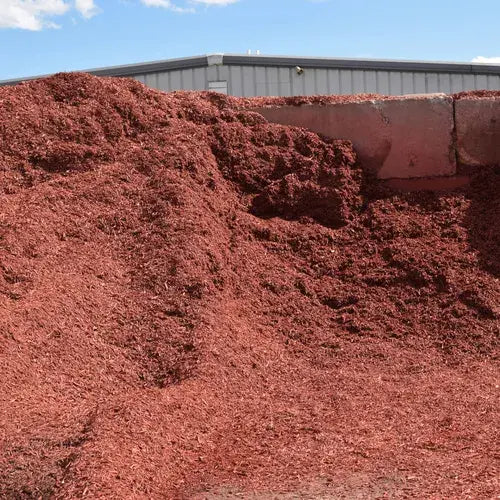
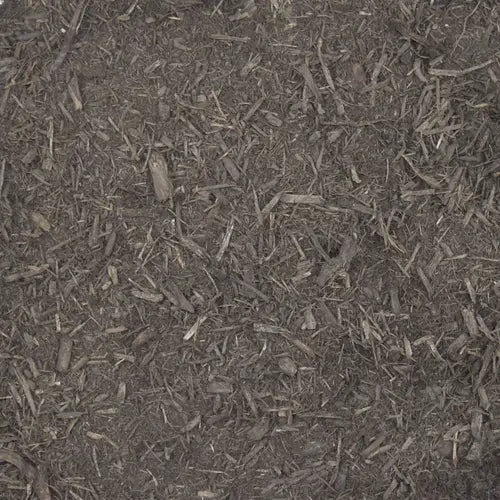
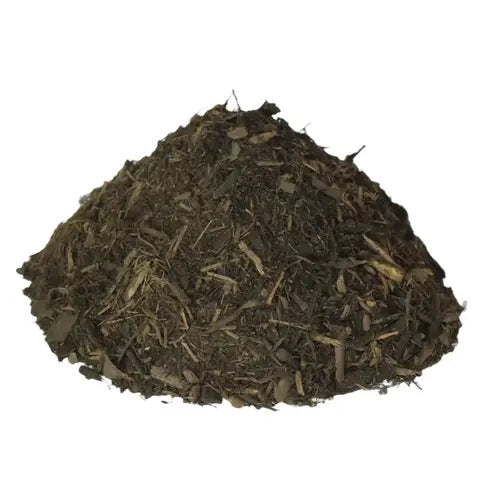
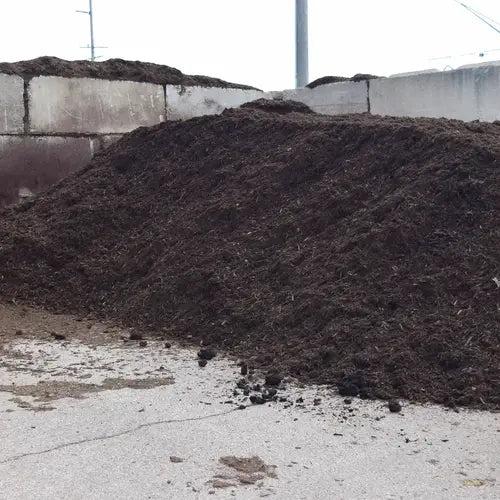
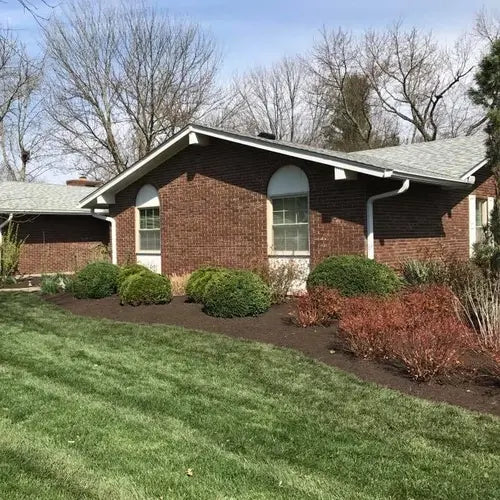
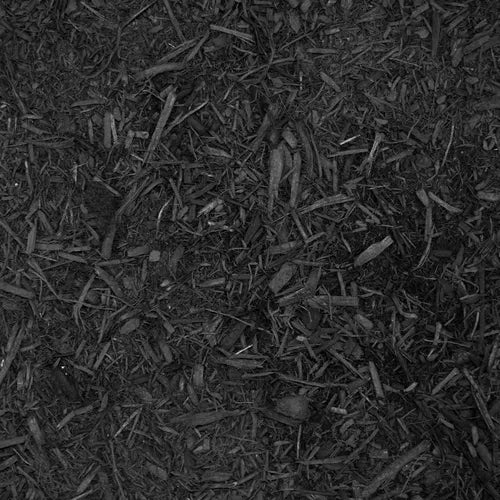
Bold black double shredded mulch that transforms beds instantly. The rich color holds strong through sun and rain, and the smooth texture spreads effortlessly.
We had a great experience today. This was our first time using Mulch Mound, and I found the price competitive and the online ordering very easy. We are impressed with the quality of the mulch, too! It is covering well - a great value!
Tell us what you're looking for
Thanks! We received your request.
Something went wrong. Please try again.
How Much Material Do I Need?
For most Findlay planting beds over silt loam, plan on 2 to 3 inches of mulch to adequately suppress weeds and buffer soil moisture through the wet spring season. Larger landscape beds with full sun exposure may benefit from the full 3-inch depth to compensate for faster surface drying between rain events.
Use our free mulch calculator
What is a yard?
A yard is approximately 27 cubic feet. As a general guideline, one yard of material can cover an area of about 100-160 square feet at a 2-3 inch depth.
We can't take orders for this right now. Tell us what you need and we'll get back to you.
What do you need?
Thanks! We received your request.
Something went wrong. Please try again.
Hand-picked local yards
4,000+ regional deliveries
Dedicated support
Why order through Mulch Mound
The best local mulch, without the guesswork.
We hand-pick and partner with the best yards in your region, keep only the ones our buyers rate well, and back each load with our guarantee.
Mulch Mound Guarantee
If your mulch isn't the quantity or quality you ordered, we'll make it right.
About this mulch
Bold black double shredded mulch that transforms beds instantly. The rich color holds strong through sun and rain, and the smooth texture spreads effortlessly.
We had a great experience today. This was our first time using Mulch Mound, and I found the price competitive and the online ordering very easy. We are impressed with the quality of the mulch, too! It is covering well - a great value!
How Much Material Do I Need?
For most Findlay planting beds over silt loam, plan on 2 to 3 inches of mulch to adequately suppress weeds and buffer soil moisture through the wet spring season. Larger landscape beds with full sun exposure may benefit from the full 3-inch depth to compensate for faster surface drying between rain events.
Use our free mulch calculator
What is a yard?
A yard is approximately 27 cubic feet. As a general guideline, one yard of material can cover an area of about 100-160 square feet at a 2-3 inch depth.
We had a great experience today. This was our first time using Mulch Mound, and I found the price competitive and the online ordering very easy. ...
Read full review
We had a great experience today. This was our first time using Mulch Mound, and I found the price competitive and the online ordering very easy. We are impressed with the quality of the mulch, too! It is covering well - a great value!
Great experience with mulch mound. Their online calculator made it easy to estimate how many yards of mulch I needed and delivery was quick. I woul...
Read full review
Great experience with mulch mound. Their online calculator made it easy to estimate how many yards of mulch I needed and delivery was quick. I would definitely recommend them for your future projects.
Measure the length and width of each bed in feet, multiply them together, then divide by 12 to get the cubic feet needed per inch of depth. Findlay beds over silt loam that compacts easily benefit from a full 3-inch layer, so multiply your cubic-foot number by 0.25 to convert to cubic yards. Having your measurements ready before ordering avoids over or under estimating for your specific yard layout.
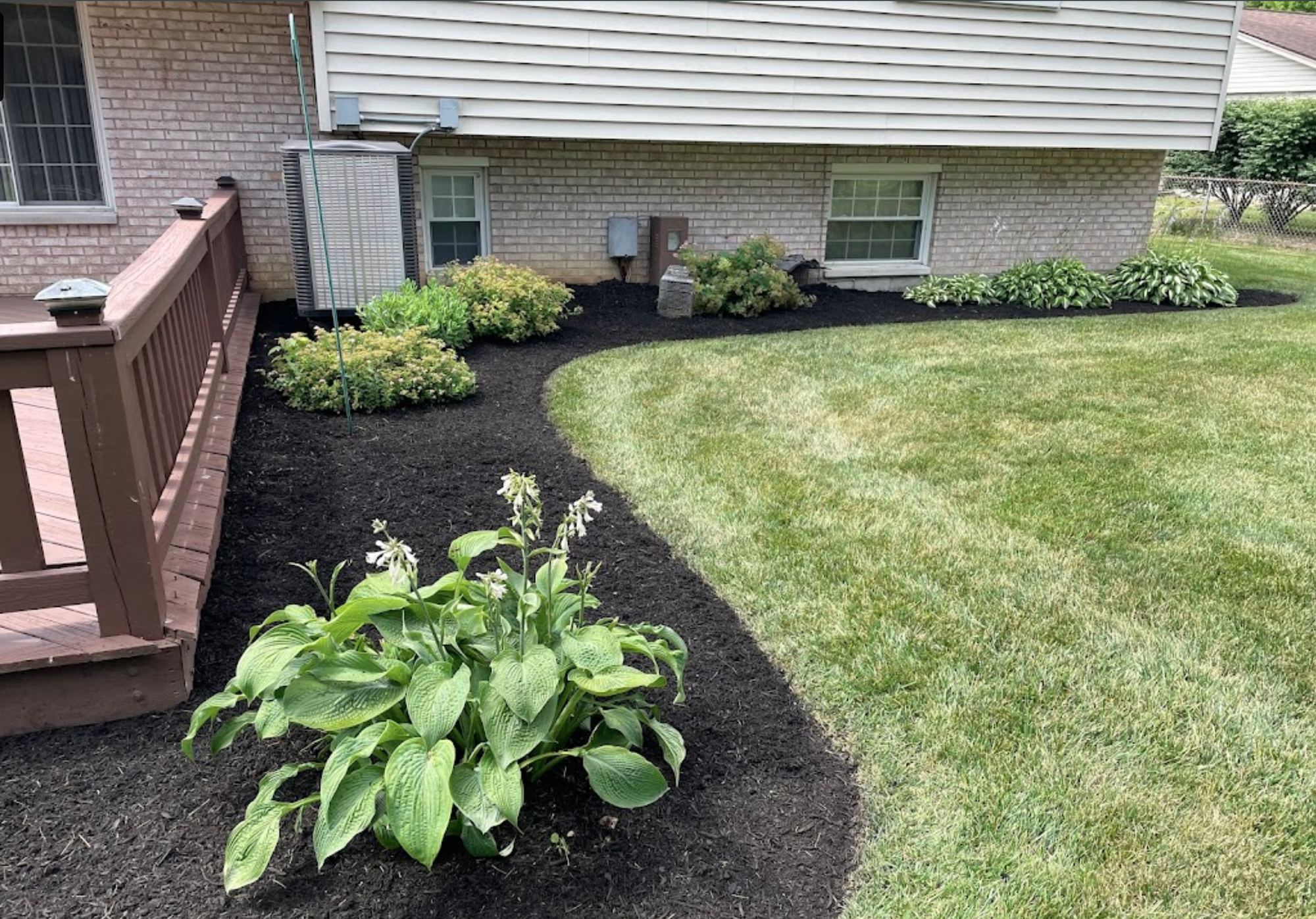
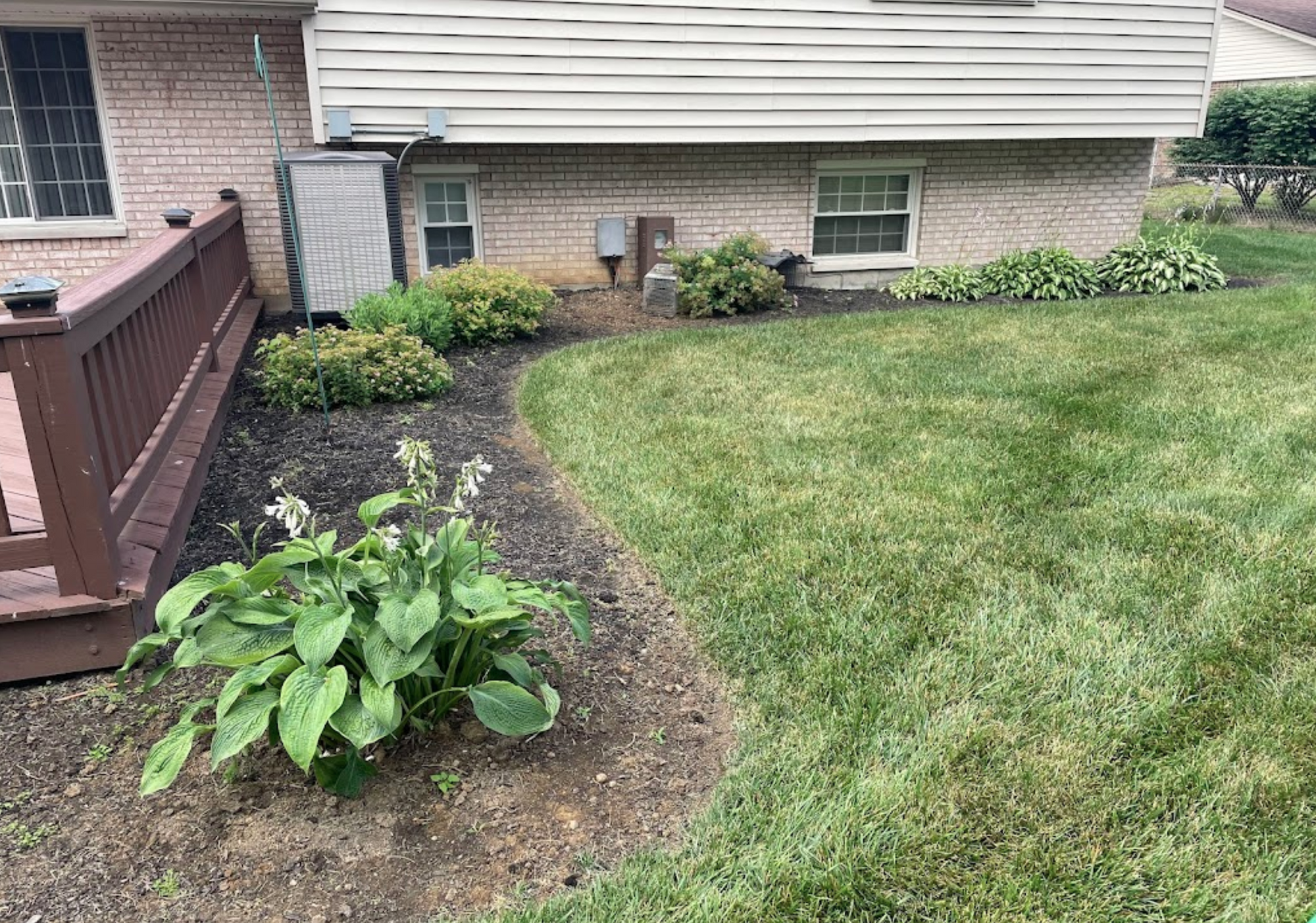
Mulch vs. No Mulch: The Difference
Findlay's combination of warm humid summers and 35 inches of annual rainfall means natural hardwood mulch breaks down relatively quickly, typically within one full growing season, which is actually a benefit because it feeds organic matter back into the silt loam below. Dyed mulches use colorfast pigments that slow the breakdown process slightly and hold visual appeal longer, which can be appealing for high-visibility front beds where curb appeal matters through the entire season. The right choice often depends on whether you prioritize long-term soil improvement or consistent color through Findlay's July and August heat.
Before
After
Best Mulch Choice for Findlay Lawns
Most yards in the Findlay area sit on Silt Loam type of soil. Findlay's silt loam tends to form a compacted surface crust after repeated rain events, which makes it surprisingly easy for weed seeds to sprout on bare soil between plants in unprotected beds. Laying a consistent mulch layer breaks that cycle by keeping the surface from hardening and blocking the light that most annual weed seeds need to germinate.
Hardwood Mulch
As hardwood mulch decomposes into Findlay's silt loam it introduces organic matter that loosens the soil structure and improves both drainage during heavy spring rains and moisture retention during the drier stretches of late summer. Over two or three seasons, the continued addition of decomposed hardwood gradually converts a dense silt loam bed into a richer, more workable growing medium that supports deeper root development across the whole planting area.
Mulch Types We Deliver in Findlay
Mulch Mound delivers bulk mulch by the cubic yard across northwest Ohio, making bulk mulch delivery in Findlay as straightforward as placing an order. We drop loads curbside or in the driveway, ready to spread. All of our varieties are built to hold up through warm, humid summers and perform well over the clay soils typical in this region.
Dyed Black Mulch
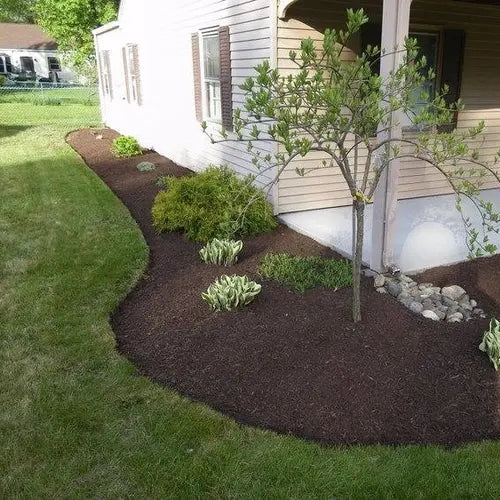
Dyed Black Mulch makes landscape beds pop against lighter brick and siding. Available in double shredded or triple shredded, it holds its bold color through rain and sun and spreads smoothly over the clay-based soils common in this region.
Natural Brown Mulch
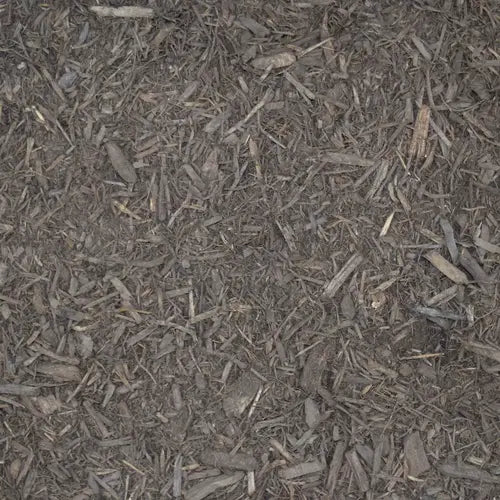
Natural Brown Mulch offers a warm, earthy tone straight from the wood with no dye added. It comes in double shredded or triple shredded and suits the tidy, traditional yard styles found on many residential properties in this part of Ohio.
Dyed Red Mulch
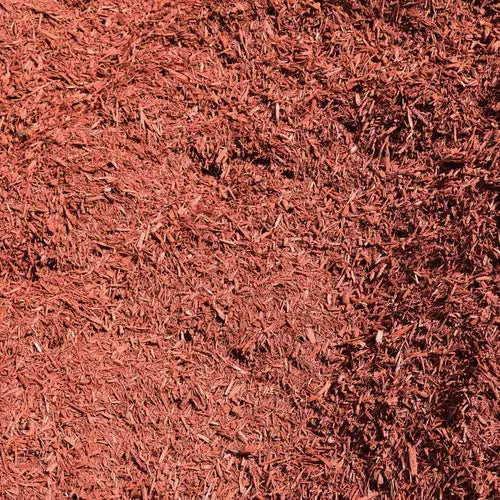
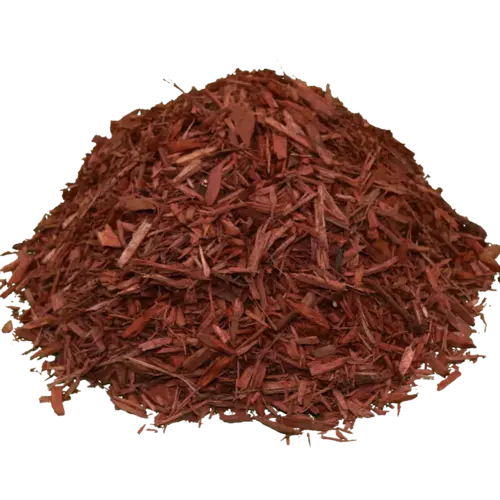
Dyed Red Mulch delivers a bold red color that holds all season, pairing well with green lawns and brick homes common in this area. It comes in double shredded only, spreading to a fine, even texture that builds reliable weed coverage.
Playground Mulch
Playground Mulch is an engineered wood fiber product designed for safety and drainage under play equipment. It cushions falls and holds up through the wet springs and warm summers common in northwest Ohio, making it a practical ground cover for backyard play areas.
Complete Your Outdoor Mulch Project
If you are refreshing multiple areas of your Findlay yard, pairing mulch with a quality bulk topsoil can help you rebuild low spots or thin beds before laying the mulch layer on top. Adding a decorative stone border around mulched beds also helps keep mulch in place during the heavy spring rains common across northwest Ohio.
Findlay's silt loam compacts quickly under foot traffic, so before you spread any mulch, loosen the top inch or two of bed soil with a hand cultivator. This simple step lets water from spring rains penetrate instead of pooling at the mulch and soil interface. It also gives newly planted roots an easier path downward from the start of the growing season in late April through the heat of summer.
Mulch Mound Pro Tip
If you are mulching around evergreen shrubs in Findlay, time your application for mid to late October just before the first frost around October 18. Evergreens keep transpiring water through winter, and a fresh mulch layer keeps ground moisture accessible to roots even during hard freeze periods. Avoid banking mulch directly against the trunk or main stems where it can hold excess moisture against bark during the warm spells that punctuate Zone 6b winters.
Mulch Mound Pro Tip
With 35 inches of annual rainfall in Findlay, erosion on sloped beds is a real concern especially during the heavy spring rain events that arrive between March and May. Shredded hardwood mulch interlocks as it settles and resists washing far better than wood chips or nuggets on any incline steeper than a gentle slope. For grades that drop more than 6 inches over a 10-foot run, consider pinning a layer of jute netting over fresh mulch to hold everything in place until plants fill in and anchor the bed.
Frequently Asked Questions
Click a question to see the answer
Answer
How thick should I apply mulch in my Findlay flower beds?
For most Findlay flower beds, a 2 to 3 inch layer hits the sweet spot. Findlay's silt loam already retains moisture fairly well on its own, so going past 4 inches can trap too much water against plant crowns and lead to rot. Stick to 2 inches around perennial crowns heading into the October frost season, and fluff the layer each spring after the April 15 last frost date has passed.
Answer
Will mulch really make a difference with all the rain Findlay gets each year?
It makes a big difference precisely because of that rainfall. Findlay averages 35 inches of rain per year, and without mulch those repeated wet events pound bare silt loam into a compacted crust that resists further water infiltration. Mulch absorbs the impact of raindrops, slows runoff, and lets water percolate slowly into the root zone instead of sheeting off the surface of the bed.
Answer
When is the best time of year to put down mulch in Findlay?
Late April through early May is ideal for most Findlay homeowners. Waiting until after the April 15 average last frost means the soil has begun warming, and laying mulch at that point traps heat rather than keeping cold soil cold. A second light top-dress in early October, just before the typical first frost around October 18, gives perennials and shrub roots a protective layer heading into winter.
Answer
Does colored or dyed mulch hold up through a Findlay winter?
Dyed mulches generally hold their color through the first winter reasonably well, but Findlay's freeze-thaw cycles between November and March can accelerate fading on south-facing beds that receive direct sun on warm winter days. Natural hardwood mulch tends to gray out more gracefully and adds organic matter to the soil as it decomposes, which is a real bonus for silt loam beds that benefit from added organic content over time.
Answer
How often do I need to refresh mulch in a Findlay yard?
Findlay's warm and humid summers speed up decomposition compared to drier climates, so most natural hardwood mulch breaks down noticeably within one full growing season and benefits from a fresh 1 to 2 inch top-dress each spring. If you used a dyed or hardwood nugget product you may get closer to 18 months before the layer thins enough to let weeds push through consistently.
Answer
Can mulch protect my plants from a tough Findlay winter?
Yes, especially for marginally hardy plants in Zone 6b. A 3 to 4 inch layer of mulch over the root zone of borderline perennials and newly planted shrubs can keep soil temperatures several degrees warmer than bare ground during the coldest stretches between December and February. Pull the mulch back slightly from plant crowns in early April so the soil can warm evenly once the last frost window passes around mid-month.
Answer
What type of mulch works best around trees in a Findlay yard?
Shredded hardwood mulch is a strong choice for tree rings in Findlay. It knits together as it settles and resists the displacement that comes from the moderate wind events common across northwest Ohio. Keep the mulch ring 3 to 4 inches deep but pull it back from the trunk so bark stays dry. As the hardwood breaks down it gradually improves the silt loam below, feeding the tree's feeder roots across multiple seasons.
The Unique Landscape of Findlay
Findlay's silt loam soil holds moisture reasonably well but can develop a crusty surface layer after heavy rains, making weed seeds eager to germinate and take hold in bare beds. With roughly 35 inches of rainfall spread across the year, exposed bed soil in Findlay goes through repeated wet and dry cycles that compact the top layer and stress plant roots throughout the growing season. A consistent layer of mulch buffers those swings, keeping soil temperatures stable from the last frost around April 15 through the first hard freeze near October 18. Zone 6b winters are cold enough that shallow-rooted perennials genuinely benefit from the insulating layer mulch provides over their crowns heading into December. Aesthetically, Findlay's warm and humid summers cause unmulched beds to look patchy and weed-choked by July, while a fresh mulch layer keeps curb appeal strong through the entire growing season.