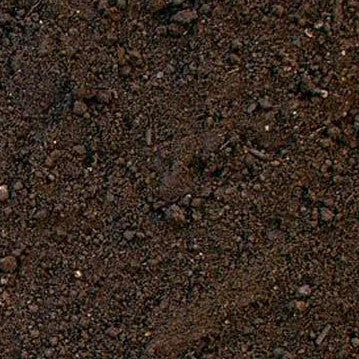
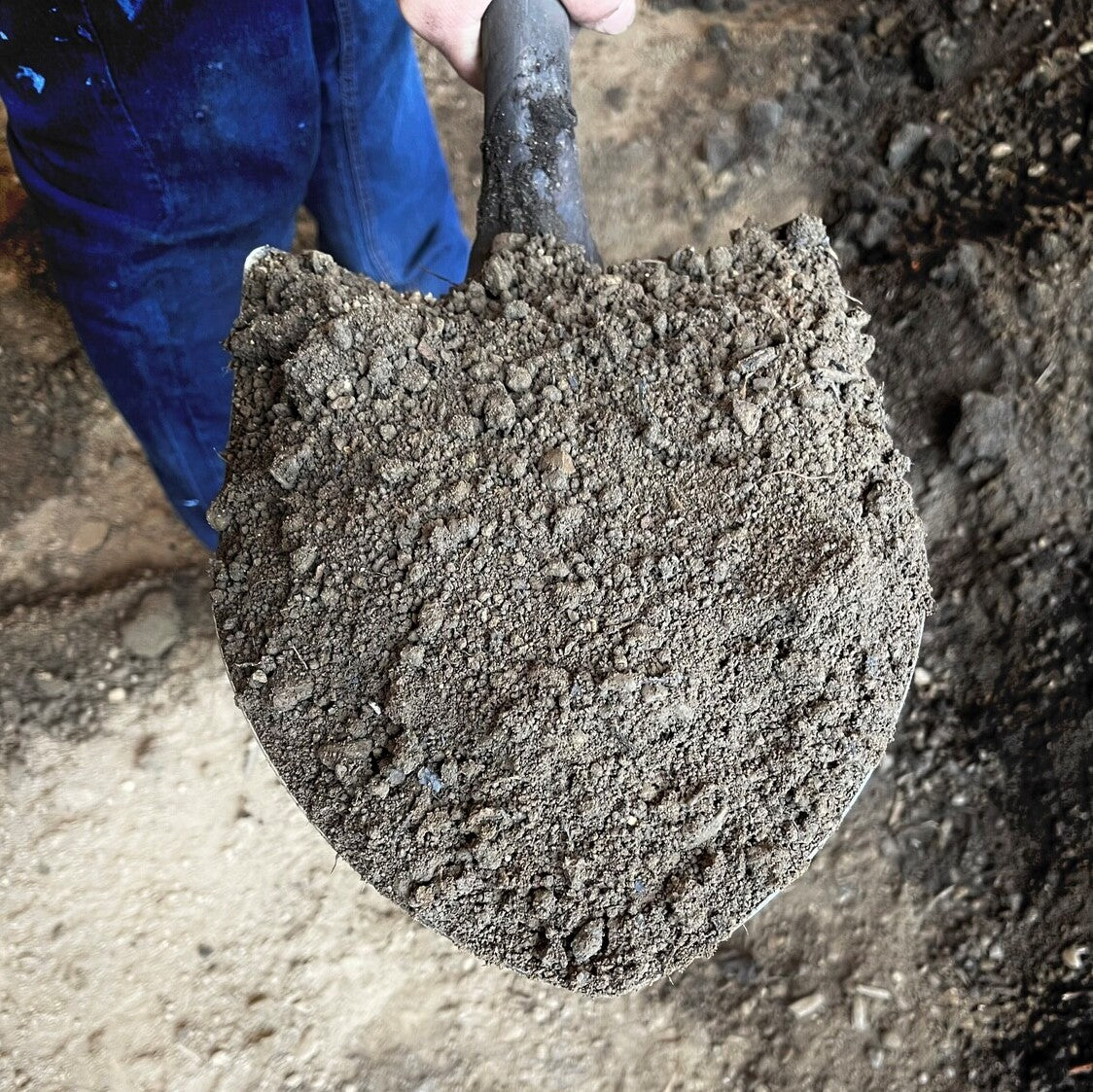
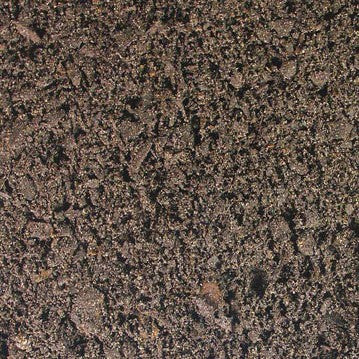
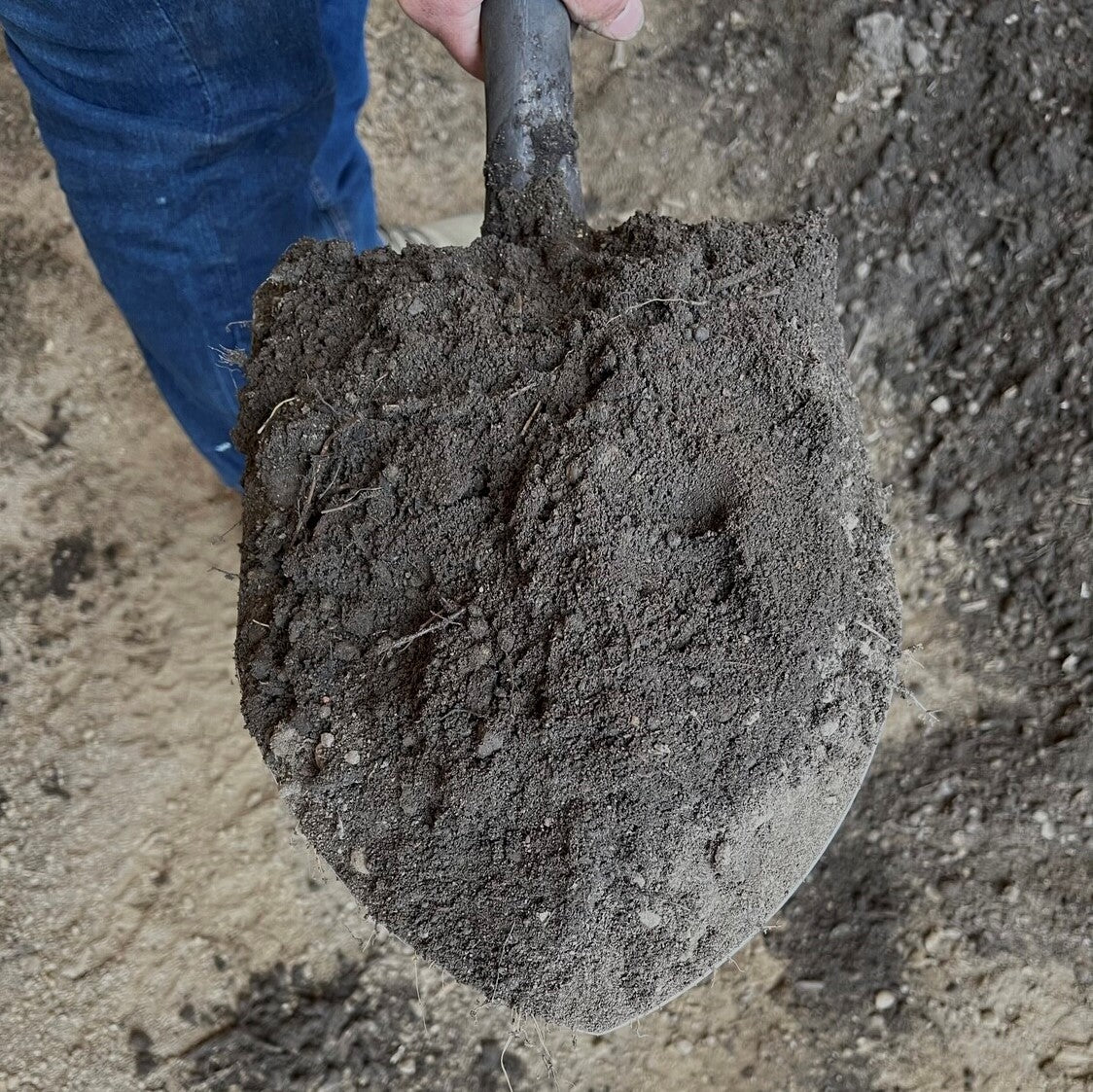
Quality topsoil for lawns, gardens, and landscape projects. Nutrient rich and ready to support strong root development and healthy plant establishment.
Ordered the planting mix with an early Saturday delivery. Super easy ordering experience. Dirt was delivered on time and delivery driver was kind enough to let us know I would take up more room than we though so we could pull cars out of the garage. Will be ordering again
Tell us what you're looking for
Thanks! We received your request.
Something went wrong. Please try again.
How Much Material Do I Need?
For new raised beds in Findlay, plan on at least 12 inches of topsoil depth to give vegetables and perennials enough root room above the native silt loam layer. For lawn grading and leveling, 1 to 3 inches is typically enough to correct minor slope issues across Findlay's characteristically flat residential lots.
Use our free soil calculator
What is a yard?
A yard is approximately 27 cubic feet. As a general guideline, one yard of material can cover an area of about 100-160 square feet at a 2-3 inch depth.
What is a yards?
A yard is approximately 27 cubic feet. As a general guideline, one yard of material can cover an area of about 10 feet by 10 feet at a few inches deep.
We can't take orders for this right now. Tell us what you need and we'll get back to you.
What do you need?
Thanks! We received your request.
Something went wrong. Please try again.
Hand-picked local yards
4,000+ regional deliveries
Dedicated support
Why order through Mulch Mound
The best local soil, without the guesswork.
We hand-pick and partner with the best yards in your region, keep only the ones our buyers rate well, and back each load with our guarantee.
Mulch Mound Guarantee
If your soil isn't the quantity or quality you ordered, we'll make it right.
About this soil
Quality topsoil for lawns, gardens, and landscape projects. Nutrient rich and ready to support strong root development and healthy plant establishment.
Ordered the planting mix with an early Saturday delivery. Super easy ordering experience. Dirt was delivered on time and delivery driver was kind enough to let us know I would take up more room than we though so we could pull cars out of the garage. Will be ordering again
How Much Material Do I Need?
For new raised beds in Findlay, plan on at least 12 inches of topsoil depth to give vegetables and perennials enough root room above the native silt loam layer. For lawn grading and leveling, 1 to 3 inches is typically enough to correct minor slope issues across Findlay's characteristically flat residential lots.
Use our free soil calculator
What is a yard?
A yard is approximately 27 cubic feet. As a general guideline, one yard of material can cover an area of about 100-160 square feet at a 2-3 inch depth.
What is a yards?
A yard is approximately 27 cubic feet. As a general guideline, one yard of material can cover an area of about 10 feet by 10 feet at a few inches deep.
Ordered the planting mix with an early Saturday delivery. Super easy ordering experience. Dirt was delivered on time and delivery driver was kind e...
Read full review
Ordered the planting mix with an early Saturday delivery. Super easy ordering experience. Dirt was delivered on time and delivery driver was kind enough to let us know I would take up more room than we though so we could pull cars out of the garage. Will be ordering again
Measure the length, width, and intended depth of fill for each area, convert depth to feet by dividing inches by 12, then multiply all three dimensions together to get cubic feet. Divide that result by 27 to get cubic yards for your order. Findlay's silt loam compacts after rain, so if you are filling low spots in a lawn, adding 10 to 15 percent extra to your estimate helps account for natural settling after the first few wet spring weeks.
Soil Types We Deliver in Findlay
Mulch Mound delivers bulk topsoil by the yard in Findlay, bringing quality soil products straight to your property without the hassle of hauling. Northwest Ohio's clay-heavy native ground makes imported, well-amended soil especially valuable for lawns, gardens, and leveling projects. All orders are measured by the cubic yard and drop-shipped to your driveway or job site.
Screened Top Soil
Our screened topsoil is finely processed to remove rocks, roots, and debris, producing a clean and workable mix for lawn repairs, garden beds, and landscape grading. It is nutrient rich and supports strong root development, making it a go-to choice for Findlay homeowners establishing new turf or planting areas.
Premium Gardening Blend
This premium blend combines topsoil and compost into a ready-to-plant mix ideal for raised beds and new garden installations. The added organic content helps counter the clay-heavy soils common across northwest Ohio, improving drainage and giving transplants and seeds a healthy start.
Fill Dirt
Standard fill dirt is unscreened topsoil best suited for grading, rough leveling, and filling low spots around a home's foundation or yard. It is a cost-effective choice when you need volume rather than fine texture, and it serves well as a base layer beneath decorative landscape materials.
Leaf Compost
Aged leaf compost boosts organic matter in tired or compacted soils and helps them retain moisture through the dry stretches of an Ohio summer. Work it into existing beds or spread it as a top dressing to improve soil texture and support healthier plant growth season after season.
Complete Your Outdoor Soil Project
Once your soil grade is set, finishing the surface with a layer of bulk mulch helps protect the new topsoil from compacting under Findlay's frequent spring rains and suppresses the weeds that establish quickly in fresh, bare soil. Adding a decorative stone edge around raised beds or graded planting areas also keeps the new topsoil from eroding into lawn areas after heavy rain events.
Is bulk topsoil actually better than the native silt loam already in my Findlay yard?
Native silt loam in Findlay is reasonably fertile but compacts easily and can drain poorly in low spots, which limits what you can grow in it without significant amendment. Bulk topsoil lets you build up a loose, workable layer above the native soil so plant roots establish quickly and water moves through the profile more predictably. For raised beds or new lawn areas disturbed by construction, starting with fresh topsoil rather than fighting compacted native material saves significant time and effort.
Answer
How much topsoil do I need to level my Findlay lawn?
For lawn leveling in Findlay, most low spots only need 1 to 2 inches of topsoil to bring them flush with the surrounding grade. Measure the area of each low spot and its average depth and use those numbers to calculate cubic yards needed. Keep in mind that Findlay's relatively flat terrain means water has nowhere to go in low spots, so filling them with topsoil and reseeding is one of the most effective ways to prevent standing water after the area's frequent spring rains.
Answer
When is the right time to fill raised garden beds with new soil in Findlay?
The best window for filling and planting raised beds in Findlay is between early May and mid-May, after the last frost typically clears around April 15. Filling beds in late April allows the soil to settle and begin warming before transplants go in. Avoid filling in fall and leaving beds bare over winter, as Findlay's freeze-thaw cycles can heave and compact fresh topsoil considerably before spring planting begins.
Answer
Will bulk topsoil help fix the drainage problems in my Findlay backyard?
Grading with quality topsoil is one of the most effective ways to redirect surface water in Findlay's characteristically flat terrain. By building gentle slopes away from foundations and chronically wet areas, you encourage the 35 inches of annual rainfall to move toward the street or a designated drainage point instead of pooling in the yard. Pairing topsoil grading with a dry creek bed of decorative stone can create both a functional drainage solution and an attractive landscape feature at the same time.
Answer
What is the difference between bulk topsoil and bagged garden soil for my Findlay vegetable beds?
Topsoil is the raw upper layer of earth and its quality varies by source, while bagged garden soil blends typically include compost or other amendments pre-mixed in at a higher cost per cubic yard. A good bulk topsoil for Findlay vegetable gardens should be dark, loose, and low in clay content so it does not pack down around vegetable roots during wet spring months. Many Findlay gardeners start raised beds with bulk topsoil and then work in their own compost each season, which gives more control over long-term soil health than relying on pre-amended products.
Answer
How do I calculate how many yards of soil to order for a Findlay project?
Start by measuring the length and width of the area in feet, then estimate the depth of soil you need to add in inches. Multiply length by width by depth converted to feet (divide inches by 12) to get cubic feet, then divide by 27 to convert to cubic yards. For Findlay lawn leveling projects, most homeowners underestimate the volume needed because silt loam compresses after a few good rain events, so ordering a little extra is a smart move.
Answer
Can I use bulk topsoil to improve my existing Findlay garden beds without starting over?
Absolutely. Topdressing existing beds with 1 to 2 inches of quality topsoil each season is a practical approach for Findlay gardens where the native silt loam has become compacted or depleted over several growing seasons. Work the new soil lightly into the existing layer rather than leaving it as a distinct cap, which helps roots move freely between layers without hitting a hard transition zone. Doing this annually builds the loose structure that Findlay's silt loam loses over time under repeated rainfall and seasonal foot traffic.
Mulch Mound Pro Tip
After you spread fresh topsoil in Findlay, resist the urge to plant immediately in a newly filled area that has not settled. Water the area thoroughly and wait a few days so the soil compresses naturally before you set transplants or lay sod. Findlay's spring rain events will do some of this work for you if you fill in April, but giving the soil a good soaking first prevents the sinking and settling that can heave young plant roots loose in the weeks after planting.
Mulch Mound Pro Tip
If you are grading near your home's foundation in Findlay, the goal should be a slope that drops at least 6 inches over the first 10 feet away from the structure. Findlay's flat terrain and 35 inches of annual rainfall make foundation moisture a genuine risk, and a gentle grade maintained with topsoil keeps water moving away from the basement or crawlspace consistently through the wet season. Check the grade again each fall, as freeze-thaw cycles through the winter months can cause settled soil to shift and flatten near the foundation.
Mulch Mound Pro Tip
For vegetable gardeners in Findlay planning raised beds, consider the timing of your soil delivery in relation to the last frost date. Ordering topsoil for delivery in mid to late April means it can settle and begin warming in the raised bed frame before frost-sensitive transplants go in after April 15. Soil that has had a week or two in an above-ground bed warms considerably faster than native ground soil, giving summer vegetables like tomatoes and peppers a meaningful head start in Zone 6b.
The Unique Landscape of Findlay
Findlay sits on a relatively flat landscape with native silt loam that is fertile in its natural state but notorious for compacting under heavy rain and foot traffic, leaving it poorly suited for new planting projects without added material. When homeowners dig out old beds, grade a new lawn area, or install a raised garden, they quickly discover that native soil alone does not provide the loose, nutrient-rich growing medium most vegetables and ornamentals need to thrive. Imported bulk topsoil allows you to control the quality and depth of the growing layer in ways you simply cannot achieve by amending compacted native silt loam alone. Findlay's 35 inches of annual rainfall also mean drainage is a constant concern, and a quality topsoil blend can help redirect water away from foundations and chronically wet low spots. Whether you are establishing a new lawn after construction, filling raised beds for a vegetable garden, or grading around a downspout, bulk soil gives you the raw material to shape the landscape the way you need it.