About this stone

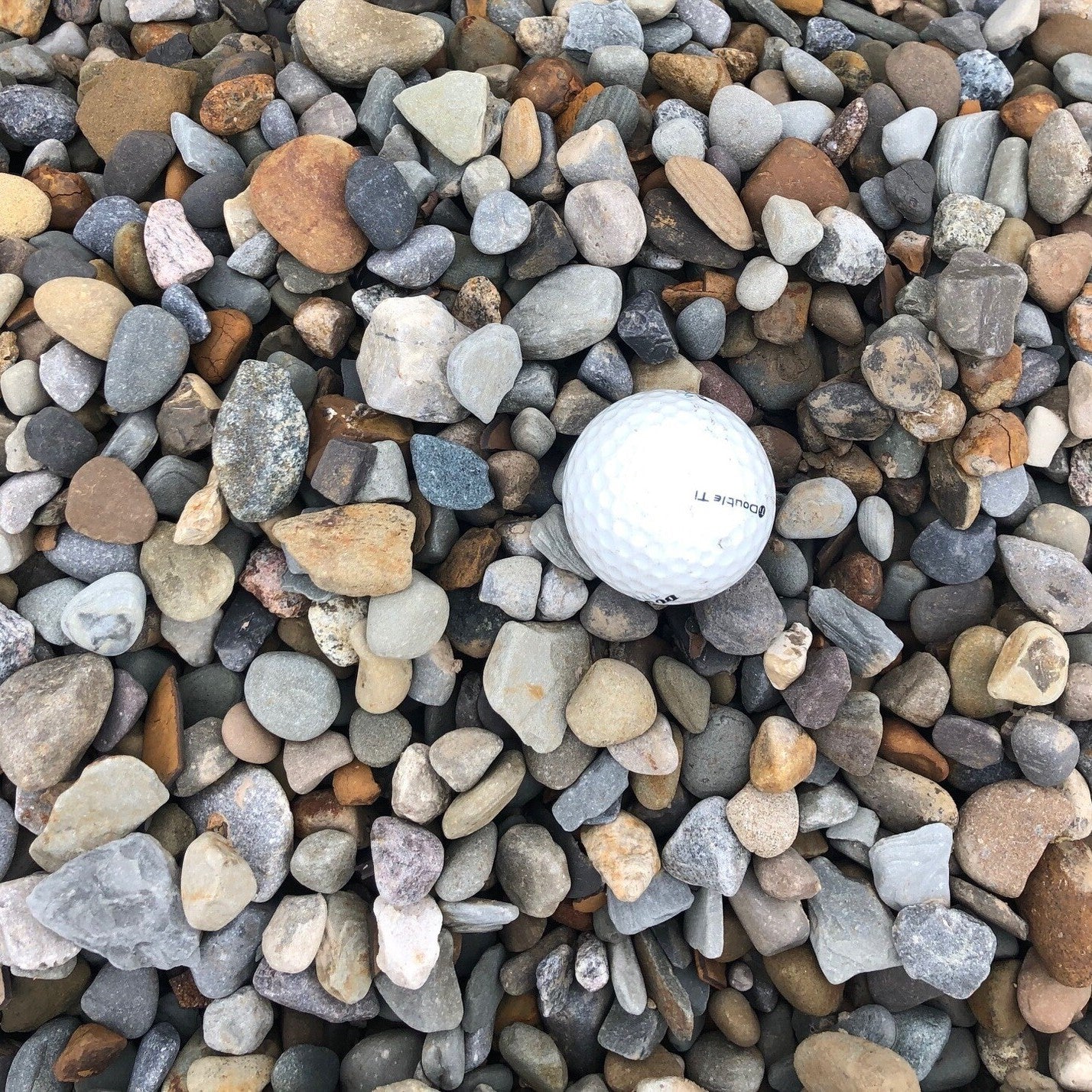
Classic pea gravel with smooth, rounded edges and natural earth tones. A versatile favorite for pathways, patios, drainage, and decorative ground cover.

I contacted Mulch Mound for #57 river rocks and it was easy and fast to get a delivery right before the holiday weekend. Stone was delivered as promised and place exactly where I asked. Excellent service! I will be ordering mulch next!

Findlay Stone Delivery

Findlay Stone Delivery

4.7
137 reviews
Regular price $109.00 per yard
Regular price Sale price $109.00
Sale Sold out
Type
Size
Minimum of 3
1 tree planted for every order

About this stone

Classic pea gravel with smooth, rounded edges and natural earth tones. A versatile favorite for pathways, patios, drainage, and decorative ground cover.

I contacted Mulch Mound for #57 river rocks and it was easy and fast to get a delivery right before the holiday weekend. Stone was delivered as promised and place exactly where I asked. Excellent service! I will be ordering mulch next!

For decorative ground cover areas in Findlay, a 2 to 3 inch depth of stone provides reliable weed suppression over silt loam soil and stays in place through the area's moderate spring and fall rain events. For drainage swales or functional base layers, plan on at least 4 inches to ensure water moves through the stone profile consistently throughout the wet season.
Use our free stone calculator

A yard is approximately 27 cubic feet. As a general guideline, one yard of material can cover an area of about 100-160 square feet at a 2-3 inch depth.

A yard is approximately 27 cubic feet. As a general guideline, one yard of material can cover an area of about 10 feet by 10 feet at a few inches deep.

View full details

How It Works

Getting started is easy — just follow these simple steps

1

Choose your stone

Make sure you adjust the quantity to your home's needs. You can use our calculator to estimate how much you'll need.

2

Select your delivery date

Select a delivery date you'd like for the product to be dropped off at your home

3

Sit back and wait

Sit back, wait, and let us work our magic to make sure the highest quality product is delivered to your driveway.

From The Mouths of Findlay Folks

4.7
out of 5 based on 137 reviews
Google Reviews

Need Help Calculating How Much Stone & Gravel You Need?

Use our NEW Trace from Satellite tool to get an estimate for your project based on an aerial view of your property

Try Our Calculator
📍

Measure the length and width of your stone area in feet and multiply them together to get square footage. Divide that number by the coverage rate for your chosen stone type, which typically ranges from 80 to 100 square feet per ton at a 2-inch depth. For Findlay drainage projects where you want the stone layer to handle the area's frequent spring rain events, err toward the heavier end of the depth range to make sure water moves through the stone profile freely rather than pooling on top.

Complete Your Outdoor Stone Project

Stone borders and pathways pair naturally with bulk mulch for a finished, low-maintenance Findlay landscape where stone handles high-traffic and drainage areas while mulch covers planting beds and tree rings. Adding quality topsoil to grade the areas between stone features ensures water sheds properly across the whole yard and prevents the low-spot pooling that Findlay's flat terrain is prone to after heavy rains.

Map of Findlay, Ohio

Areas We Deliver Stone & Gravel in Findlay, Ohio

No cities found for this region.

See All Locations
Mulch Mound Pro Tip

Before laying any decorative stone in Findlay, invest time in the sub-grade preparation that most homeowners skip. Findlay's silt loam is soft enough that heavy stone will gradually sink into it over two or three seasons without a stable base underneath. For pathways and patio areas, compact the native soil first, then add a 3 to 4 inch layer of crushed gravel and compact that before adding your decorative surface stone. This layered approach gives you a surface that stays level through Zone 6b freeze-thaw cycles for many years.

Mulch Mound Pro Tip

If you are using stone to manage drainage in a Findlay yard, pay careful attention to where the water is being directed, not just where it is coming from. A dry creek bed or gravel swale should have a clear outlet to the street, a rain garden, or another designated drainage point. Findlay's flat terrain means water redirected from one low spot can easily pool in another without a thoughtful outlet plan, so sketch the full flow path from the high point to the exit before you start placing stone.

Mulch Mound Pro Tip

Stone heats up significantly in Findlay's summer sun and can raise the soil temperature in beds where it is used as a mulch replacement. This can be a benefit along south-facing foundation borders where you want to extend warmth into the fall growing season close to the October 18 first frost date, but it can stress shade-loving plants if stone is placed in partially shaded spots. Match your stone ground cover choice to the sun exposure of each specific area to avoid creating an unintentional heat-stressed microclimate around sensitive plantings.

The Unique Landscape of Findlay

Decorative and functional stone is one of the most durable landscaping investments a Findlay homeowner can make, largely because it requires virtually no seasonal maintenance in a climate that demands constant attention from perennials, lawn areas, and mulch beds year after year. Findlay's flat terrain and silt loam soil mean drainage is an ongoing challenge, and strategically placed stone can redirect surface water, line drainage swales, and create dry creek beds that handle the area's 35 inches of annual rainfall without requiring any replanting each season. Stone also holds up through Zone 6b winters without heaving, fading, or washing away the way organic mulch can during the repeated freeze-thaw cycles between November and March. For high-traffic areas like pathways, play spaces, and utility access routes, gravel or crushed stone provides a stable, permeable surface that stays firm even after Findlay's wet spring months. Decorative river stone and larger cobbles offer lasting curb appeal along foundation borders and bed edges that does not fade or need refreshing the way dyed mulch does through the humid summer season.

Frequently Asked Questions

Click a question to see the answer

Answer

What type of stone works best for a drainage swale in my Findlay yard?

River rock or clean washed gravel in the 1 to 3 inch range is the most practical choice for drainage swales in Findlay. The rounded edges of river rock allow water to move through the stone bed quickly without clogging, which matters when you are managing runoff from the 35 inches of rain the area receives annually. Line the swale with landscape fabric before laying stone to prevent silt loam from migrating up into the gravel layer and reducing its drainage capacity over time.

Answer

Will stone pathways stay stable through a Findlay winter?

Properly installed stone pathways hold up well through Zone 6b winters when the base is prepared correctly. The key in Findlay's freeze-thaw climate is installing a 4-inch compacted gravel base below your decorative surface stone before laying the top layer. That base prevents the frost heaving that can shift and displace surface stone when the ground cycles repeatedly between freezing and thawing from December through March. Pathways installed directly on bare silt loam without a compacted base tend to sink unevenly after the first winter.

Answer

How deep should I lay stone for a low-maintenance ground cover area in Findlay?

For a decorative ground cover replacement in Findlay, plan on 2 to 3 inches of stone depth to block weed germination and provide a finished, polished look. The area's annual weed pressure is real, and without adequate depth weed seeds blown into the stone from surrounding lawn areas can root in the silt loam below and push through the gaps. Landscape fabric under the stone adds an additional barrier, though in high-weed areas you may still need to pull occasional stragglers that root in organic debris collecting on top of the stone over time.

Answer

Can decorative stone help with erosion on sloped areas of my Findlay yard?

Yes, stone is one of the most reliable erosion control tools for Findlay yards with any slope at all. Even a modest grade combined with the area's frequent spring rain events can move significant amounts of silt loam over the course of a single season. Riprap or larger cobble on steeper slopes stays in place through heavy rain while allowing water to pass through rather than pooling behind it. For gentler slopes, a 2-inch layer of river gravel holds the soil surface securely while providing a clean finished appearance.

Answer

What stone size should I use for a backyard fire pit or gravel patio area in Findlay?

For fire pit surrounds and informal patio surfaces in Findlay, pea gravel in the 3/8 to 1/2 inch range is a comfortable and popular choice among local homeowners. It compacts enough to walk on without shifting underfoot and drains quickly after rain events, which is important given Findlay's wet spring season running from March through May. For a more stable surface that holds up to outdoor furniture and heavy foot traffic, a compacted crushed limestone base topped with a pea gravel finish layer gives you drainage plus firm footing.

Answer

How much stone do I need to border my Findlay garden beds with decorative edging?

For a single-layer decorative border using cobble or fieldstone around a planting bed, measure the perimeter in linear feet and estimate coverage based on the stone size you choose. Larger cobble at 4 to 6 inches covers roughly 30 to 40 linear feet per ton at a single stone width. For Findlay beds, a stone border also serves a practical function by slowing the silt loam erosion that occurs along bed edges when heavy rains wash mulch and soil into the surrounding lawn area.

Answer

Is stone a better long-term option than mulch in shaded areas of my Findlay yard?

Stone works well as a mulch alternative in Findlay's shaded spots where foot traffic is high or where organic mulch tends to stay perpetually wet and develop mold or moss over the course of the season. Because silt loam stays moist in shaded low-light areas and Findlay's rainfall keeps those zones damp through spring and fall, organic mulch can degrade faster and look tired by midsummer. Stone in those areas eliminates the annual replacement cost and provides a clean, consistent appearance year-round, though it does not contribute organic matter back to the soil the way decomposing mulch does.