We needed mulch for our HOA common areas. Local providers were all holding high prices even for 40 yards of mulch. Mulch mound was easy to wowith & has great price for natural mulch + delivery schedule options. They called before delivery to ensure Delivery was exactly wher...
Tell us what you're looking for
Thanks! We received your request.
Something went wrong. Please try again.
How Much Material Do I Need?
Two to three inches is the right depth for established Fishers beds, and three inches is best for new plantings that need extra moisture retention through August. Never exceed three inches over silt loam, since deeper layers hold water against roots that already drain slowly.
Use our free mulch calculator
What is a yard?
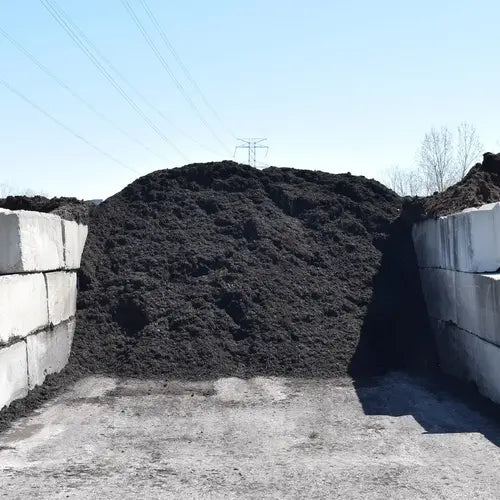
A yard is approximately 27 cubic feet. As a general guideline, one yard of material can cover an area of about 100-160 square feet at a 2-3 inch depth.
We needed mulch for our HOA common areas. Local providers were all holding high prices even for 40 yards of mulch. Mulch mound was easy to wowith & has great price for natural mulch + delivery schedule options. They called before delivery to ensure Delivery was exactly wher...
How Much Material Do I Need?
Two to three inches is the right depth for established Fishers beds, and three inches is best for new plantings that need extra moisture retention through August. Never exceed three inches over silt loam, since deeper layers hold water against roots that already drain slowly.
Use our free mulch calculator
What is a yard?
A yard is approximately 27 cubic feet. As a general guideline, one yard of material can cover an area of about 100-160 square feet at a 2-3 inch depth.
We needed mulch for our HOA common areas. Local providers were all holding high prices even for 40 yards of mulch. Mulch mound was easy to wowith...
Read full review
We needed mulch for our HOA common areas. Local providers were all holding high prices even for 40 yards of mulch. Mulch mound was easy to wowith & has great price for natural mulch + delivery schedule options. They called before delivery to ensure Delivery was exactly where we wanted it.
Delivery was on time and great quality Mulch. Got it done in a reasonable time and yard looks great. Couldn’t be happier!!! Thank you and will us...
Read full review
Delivery was on time and great quality Mulch. Got it done in a reasonable time and yard looks great. Couldn’t be happier!!! Thank you and will use again!!
Mulch Mound delivered a yard of pea gravel to us. Delivery was on time, driver was friendly and hit a bullseye on the “tarp target”. We used the ...
Read full review
Mulch Mound delivered a yard of pea gravel to us. Delivery was on time, driver was friendly and hit a bullseye on the “tarp target”. We used the pea gravel (which was diameter as specified) to fill several muskrat holes around our pond. I would definitely recommend Mulch Mound to a friend!
Break your yard into simple rectangles and circles rather than trying to measure one long wandering bed, then add the square footages together. One cubic yard of mulch covers roughly 108 square feet at three inches deep, so divide your total by 108. Round up, because Fishers beds usually have edges and mounds that eat more material than a flat calculation suggests.
Mulch vs. No Mulch: The Difference
Fishers gets about 43 inches of rain a year spread across warm humid summers, which is close to ideal conditions for the fungi and microbes that decompose wood. That means organic mulch here breaks down faster than it would in a drier climate, typically losing an inch of depth per season. Non organic options like river rock and lava stone do not decompose at all, which is a tradeoff between permanence and soil building.
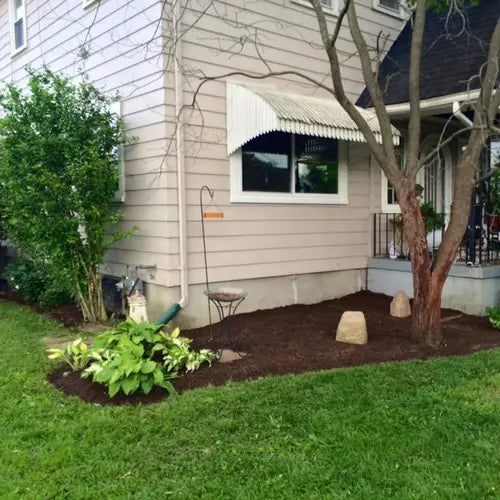
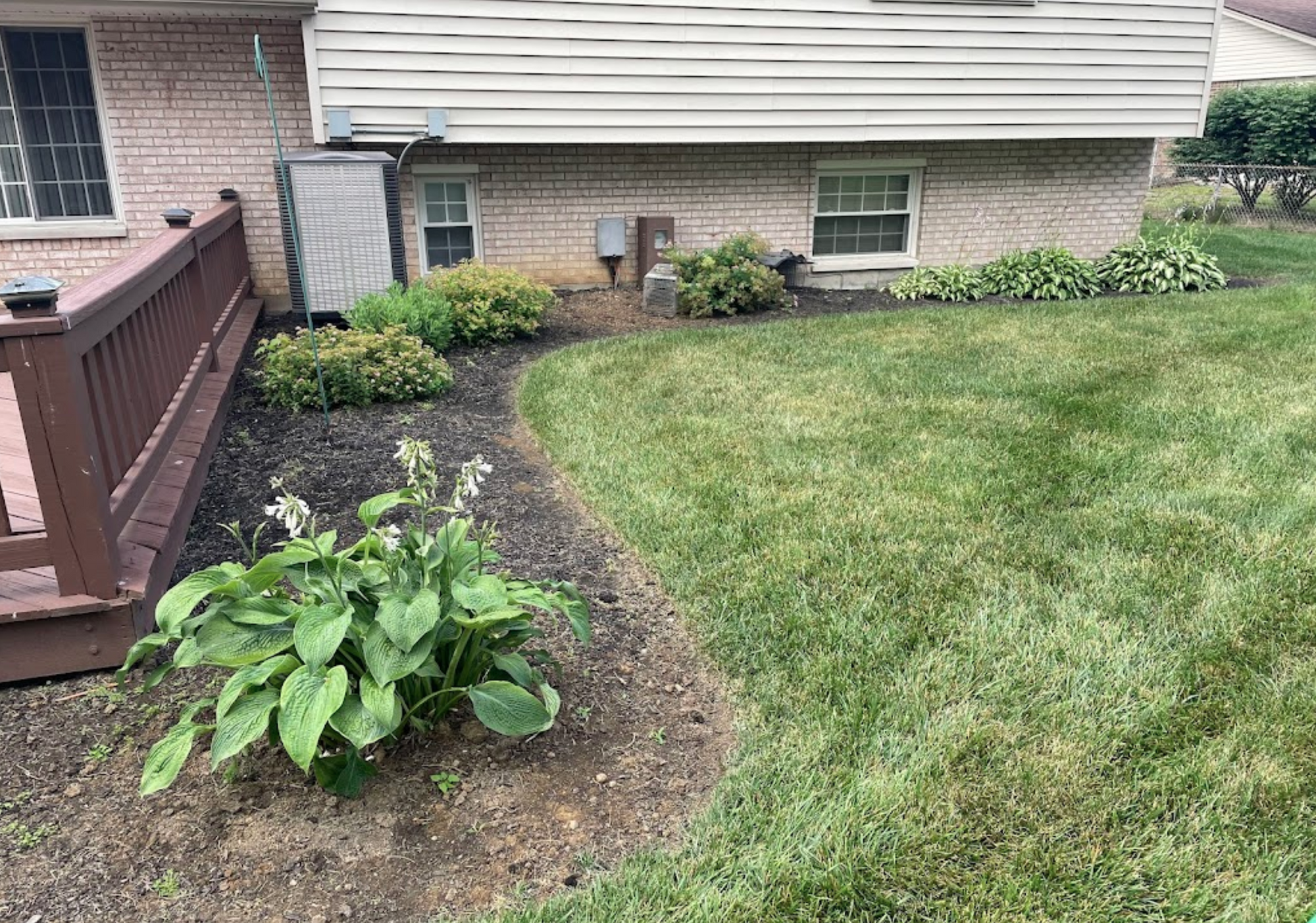
Before
After
Best Mulch Choice for Fishers Lawns
Most yards in the Fishers area sit on type of soil. Silt loam is fertile and holds moisture well, but its fine particles compact easily under foot traffic and pack down tight after the heavy spring rains Fishers gets in April and May. Once compacted, the surface crusts over and roots struggle to find air.
Hardwood Mulch
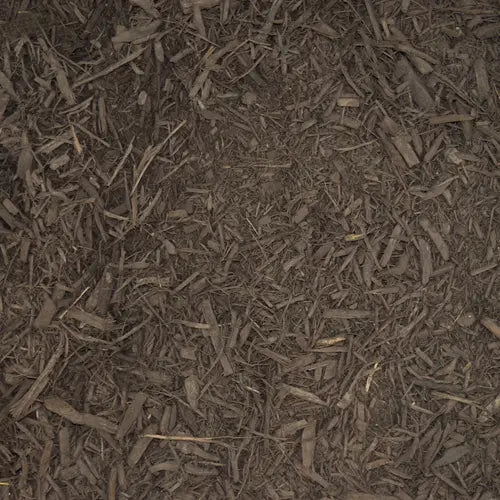
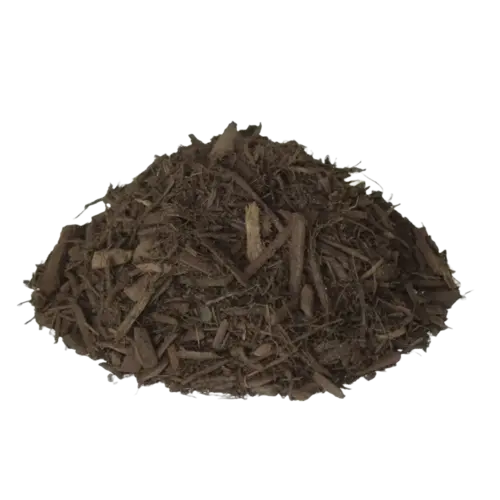
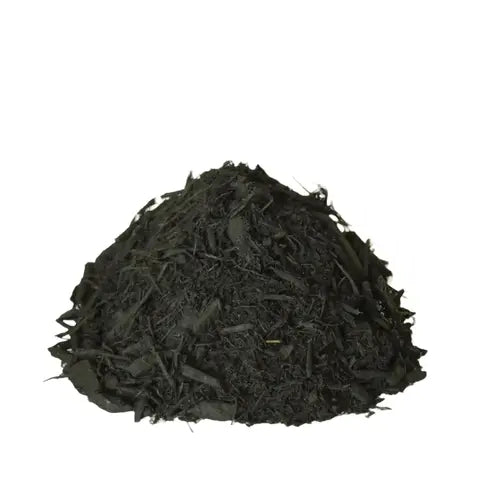
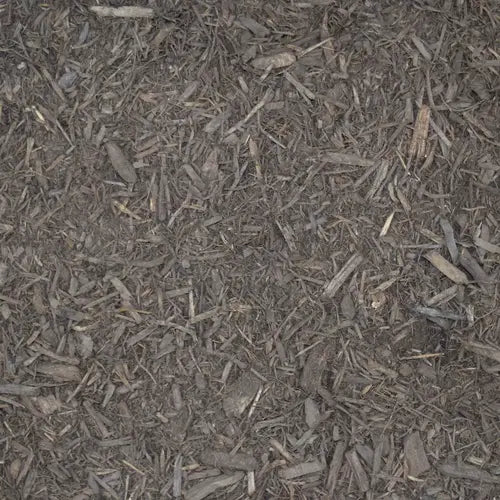
Double ground hardwood mulch is the best answer for Fishers silt loam because it breaks down into fine organic matter that binds silt particles into crumbly aggregates, opening up pore space for air and water. Over two or three seasons of annual applications, the top few inches of a hardwood mulched bed become noticeably looser and easier to dig.
Complete Your Outdoor Mulch Project
Pair your mulch with a few yards of compost or garden mix worked into tired beds first, and add steel or stone edging to keep material from washing onto sidewalks during Fishers thunderstorms. Screened topsoil is handy for regrading any low spots you uncover.
Mulch Mound Pro Tip
Edge before you mulch, not after. Cut a clean four inch deep trench at the bed line with a spade, angling the wall back toward the plants. In Fishers silt loam that trench holds its shape most of the season and gives heavy spring runoff somewhere to go instead of carrying mulch across your lawn. It also creates a crisp visual line that makes even a modest mulch job look professionally installed.
Mulch Mound Pro Tip
Water your beds thoroughly the day before mulching if the soil is dry. Fishers often gets a dry stretch in late June and July, and dry silt loam under fresh mulch can stay dry for weeks because the mulch layer sheds light rain before it reaches the ground. Moist soil under new mulch stays moist, and you will notice the difference in your hydrangeas by August.
Mulch Mound Pro Tip
Skip plastic sheeting under mulch. It blocks the organic matter Fishers silt loam desperately needs, especially in newer subdivisions where builders scraped the topsoil. If you want a weed barrier, use a breathable landscape fabric only under stone, and rely on mulch depth plus spring preemergent for beds. Letting mulch break down into the soil year after year is what turns compacted builder dirt into something plants actually thrive in.
Frequently Asked Questions
Click a question to see the answer
Answer
When should I mulch my beds in Fishers?
Mid to late April is the sweet spot, right around the April 22 average last frost. Wait until the silt loam has warmed and drained from spring rains, because spreading mulch over cold saturated soil traps the chill and slows down perennials. If you mulch too early in a wet Fishers March, you are mostly insulating mud.
Answer
How long will dyed mulch hold its color here?
Most quality dyed mulch holds strong color for one full season in Fishers, usually fading noticeably by the second August. Our long summer daylight and the reflected heat off light colored driveways in newer subdivisions speed up the fading. A light refresh top dress the following spring restores the look without a full replacement.
Answer
Will mulch make my drainage problems worse in clay heavy spots?
Fishers silt loam already drains slowly, and piling mulch too deep makes it worse by holding a wet mat against the crown of your plants. Keep it at two to three inches and pull it back from stems and trunks. In low spots that stay soggy after a spring storm, fix the grade first, then mulch.
Answer
Does mulch attract termites or other pests around my foundation?
Mulch itself does not create termites, but a deep damp layer against Fishers foundations gives them a comfortable bridge. Keep a six inch bare gap between the mulch edge and your siding or brick, and hold the depth to two inches within a foot of the house. That gap also lets the foundation dry out after our frequent summer downpours.
Answer
How many cubic yards do I need for a typical Fishers subdivision front bed?
Front foundation beds in most Fishers neighborhoods run roughly 200 to 400 square feet total, which is about one and a half to three cubic yards at three inches deep. Measure each bed section separately, since curved island beds are usually smaller than they look. One cubic yard covers about 108 square feet at three inches.
Answer
Can I put fresh mulch right over last year's layer?
Yes, as long as the old layer has broken down enough that you are not stacking past three inches total. Rake the old mulch to break the crust that forms over Fishers beds after winter, then add just an inch or two. Beds that have been mulched every year for a decade often need cultivating rather than more material.
Answer
Should I mulch before the first frost in October?
A fall application is very useful in Fishers because the October 14 first frost is followed by months of freeze and thaw that heave shallow rooted plants. Apply after the ground has cooled but before it freezes hard, generally late October into early November. Focus on perennials, new plantings, and anything installed in the past year.
The Unique Landscape of Fishers
Fishers sits in growing zone 6a at about 827 feet of elevation, where beds swing from frozen solid in January to baking under humid August sun. The silt loam that covers most of Hamilton County holds water well, but it also crusts over and sheds rain during the heavy spring storms that make up a good share of the 43 inches Fishers gets each year. A layer of mulch absorbs that impact, keeps the silt particles from sealing shut, and slows evaporation during the dry stretch that usually settles in around late July. It also buffers root zones through the freeze and thaw cycles that run from the October 14 first frost through the April 22 last frost, which is when shallow rooted perennials get heaved out of the ground. For newer neighborhoods on the east side of Fishers where topsoil was scraped thin during construction, mulch is often the fastest way to start rebuilding organic matter.