


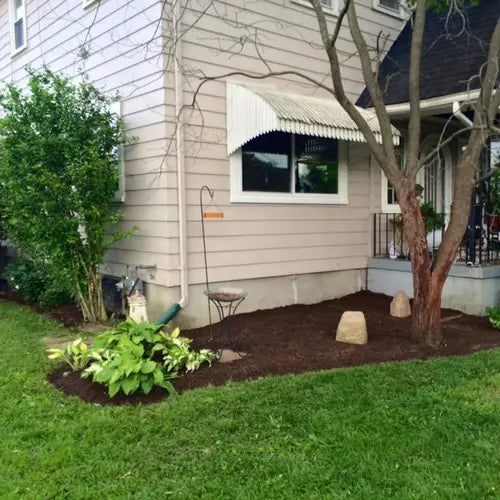

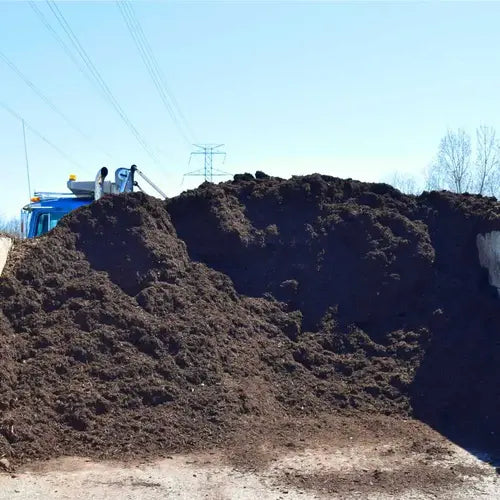
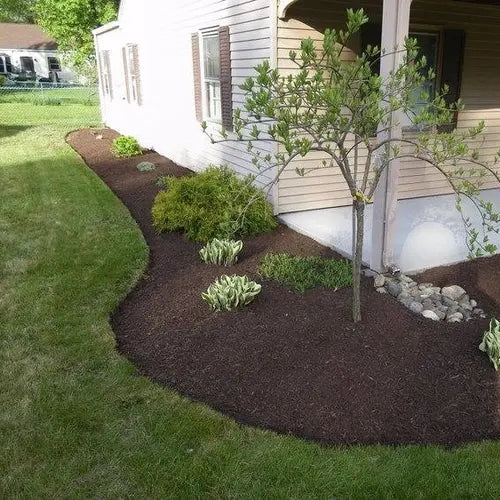

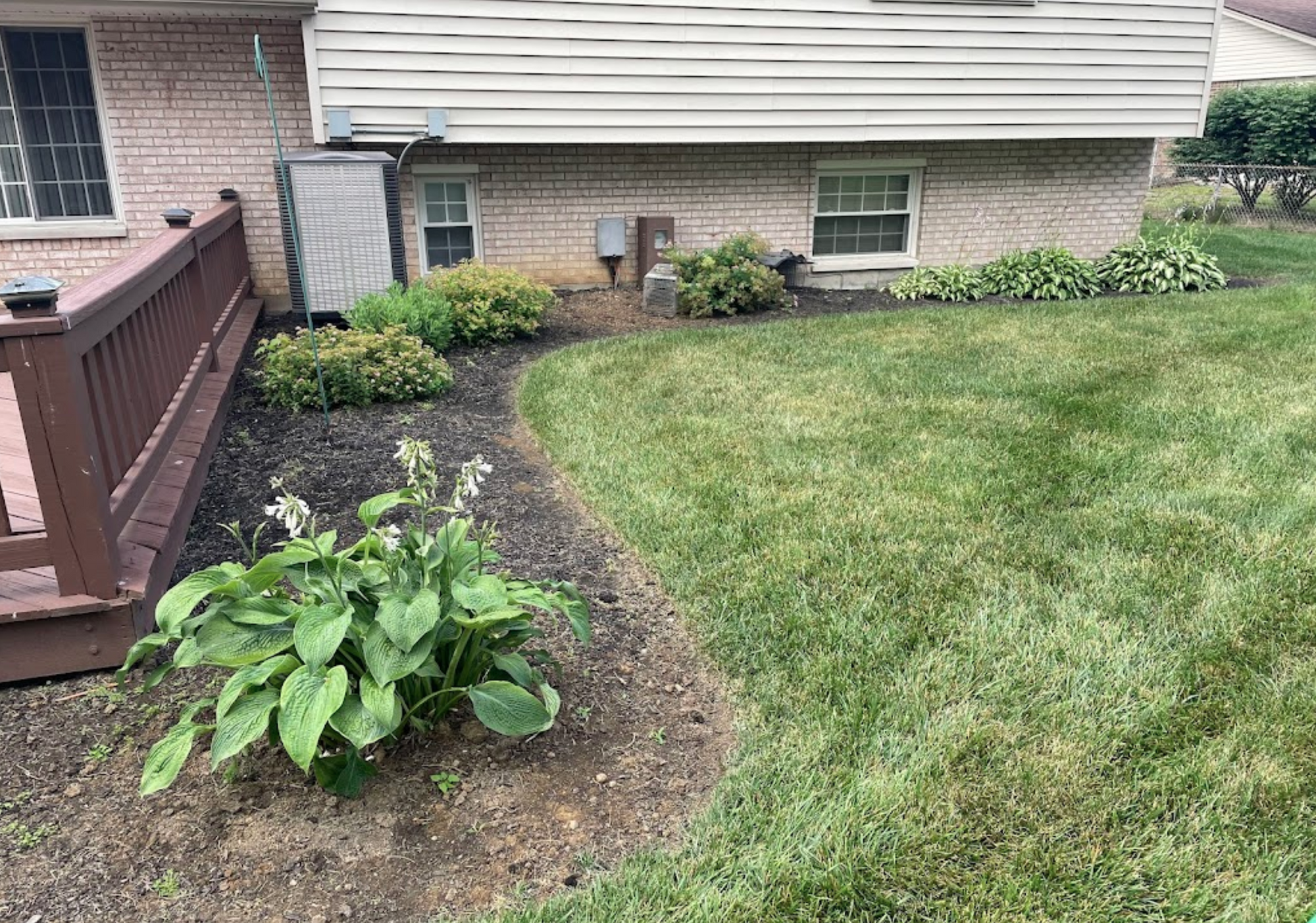
Our delivery was delayed but the new brown color mulch is a nice upgrade to our landscaping.
About this mulch
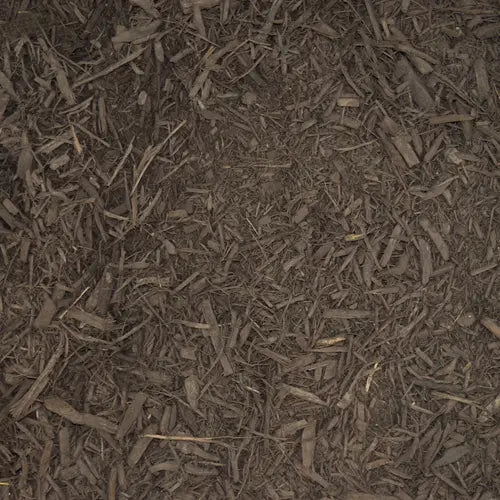
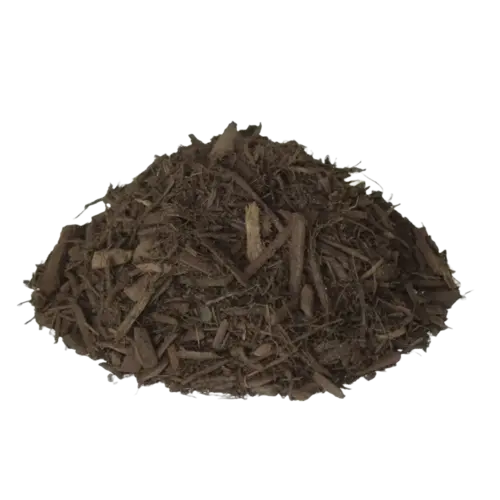
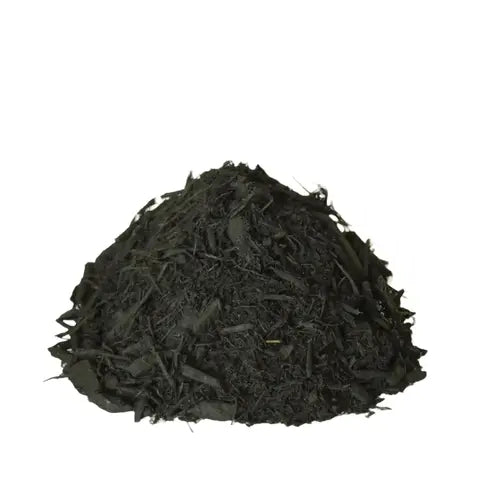
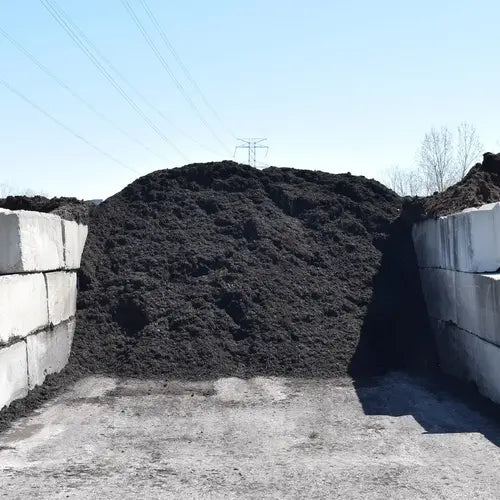
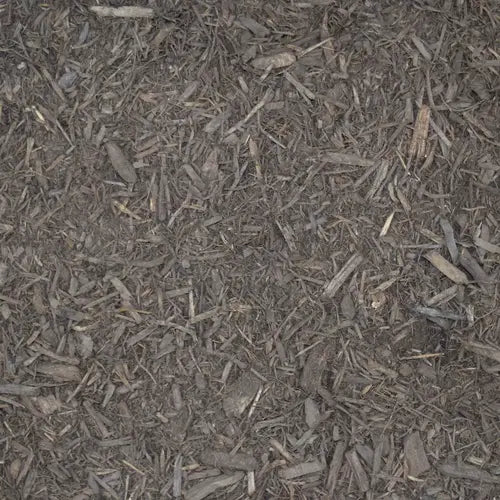
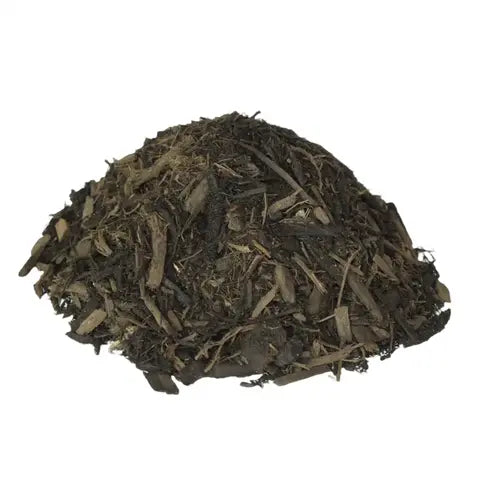
Warm brown double shredded mulch with lasting color that looks freshly applied for weeks. Spreads smooth, stays put, and gives beds a natural, polished appearance.
Our delivery was delayed but the new brown color mulch is a nice upgrade to our landscaping.
Tell us what you're looking for
Thanks! We received your request.
Something went wrong. Please try again.
How Much Material Do I Need?
How Much Material Do I Need?
For most Fort Smith ornamental beds over clay loam soil, a 3-inch application depth hits the sweet spot for weed suppression and moisture retention without creating the drainage problems that come with thicker applications. Plan to refresh with 1 to 2 inches each spring to restore the full protective layer after natural decomposition works through the previous season's material.
Use our free mulch calculator
What is a yard?
What is a yard?
FAQs
FAQs
Fort Smith Mulch Delivery
Fort Smith Mulch Delivery
Regular price
$64.00
per
yard
Regular price
Sale price
$64.00
Unit price
per
Shipping calculated at checkout.
Minimum of 3 yard
Couldn't load pickup availability
Not currently available
We can't take orders for this right now. Tell us what you need and we'll get back to you.
Hand-picked local yards
4,000+ regional deliveries
Dedicated support
Why order through Mulch Mound
The best local mulch, without the guesswork.
We hand-pick and partner with the best yards in your region, keep only the ones our buyers rate well, and back each load with our guarantee.
Mulch Mound Guarantee
If your mulch isn't the quantity or quality you ordered, we'll make it right.
About this mulch
Warm brown double shredded mulch with lasting color that looks freshly applied for weeks. Spreads smooth, stays put, and gives beds a natural, polished appearance.
Our delivery was delayed but the new brown color mulch is a nice upgrade to our landscaping.
How Much Material Do I Need?
How Much Material Do I Need?
For most Fort Smith ornamental beds over clay loam soil, a 3-inch application depth hits the sweet spot for weed suppression and moisture retention without creating the drainage problems that come with thicker applications. Plan to refresh with 1 to 2 inches each spring to restore the full protective layer after natural decomposition works through the previous season's material.
Use our free mulch calculator
What is a yard?
What is a yard?
FAQs
FAQs
Tell us what you're looking for
Thanks! We received your request.
Something went wrong. Please try again.
How It Works
Getting started is easy — just follow these simple steps
1
Choose your Mulch
Make sure you adjust the quantity to your home's needs. You can use our calculator to estimate how much you'll need.
2
Select your delivery date
Select a delivery date you'd like for the product to be dropped off at your home
3
Sit back and wait
Sit back, wait, and let us work our magic to make sure the highest quality product is delivered to your driveway.

Mulch Mound made it so easy! So happy with the pricing, turn around time, delivery and product. I submitted my online order on a Thursday. The mu...
Read full review
Mulch Mound made it so easy! So happy with the pricing, turn around time, delivery and product. I submitted my online order on a Thursday. The mulch was delivered to the designated location by a local landscape company at 8:30 a.m. the following Saturday morning. We had the job completed by that afternoon. We chose the natural brown mulch, and the plant beds are beautiful.

Good quality, great price, fast delivery. All online - no submitting forms and waiting for days for quotes.
Getting mulch should be this easy fr...
Read full review
Good quality, great price, fast delivery. All online - no submitting forms and waiting for days for quotes.
Getting mulch should be this easy from everyone. Only Mulch Mound is ACTUALLY this simple.
Calculate mulch for your Fort Smith project
For Fort Smith's Clay Loam type of soil, we recommend 2-3 inches for best weed suppression and moisture retention
Try Our CalculatorTo estimate your mulch order, measure the length and width of each bed in feet, multiply to get square footage, then divide by 100 to find the cubic yards needed for a 3-inch layer. Fort Smith's clay loam soil does not absorb mulch the way sandy soil does, so the depth you apply is essentially the depth you get without unexpected settling. Add up all your bed areas and tack on about 10 percent extra to account for irregular shapes and the edges around curved borders.

Best Mulch Choice for Fort Smith Lawns
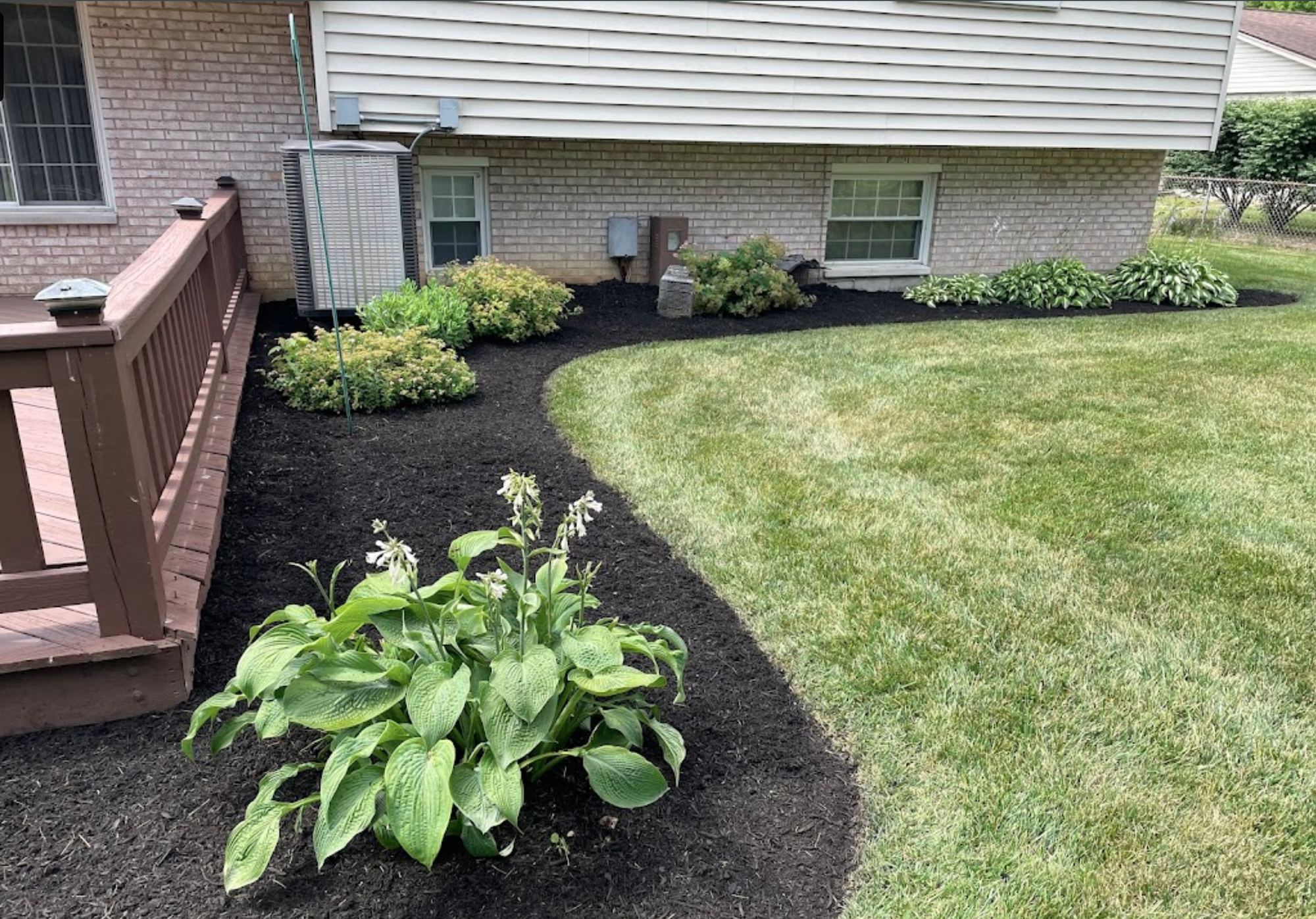
Most yards in the Fort Smith area sit on Clay Loam type of soil. Fort Smith's clay loam soil holds water well but drains slowly, and bare soil in planting beds tends to form a compacted crust between rain events that stresses root systems and makes the ground nearly impenetrable to moisture during dry stretches. Organic mulch breaks that cycle by keeping the soil surface loose, cooler, and consistently accessible to plant roots throughout the long growing season.
Hardwood Mulch
Hardwood mulch is a particularly well-matched product for Fort Smith's clay loam soil because as it decomposes over the course of a season it contributes organic matter that loosens clay particles and gradually improves both drainage and aeration in the bed. After a few years of consistent hardwood mulch applications, beds that once felt dense and unworkable begin to take on the looser, more friable texture that plants and gardeners both appreciate.
Mulch Types We Deliver in Fort Smith
Mulch Mound delivers fresh bulk mulch by the cubic yard to homes and properties throughout Fort Smith. Whether you are refreshing garden beds after a hot Arkansas summer or blanketing new plantings against the clay-heavy soil, ordering in bulk saves time and effort. If you have been searching for bulk mulch delivery near me, we haul directly to your driveway so you can get to work.
Dyed Brown Mulch
Available in a double shredded cut, Dyed Brown Mulch offers a warm, polished finish that blends naturally with the earthy tones of an Arkansas yard. The long-lasting color looks freshly applied through weeks of summer heat and afternoon rain, making it a popular choice for homeowners who want tidy, low-maintenance beds.
Dyed Black Mulch
Double shredded for a smooth, even spread, Dyed Black Mulch delivers a bold, high-contrast look that holds its color through the region's humid summers and heavy spring rains. It suits homeowners who want a clean, modern appearance against red brick accents and the deep green lawns common in this part of Arkansas.
Natural Brown Mulch
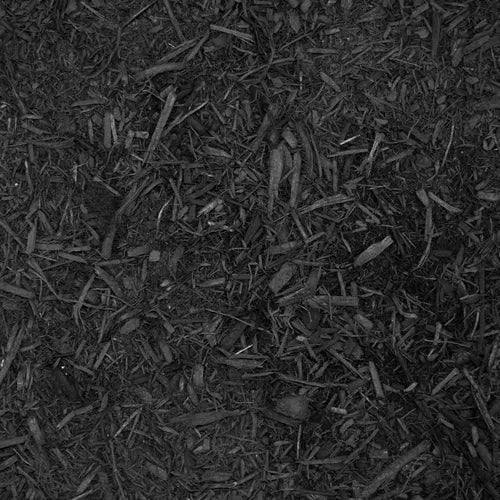
Undyed and double shredded, Natural Brown Mulch brings an honest, wood-toned look that pairs well with the mature trees and wooded lots found throughout this part of Arkansas. Free from colorants, it is a practical pick for vegetable gardens, native plantings, or anyone who prefers a low-key and organic appearance in the yard.
Complete Your Outdoor Mulch Project
If you are refreshing your beds this season, consider pairing your mulch delivery with a load of premium garden soil to amend compacted spots or fill areas where Fort Smith's clay loam has settled and left beds uneven. Decorative stone is a great complement for permanent edging, pathway surfaces, or low-maintenance border zones that need a material that holds up through the wet spring season without washing or decomposing.


Service area
Areas we deliver mulch in Fort Smith, Arkansas
Mulch Mound Pro Tip
Fort Smith's clay loam tends to form a hard surface crust during dry spells, and that crust can actually prevent mulch from making proper contact with the soil underneath. Before spreading, break up any surface crust with a hand cultivator or steel rake so moisture from rain events can move through the mulch layer and penetrate the soil rather than running off the surface. This one extra step makes a noticeable difference in how quickly your plants respond to freshly mulched beds.
Mulch Mound Pro Tip
Timing your mulch application around Fort Smith's spring rain patterns can save considerable effort and maximize results. Applying mulch right after a thorough soaking rain means the soil starts at full moisture capacity and the mulch layer locks that in before warming temperatures begin pulling it out. Spreading mulch over bone-dry clay loam in late spring effectively seals in dry conditions, which works directly against the moisture retention benefit you are trying to achieve.
Mulch Mound Pro Tip
With 47 inches of annual rainfall, Fort Smith mulch beds tend to stay consistently damp on the underside for much of the year, which speeds decomposition and can occasionally produce a matted, compacted layer that resists water penetration. Fluffing your mulch with a rake in midsummer breaks up that matted layer and allows air to circulate through the material, keeping it loose and functional. This simple step also prevents the sour smell that develops in compacted, wet organic mulch during the hot and humid months that define a Fort Smith summer.
The Unique Landscape of Fort Smith
Fort Smith sits in the Arkansas River Valley where clay loam soil dominates most residential landscapes, and that clay content means soil compacts easily during dry spells while staying waterlogged after the heavy rains that roll through the area. With nearly 47 inches of rainfall per year, moisture swings between extremes, and a proper mulch layer acts as a buffer that moderates those dramatic shifts before they stress plant roots. Zone 8a summers push exposed soil temperatures high enough to damage shallow feeder roots from June through August, making consistent mulch coverage essential once the warm season arrives. Because Fort Smith's growing season stretches from around the last frost on March 26 all the way to the first frost near November 15, maintaining stable bed conditions over those many active months makes the difference between thriving plants and struggling ones. Without mulch, the cycle of hard baking heat followed by intense rainfall strips nutrients, causes erosion, and leaves ornamental beds looking rough by midsummer.