




Ordered Dirt. Received Dirt. Would Buy Again.
About this soil
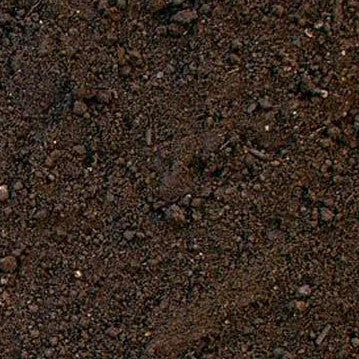
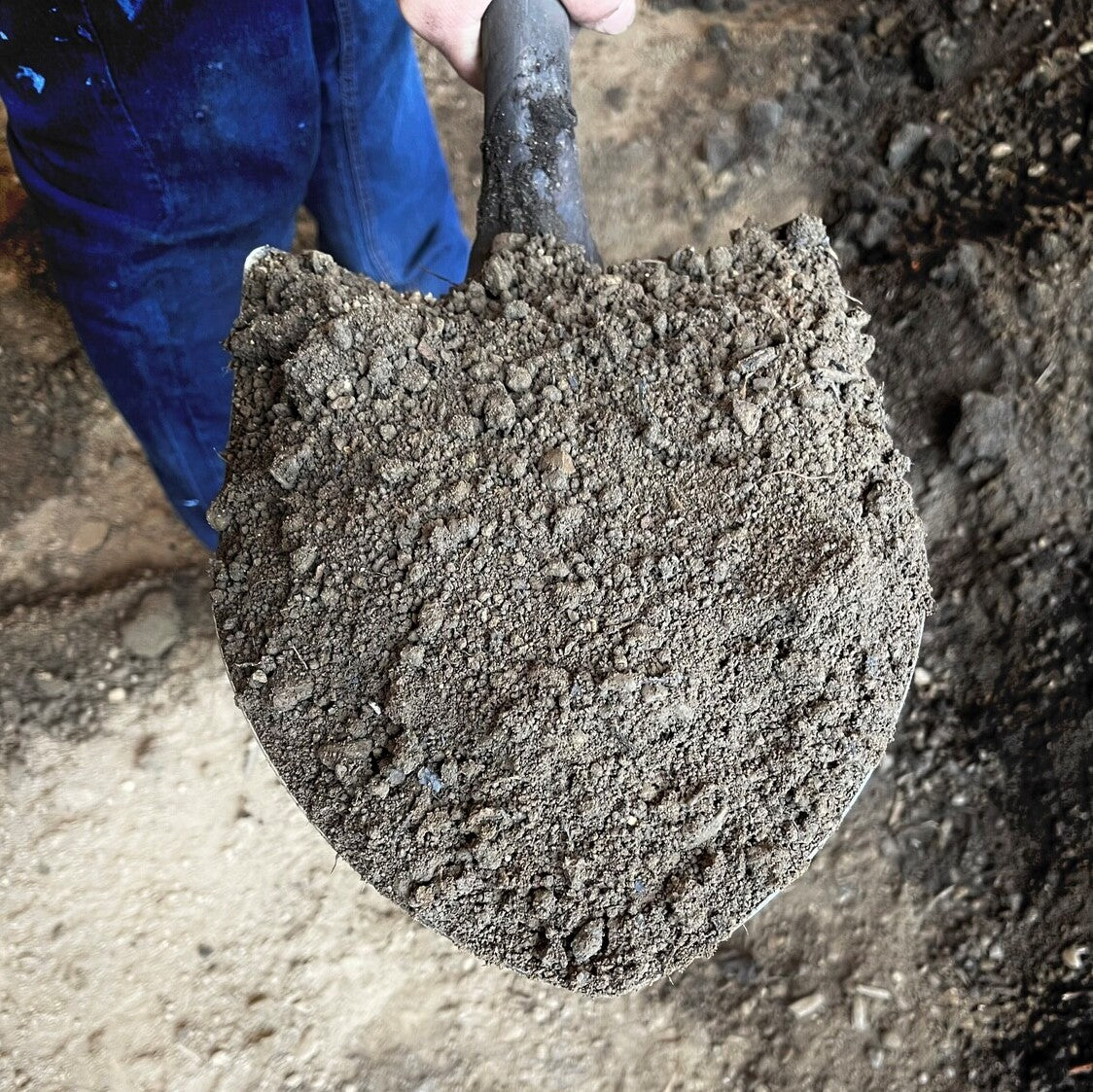
Quality topsoil for lawns, gardens, and landscape projects. Nutrient rich and ready to support strong root development and healthy plant establishment.
Ordered Dirt. Received Dirt. Would Buy Again.
Tell us what you're looking for
Thanks! We received your request.
Something went wrong. Please try again.
How Much Material Do I Need?
How Much Material Do I Need?
For raised garden beds over Fort Smith's clay loam soil, filling to at least 10 to 12 inches of depth gives roots room to stay in the improved soil zone rather than reaching down into the heavy native clay below. For lawn leveling and topdressing, apply in passes of no more than half an inch at a time so existing grass can grow through without being smothered.
Use our free soil calculator
What is a yard?
What is a yard?
FAQs
FAQs
Fort Smith Soil Delivery
Fort Smith Soil Delivery
Regular price
$64.00
per
yard
Regular price
Sale price
$64.00
Unit price
per
Shipping calculated at checkout.
Minimum of 3 yard
Couldn't load pickup availability
Not currently available
We can't take orders for this right now. Tell us what you need and we'll get back to you.
Hand-picked local yards
4,000+ regional deliveries
Dedicated support
Why order through Mulch Mound
The best local soil, without the guesswork.
We hand-pick and partner with the best yards in your region, keep only the ones our buyers rate well, and back each load with our guarantee.
Mulch Mound Guarantee
If your soil isn't the quantity or quality you ordered, we'll make it right.
About this soil
Quality topsoil for lawns, gardens, and landscape projects. Nutrient rich and ready to support strong root development and healthy plant establishment.
Ordered Dirt. Received Dirt. Would Buy Again.
How Much Material Do I Need?
How Much Material Do I Need?
For raised garden beds over Fort Smith's clay loam soil, filling to at least 10 to 12 inches of depth gives roots room to stay in the improved soil zone rather than reaching down into the heavy native clay below. For lawn leveling and topdressing, apply in passes of no more than half an inch at a time so existing grass can grow through without being smothered.
Use our free soil calculator
What is a yard?
What is a yard?
FAQs
FAQs
Tell us what you're looking for
Thanks! We received your request.
Something went wrong. Please try again.
How It Works
Getting started is easy — just follow these simple steps
1
Choose your soil
Make sure you adjust the quantity to your home's needs. You can use our calculator to estimate how much you'll need.
2
Select your delivery date
Select a delivery date you'd like for the product to be dropped off at your home
3
Sit back and wait
Sit back, wait, and let us work our magic to make sure the highest quality product is delivered to your driveway.


Placing an order online was so easy. Delivery was on time. When the driver realized we had a newly poured driveway they erred on the side of cautio...
Read full review
Placing an order online was so easy. Delivery was on time. When the driver realized we had a newly poured driveway they erred on the side of caution and opted not ti drive in it. The company even sent me a message explaining that call. Would recommend!
Need Help Calculating How Much Soil You Need?
Use our NEW Trace from Satellite tool to get an estimate for your project based on an aerial view of your property
Try Our CalculatorTo calculate your soil order, multiply the length by the width by the depth of your project area in feet and divide by 27 to convert cubic feet to cubic yards. For Fort Smith projects involving low spot repairs in clay loam yards, plan for the soil to settle approximately 15 to 20 percent after the first few significant rain events, so building in a small buffer to your estimate avoids a second partial delivery. Measuring your project area twice before ordering is always worth the extra few minutes.
Soil Types We Deliver in Fort Smith
Mulch Mound delivers bulk soil by the cubic yard straight to Fort Smith homes, gardens, and commercial properties. Whether you are filling raised beds, grading a yard, or preparing new planting areas, having the right soil delivered saves time and effort. If you have been searching for bulk topsoil by the yard in Fort Smith, we make ordering simple with straightforward cubic yard pricing and reliable local delivery.
Screened Top Soil
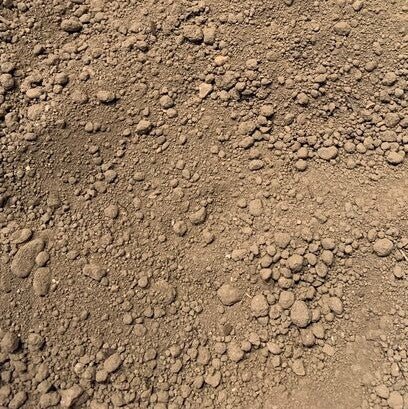
Our screened topsoil is run through a fine screen to remove rocks, clumps, and debris, leaving a clean and workable product ready to spread. It is nutrient rich and supports strong root development, making it a dependable choice for lawns, vegetable gardens, flower beds, and landscape grading across the clay-heavy soils common in this part of Arkansas.
Complete Your Outdoor Soil Project
Pairing bulk soil with a layer of hardwood mulch over your finished beds protects your soil investment from the compaction and surface erosion that Fort Smith's frequent rains can cause on bare ground. If you are shaping garden borders or pathways around your new planting areas, decorative stone creates a durable, clean edge that holds its position through the wet spring season without shifting or washing away.


Service area
Areas we deliver soil in Fort Smith, Arkansas
Mulch Mound Pro Tip
Fort Smith's clay loam soil becomes nearly impenetrable when it dries out, and trying to till it in that condition does more harm than good. Before spreading and tilling bulk soil into your existing ground, water the area thoroughly and give it a day to absorb so the clay layer softens enough to accept a tiller blade cleanly. Working new material into softened clay creates a far more seamless blend and dramatically improves long-term drainage compared to tilling the same ground when it is hard and dry.
Mulch Mound Pro Tip
When filling low spots in a Fort Smith lawn, take time before you start to trace where water actually flows across your yard during a real rain event. Simply filling a depression can redirect runoff toward a foundation or fence line if the broader grade is not considered. Spending a few minutes with a garden hose to map water movement before you begin grading can prevent you from solving one drainage problem while accidentally creating a worse one somewhere else on the property.
Mulch Mound Pro Tip
New soil placed during Fort Smith's spring rainy season can develop a hard surface crust as heavy rain events compact the top layer before vegetation has a chance to establish and protect it. Lightly raking the surface after each significant rain event breaks up that crust and allows air and water to move through the soil rather than running off the top. This is especially important in the first few weeks after a new bed is filled, when the soil is most vulnerable and plant roots are still too shallow to hold the surface together.
The Unique Landscape of Fort Smith
Fort Smith's native clay loam soil presents real challenges for homeowners trying to establish healthy gardens, lawns, or raised planting areas across the full growing season. While clay loam holds nutrients reasonably well, it compacts easily under foot traffic and under the weight of the nearly 47 inches of annual rainfall Fort Smith receives, and its drainage is slow enough that plant roots can sit in standing water for days after heavy spring storms. The city's intense rain events often arrive faster than clay loam can absorb them, leaving low spots waterlogged and high spots stripped of topsoil by runoff. Bringing in quality bulk fill or garden soil allows homeowners to create raised planting zones with better drainage or to level low spots that otherwise pool water and stay saturated well into the growing season. With a long active season running from late March through mid-November, properly prepared soil is the single biggest factor in whether your plants thrive or simply survive the year.