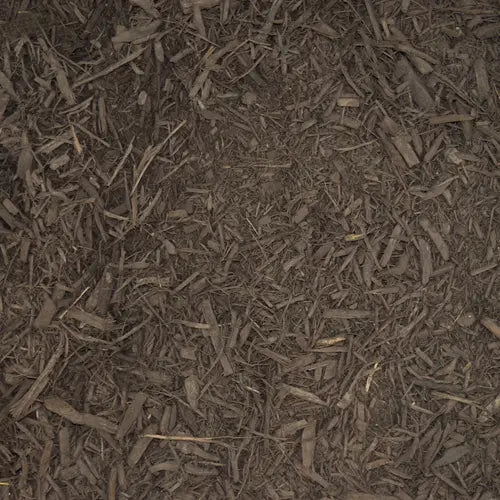
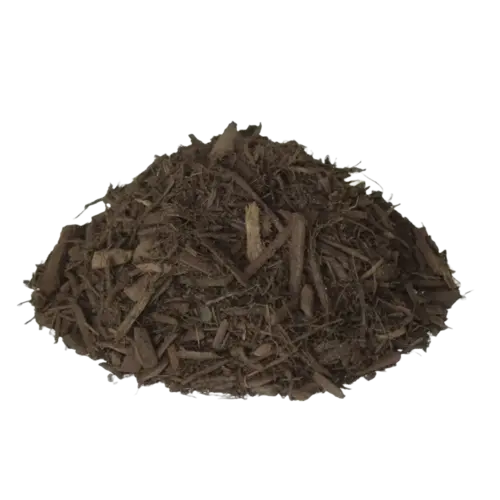
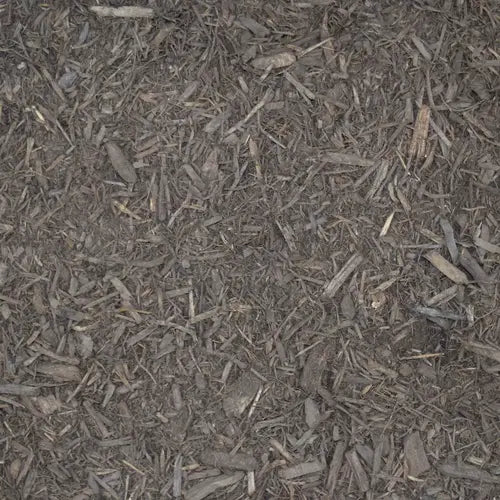
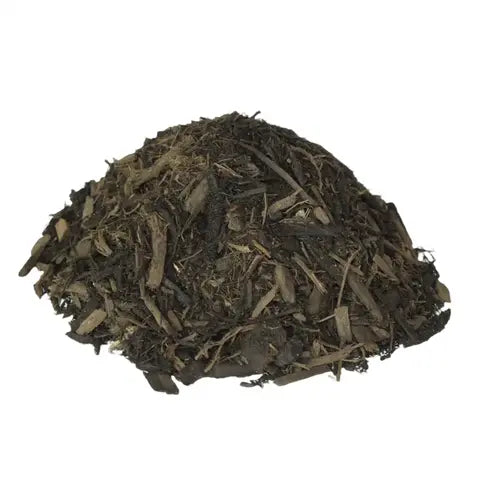
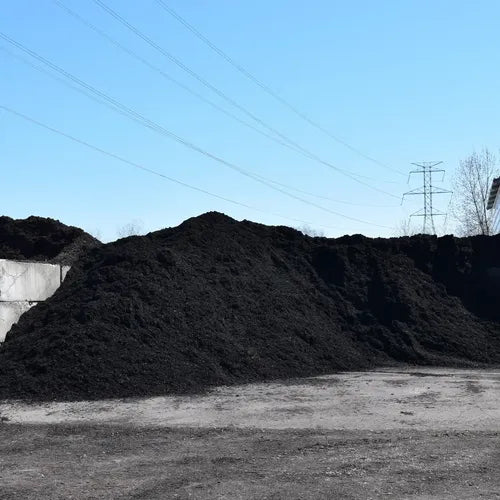
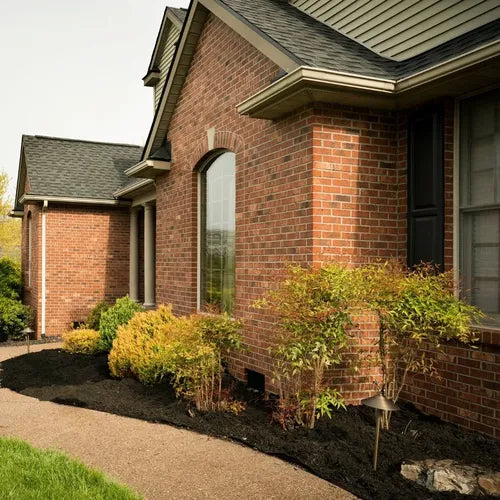
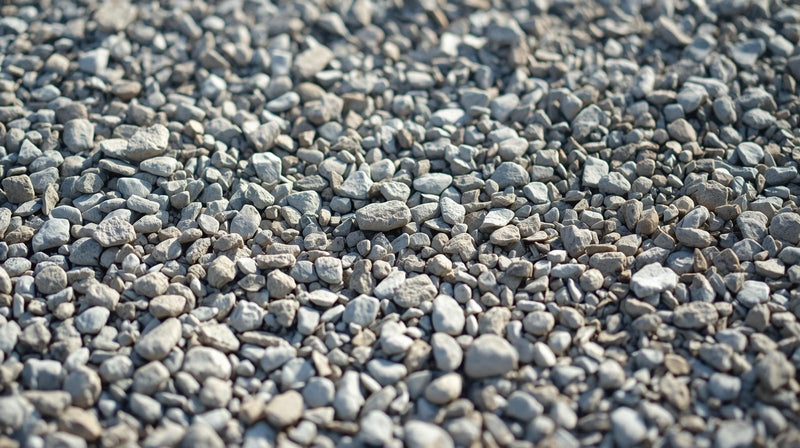
Warm brown double shredded mulch with lasting color that looks freshly applied for weeks. Spreads smooth, stays put, and gives beds a natural, polished appearance.
They offered a quick turnaround and delivered high quality mulch at a reasonable price. They also dropped it off exactly where I told them to put it. Good service!
Tell us what you're looking for
Thanks! We received your request.
Something went wrong. Please try again.
How Much Material Do I Need?
Fredericksburg's clay loam retains moisture naturally, making 2 to 3 inches of mulch the right range for most planting beds in our area. Exceeding 3 inches risks trapping excess moisture at the root zone, particularly in spring and fall when our rainfall is most frequent.
Use our free mulch calculator
What is a yard?
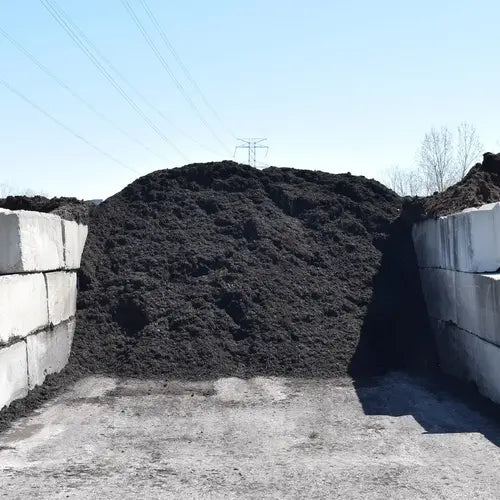
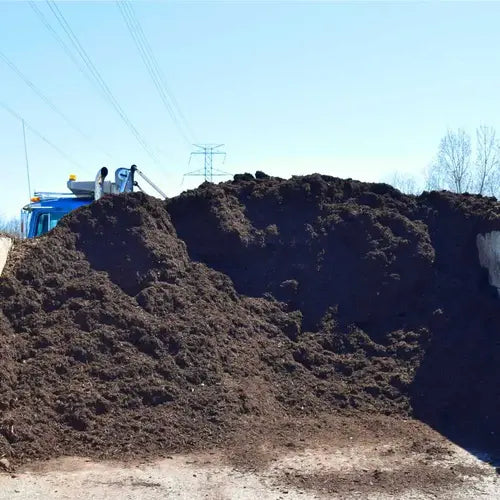
A yard is approximately 27 cubic feet. As a general guideline, one yard of material can cover an area of about 100-160 square feet at a 2-3 inch depth.
We can't take orders for this right now. Tell us what you need and we'll get back to you.
What do you need?
Thanks! We received your request.
Something went wrong. Please try again.
Hand-picked local yards
4,000+ regional deliveries
Dedicated support
Why order through Mulch Mound
The best local mulch, without the guesswork.
We hand-pick and partner with the best yards in your region, keep only the ones our buyers rate well, and back each load with our guarantee.
Mulch Mound Guarantee
If your mulch isn't the quantity or quality you ordered, we'll make it right.
About this mulch
Warm brown double shredded mulch with lasting color that looks freshly applied for weeks. Spreads smooth, stays put, and gives beds a natural, polished appearance.
They offered a quick turnaround and delivered high quality mulch at a reasonable price. They also dropped it off exactly where I told them to put it. Good service!
How Much Material Do I Need?
Fredericksburg's clay loam retains moisture naturally, making 2 to 3 inches of mulch the right range for most planting beds in our area. Exceeding 3 inches risks trapping excess moisture at the root zone, particularly in spring and fall when our rainfall is most frequent.
Use our free mulch calculator
What is a yard?
A yard is approximately 27 cubic feet. As a general guideline, one yard of material can cover an area of about 100-160 square feet at a 2-3 inch depth.
They offered a quick turnaround and delivered high quality mulch at a reasonable price. They also dropped it off exactly where I told them to put i...
Read full review
They offered a quick turnaround and delivered high quality mulch at a reasonable price. They also dropped it off exactly where I told them to put it. Good service!
Great experience! Easy to order, they delivered promptly and were very respectful of the property! Ordered the triple shredded brown mulch and it w...
Read full review
Great experience! Easy to order, they delivered promptly and were very respectful of the property! Ordered the triple shredded brown mulch and it was EXACTLY what I wanted. Very clean product too, no garbage or filler. Already put these guys in my calendar to order from next year! Keep up the good work.
Measure each bed's length and width in feet and multiply them together to get square footage. Divide that number by 100 to estimate cubic yards needed at a 3-inch depth, which is the recommended starting point for Fredericksburg's clay loam soil. If your beds sit in lower areas that tend to collect water after our frequent storm events, dial back to a 2-inch depth to reduce the risk of oversaturation near root crowns.
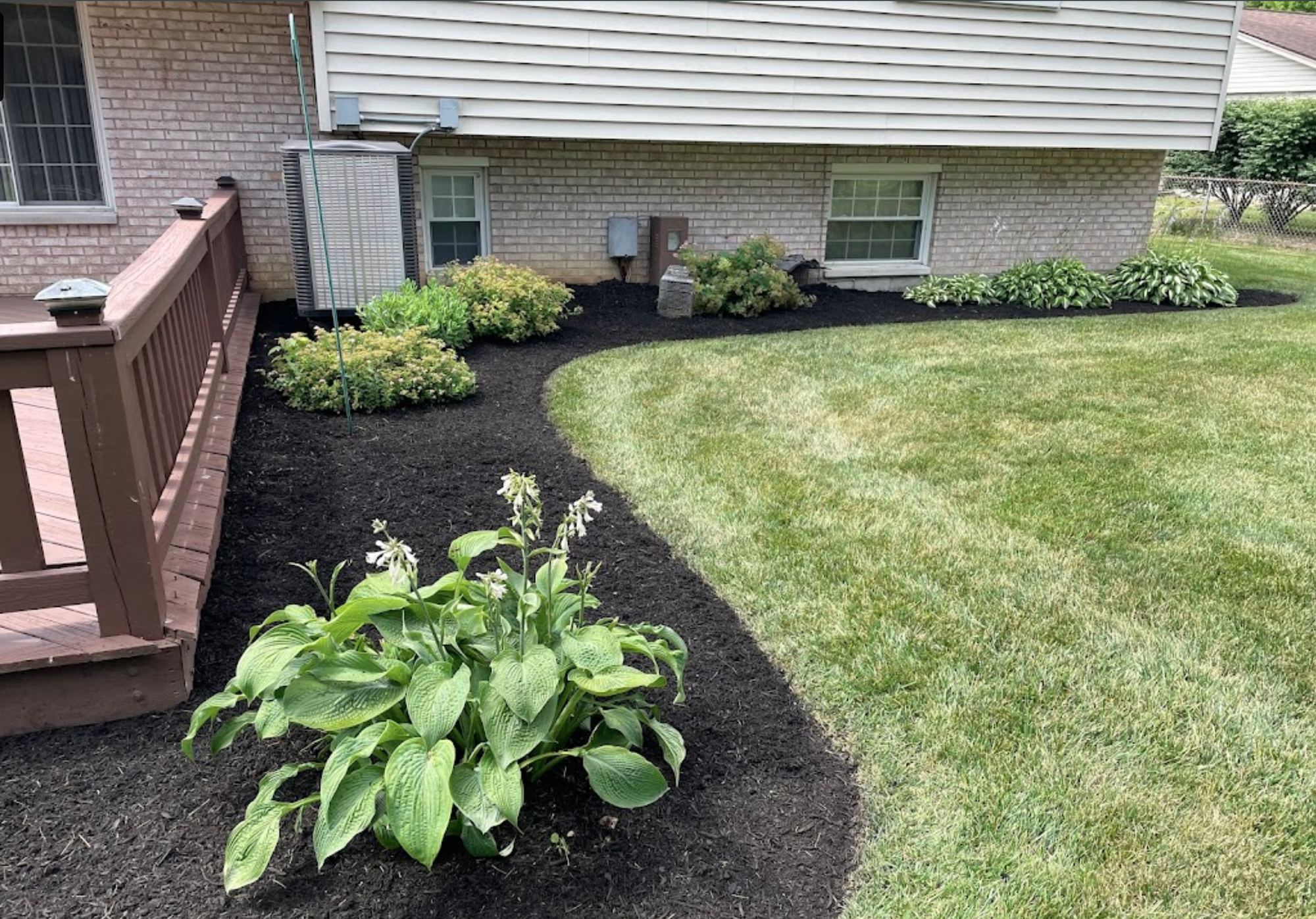
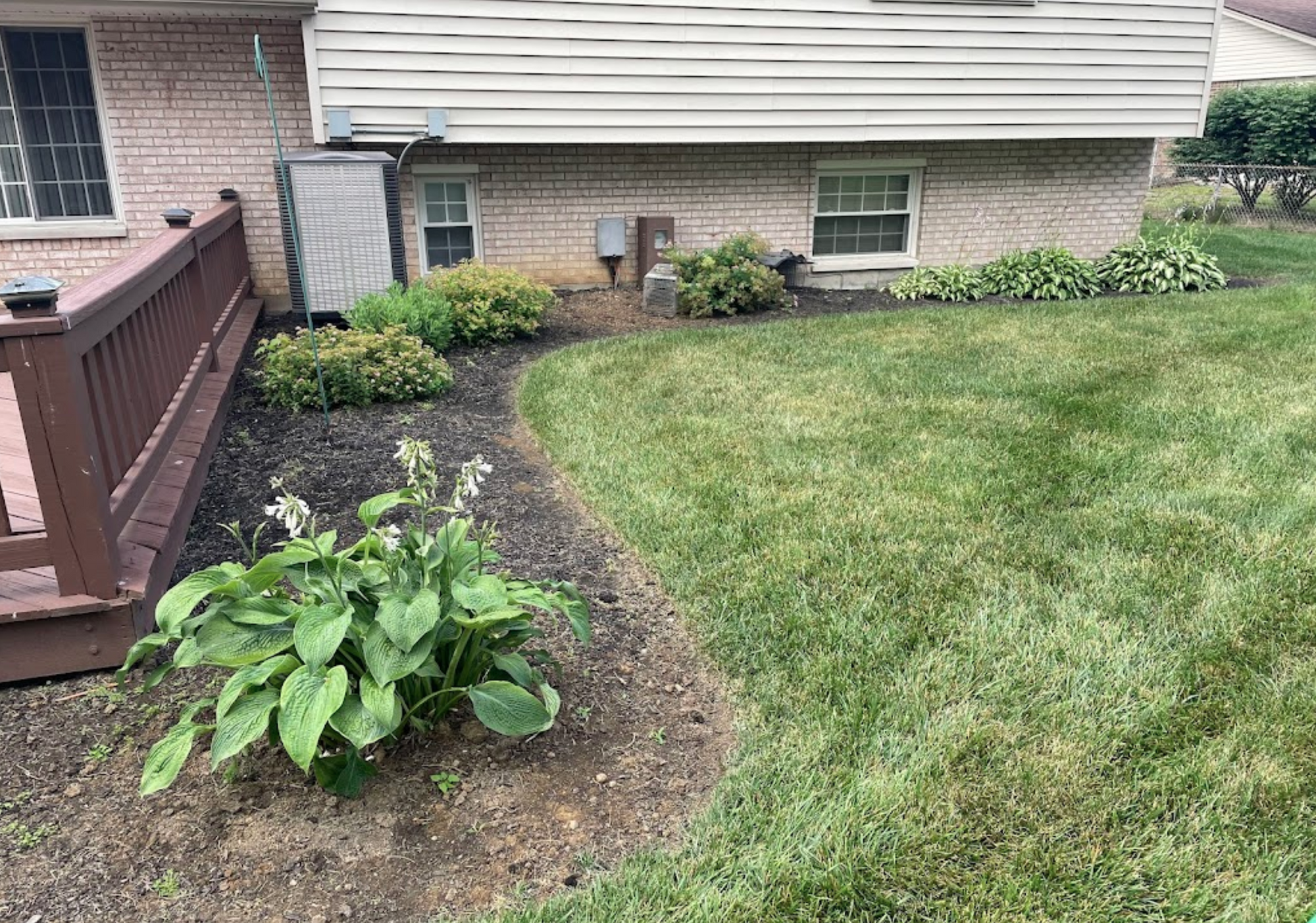
Mulch vs. No Mulch: The Difference
Fredericksburg's warm, humid zone 7b summers accelerate organic decomposition, meaning natural mulch breaks down into the clay loam bed faster than it would in cooler Mid-Atlantic climates north of us. This creates a trade-off worth understanding before you order. Natural mulch steadily feeds your soil and improves clay structure over time but needs annual refreshing to maintain adequate depth, while dyed mulch holds its color appeal through our 43-inch annual rainfall cycle and requires less frequent replacement for purely visual purposes. The choice comes down to whether your priority is ongoing soil improvement or consistent curb appeal with less frequent topping off.
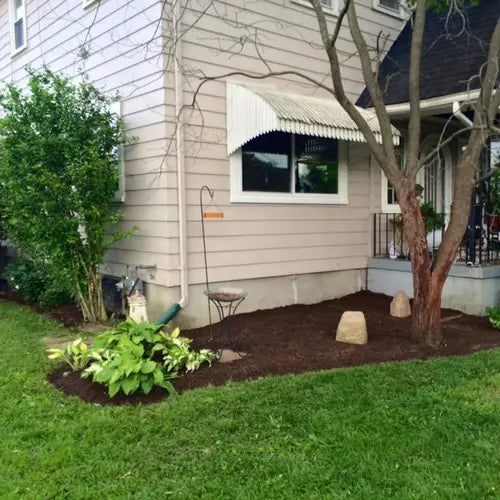
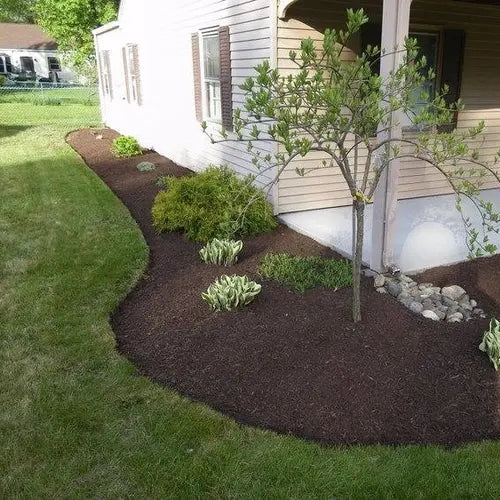
Before
After
Best Mulch Choice for Fredericksburg Lawns
Most yards in the Fredericksburg area sit on Clay Loam type of soil. Fredericksburg's clay loam drains more slowly than sandy or loamy soils, which means planting beds can remain wet for extended periods after heavy rain events. Choosing the right mulch depth is essential to avoid compounding that natural drainage limitation and waterlogging the root zone of your established plants.
Hardwood Mulch
Hardwood mulch is especially well matched to Fredericksburg's clay loam beds because as it decomposes it contributes organic matter that gradually loosens clay structure, creating more pore space for drainage and deeper root penetration over multiple seasons. The steady breakdown process releases nutrients slowly rather than in one flush, which supports consistent plant health through our long zone 7b growing season from late March through late October.
Mulch Types We Deliver in Fredericksburg
Mulch Mound offers bulk mulch delivery in Fredericksburg by the cubic yard, bringing fresh material straight to your driveway or job site. The region's warm summers and heavy spring rains make a quality mulch layer essential for protecting roots, retaining moisture, and keeping beds looking sharp all season. Pick from the varieties below and we will handle the hauling.
Dyed Black Mulch
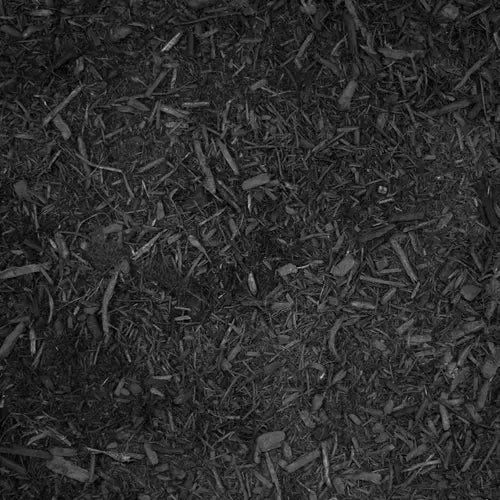
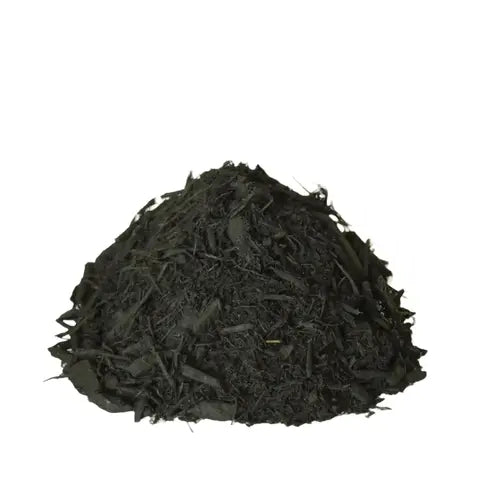
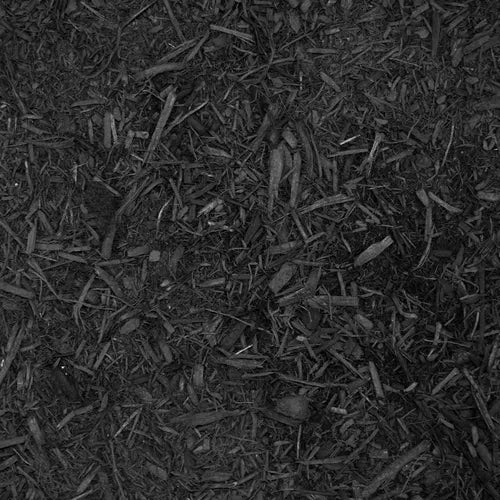
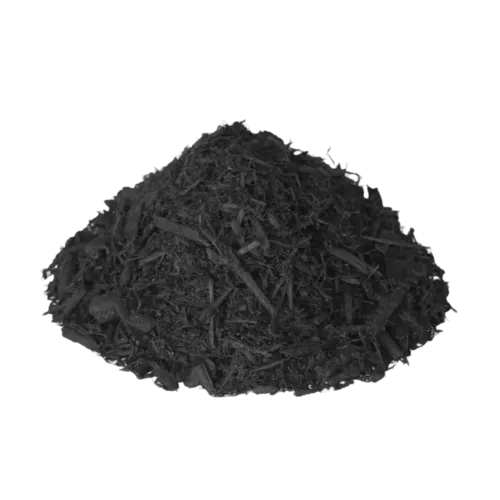
Bold double shredded black mulch that instantly sharpens the look of foundation plantings and flower beds. The rich color holds through hot Virginia summers and heavy rainfall, making it a popular pick for homeowners who want clean, high-contrast beds around brick and painted wood exteriors.
Dyed Brown Mulch
Warm double shredded brown mulch with long-lasting color that stays looking fresh through the region's wet springs and dry summer stretches. A versatile choice for mixed borders and tree rings, it blends naturally with the clay-heavy soils common across this part of northern Virginia.
Natural Brown Mulch
Undyed double shredded mulch with an earthy tone that comes straight from the wood itself, no colorants added. A clean, natural option that works well in cottage gardens and wooded landscapes common to this part of Virginia, and breaks down over time to improve the soil.
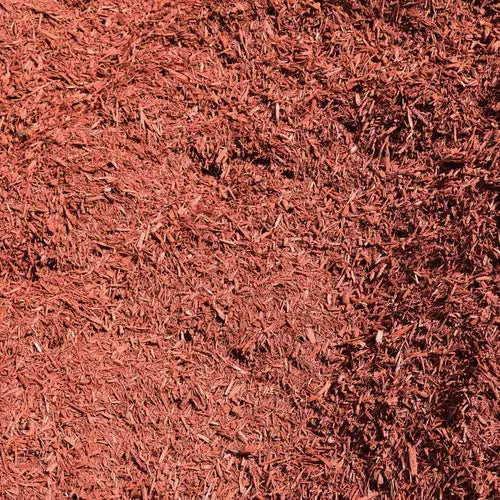
Dyed Red Mulch
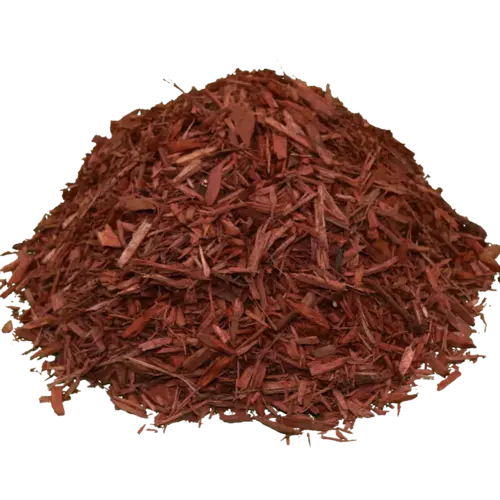
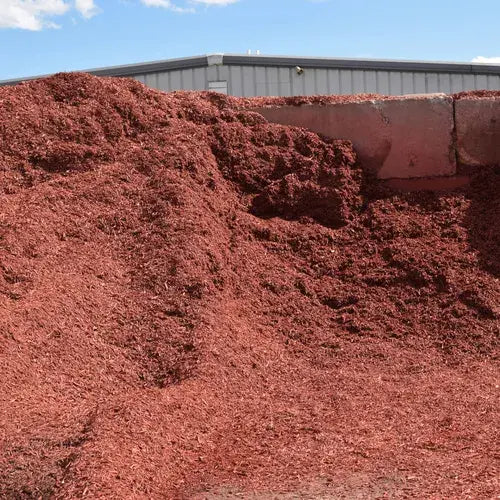
Vibrant double shredded red mulch that adds a bold pop of color to front-yard beds and entryway plantings. The intense hue holds through the season and looks striking against the green lawns and mature trees typical of established landscapes in this region.
Complete Your Outdoor Mulch Project
If your beds need a soil refresh before mulching, our bulk topsoil and garden soil blends pair perfectly with mulch to address Fredericksburg's clay loam drainage and compaction challenges from the ground up. Add a stone border or edging material to frame your beds and keep mulch cleanly contained through our heavier rain events.
Fredericksburg's clay loam develops a hard surface crust during dry stretches between rain events, and laying fresh mulch on top of a sealed crust reduces the material's effectiveness. Before spreading new mulch, run a rake or hand cultivator lightly over the top inch of bed soil to break that crust open. This allows the mulch layer to make better contact with the ground, improving moisture transfer down into the clay loam where roots are actively drawing water.
Mulch Mound Pro Tip
Zone 7b in Fredericksburg delivers a long growing season but still produces occasional hard freezes between late October and late March. In fall, pull mulch a few inches back from the crowns of perennials before consistent cold settles in so warm soil can radiate heat upward during sharp temperature drops. Once temperatures fall steadily, push the mulch back over the crown area to insulate roots without trapping the rot-promoting moisture that can develop when mulch sits tight against dormant plant tissue.
Mulch Mound Pro Tip
With 43 inches of annual rainfall hitting Fredericksburg, runoff management is a real concern for sloped and hillside beds. When mulching any grade, tuck the downhill edge firmly beneath a border edge or edging stone to prevent the material from washing out during heavy summer thunderstorms. On steeper slopes, a slightly thicker application at the upper section of the bed helps anchor the layer while storm water moves across the surface, keeping your material on the bed and out of your lawn or driveway after a hard rain.
Frequently Asked Questions
Click a question to see the answer
Answer
How much mulch do I actually need for my Fredericksburg flower beds?
For Fredericksburg's clay loam soil, a 2 to 3 inch layer is the right target. Clay loam already retains moisture well on its own, so going deeper than 3 inches concentrates too much water around root zones, especially during our wet spring months when rainfall is most consistent. Measure each bed's length by width in feet, multiply those together, and divide by 100 to get the cubic yards needed for a 3-inch depth.
Answer
Will mulch help with the compaction and cracking I keep seeing in my clay yard?
It will make a meaningful difference over time. Mulch cushions the impact of rainfall and foot traffic on clay loam, reducing the sealed crust that forms after heavy rain. As organic mulch decomposes into Fredericksburg's clay loam it contributes organic matter that gradually opens up the clay structure, creating more pore space for air and water movement. With 43 inches of annual rainfall hammering bare clay, keeping beds mulched continuously is one of the most practical things you can do for long-term soil health.
Answer
When is the best time of year to put down mulch in Fredericksburg?
The two most effective windows in Fredericksburg are early spring just after our March 22 average last frost and mid-fall before the October 27 first frost. Spring mulching locks in warming soil temperatures and suppresses the aggressive early weed flush that hits zone 7b beds in late March and April. Fall mulching insulates root zones through winter and cushions the expansion and contraction that clay loam goes through during freeze and thaw cycles in our mild but variable winters.
Answer
Does natural mulch really break down faster in Fredericksburg than in cooler climates?
It does, noticeably so. Fredericksburg's combination of warm zone 7b summers and consistent rainfall creates ideal conditions for the microbial activity that breaks down organic material. Natural hardwood mulch can lose significant volume within a single growing season here. That decomposition is genuinely beneficial because it feeds organic matter directly into your clay loam beds, but it does mean you should plan to top off or refresh your beds each spring to maintain adequate depth.
Answer
Is dyed mulch worth it given how much rain we get in Fredericksburg?
For beds where visual consistency matters, dyed mulch delivers more seasons of color before fading. Natural hardwood mulch can wash out to a gray tone within a few heavy rain cycles, and with 43 inches of annual rainfall in Fredericksburg that process happens quickly in spring. Quality dyed mulch uses colorfast, non-toxic pigments that hold through repeated rain events, giving your front beds a finished appearance longer before a refresh is needed.
Answer
Can I mulch right up against my house foundation in Fredericksburg?
Keep mulch pulled back 4 to 6 inches from your foundation regardless of which product you use. Fredericksburg's clay loam naturally holds moisture close to the surface, and mulch piled against a foundation concentrates that dampness against your siding, brick, or framing, which invites rot, mold, and pest access. Leave a clean gap and use a stone border right at the foundation line if you want a polished look without the moisture risk.
Answer
What depth is right for mulching my vegetable garden beds here in Fredericksburg?
For vegetable beds in Fredericksburg, 2 inches is the right amount. Clay loam drains more slowly than sandier soils, so a thinner mulch layer retains moisture without waterlogging roots during our rainy spring and fall periods. For pathways between beds where no plant roots are competing, you can apply 3 to 4 inches to aggressively suppress weeds through the long zone 7b growing season.
The Unique Landscape of Fredericksburg
Fredericksburg's clay loam soil holds moisture far longer than sandy or loamy soils, which means plant beds can stay saturated for extended periods after the heavy rain events our area receives across a 43-inch annual rainfall cycle. A proper mulch layer acts as a buffer, slowing water penetration into already-wet clay and reducing the hard surface crust that forms when bare clay dries out between storms. Zone 7b summers bring stretches of intense heat that spike soil temperatures in exposed beds, stressing shallow roots and accelerating moisture loss from the top few inches of clay loam. Mulch insulates the soil surface on both ends of the season, keeping root zones warmer past the October 27 first frost and giving spring plantings a protected start after the March 22 last frost. The warm, humid conditions that define Fredericksburg summers accelerate organic mulch breakdown, meaning your beds receive a continuous slow feed of organic matter as material decomposes into the clay loam beneath. Keeping beds mulched year-round also reduces the compaction damage that foot traffic and rainfall deliver to bare clay loam surfaces.