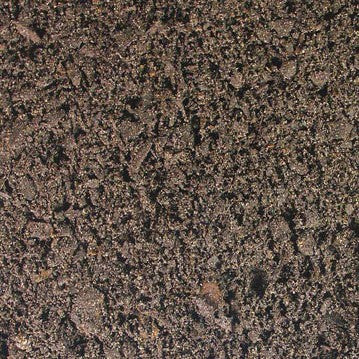
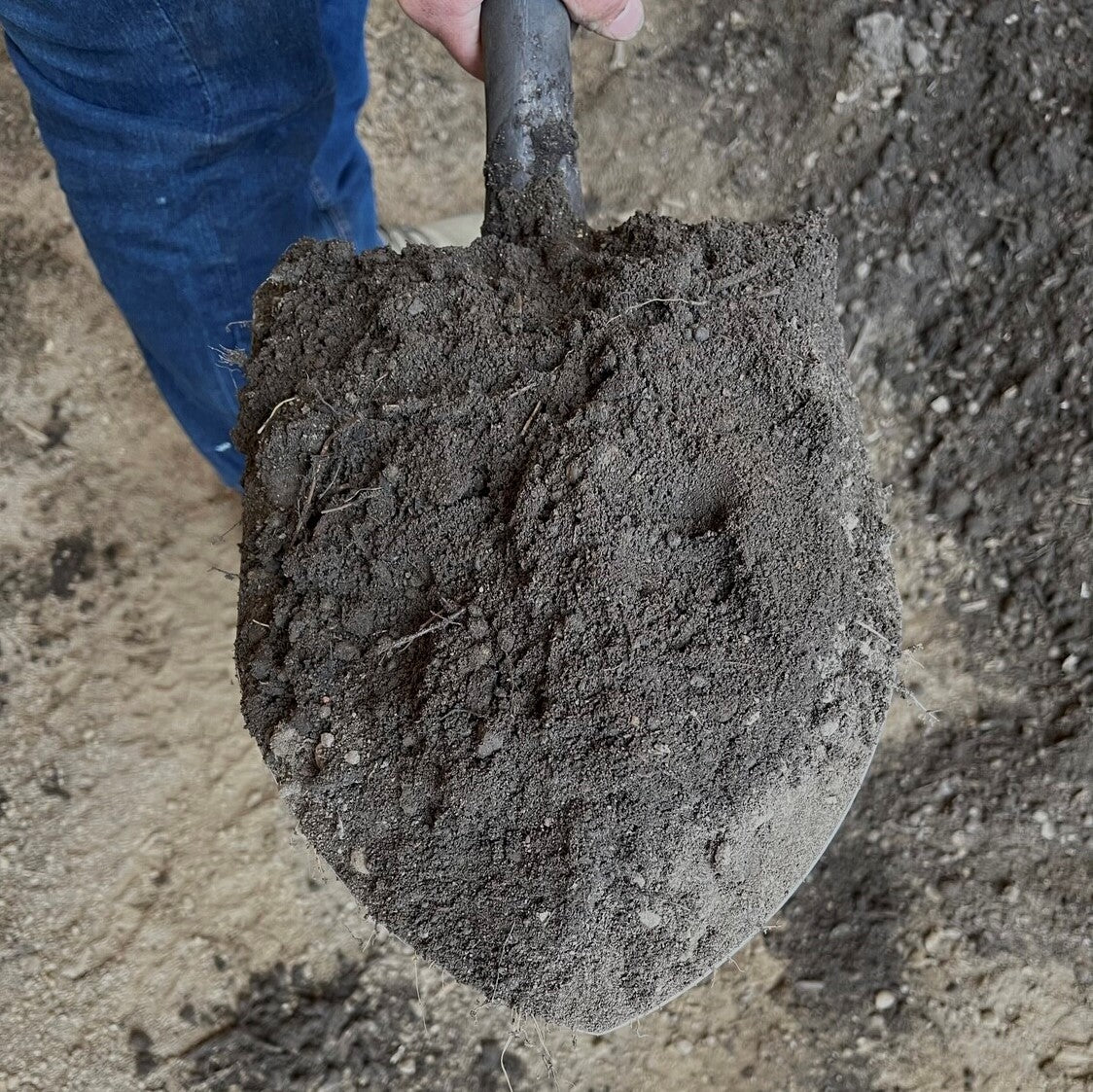
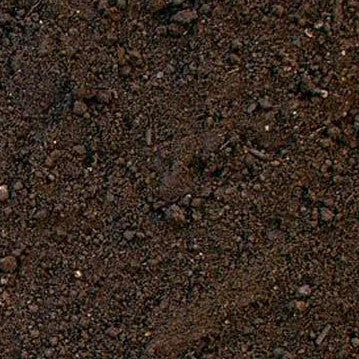
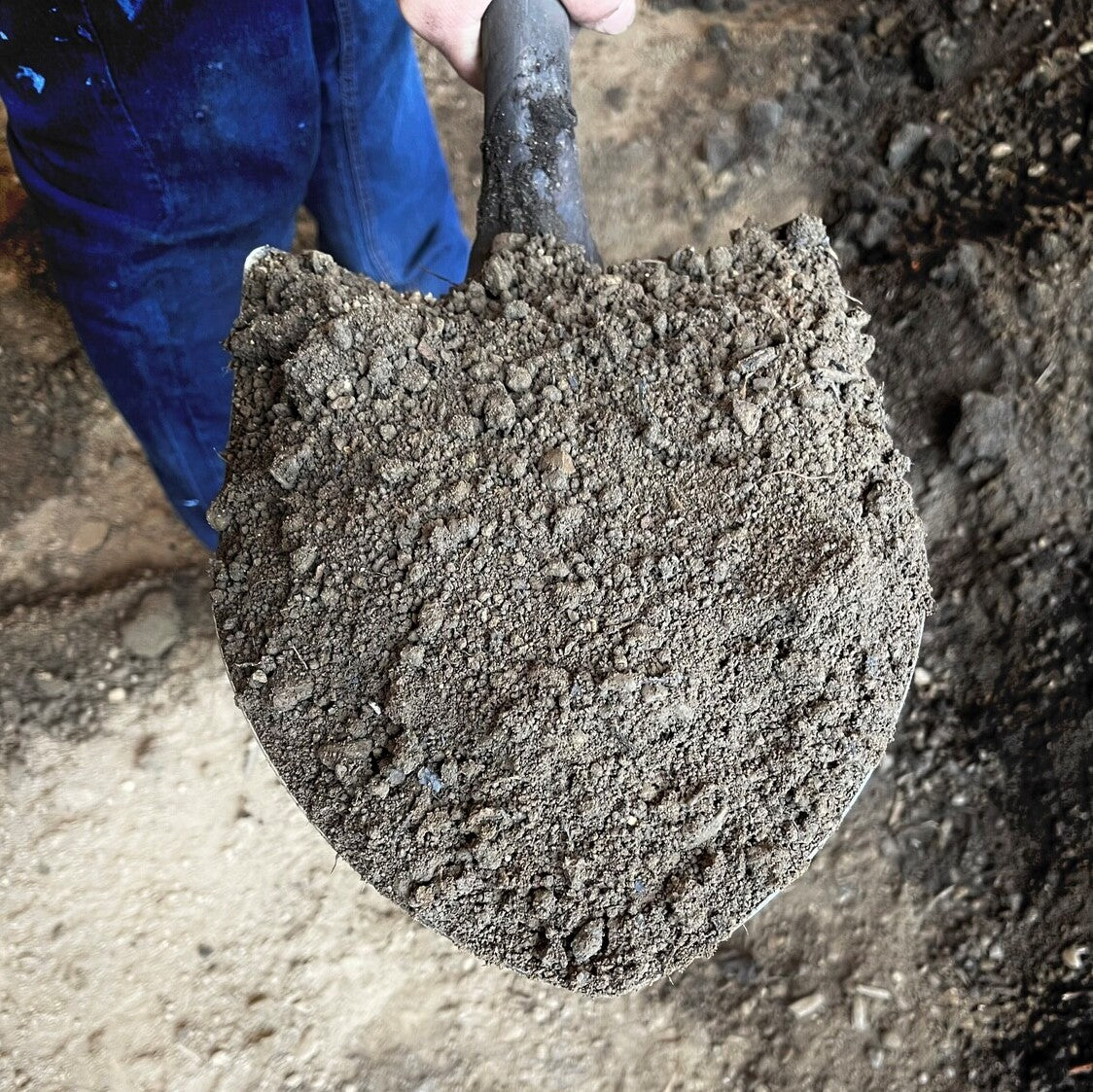
A balanced mix of topsoil and organic amendments ready for raised beds, flower gardens, and new planting areas. Good drainage, solid nutrients, easy to work with.
I got 3 yards of dirt to create a garden bed on the side of my house and to help fill my new raised garden beds. We had enough dirt to do all of this and fill some holes in the yard! Thanks 😃
Tell us what you're looking for
Thanks! We received your request.
Something went wrong. Please try again.
How Much Material Do I Need?
For lawn leveling in Fredericksburg, apply topsoil in 1 to 2 inch lifts over low areas and allow each layer to settle before adding more. For new garden beds installed over native clay loam, a minimum of 8 to 12 inches of quality soil gives plant roots the improved growing zone they need to perform through the full zone 7b season.
Use our free soil calculator
What is a yard?
A yard is approximately 27 cubic feet. As a general guideline, one yard of material can cover an area of about 100-160 square feet at a 2-3 inch depth.
We can't take orders for this right now. Tell us what you need and we'll get back to you.
What do you need?
Thanks! We received your request.
Something went wrong. Please try again.
Hand-picked local yards
4,000+ regional deliveries
Dedicated support
Why order through Mulch Mound
The best local soil, without the guesswork.
We hand-pick and partner with the best yards in your region, keep only the ones our buyers rate well, and back each load with our guarantee.
Mulch Mound Guarantee
If your soil isn't the quantity or quality you ordered, we'll make it right.
About this soil
A balanced mix of topsoil and organic amendments ready for raised beds, flower gardens, and new planting areas. Good drainage, solid nutrients, easy to work with.
I got 3 yards of dirt to create a garden bed on the side of my house and to help fill my new raised garden beds. We had enough dirt to do all of this and fill some holes in the yard! Thanks 😃
How Much Material Do I Need?
For lawn leveling in Fredericksburg, apply topsoil in 1 to 2 inch lifts over low areas and allow each layer to settle before adding more. For new garden beds installed over native clay loam, a minimum of 8 to 12 inches of quality soil gives plant roots the improved growing zone they need to perform through the full zone 7b season.
Use our free soil calculator
What is a yard?
A yard is approximately 27 cubic feet. As a general guideline, one yard of material can cover an area of about 100-160 square feet at a 2-3 inch depth.
I got 3 yards of dirt to create a garden bed on the side of my house and to help fill my new raised garden beds. We had enough dirt to do all of th...
Read full review
I got 3 yards of dirt to create a garden bed on the side of my house and to help fill my new raised garden beds. We had enough dirt to do all of this and fill some holes in the yard! Thanks 😃
Measure your project area in feet, length by width, and determine the depth of soil you need in inches. Divide that depth by 12 to convert to feet, then multiply all three numbers together and divide by 27 to get cubic yards. In Fredericksburg, projects involving grading over native clay loam often benefit from ordering 10 to 15 percent more material than the base calculation suggests, since clay subgrade can settle and compress after heavy rain events, reducing the effective depth of your new soil layer.
Soil Types We Deliver in Fredericksburg
Whether you are seeding a new lawn, filling raised beds, or grading after construction, ordering bulk topsoil by the yard in Fredericksburg saves time and keeps costs predictable. The clay-heavy native soils across this part of Virginia often need amendment or outright replacement before plants can thrive. We deliver quality soil by the cubic yard straight to your driveway or job site.
Screened Top Soil
Screened to a fine, even texture, this topsoil spreads easily and creates a clean seedbed for new lawns, sod installations, and raised garden beds. It is a practical upgrade over the dense native clay found throughout this part of Virginia.
Fill Dirt
Unscreened and affordable, fill dirt suits grading, lot leveling, and rough fill work where finer texture is not required. New home sites and additions are common throughout this region, and fill dirt is one of our most frequently requested materials for large-volume ground work.
Gardening Blend
A ready-to-use mix of topsoil and organic amendments, this blend suits raised beds, new flower gardens, and planting areas that need immediate fertility. It drains well without drying out too quickly, which matters during the dry stretches common in Virginia summers.
Garden Compost
This nutrient-rich organic amendment loosens native clay soil and feeds beneficial microbial life below the surface. Home gardeners throughout this part of Virginia use it to build productive beds season after season. Sold in a standard grade, it mixes evenly into existing soil.
Complete Your Outdoor Soil Project
Finish your soil project with a layer of mulch over new bed surfaces to protect the soil, reduce moisture evaporation through Fredericksburg's warm summers, and suppress the weed growth that follows any fresh soil disturbance in zone 7b. Stone edging along bed perimeters keeps soil contained during our heavy rain events and gives the finished area a clean, defined edge.
My Fredericksburg yard has terrible drainage after every rainstorm. Will adding topsoil actually help?
It helps when applied with proper grading, but adding topsoil on top of compacted clay loam without shaping the surface can create a perched water zone where moisture collects right at the boundary between new and native soil. The key in Fredericksburg is grading the topsoil so water flows consistently away from structures and low spots rather than pooling. A 4 to 6 inch layer of quality topsoil graded correctly can significantly reduce standing water in most yards, especially when paired with a French drain in the lowest areas.
Answer
How deep does my soil need to be for a new garden bed here in Fredericksburg?
For in-ground beds in Fredericksburg, aim for at least 8 to 12 inches of improved soil depth to give roots a meaningful growing zone above the native clay loam. Most vegetables and perennials need that depth for healthy establishment, especially in our zone 7b climate where plants are actively growing from late March through October and putting down extensive root systems. For raised bed frames, 12 inches of quality garden soil mix is a strong starting point that supports both shallow and moderately deep-rooted crops.
Answer
Can I use bulk topsoil to smooth out the low spots in my Fredericksburg lawn?
Topsoil is one of the most common materials used for lawn leveling in Fredericksburg, and it works well when applied correctly. Native clay loam settles unevenly over time, and freeze and thaw cycles through our mild winters cause additional heaving and low spots to develop. Spread topsoil in thin 1 to 2 inch layers over problem areas and allow each lift to settle before adding more. Top-dress in early spring after the March 22 frost date to give grass time to grow up through the fresh layer before summer heat arrives.
Answer
What is the difference between topsoil and garden soil for my Fredericksburg raised beds?
Topsoil is a mineral-based product best used for grading, filling, and general leveling work where structural mass matters more than nutrient content. Garden soil or planting mix includes added compost and organic amendments that create the loose, nutrient-rich texture that vegetables and flowering plants need to establish quickly. In Fredericksburg, where native clay loam is dense and slow-draining, a quality garden soil blend placed in raised beds gives plants ideal root conditions from day one, without waiting multiple seasons for native soil to organically improve.
Answer
My clay soil turns rock hard every summer. Will adding topsoil change that over time?
Adding topsoil creates a better growing layer above the clay, but the native clay beneath will still behave the same way on its own. The real improvement for Fredericksburg clay compaction comes from incorporating organic matter consistently, which quality topsoil blended with compost helps accomplish each season. As that organic material breaks down and migrates into the clay below it gradually opens the structure. Most Fredericksburg homeowners see meaningful soil improvement within 2 to 3 seasons of consistent annual top-dressing.
Answer
When is the best time of year to bring in soil for lawn work in Fredericksburg?
Early spring just after our March 22 average last frost is the prime window. Cool-season grasses are breaking dormancy and warm-season grasses have not yet started aggressive growth, so top-dressed soil can be raked in without smothering an active canopy. Early fall from late August through mid-September is the second-best opportunity for Fredericksburg lawn work, because soil temperatures are still warm enough to support germination and establishment while cooling air temperatures reduce heat stress on the turf.
Answer
How many cubic yards of topsoil do I need to fill a raised bed in Fredericksburg?
Multiply the length by width by depth of your bed in feet, then divide by 27 to convert to cubic yards. A standard 4 by 8 foot bed at 12 inches deep needs roughly 1.2 cubic yards of soil. For Fredericksburg, we recommend filling raised beds with a blend of topsoil and compost-amended garden mix rather than pure native clay loam, since the clay fraction compacts tightly in the confined space of a frame and drains poorly during our wet spring and fall rain periods.
Mulch Mound Pro Tip
Before spreading topsoil over Fredericksburg's native clay loam, use a tiller or garden fork to loosen the top 2 to 3 inches of existing soil first. This creates a rough transition zone where new topsoil can bond with the native clay rather than sitting as a separate, disconnected layer on the surface. A blended interface between materials allows water to move more consistently through the soil profile and reduces the risk of a perched water zone forming right at the layer boundary after heavy rain events.
Mulch Mound Pro Tip
Fredericksburg's first frost typically arrives around October 27, so plan any major soil grading or bed-building projects to wrap up by mid-October at the latest. Cold, wet clay loam is difficult to work cleanly once fall moisture rises and ground temperatures drop below 50 degrees. Projects completed in early fall also give any seeded areas enough time to germinate and establish a root system before the first frost, which dramatically improves the density and vigor of the stand heading into winter.
Mulch Mound Pro Tip
When building raised beds in Fredericksburg, resist filling them entirely with clay-heavy topsoil. A blended mix of quality topsoil and compost or aged organic matter produces a looser, better-draining growing medium that supports vigorous root development through our 43-inch annual rainfall cycle. Pure clay loam in a raised bed frame retains far too much water in the confined growing space, leading to waterlogged roots and poor performance during our wet spring and fall periods when beds stay saturated for days at a time.
The Unique Landscape of Fredericksburg
Fredericksburg sits on clay loam that is reasonably fertile but consistently problematic for drainage and compaction, creating real obstacles for homeowners trying to establish healthy lawns, productive garden beds, or stable graded surfaces. The heavy clay fraction in the native soil swells when wet and cracks when dry, leaving bare areas with uneven surfaces that resist seeding and planting. With 43 inches of annual rainfall, low-lying areas can stay waterlogged for days after storms, stressing or killing root systems that have no escape from the saturated clay. Bringing in quality topsoil or garden soil lets you build beds and grade surfaces above that problematic native layer, giving roots a loose, well-drained growing zone without waiting years for clay loam to naturally improve. Zone 7b's long growing season, running from roughly late March through late October, means well-prepared soil pays dividends across many productive months each year. Whether you are leveling a lawn, building raised beds, or establishing a new planting area, the right soil product sets the foundation for everything that grows above it.