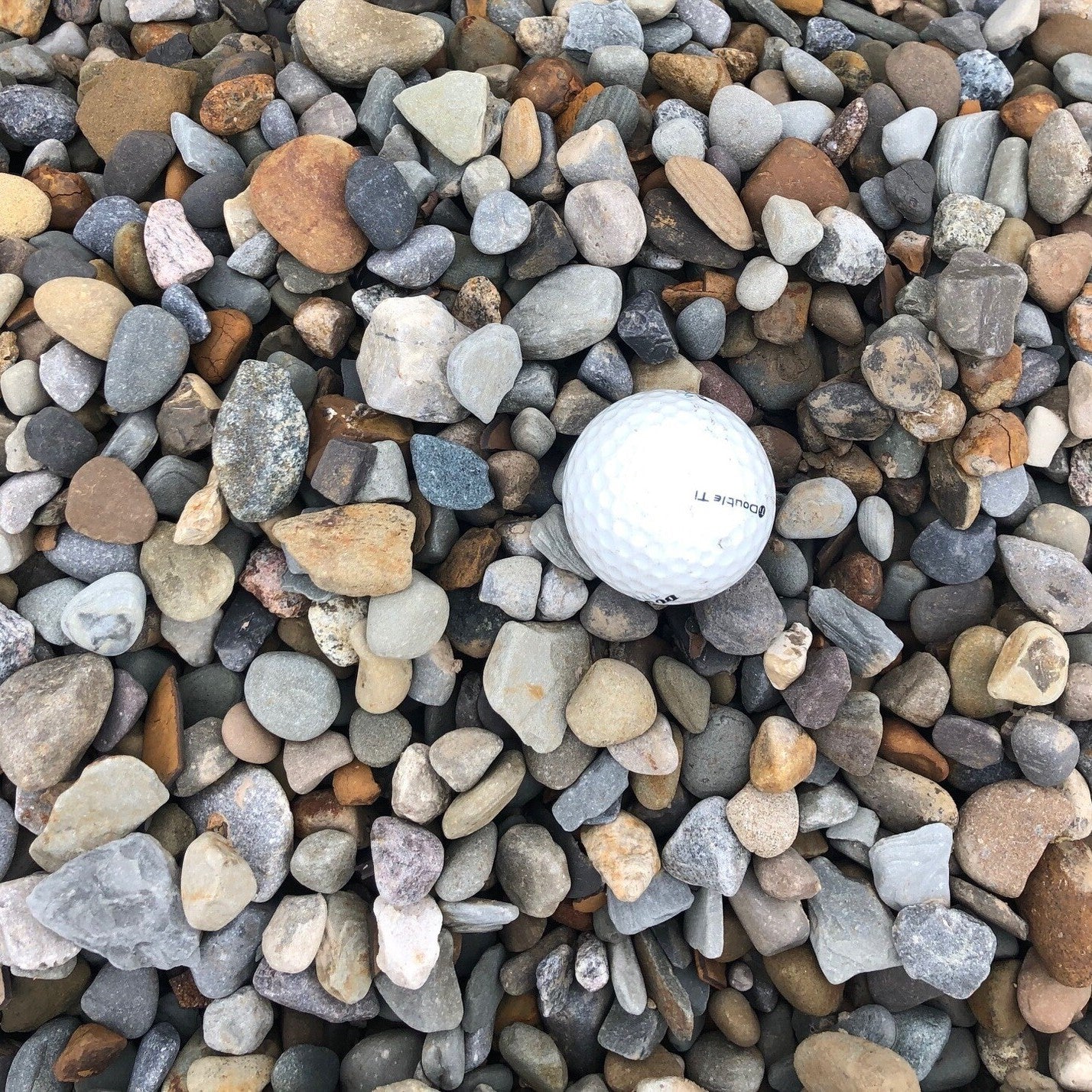
Number 57 crushed stone, angular limestone graded to about three quarters of an inch. The standard driveway, base and drainage gravel, it locks together under traffic and drains fast.
Mulch Mound delivered a yard of pea gravel to us. Delivery was on time, driver was friendly and hit a bullseye on the “tarp target”. We used the pea gravel (which was diameter as specified) to fill several muskrat holes around our pond. I would definitely recommend Mulch Mo...
Tell us what you're looking for
Thanks! We received your request.
Something went wrong. Please try again.
How Much Material Do I Need?
For decorative bed coverage and weed suppression in Fredericksburg, 2 to 3 inches of stone provides effective results. For drainage channels, dry creek beds, and erosion control areas designed to handle runoff from our 43-inch annual rainfall, plan for 4 inches or more to keep material stable and functional through our most intense summer storm events.
Use our free gravel calculator
What is a yard?
A yard is approximately 27 cubic feet. As a general guideline, one yard of material can cover an area of about 100-160 square feet at a 2-3 inch depth.
We can't take orders for this right now. Tell us what you need and we'll get back to you.
What do you need?
Thanks! We received your request.
Something went wrong. Please try again.
Hand-picked local yards
4,000+ regional deliveries
Dedicated support
Why order through Mulch Mound
The best local stone, without the guesswork.
We hand-pick and partner with the best yards in your region, keep only the ones our buyers rate well, and back each load with our guarantee.
Mulch Mound Guarantee
If your stone isn't the quantity or quality you ordered, we'll make it right.
About this stone
Number 57 crushed stone, angular limestone graded to about three quarters of an inch. The standard driveway, base and drainage gravel, it locks together under traffic and drains fast.
Mulch Mound delivered a yard of pea gravel to us. Delivery was on time, driver was friendly and hit a bullseye on the “tarp target”. We used the pea gravel (which was diameter as specified) to fill several muskrat holes around our pond. I would definitely recommend Mulch Mo...
How Much Material Do I Need?
For decorative bed coverage and weed suppression in Fredericksburg, 2 to 3 inches of stone provides effective results. For drainage channels, dry creek beds, and erosion control areas designed to handle runoff from our 43-inch annual rainfall, plan for 4 inches or more to keep material stable and functional through our most intense summer storm events.
Use our free gravel calculator
What is a yard?
A yard is approximately 27 cubic feet. As a general guideline, one yard of material can cover an area of about 100-160 square feet at a 2-3 inch depth.
Mulch Mound delivered a yard of pea gravel to us. Delivery was on time, driver was friendly and hit a bullseye on the “tarp target”. We used the ...
Read full review
Mulch Mound delivered a yard of pea gravel to us. Delivery was on time, driver was friendly and hit a bullseye on the “tarp target”. We used the pea gravel (which was diameter as specified) to fill several muskrat holes around our pond. I would definitely recommend Mulch Mound to a friend!
Measure your project area in square feet and decide on your target depth in inches. As a general rule, divide your square footage by 100 for a 3-inch depth to estimate cubic yards needed for most decorative stone applications. In Fredericksburg, drainage and erosion control projects often benefit from adding 10 to 15 percent extra material beyond the base calculation, since clay loam subgrade can settle unevenly under the weight of stone after the first few heavy rain events of the season.
Stone Types We Deliver in Fredericksburg
Fredericksburg homeowners and landscapers count on us for reliable bulk gravel by the yard in Fredericksburg, delivered straight to your driveway or job site. Whether you are refreshing a backyard pathway or tackling a drainage project, having the right stone in the right quantity makes all the difference. We deliver by the cubic yard so you get exactly what your project needs without the hassle of hauling it yourself.
Pea Gravel
Pea gravel is a go-to choice for the classic colonial and craftsman-style homes common throughout this part of Virginia. Its smooth, rounded edges and warm earth tones pair well with the region's mature hardwoods and red clay soils. Use it for garden pathways, patio bases, or low-lying drainage areas where standing water is a seasonal concern.
Complete Your Outdoor Stone Project
Pair stone pathways and borders with fresh mulch in adjacent planting beds to create a layered landscape that handles Fredericksburg's clay loam drainage challenges and frequent rainfall from multiple angles. Consider adding quality topsoil or garden soil beneath raised bed areas before placing stone borders to improve the growing environment and give plant roots a healthy zone to establish above the native clay.
Fredericksburg's clay loam subgrade shifts and heaves more than sandy soils through winter freeze and thaw cycles, which can push stone pathways and patio bases out of level over time. Before laying any stone surface, compact the native clay layer firmly and install a 2 to 3 inch base of coarse crushed stone beneath your finished material. This base layer allows water to drain through rather than pooling under the stone and expanding during cold snaps, which is the primary cause of the settling and unlevel surfaces that develop after winter in Fredericksburg yards.
Mulch Mound Pro Tip
In shaded areas of Fredericksburg landscapes, moss and algae colonize light-colored stone within one or two seasons due to our consistent humidity and frequent rainfall. If you prefer a clean, bright stone appearance in shaded beds or beneath tree canopies, choose a charcoal, dark river rock, or brown-toned product that visually absorbs organic growth better than white or light gray options. A light rinse with diluted white vinegar applied in early spring can refresh lighter stone without harming surrounding plants if you prefer to maintain that look.
Mulch Mound Pro Tip
When sizing stone drainage features in Fredericksburg, design for the largest rain events you realistically expect, not just average storms. Our area can receive several inches of rain in a single summer thunderstorm, and a dry creek bed or gravel channel that looks generously oversized during dry weather is often exactly right when a major system moves through. Undersized drainage channels overflow and erode the clay loam edges that contain them, which sends material into your lawn and undoes the work of the installation within a single season.
The Unique Landscape of Fredericksburg
Stone is one of the most practical and durable landscaping materials available for Fredericksburg properties because it manages clay loam soil and 43-inch annual rainfall without breaking down, washing away, or requiring seasonal replacement. Clay loam's slow drainage means pathways and high-traffic areas built from organic or lightweight materials become muddy and eroded after repeated rain events, while stone maintains a stable, clean surface year-round. Decorative stone in planting beds suppresses the weed growth that Fredericksburg's warm, humid zone 7b growing season encourages, and unlike organic mulch it does not decompose and require annual replenishment. Stone is also highly effective on sloped areas where Fredericksburg's storm events would otherwise cause significant erosion and topsoil loss from exposed clay loam faces. Foundation borders and dry creek beds built with stone redirect surface water efficiently and create features that complement the established look of Fredericksburg properties. Whether used for drainage, decoration, or hardscaping, stone delivers a return on investment that holds up through decades of Mid-Atlantic weather.
Frequently Asked Questions
Click a question to see the answer
Answer
What type of stone works best for a garden path on top of Fredericksburg clay soil?
Crushed stone is generally the better choice for pathways over clay loam subgrade in Fredericksburg because its angular edges interlock and compact into a stable surface. Rounded pea gravel shifts underfoot on clay-based ground and migrates out of the path over time. Because clay drains slowly, laying a 2 to 3 inch stone layer over a landscape fabric barrier helps water drain laterally off the surface rather than pooling after rain, keeping the path firm and walkable through our wet spring and fall seasons.
Answer
Will stone around my foundation actually help with drainage in Fredericksburg?
Stone is one of the most effective materials for foundation borders in Fredericksburg. A 12 to 18 inch band of gravel or river rock placed along the foundation line allows rain to drain quickly away from the structure rather than pooling in the clay loam that typically sits right against your slab or footing. With 43 inches of annual rainfall hitting our area, keeping water moving efficiently away from foundations is critical, and gravel accomplishes that far better than organic mulch or bare clay loam, both of which hold moisture close to the structure.
Answer
How do I stop erosion on the sloped areas of my Fredericksburg yard?
Stone is the most durable long-term solution for slope erosion in Fredericksburg. On moderate grades, a 3 to 4 inch layer of river rock or angular decorative stone slows water velocity and holds clay loam in place during heavy rain events. For steeper slopes, dry stacked stone retaining walls or large riprap stone redirect runoff safely without the maintenance burden of planted erosion control alone. Combining stone with deep-rooted native plantings gives you both immediate physical protection and long-term root stabilization through our storm-heavy summer season.
Answer
Can I use stone in my planting beds instead of mulch in Fredericksburg?
You can, and it works well for certain applications with some trade-offs worth considering. Stone suppresses weeds effectively and does not decompose, which reduces maintenance compared to organic mulch in Fredericksburg's humid zone 7b climate. However, stone absorbs and radiates heat in summer, raising soil temperatures in bed areas that can stress shallow-rooted or moisture-sensitive plants during our hottest stretches. Stone performs best around heat-tolerant shrubs, ornamental grasses, and foundation borders rather than in beds with annuals, perennials, or edibles that need consistent soil moisture.
Answer
What stone sizes should I use when building a dry creek bed in my yard?
A combination of sizes produces the most natural-looking and functional dry creek bed in Fredericksburg. Use larger river rocks in the 4 to 6 inch range as the primary channel material to handle the volume and force of water that moves through during our summer thunderstorms. Fill gaps with medium cobble and edge the sides with smaller rounded stone for a gradual, natural transition to the surrounding lawn or bed. The variety in size mimics real creek hydrology and gives stormwater multiple paths to flow through during the high-volume events Fredericksburg yards experience several times each season.
Answer
How much stone do I need for a gravel driveway or parking area in Fredericksburg?
Plan for 4 inches of compacted stone depth to handle vehicle weight on clay loam subgrade. Clay shifts and deforms under load when saturated, and a shallower application will develop ruts after wet weather within a season or two. Measure your area in square feet and divide by 80 to estimate cubic yards needed for a 4-inch depth. Installing a geotextile fabric layer beneath the stone before compacting extends the surface life significantly by preventing clay from migrating up into the gravel over time.
Answer
What stone color holds up best visually through a Fredericksburg summer and fall?
Neutral tones like tan, buff, charcoal, and natural gray river rock hold their appearance best through Fredericksburg's wet and humid seasons. Bright white stone develops a greenish or gray-brown tint in shaded areas within one or two seasons because our consistent humidity and tree canopy coverage encourage algae and moss growth on light surfaces. For open, sunny beds, lighter stone stays cleaner longer. For shaded areas where moisture lingers well into fall, a darker natural river rock or charcoal-toned product maintains a cleaner appearance through our long growing season.
Answer
Is crush and run the same as crusher run?
Crush and run gets its name from the way crushed stone and stone dust lock together into a firm, compact base once graded and tamped down. In Fredericksburg's clay loam soil, that kind of packed fines mix can trap moisture instead of draining it. Crushed Stone #57 sheds water freely and holds up better under repeated rainfall for driveways and walkways.