I can’t say enough good things about Mulch Mound! If you read my review below you will see I had a problem with my order. Mulch Mound was quick to respond and solved the issue with my delivery. Will definitely be a customer next year.
First time purchase...
Tell us what you're looking for
Thanks! We received your request.
Something went wrong. Please try again.
How Much Material Do I Need?
For most Fremont planting beds, a 3-inch depth is the sweet spot that delivers meaningful moisture retention without creating drainage problems in adobe clay soil. Slopes and areas exposed to afternoon bay winds may benefit from a full 4 inches to account for settling and movement.
Use our free mulch calculator
What is a yard?
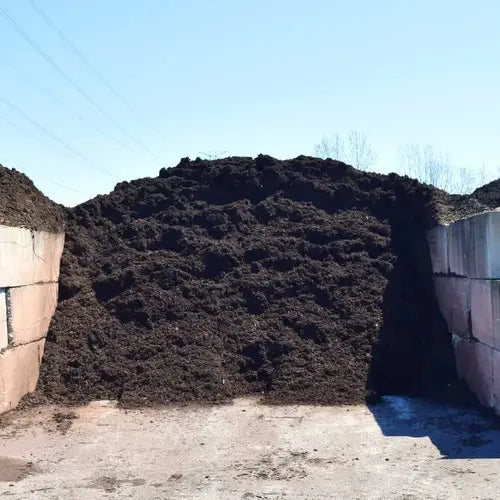
A yard is approximately 27 cubic feet. As a general guideline, one yard of material can cover an area of about 100-160 square feet at a 2-3 inch depth.
I can’t say enough good things about Mulch Mound! If you read my review below you will see I had a problem with my order. Mulch Mound was quick to respond and solved the issue with my delivery. Will definitely be a customer next year.
First time purchase...
How Much Material Do I Need?
For most Fremont planting beds, a 3-inch depth is the sweet spot that delivers meaningful moisture retention without creating drainage problems in adobe clay soil. Slopes and areas exposed to afternoon bay winds may benefit from a full 4 inches to account for settling and movement.
Use our free mulch calculator
What is a yard?
A yard is approximately 27 cubic feet. As a general guideline, one yard of material can cover an area of about 100-160 square feet at a 2-3 inch depth.
I can’t say enough good things about Mulch Mound! If you read my review below you will see I had a problem with my order. Mulch Mou...
Read full review
UPDATE!
I can’t say enough good things about Mulch Mound! If you read my review below you will see I had a problem with my order. Mulch Mound was quick to respond and solved the issue with my delivery. Will definitely be a customer next year.
First time purchase from Mulch Mound!! First what I liked! Easy to order online and straight forward pricing and delivery. The driver was on time and courteous and delivered my Mulch exactly where I requested! The product is of good quality and comparable to others I have purchased from before. Now what I DID’NT LIKE! I have been mulching the same house and yard for almost 20 years. I always order the same amount and don’t have any issues with covering the same area but this year I fell about a yard short. I was home when the mulch was delivered and when the driver dumped it I noticed that it seemed a bit less than I was used to. I didn’t apply it any thicker than usual and probably a bit thinner than usual because I was worried about running out.
Mulch Mound made it so easy! So happy with the pricing, turn around time, delivery and product. I submitted my online order on a Thursday. The mu...
Read full review
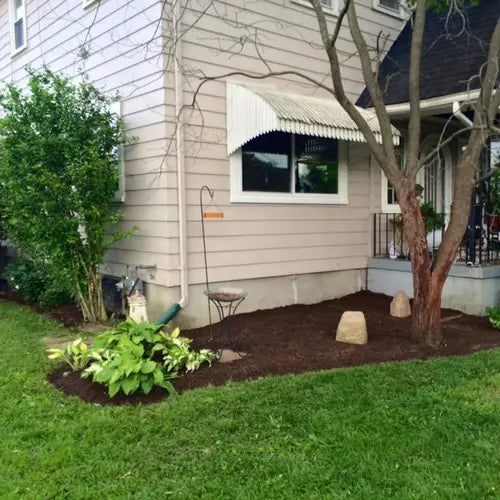
Mulch Mound made it so easy! So happy with the pricing, turn around time, delivery and product. I submitted my online order on a Thursday. The mulch was delivered to the designated location by a local landscape company at 8:30 a.m. the following Saturday morning. We had the job completed by that afternoon. We chose the natural brown mulch, and the plant beds are beautiful.
Measure each planting bed individually since irregular shapes can throw off your total if you estimate the whole yard at once. Break oddly shaped beds into rectangles, calculate each section separately, and then add the totals together before converting to cubic yards. It is always better to round up by half a yard so you are not caught short mid-project.
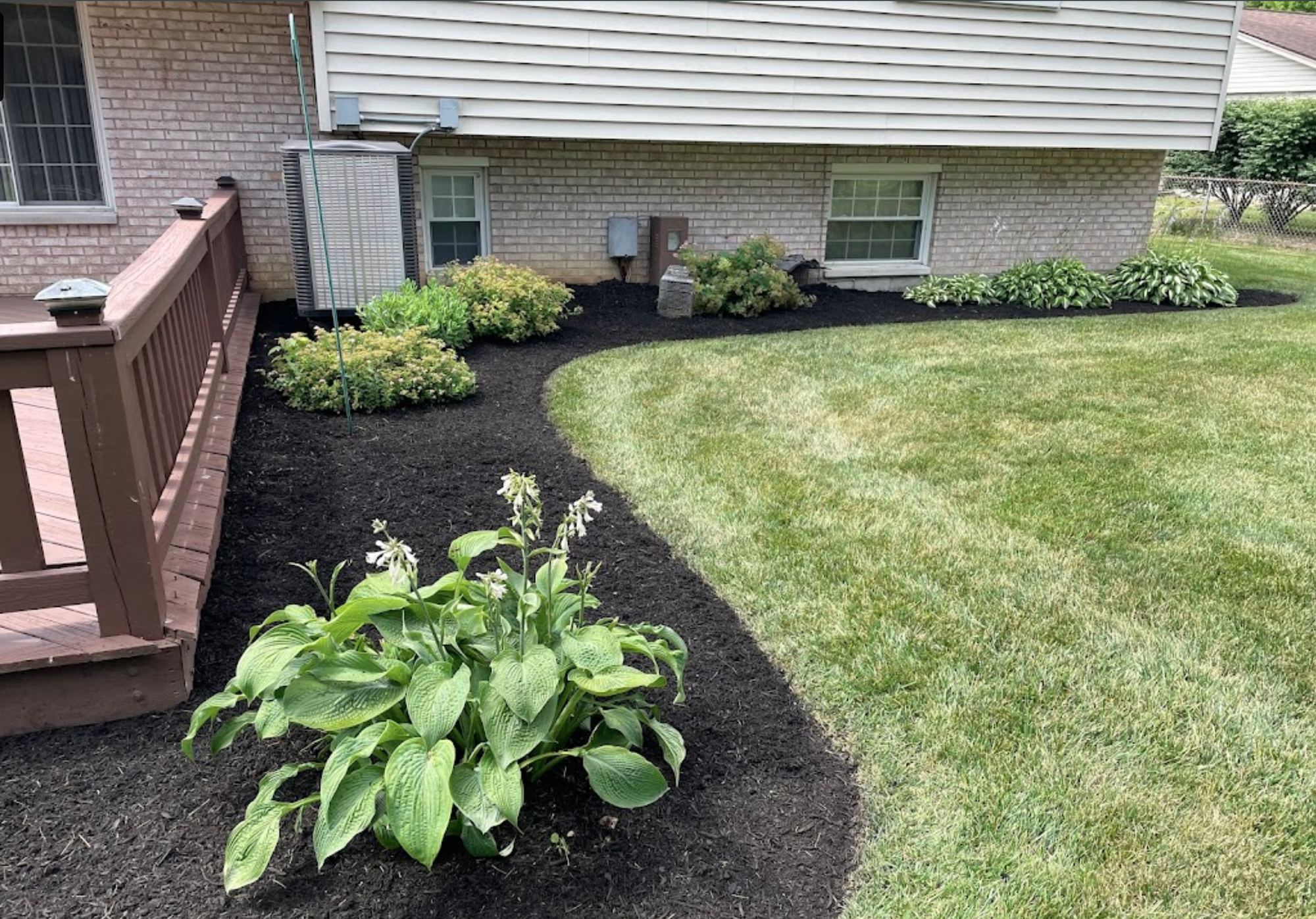
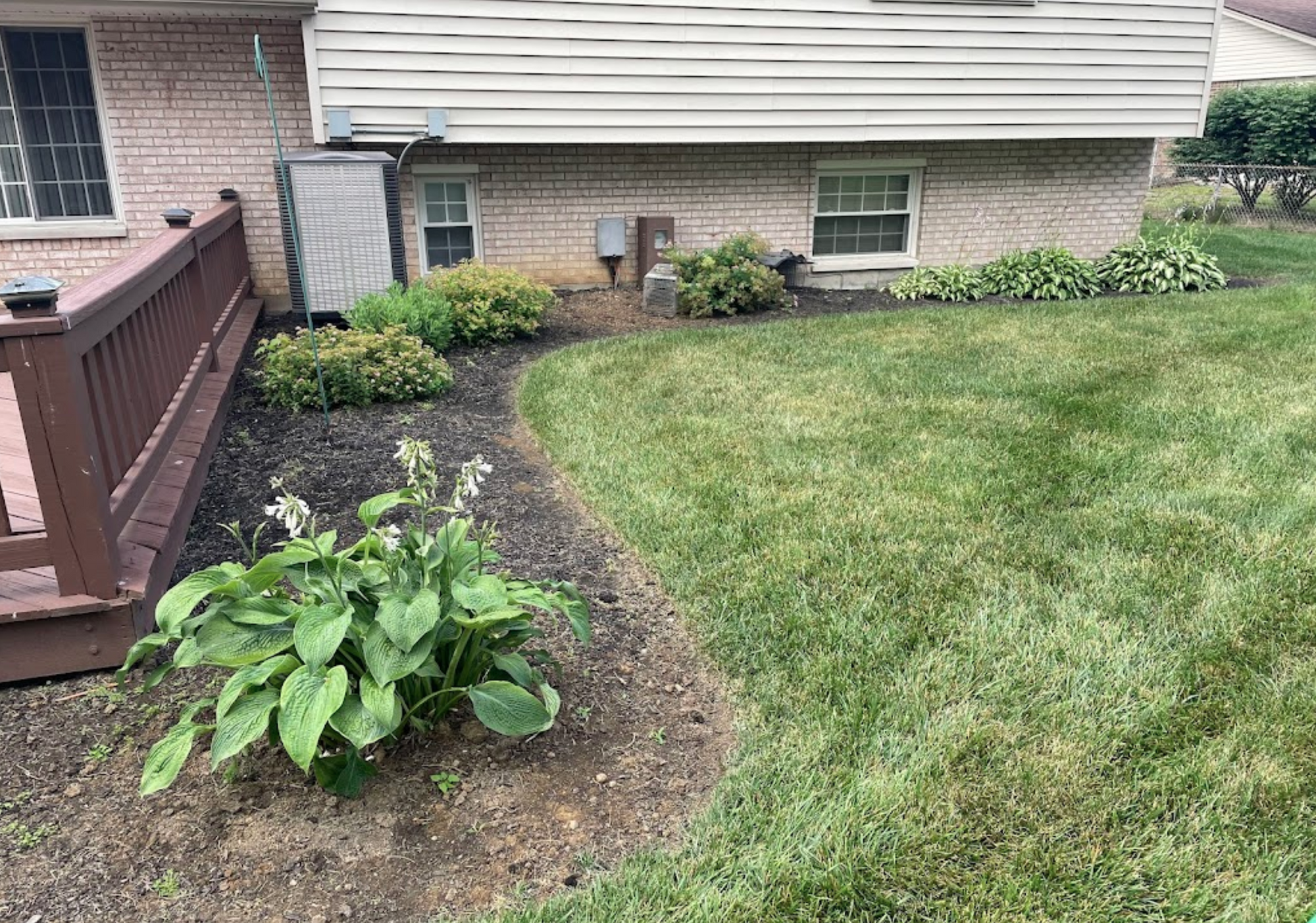
Mulch vs. No Mulch: The Difference
In Fremont's warm, frost-free climate, organic mulch breaks down at a steady pace throughout the year, meaning it is actively enriching your soil even in January. This faster decomposition rate compared to cooler Bay Area cities like Pleasanton or Livermore means Fremont homeowners need to replenish mulch more frequently to maintain an effective layer. The upside is that your adobe clay soil gets a consistent supply of organic matter, which gradually improves its texture and drainage over time.
Before
After
Best Mulch Choice for Fremont Lawns
Most yards in the Fremont area sit on type of soil. Adobe clay soil in Fremont is notoriously slow to drain and prone to compaction, which suffocates roots and creates standing water in planting beds after winter storms. A generous mulch layer reduces compaction by protecting the soil surface from the pounding effect of overhead irrigation and heavy rain.
Hardwood Mulch
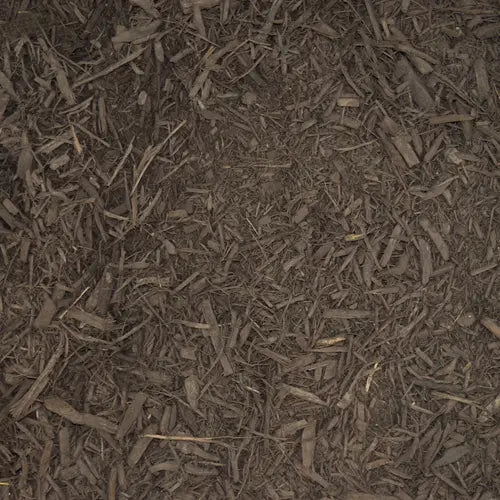
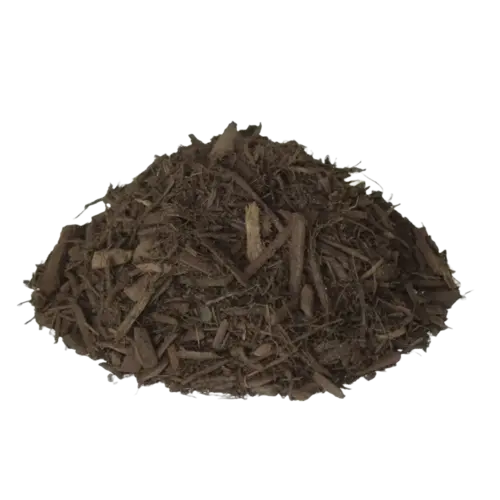
Shredded hardwood mulch is particularly beneficial for Fremont's adobe clay because as it breaks down, it releases organic acids that help loosen clay particles and improve soil aggregation. Over two to three seasons of consistent hardwood mulch applications, many Fremont gardeners notice their clay beds becoming noticeably easier to dig and better at draining after rain.
Complete Your Outdoor Mulch Project
Pairing mulch with a quality amendment-rich soil gives your plants the best possible foundation in Fremont's challenging adobe clay environment. Consider adding a cubic yard or two of garden mix to raised beds or areas where you are starting fresh before laying your mulch on top.
In Fremont's adobe clay soil, water can pool on top of beds before soaking in, especially in winter. Before applying mulch, use a garden fork to lightly aerate the soil surface so water moves through the mulch and into the ground rather than running off the sides of your beds. This simple step takes about 20 minutes and makes a noticeable difference in how evenly your plants get watered during those short winter rain events.
Mulch Mound Pro Tip
Fremont's dry season runs from roughly May through October with almost no measurable rainfall. Time your mulch application in late February or early March, right before the rains taper off, so the soil is still moist when you lay your mulch down. Trapping existing moisture under a fresh layer gives your plants a head start and reduces how quickly you need to switch on irrigation as temperatures climb into summer.
Mulch Mound Pro Tip
Because Fremont has no killing frost, decomposing mulch never gets a hard reset from freezing temperatures the way it does in colder climates. This means your mulch pile near the edges of beds can develop a matted layer that repels water instead of absorbing it. Use a rake to fluff and turn your existing mulch before topping it off each year. Breaking up that matted layer costs you nothing and keeps water moving down to the root zone where your plants actually need it.
Frequently Asked Questions
Click a question to see the answer
Answer
How often do I need to reapply mulch in Fremont given our dry summers?
In Fremont's Zone 9b climate, organic mulch breaks down faster than in cooler regions because the soil stays warm for most of the year. Most homeowners find they need to top off their mulch once a year, usually in late winter or early spring before the heat sets in. Aim to maintain a consistent 3-inch layer throughout the year to get the best moisture retention results.
Answer
Will mulch help with the cracking I see in my adobe clay soil every summer?
Yes, mulch is one of the best tools for managing adobe clay cracking in Fremont. The clay expands when it absorbs winter rain and then contracts and cracks as it dries out in summer. A 3 to 4 inch mulch layer slows that drying process dramatically, reducing the severity of surface cracking and protecting the feeder roots of your plants that live close to the surface.
Answer
Does mulch attract termites in Fremont neighborhoods?
This is a common concern in the Bay Area and the risk is real but manageable. Keep mulch at least 6 inches away from your home's foundation, wood siding, and fence posts. In Fremont, using a coarser wood chip mulch rather than a fine shredded product near structures can also reduce the appeal to moisture-seeking insects. Gorilla hair mulch made from shredded redwood is a popular choice here because redwood naturally resists insects.
Answer
Can I use mulch around my California native plants in my Fremont yard?
Absolutely, and it is actually highly recommended. California natives like toyon, manzanita, and coyote brush are already adapted to Fremont's dry summers, but mulch helps them establish faster by reducing the irrigation they need in their first couple of years. Just keep the mulch a few inches away from the crown of the plant to prevent rot, which can be a problem when you are watering to help new plants get established.
Answer
What is the difference between gorilla hair mulch and shredded hardwood for Fremont gardens?
Gorilla hair mulch is made from shredded redwood or cedar and has a fibrous texture that locks together on slopes, making it ideal for Fremont yards with any grade change. It also resists blowing away in the afternoon winds that come off the bay. Shredded hardwood breaks down more quickly into the soil, which is a benefit if your goal is improving that tough adobe clay over time. Many Fremont gardeners use gorilla hair on slopes and hardwood in flat planting beds.
Answer
How many cubic yards of mulch do I need for my front yard beds?
Measure the length and width of each bed in feet and multiply them together to get square footage. Then multiply that number by 0.25 if you want a 3-inch layer and divide by 27 to convert to cubic yards. For a typical Fremont front yard with about 200 square feet of bed space, you would need roughly 2 cubic yards to get a proper 3-inch layer.
Answer
Will mulch help me cut back on watering during Fremont's summer dry season?
It really does make a measurable difference. Studies show that a 3-inch layer of organic mulch can reduce soil moisture evaporation by up to 50 percent. For Fremont homeowners dealing with water restrictions and hot, dry summers with almost no rainfall from June through October, that means less time moving sprinklers and lower water bills while keeping plants healthier at the same time.
The Unique Landscape of Fremont
Fremont sits in a unique Mediterranean-influenced climate where long, dry summers and mild, wet winters create a challenging cycle for plant beds. With only about 16 inches of rain per year, the soil dries out quickly during the summer months, leaving roots stressed and exposed. The adobe clay soil common throughout Fremont expands when wet and cracks when dry, which can physically damage shallow root systems without a protective layer on top. A thick mulch layer acts as a thermal and moisture buffer, keeping the soil from swinging between extremes. Because Fremont rarely sees frost, organic mulch can break down year-round, meaning it feeds your soil even in winter. Staying on top of mulch replenishment is one of the most impactful things a Fremont gardener can do to support plant health.