




I needed 3 yards of top soil and that's what I got! Right on time and right where I asked it to be placed (Order# 2041).
About this soil
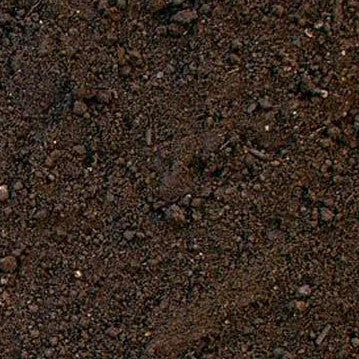
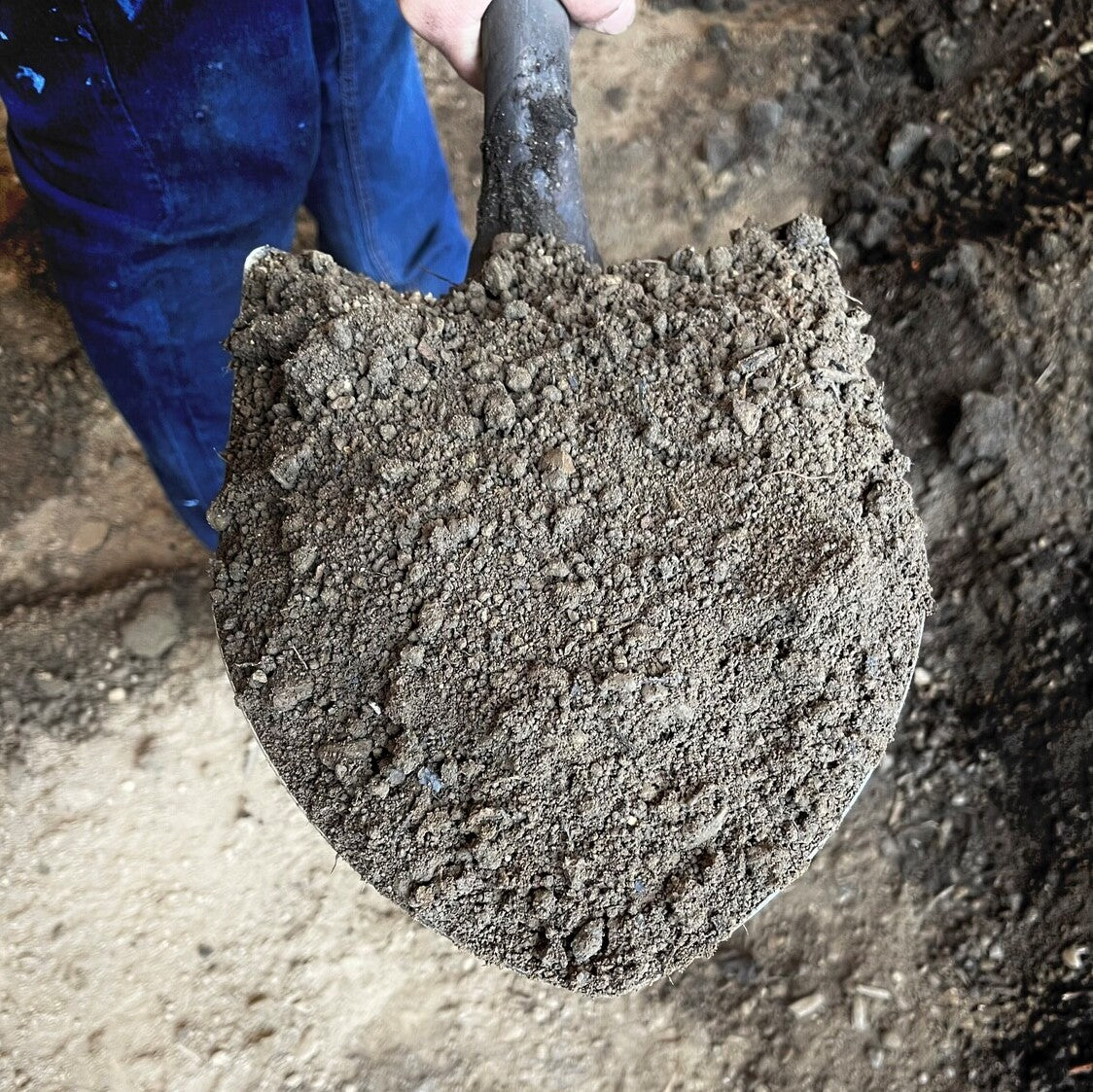
Screened topsoil with a fine, even texture. Ideal for new lawns, sod prep, and raised garden beds.
I needed 3 yards of top soil and that's what I got! Right on time and right where I asked it to be placed (Order# 2041).
Tell us what you're looking for
Thanks! We received your request.
Something went wrong. Please try again.
How Much Material Do I Need?
How Much Material Do I Need?
Raised vegetable beds in Fremont should be filled to at least 12 to 18 inches of quality soil to give roots room to stay in the good growing medium all season long. For topdressing existing lawn or beds, a half-inch to 1-inch layer is typically enough to improve surface drainage and add organic matter without overwhelming existing plants.
Use our free soil calculator
What is a Yard?
What is a Yard?
FAQs
FAQs
Fremont Soil Delivery
Fremont Soil Delivery
Regular price
$83.00
per
Yard
Regular price
Sale price
$83.00
Unit price
per
Shipping calculated at checkout.
Minimum of 3 Yard
Couldn't load pickup availability
Not currently available
We can't take orders for this right now. Tell us what you need and we'll get back to you.
Hand-picked local yards
4,000+ regional deliveries
Dedicated support
Why order through Mulch Mound
The best local , without the guesswork.
We hand-pick and partner with the best yards in your region, keep only the ones our buyers rate well, and back each load with our guarantee.
Mulch Mound Guarantee
If your isn't the quantity or quality you ordered, we'll make it right.
About this soil
Screened topsoil with a fine, even texture. Ideal for new lawns, sod prep, and raised garden beds.
I needed 3 yards of top soil and that's what I got! Right on time and right where I asked it to be placed (Order# 2041).
How Much Material Do I Need?
How Much Material Do I Need?
Raised vegetable beds in Fremont should be filled to at least 12 to 18 inches of quality soil to give roots room to stay in the good growing medium all season long. For topdressing existing lawn or beds, a half-inch to 1-inch layer is typically enough to improve surface drainage and add organic matter without overwhelming existing plants.
Use our free soil calculator
What is a Yard?
What is a Yard?
FAQs
FAQs
Tell us what you're looking for
Thanks! We received your request.
Something went wrong. Please try again.

How It Works
Getting started is easy — just follow these simple steps
1
Choose your soil
Make sure you adjust the quantity to your home's needs. You can use our calculator to estimate how much you'll need.
2
Select your delivery date
Select a delivery date you'd like for the product to be dropped off at your home
3
Sit back and wait
Sit back, wait, and let us work our magic to make sure the highest quality product is delivered to your driveway.

Highest compliments. Great driver.
Website is easy to navigate. Just a seamless process. 5 stars!!

Need Help Calculating How Much Soil You Need?
Use our NEW Trace from Satellite tool to get an estimate for your project based on an aerial view of your property
Try Our CalculatorFor raised beds, multiply the length by the width by the depth in feet and then divide by 27 to convert cubic feet to cubic yards. For topdressing a lawn or ground-level bed at a shallow depth, convert your depth to a fraction of a foot first before multiplying. Keep a simple notes app tally as you measure each zone in your yard so you do not lose track of individual calculations before adding them together.
Complete Your Outdoor Soil Project
A fresh layer of mulch over your new soil is the ideal finishing step, locking in moisture during Fremont's long dry season and reducing the need to water as frequently. Pairing quality soil with the right mulch gives your plants a supported environment from root to surface.
Service area
Areas we deliver soil in Fremont, California
Mulch Mound Pro Tip
When filling raised beds in Fremont, do not fill them all the way to the top of the frame on the first day. Fill to about 2 inches below the rim, water thoroughly, and let the soil settle for a few days before topping off. Garden mix with compost can settle by as much as 10 percent in the first month, and filling in stages means your beds stay full and productive rather than leaving roots exposed at the surface as the soil drops.
Mulch Mound Pro Tip
Fremont's adobe clay is not all bad. If you are building in-ground planting areas rather than raised beds, consider creating a transition zone where you blend your imported garden mix into the top layer of native clay rather than creating a hard boundary between the two. Roots that hit a sharp layer change tend to circle within the good soil rather than pushing down into the clay. Mixing the transition zone by hand with a fork takes extra time but leads to much deeper-rooted, drought-resistant plants.
Mulch Mound Pro Tip
Because Fremont never gets a killing frost, soil biology stays active year-round and that is a real advantage. If you order soil in fall, consider adding a thin layer of compost on top of freshly installed garden mix and letting it sit through the rainy season before planting. Winter rains will naturally work that compost into the top layer, and by spring you will have a richer, more biologically alive growing medium ready for your warm-season vegetables and summer flowers.
The Unique Landscape of Fremont
Fremont's native adobe clay soil is one of the most challenging growing mediums in the Bay Area, expanding and contracting dramatically with the wet and dry seasons. With only 16 inches of annual rainfall and a completely frost-free climate, plants in Fremont need a soil that holds moisture during dry months but drains well enough to prevent root rot during winter rains. Amending or replacing compacted clay with a quality imported soil is often the fastest way to transform a struggling garden into a productive one. Whether you are building raised vegetable beds, reseeding a lawn, or establishing new shrubs, starting with the right soil makes every other effort more effective. Fremont's Zone 9b designation means you can grow warm-season vegetables and Mediterranean plants year-round, but only if your soil gives roots room to breathe and grow. Bringing in bulk soil lets you take control of what your plants are actually growing in rather than fighting the native clay season after season.