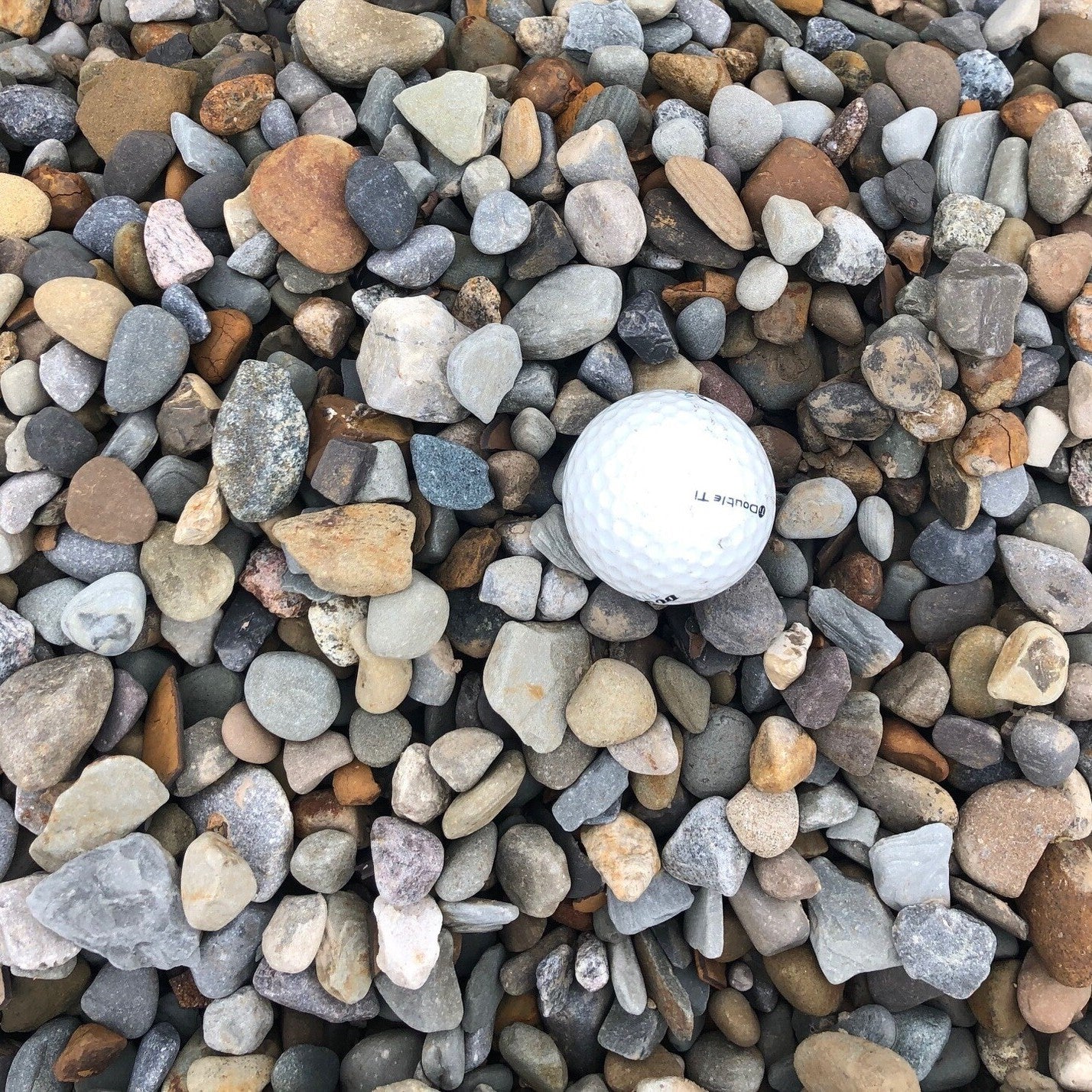
Number 57 crushed stone, angular limestone graded to about three quarters of an inch. The standard driveway, base and drainage gravel, it locks together under traffic and drains fast.
Mulch Mound delivered a yard of pea gravel to us. Delivery was on time, driver was friendly and hit a bullseye on the “tarp target”. We used the pea gravel (which was diameter as specified) to fill several muskrat holes around our pond. I would definitely recommend Mulch Mo...
Tell us what you're looking for
Thanks! We received your request.
Something went wrong. Please try again.
How Much Material Do I Need?
Most Fremont stone applications work best at a 2 to 3 inch finished depth for decorative ground cover and 3 to 4 inches for pathways and high-traffic areas. Dry creek beds typically require a deeper pour of 4 to 6 inches of river rock in the channel center to handle the volume of water that flows during concentrated winter rain events.
Use our free gravel calculator
What is a Yard?
A yard is approximately 27 cubic feet. As a general guideline, one yard of material can cover an area of about 100-160 square feet at a 2-3 inch depth.
We can't take orders for this right now. Tell us what you need and we'll get back to you.
What do you need?
Thanks! We received your request.
Something went wrong. Please try again.
Hand-picked local yards
4,000+ regional deliveries
Dedicated support
Why order through Mulch Mound
The best local , without the guesswork.
We hand-pick and partner with the best yards in your region, keep only the ones our buyers rate well, and back each load with our guarantee.
Mulch Mound Guarantee
If your isn't the quantity or quality you ordered, we'll make it right.
About this stone
Number 57 crushed stone, angular limestone graded to about three quarters of an inch. The standard driveway, base and drainage gravel, it locks together under traffic and drains fast.
Mulch Mound delivered a yard of pea gravel to us. Delivery was on time, driver was friendly and hit a bullseye on the “tarp target”. We used the pea gravel (which was diameter as specified) to fill several muskrat holes around our pond. I would definitely recommend Mulch Mo...
How Much Material Do I Need?
Most Fremont stone applications work best at a 2 to 3 inch finished depth for decorative ground cover and 3 to 4 inches for pathways and high-traffic areas. Dry creek beds typically require a deeper pour of 4 to 6 inches of river rock in the channel center to handle the volume of water that flows during concentrated winter rain events.
Use our free gravel calculator
What is a Yard?
A yard is approximately 27 cubic feet. As a general guideline, one yard of material can cover an area of about 100-160 square feet at a 2-3 inch depth.
Mulch Mound delivered a yard of pea gravel to us. Delivery was on time, driver was friendly and hit a bullseye on the “tarp target”. We used the ...
Read full review
Mulch Mound delivered a yard of pea gravel to us. Delivery was on time, driver was friendly and hit a bullseye on the “tarp target”. We used the pea gravel (which was diameter as specified) to fill several muskrat holes around our pond. I would definitely recommend Mulch Mound to a friend!
Placing an order online was so easy. Delivery was on time. When the driver realized we had a newly poured driveway they erred on the side of cautio...
Read full review
Placing an order online was so easy. Delivery was on time. When the driver realized we had a newly poured driveway they erred on the side of caution and opted not ti drive in it. The company even sent me a message explaining that call. Would recommend!
For stone projects, measure your area in square feet and decide on your finished depth before calculating. Multiply square footage by your depth in feet and divide by 27 to get cubic yards. Stone is heavier than it looks, so if you are spreading it yourself, plan to break the work into sections and move it in a wheelbarrow with a load capacity rated for heavy material.
Complete Your Outdoor Stone Project
Pairing crushed stone or decomposed granite with a soil amendment in adjacent planting beds creates a clean, functional contrast between hardscape and softscape zones in your Fremont yard. Adding a layer of gorilla hair mulch around plantings bordering your stone area ties the whole design together and keeps maintenance low through the dry season.
Fremont's afternoon winds, which push inland from the bay, can scatter lighter gravel and pea stone from garden borders over time. When choosing stone for exposed front yards or side yards, opt for a heavier material like 1.5 inch crushed rock or larger river cobble rather than pea gravel. The extra weight keeps the stone in place during windy days and reduces how often you need to rake it back into beds after a breezy week.
Mulch Mound Pro Tip
Adobe clay in Fremont heaves and shifts as it absorbs winter rain and then shrinks during the dry season. This movement can cause edging and border stones to tilt and migrate out of position over a year or two. When installing stone pathways or patio areas, dig your edging at least 4 to 5 inches deep and set it in a slight outward lean so that as the clay pushes against it from below, the edging stays upright rather than tipping inward over your stone surface.
Mulch Mound Pro Tip
If you are converting a Fremont lawn to a gravel or decomposed granite landscape, remove as much of the existing sod and roots as possible before laying fabric and stone. Grass roots in Fremont's clay can stay viable for a surprisingly long time even under several inches of stone, and they will find their way up through seams in landscape fabric if not fully removed. Renting a sod cutter for a few hours before your stone delivery arrives is one of the best investments you can make to ensure a clean, weed-resistant result.
The Unique Landscape of Fremont
Decorative stone and gravel are increasingly popular in Fremont because they offer a low-water alternative to thirsty lawns during the city's long, dry summers. With the Bay Area facing ongoing water conservation pressure and Fremont receiving only 16 inches of rain annually, stone landscapes reduce irrigation demand while still creating attractive, well-defined outdoor spaces. Adobe clay soil also benefits from gravel pathways and borders because stone helps define drainage patterns and keeps foot traffic off compaction-prone clay areas. Decomposed granite and crushed rock are particularly well-suited to Fremont's climate because they allow the limited rainfall to percolate into the ground rather than running off hardscape. Stone also handles the wide temperature swings between Fremont's cool, foggy mornings and warm inland afternoons without cracking or fading the way some pavers can. Whether you are installing a fire pit patio, a dry creek bed to manage winter runoff, or a drought-tolerant front yard, bulk stone is one of the most practical investments you can make in a Fremont landscape.
Frequently Asked Questions
Click a question to see the answer
Answer
What type of stone works best for a drought-tolerant front yard in Fremont?
Decomposed granite is the most popular choice for Fremont front yard conversions from lawn to low-water landscape. It compacts into a firm, walkable surface, allows rainwater to percolate into the ground, and has a warm, natural color that complements Mediterranean and California native plantings. A stabilized decomposed granite product makes the surface even more durable and resistant to washing during winter storms, which is important given that Fremont gets most of its 16 inches of rain in just a few months.
Answer
Will gravel help or hurt drainage in my Fremont yard with adobe clay underneath?
Gravel on its own does not improve drainage through adobe clay because water still has to pass through the impermeable clay layer below. However, gravel pathways and mulched stone beds do reduce runoff by slowing water down and giving it more time to find natural drainage channels. If drainage is a serious problem in your yard, pairing gravel with perforated drain pipe installed below the clay layer will give you much better results than surface stone alone.
Answer
How thick should I lay decomposed granite for a backyard patio area in Fremont?
For a foot-traffic patio or pathway, plan for a compacted depth of at least 3 inches of decomposed granite. Because Fremont has adobe clay underneath most yards, it is worth compacting the clay base first and then adding a thin layer of crushed base rock before your DG layer to improve stability. Without a firm base, DG can shift and become uneven as the clay beneath it expands and contracts with moisture changes through the seasons.
Answer
Can I use river rock to build a dry creek bed to manage winter runoff in my Fremont yard?
Dry creek beds are an excellent solution for Fremont yards that experience sheet flow or concentrated runoff during the winter rainy season. Because the rain here comes in bursts rather than spread evenly through the year, managing where water goes during those events is important. A dry creek bed built with 2 to 4 inch river rock and a gently sloped channel can move water away from foundations and low spots efficiently while looking attractive and natural the rest of the year.
Answer
How do I keep weeds from growing through my gravel in Fremont?
The best approach is to install a quality woven landscape fabric under your stone before spreading it. Avoid plastic sheeting, which blocks the water infiltration that makes gravel a better choice than concrete in the first place. In Fremont, where weed seeds blow in from open space and vacant lots especially in spring, a fabric barrier combined with at least 2 to 3 inches of stone on top will suppress the vast majority of weed germination. Check your edges each spring and reapply a pre-emergent if weeds start appearing along borders.
Answer
How much stone do I need for a 10 by 20 foot area in my Fremont yard?
For a 10 by 20 foot area at a 3-inch depth, you need about 200 cubic feet of material, which works out to roughly 2.2 cubic yards. Stone is denser than mulch or soil, so that same volume weighs significantly more, usually around 3 to 4 tons for crushed rock or decomposed granite. Order by cubic yard for volume-based projects like pathways, and double-check with our team if your project has specific weight requirements for base applications.
Answer
Is decomposed granite a good surface for a fire pit area in my Fremont backyard?
Decomposed granite is a very practical and popular choice for fire pit areas in Fremont. It is non-combustible, easy to level, and creates a clean boundary between the fire area and surrounding plantings. It also stays cool underfoot compared to concrete or dark pavers, which is a real comfort benefit on warm Fremont evenings. Use a stabilized DG product around the outer seating zone and leave the DG around the fire pit base loose for easier cleanup of ash and debris.
Answer
Is there a stone yard near Fremont?
Ask at any stone yard and the counter would hand you crushed stone by the scoop, but here you can skip that trip, because Mulch Mound delivers the same crushed stone to your Fremont driveway by the cubic yard. It drains well and holds a firm edge, which suits adobe clay soil and a dry, low water yard. No quarry visit needed.