



About this mulch

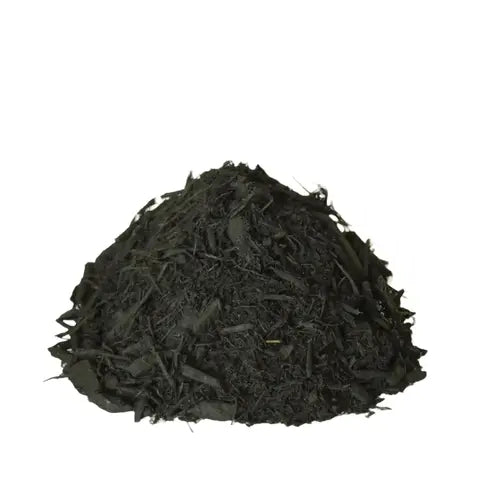
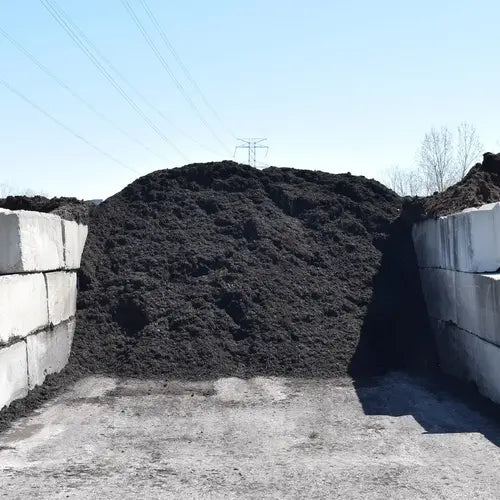
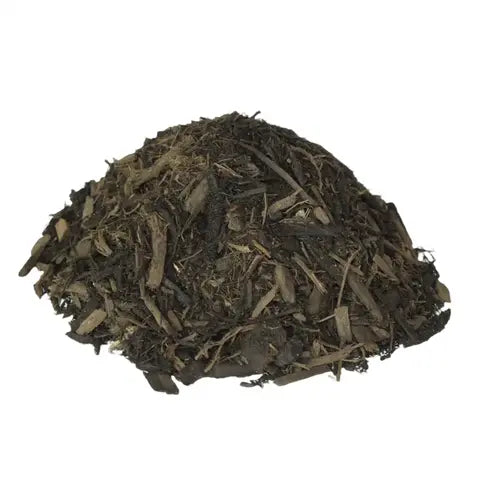
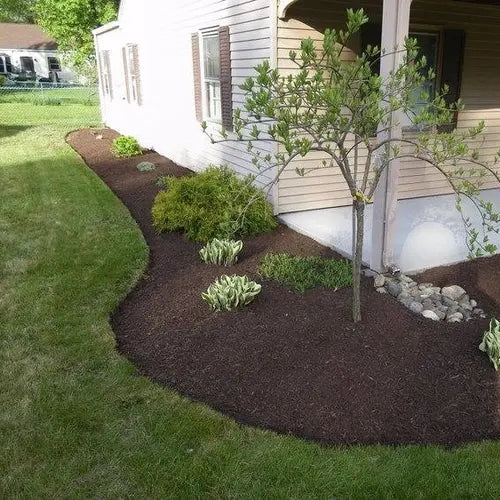
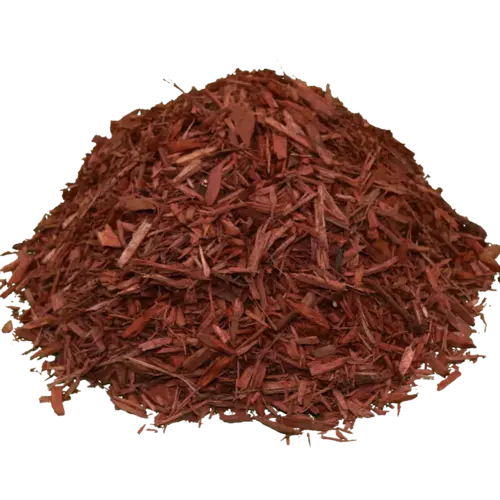
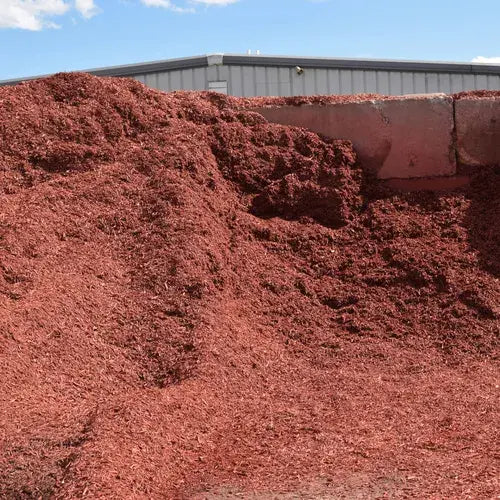
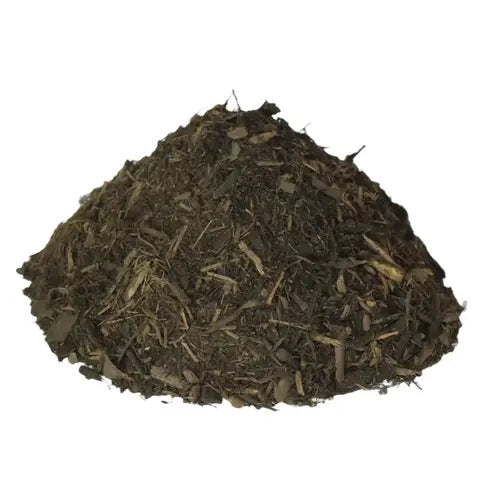
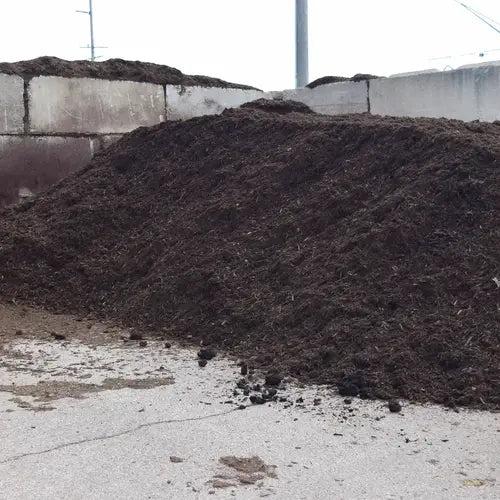
Bold black double shredded mulch that transforms beds instantly. The rich color holds strong through sun and rain, and the smooth texture spreads effortlessly.

I recently ordered from mulch mound and was thoroughly impressed with every aspect of the experience. The entire process, from placing the order to delivery was seamless and efficient. The mulch arrived exactly on time, and the quality exceeded my expectations. The color was r...

Fremont Mulch Delivery

Fremont Mulch Delivery

4.7
137 reviews
Regular price $72.00 per yard
Regular price Sale price $72.00
Sale Sold out
Color
Style
Minimum of 3
1 tree planted for every order

About this mulch

Bold black double shredded mulch that transforms beds instantly. The rich color holds strong through sun and rain, and the smooth texture spreads effortlessly.

I recently ordered from mulch mound and was thoroughly impressed with every aspect of the experience. The entire process, from placing the order to delivery was seamless and efficient. The mulch arrived exactly on time, and the quality exceeded my expectations. The color was r...

For most Fremont ornamental beds in clay loam soil, two to three inches of mulch provides the right balance of moisture retention and weed suppression without overwhelming shallow root zones. Tree rings and larger shrub beds can support a full three inches since the overhead canopy reduces direct rain impact on the mulch surface.
Use our free mulch calculator

A yard is approximately 27 cubic feet. As a general guideline, one yard of material can cover an area of about 100-160 square feet at a 2-3 inch depth.

View full details

How It Works

Getting started is easy — just follow these simple steps

1

Choose your Mulch

Make sure you adjust the quantity to your home's needs. You can use our calculator to estimate how much you'll need.

2

Select your delivery date

Select a delivery date you'd like for the product to be dropped off at your home

3

Sit back and wait

Sit back, wait, and let us work our magic to make sure the highest quality product is delivered to your driveway.

What Fremont Customers Are Saying

4.7
out of 5 based on 137 reviews
Google Reviews

Calculate mulch for your Fremont project

For Fremont's Clay Loam type of soil, we recommend 2-3 inches for best weed suppression and moisture retention

Try Our Calculator
📍

Measure the length and width of each bed in feet, multiply together to get square footage, then divide by 100 to estimate cubic yards at a three-inch application depth. Because Fremont's clay loam beds often develop uneven surfaces from frost heaving over winter, add about ten percent to your estimate to account for low spots and settled areas. Ordering in bulk from MulchMound lets you round up to the nearest half-yard without the steep per-unit cost of bagged product.

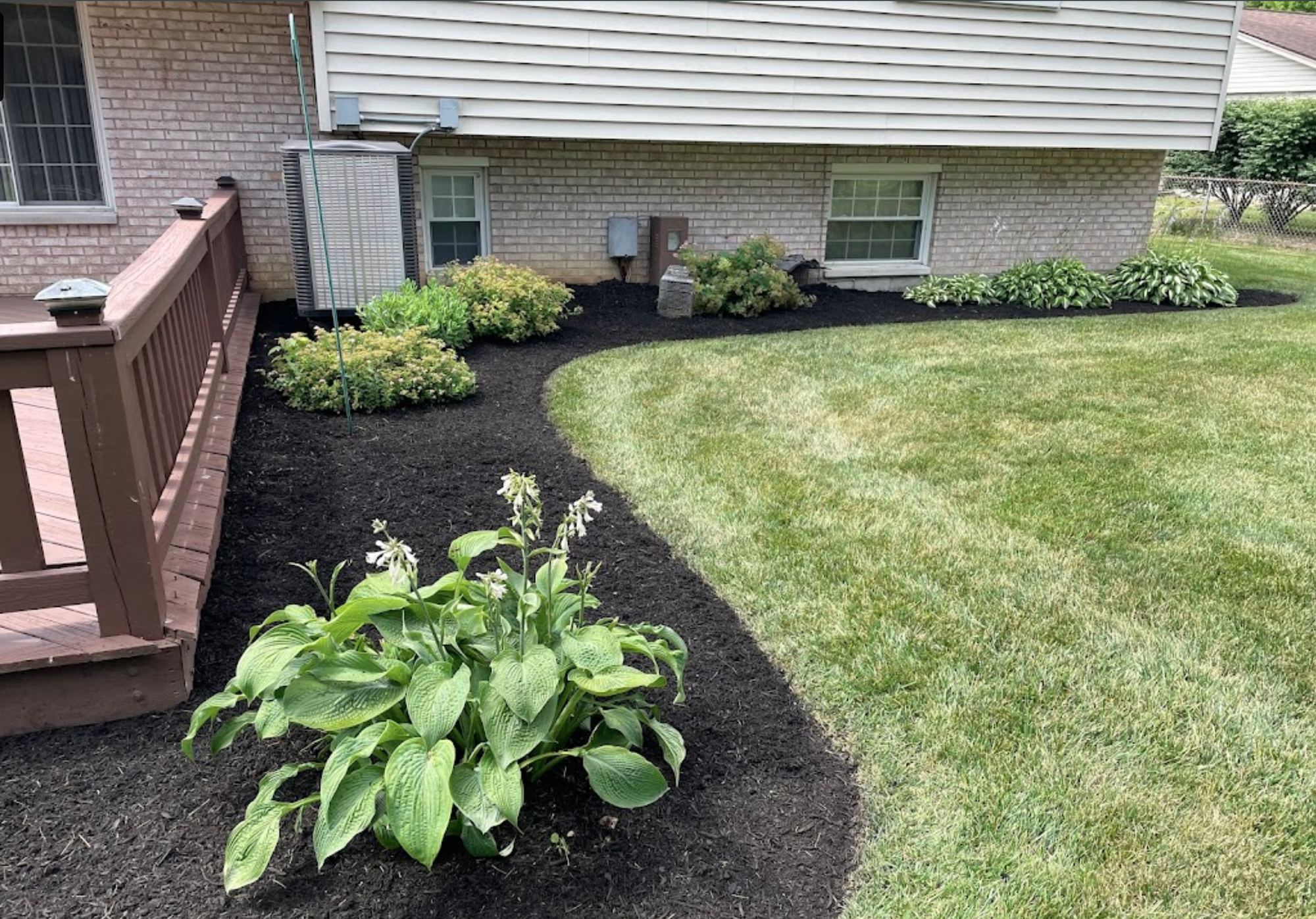
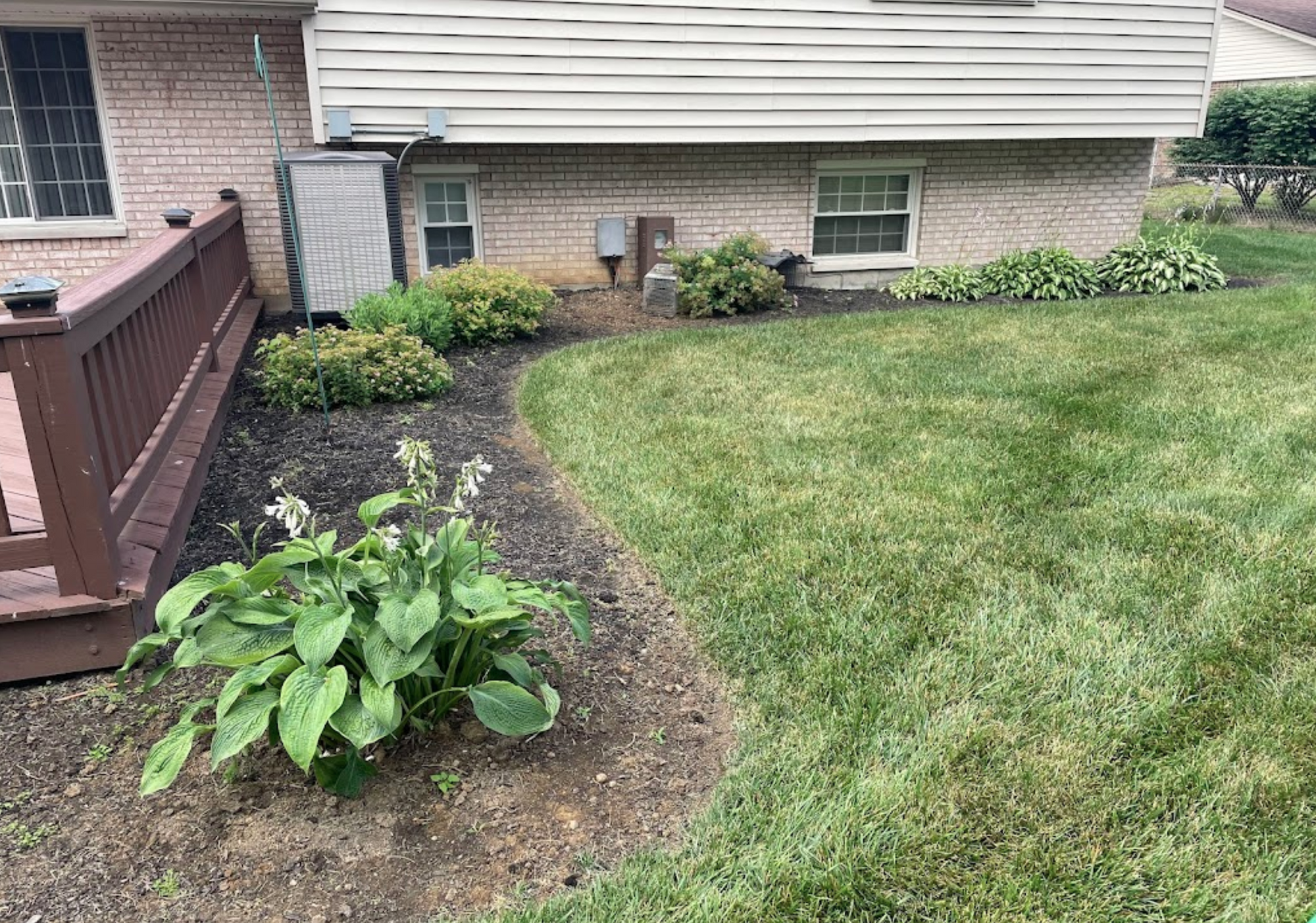
Mulch vs. No Mulch: The Difference

Fremont's wet springs, warm summers, and repeated freeze-thaw cycles mean that natural hardwood mulch breaks down noticeably faster here than in drier climates, typically requiring a full refresh each spring to maintain adequate coverage and soil benefit. Dyed mulch uses a more processed wood base that resists decomposition longer, allowing the color to stay vibrant through more of the growing season, but it contributes less organic matter to your clay loam beds as it ages. Choosing between the two comes down to whether your priority is gradually improving the soil structure of your clay loam or maintaining consistent curb appeal from May through October.

Before image
After image
Slider handle
Before
After

Complete Your Outdoor Mulch Project

If your beds need a nutrient boost before mulching, a layer of our premium garden soil worked into the clay loam base gives new plantings a healthy start before the mulch goes down. Decorative stone borders from our stone selection also pair well with mulched beds to define clean edges that hold their shape through Fremont's wet spring months.

Map of Fremont, Ohio

Areas we deliver mulch in Fremont, Ohio

No cities found for this region.

See All Locations
Mulch Mound Pro Tip

Fremont's last frost does not reliably pass until around May 6, and spreading mulch too early in April can actually trap cool air against the soil and delay warming for perennials and spring bulbs. Wait until a soil thermometer reads at least 50 degrees Fahrenheit before laying fresh mulch. That small investment in timing means your plants emerge into a warm, stable root environment rather than a cold, sealed one, which makes a real difference for zone 6a plantings.

Mulch Mound Pro Tip

Clay loam in Fremont tends to form a hard surface crust during dry spells between rain events, making it harder for mulch to stay anchored and easier for it to shift during the next downpour. Before spreading a fresh load, run a garden fork lightly through the top inch of your existing bed to roughen the surface. That texture gives the mulch something to grip, reduces migration during heavy rain, and also improves water infiltration at the point where mulch meets soil.

Mulch Mound Pro Tip

Fremont receives about 36 inches of rain each year, and spring thunderstorms can generate enough runoff to scatter a freshly laid mulch bed before it has a chance to settle. Installing a physical border, whether steel edging, natural stone, or a raised timber frame, acts as a low dam that keeps mulch contained through intense downpours. This simple addition saves you from topping off beds after every major storm and keeps your yard looking polished from the first warm days through the end of the season.

Frequently Asked Questions

Click a question to see the answer

Answer

How thick should I apply mulch given Fremont's clay loam soil?

Two to three inches is the right range for most Fremont ornamental beds. Clay loam already retains moisture well on its own, so applying more than three inches can keep the root zone too wet after heavy spring rains and invite fungal issues or root rot in shrubs and perennials.

Answer

When is the best time to put down fresh mulch in Fremont?

The ideal window in Fremont opens right around the last frost date, which falls near May 6. By that point the soil has had a chance to warm up, and a fresh mulch layer locks in that warmth while protecting beds from the drying winds that sweep through Sandusky County in late spring.

Answer

Will mulch help with the standing water I get in my beds after a heavy rain?

Mulch slows the rate at which rain impacts the soil surface, which reduces the surface crusting and runoff that are common with Fremont's clay loam. For persistent standing water, pairing mulch with a soil amendment or a graded drainage solution will address the underlying issue more effectively than mulch alone.

Answer

Does natural hardwood mulch actually improve Fremont's clay loam soil over time?

It does. As hardwood mulch decomposes through Fremont's warm, humid summers and wet springs, it releases organic matter and humic acids that gradually separate clay particles and improve soil aeration. After two or three seasons of consistent mulching you will notice the soil is easier to dig and drains more freely than the native clay loam.

Answer

How often do I need to refresh mulch in Fremont's climate?

Fremont's 36 inches of annual rainfall combined with active freeze-thaw cycles breaks down organic mulch faster than in drier regions. Plan to refresh beds once a year, typically in late April or early May before the planting season is fully underway and soil temperatures have risen enough to support new growth.

Answer

Will dyed mulch fade faster because of Fremont's wet weather?

Dyed mulch does fade with sun and moisture exposure, and Fremont's wet springs can accelerate that process on shaded or north-facing beds that stay damp for extended periods. Choosing a double-ground or triple-ground dyed product helps the color bond more thoroughly to the wood fibers and holds up better through the spring rain season.

Answer

Should I keep mulch away from my tree trunks and home's foundation?

Yes, always. In Fremont's humid summer conditions, mulch piled against tree bark or wood siding stays moist long enough to encourage fungal growth and pest activity. Maintain a clear gap of two to three inches around any structure, and never build a raised volcano ring around tree trunks, which traps moisture against the bark year-round.

The Unique Landscape of Fremont

Fremont's clay loam soil compacts steadily under foot traffic and repeated rainfall, and that compaction smothers the shallow root systems of ornamental shrubs and perennials over time. A consistent layer of mulch buffers the soil surface from the impact of direct rain, slowing the crusting and sealing that makes clay loam so difficult to work with by midsummer. With roughly 36 inches of annual rainfall spread across wet springs and active summer storm seasons, bare beds in Fremont are highly vulnerable to both moisture loss between storms and runoff erosion during them. Mulch moderates both extremes, holding moisture in during dry spells and slowing water movement across the surface during heavy downpours. The freeze-thaw cycles that repeat throughout Fremont winters between November and April also heave and disturb plant roots, and a mulch layer insulates the soil enough to reduce that cycle's severity. Keeping beds consistently covered also dramatically reduces the weed pressure that thrives in Fremont's damp, clay-rich soil from late April through September.