About this stone

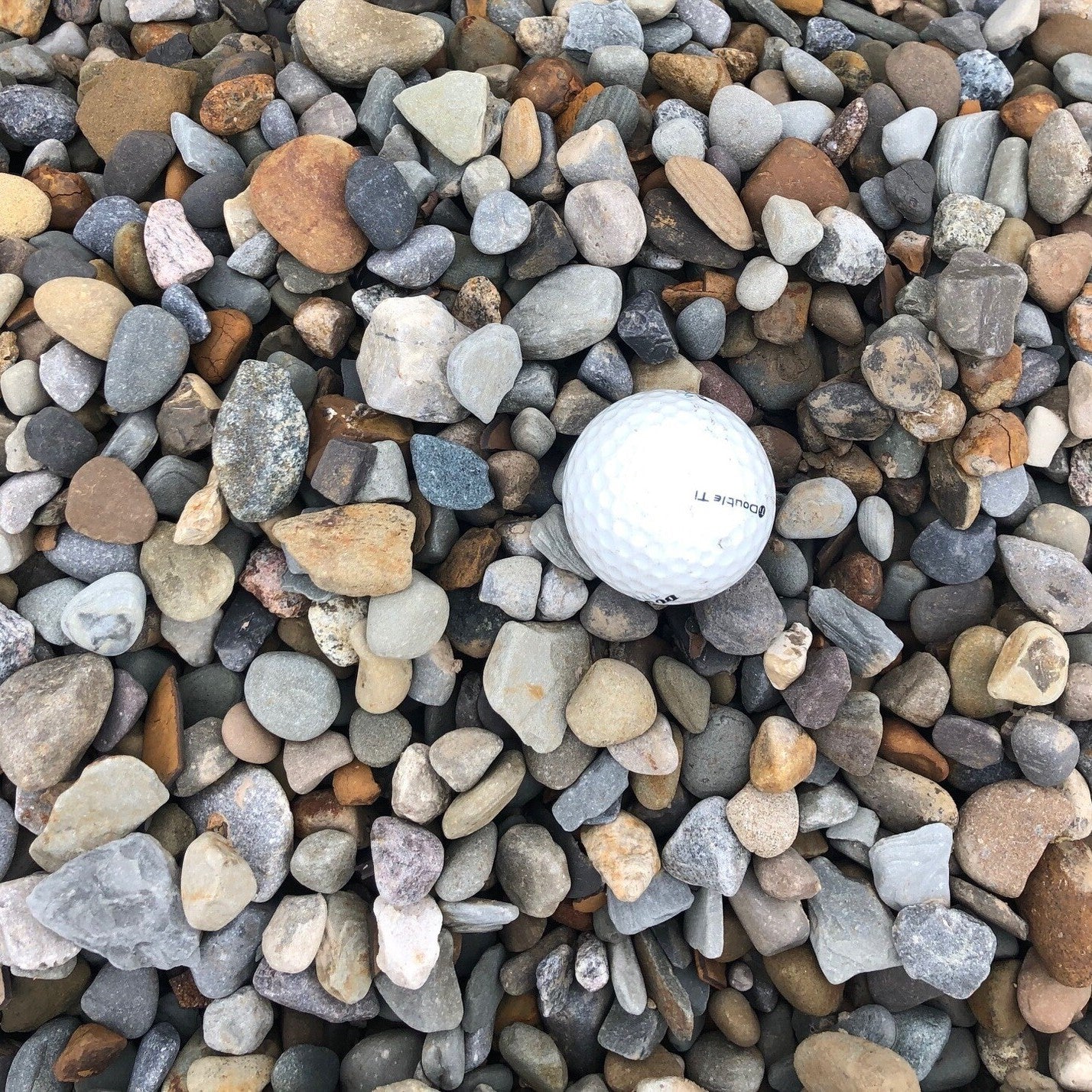
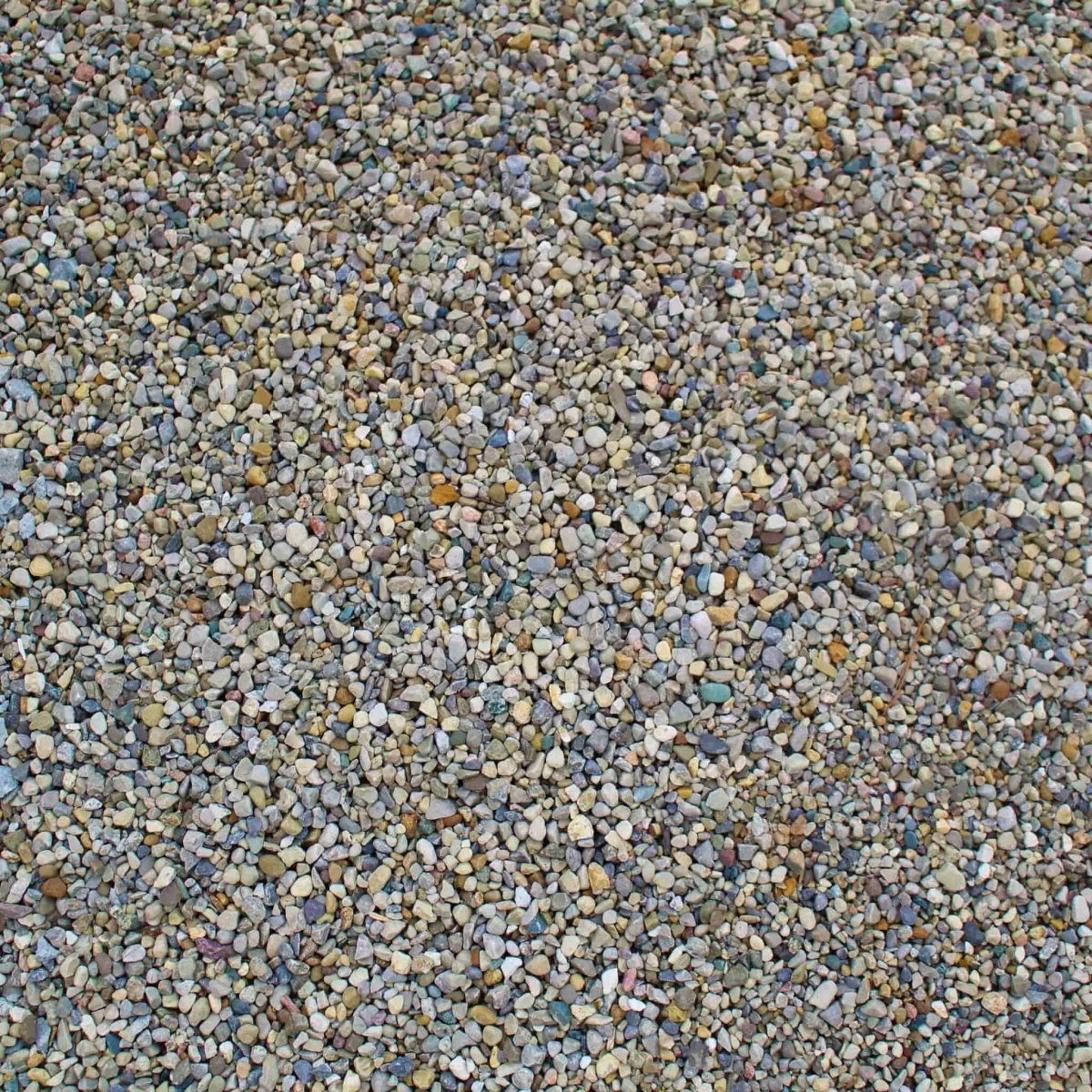
Classic pea gravel with smooth, rounded edges and natural earth tones. A versatile favorite for pathways, patios, drainage, and decorative ground cover.

I contacted Mulch Mound for #57 river rocks and it was easy and fast to get a delivery right before the holiday weekend. Stone was delivered as promised and place exactly where I asked. Excellent service! I will be ordering mulch next!

Fremont Stone Delivery

Fremont Stone Delivery

4.7
137 reviews
Regular price $109.00 per yard
Regular price Sale price $109.00
Sale Sold out
Type
Size
Minimum of 3
1 tree planted for every order

About this stone

Classic pea gravel with smooth, rounded edges and natural earth tones. A versatile favorite for pathways, patios, drainage, and decorative ground cover.

I contacted Mulch Mound for #57 river rocks and it was easy and fast to get a delivery right before the holiday weekend. Stone was delivered as promised and place exactly where I asked. Excellent service! I will be ordering mulch next!

For decorative ground cover in Fremont yards, two to three inches of stone over landscape fabric provides good visual coverage and weed suppression. For functional drainage applications like French drains and dry creek beds, a depth of six to twelve inches of washed stone is typically needed to move water effectively through the dense clay loam soil.
Use our free stone calculator

A yard is approximately 27 cubic feet. As a general guideline, one yard of material can cover an area of about 100-160 square feet at a 2-3 inch depth.

A yard is approximately 27 cubic feet. As a general guideline, one yard of material can cover an area of about 10 feet by 10 feet at a few inches deep.

View full details

How It Works

Getting started is easy — just follow these simple steps

1

Choose your stone

Make sure you adjust the quantity to your home's needs. You can use our calculator to estimate how much you'll need.

2

Select your delivery date

Select a delivery date you'd like for the product to be dropped off at your home

3

Sit back and wait

Sit back, wait, and let us work our magic to make sure the highest quality product is delivered to your driveway.

From The Mouths of Fremont Folks

4.7
out of 5 based on 137 reviews
Google Reviews

Need Help Calculating How Much Stone & Gravel You Need?

Use our NEW Trace from Satellite tool to get an estimate for your project based on an aerial view of your property

Try Our Calculator
📍

Measure the length and width of the stone area in feet and determine your desired depth in inches. Multiply the square footage by the depth in inches and divide by 324 to get the cubic yards needed. For pathway projects in Fremont's clay loam, calculate the base layer and surface layer separately since each may use a different stone type and requires its own depth to perform correctly.

Complete Your Outdoor Stone Project

Stone pathways and garden borders pair naturally with mulched planting beds, as the two materials work together both visually and functionally through Fremont's wet spring and drier summer cycle. Adding quality garden soil behind stone borders before planting ensures that the clay loam perimeter is enriched and drains well for whatever you grow alongside your new stone features.

Map of Fremont, Ohio

Areas We Deliver Stone & Gravel in Fremont, Ohio

No cities found for this region.

See All Locations
Mulch Mound Pro Tip

Fremont's freeze-thaw cycles from November through March are tough on any ground-level installation, and stone is no exception when base preparation is skipped. Before laying any stone path or patio, excavate at least four inches of clay loam and replace it with a compacted gravel sub-base. This step prevents the heaving and lateral shifting that creates uneven surfaces and trip hazards by early spring. Investing the time upfront significantly extends the life and appearance of your stone installation through zone 6a winters.

Mulch Mound Pro Tip

A dry creek bed made with rounded river rock is one of the most practical landscape additions a Fremont homeowner can make. By routing the creek bed from a downspout outlet or a chronic low spot toward a gravel basin or yard perimeter, you give Fremont's annual rainfall a controlled path to follow rather than letting it erode its own channel through your lawn. This eliminates the muddy gullies and bare soil channels that develop in clay loam yards after repeated heavy storms throughout spring and summer.

Mulch Mound Pro Tip

When placing stone along garden bed edges in Fremont, install a physical edging barrier between the stone and soil before laying your material. Clay loam is dense but it migrates gradually into adjacent stone borders over multiple seasons of rain and freeze-thaw movement, creating a mixed muddy layer that reduces drainage and looks untidy over time. Steel edging set an inch or two into the soil creates a clean, lasting division that keeps your stone and soil zones separate year after year with almost no maintenance required.

The Unique Landscape of Fremont

Fremont's clay loam soil and consistent annual rainfall create a landscape environment where muddy pathways, surface erosion, and chronic drainage problems are recurring frustrations for homeowners. Decorative and functional stone provides a permanent, low-maintenance solution that holds up through the freeze-thaw cycles of Fremont winters without breaking down or requiring annual replacement the way organic materials do. A well-designed stone pathway or gravel drainage swale can redirect the water from Fremont's 36 inches of annual rainfall away from foundations and low spots that otherwise stay muddy through late spring. Stone borders around garden beds also protect the clay loam perimeter from eroding during heavy storms, keeping landscape features defined and tidy season after season. With Fremont's first frost arriving around October 15 and color fading from the garden quickly after that, stone features extend the visual structure of your yard well into autumn and through the dormant winter months.

Frequently Asked Questions

Click a question to see the answer

Answer

What type of stone works best for a backyard pathway in Fremont's clay loam soil?

A compacted crushed limestone or crusher run base is the most stable choice for pathways built over Fremont's clay loam. It locks together under foot traffic and stays firm even after the spring thaw. A decorative top layer of pea gravel or small natural stone completes the look. Avoid large loose stones directly on clay paths since they tend to sink and shift during the wet cycles that repeat from November through April.

Answer

Can adding stone near my foundation actually reduce the water problems in my basement?

A gravel drainage bed or French drain filled with washed stone is one of the most effective ways to manage water that accumulates against Fremont foundations after heavy rain. The stone creates a permeable channel that moves surface and subsurface water away from the structure before it saturates the surrounding clay loam and migrates toward basement walls.

Answer

Will decorative stone wash away or shift during Fremont's heavy spring rains?

Larger stones two inches or bigger hold their position well through most Fremont rain events. Fine materials like pea gravel can migrate in areas where water concentrates, so pairing them with steel or aluminum edging keeps them contained. Installing permeable landscape fabric underneath also prevents stone from slowly sinking into the soft clay loam below over multiple seasons.

Answer

How deep should I go when laying stone for a driveway apron or parking pad in Fremont?

For a driveway or parking surface over Fremont's clay loam, plan on at least four inches of compacted gravel base followed by two to three inches of surface stone. Because clay loam shifts during freeze-thaw cycles, a base depth of five to six inches is a worthwhile investment for any heavily trafficked surface that needs to remain level through multiple Fremont winters.

Answer

Is stone a good solution for the areas under large trees where nothing else will grow in my yard?

Stone is an excellent choice for shaded tree rings and root zones in Fremont yards where grass and ground cover struggle to compete with shallow surface roots. It suppresses weeds, does not decompose or require annual replacement, and allows Fremont's rainfall to reach the roots below. River rock or natural fieldstone works especially well around the base of the large mature trees common in older Fremont neighborhoods.

Answer

How much stone do I need to edge and border my garden beds?

For a decorative stone border two to three inches deep and about 12 inches wide, estimate roughly a half cubic yard per 25 linear feet of bed edge. Ordering bulk stone from MulchMound is far more economical than buying bags once you have more than two or three beds to cover, and leftover material can always fill gaps or accent other areas of your Fremont property.

Answer

Will stone get too hot in summer and damage the plants growing next to it?

Light-colored stones like limestone or pea gravel reflect heat and can raise soil temperatures slightly on fully exposed south-facing areas, which is worth considering during Fremont's warmer July and August weeks. Positioning highly reflective stone away from moisture-sensitive plants or choosing darker natural stone for planting bed borders limits the effect. In most well-watered Fremont gardens the drainage and maintenance benefits of stone far outweigh this minor heat concern.