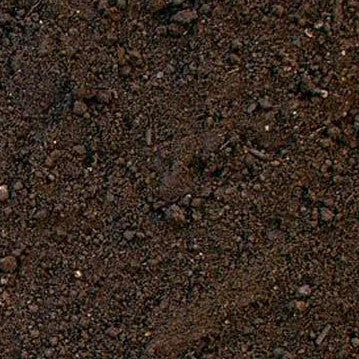
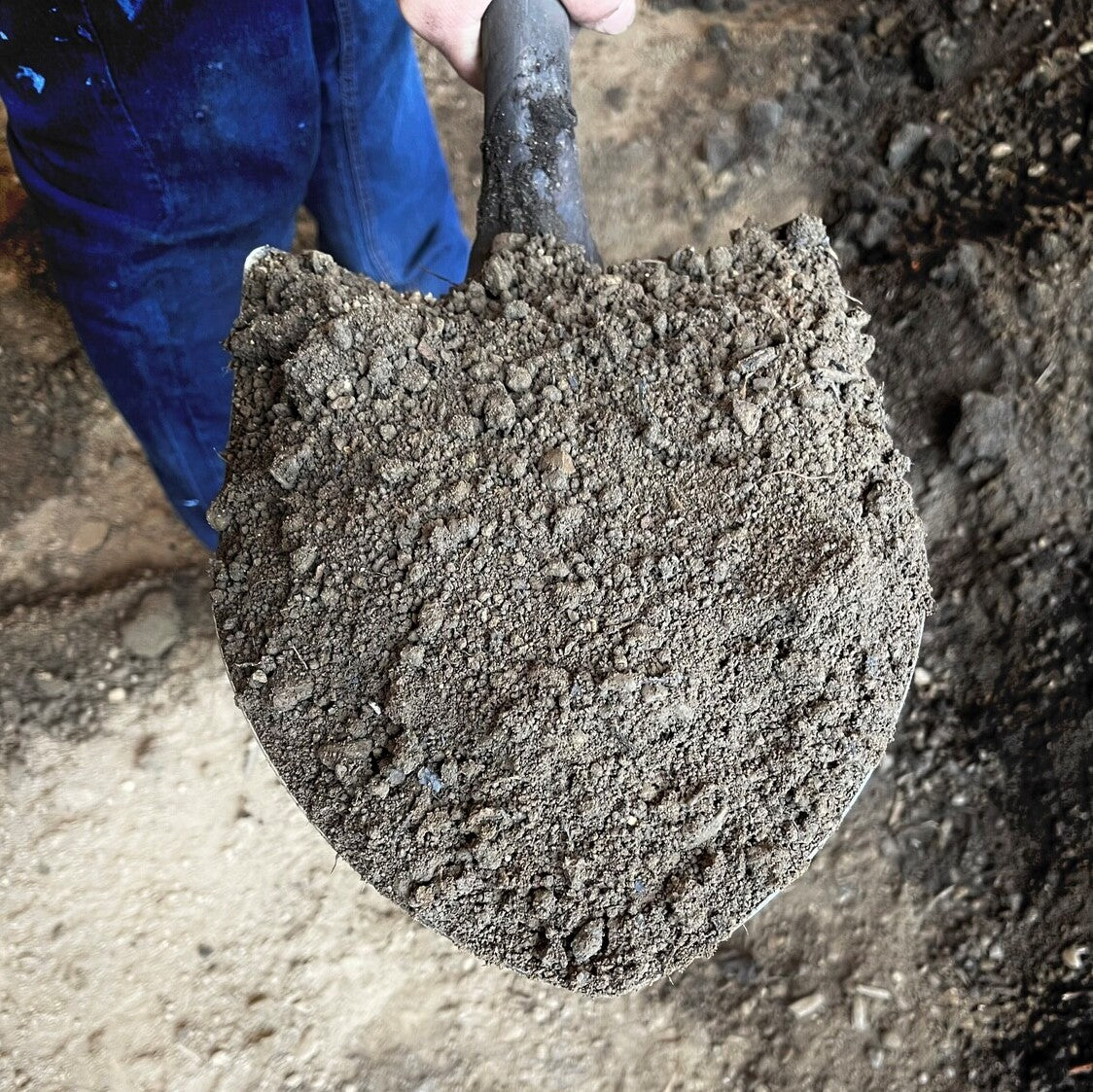
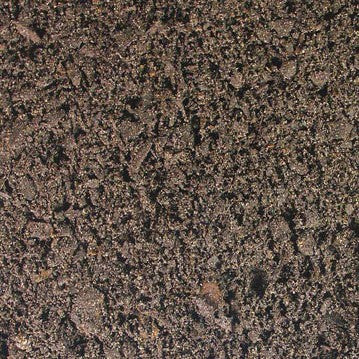
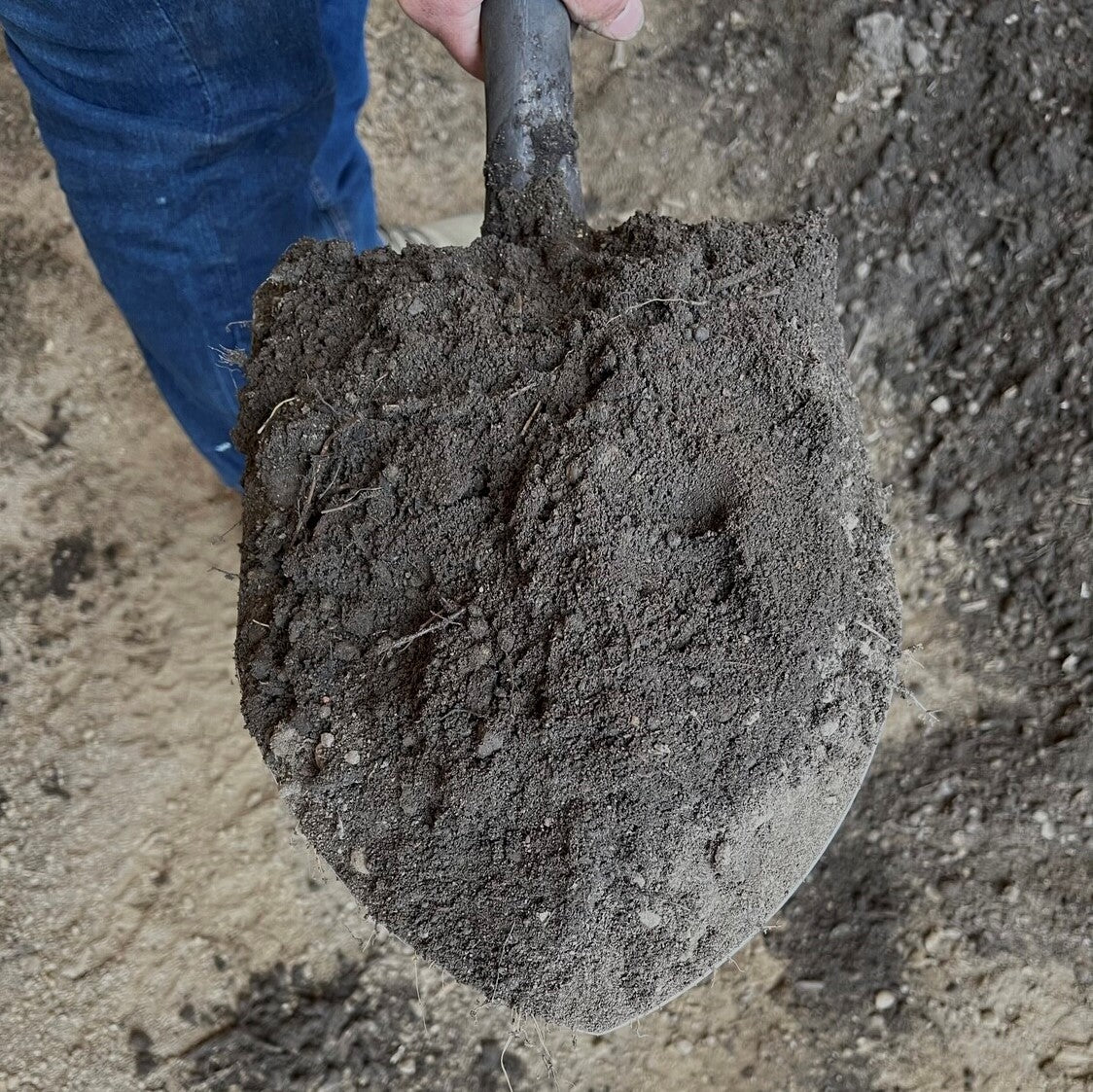
Quality topsoil for lawns, gardens, and landscape projects. Nutrient rich and ready to support strong root development and healthy plant establishment.
Ordered the planting mix with an early Saturday delivery. Super easy ordering experience. Dirt was delivered on time and delivery driver was kind enough to let us know I would take up more room than we though so we could pull cars out of the garage. Will be ordering again
Tell us what you're looking for
Thanks! We received your request.
Something went wrong. Please try again.
How Much Material Do I Need?
For lawn leveling in Fremont's clay loam yards, one to two inches of topsoil is typically enough to address minor depressions and scalped areas. For new raised beds or full garden renovations, plan on at least six to eight inches of quality soil to give roots the loose, nutrient-rich depth they need to establish before zone 6a's first frost arrives around October 15.
Use our free soil calculator
What is a yard?
A yard is approximately 27 cubic feet. As a general guideline, one yard of material can cover an area of about 100-160 square feet at a 2-3 inch depth.
What is a yards?
A yard is approximately 27 cubic feet. As a general guideline, one yard of material can cover an area of about 10 feet by 10 feet at a few inches deep.
We can't take orders for this right now. Tell us what you need and we'll get back to you.
What do you need?
Thanks! We received your request.
Something went wrong. Please try again.
Hand-picked local yards
4,000+ regional deliveries
Dedicated support
Why order through Mulch Mound
The best local soil, without the guesswork.
We hand-pick and partner with the best yards in your region, keep only the ones our buyers rate well, and back each load with our guarantee.
Mulch Mound Guarantee
If your soil isn't the quantity or quality you ordered, we'll make it right.
About this soil
Quality topsoil for lawns, gardens, and landscape projects. Nutrient rich and ready to support strong root development and healthy plant establishment.
Ordered the planting mix with an early Saturday delivery. Super easy ordering experience. Dirt was delivered on time and delivery driver was kind enough to let us know I would take up more room than we though so we could pull cars out of the garage. Will be ordering again
How Much Material Do I Need?
For lawn leveling in Fremont's clay loam yards, one to two inches of topsoil is typically enough to address minor depressions and scalped areas. For new raised beds or full garden renovations, plan on at least six to eight inches of quality soil to give roots the loose, nutrient-rich depth they need to establish before zone 6a's first frost arrives around October 15.
Use our free soil calculator
What is a yard?
A yard is approximately 27 cubic feet. As a general guideline, one yard of material can cover an area of about 100-160 square feet at a 2-3 inch depth.
What is a yards?
A yard is approximately 27 cubic feet. As a general guideline, one yard of material can cover an area of about 10 feet by 10 feet at a few inches deep.
Ordered the planting mix with an early Saturday delivery. Super easy ordering experience. Dirt was delivered on time and delivery driver was kind e...
Read full review
Ordered the planting mix with an early Saturday delivery. Super easy ordering experience. Dirt was delivered on time and delivery driver was kind enough to let us know I would take up more room than we though so we could pull cars out of the garage. Will be ordering again
Measure the length and width of the area in feet and decide on your target depth, then convert that depth to feet by dividing inches by 12. Multiply all three dimensions together and divide by 27 to get cubic yards. In Fremont's clay loam conditions, add five to ten percent to your total to account for natural settling that occurs as new soil compresses under the first few rain events after installation.
Soil Types We Deliver in Fremont
Mulch Mound delivers bulk soil by the cubic yard throughout northwest Ohio, helping homeowners and landscapers build better lawns and gardens. The region's dense clay soils are often tough on new plantings, and the right delivered material makes a meaningful difference. From bulk topsoil delivery in Fremont to fill dirt for grading, we bring it right to your property.
Screened Top Soil
Our screened topsoil is a fine, nutrient-rich material suited for lawn repairs, new garden beds, and general landscape grading. The smooth texture blends easily into existing ground and encourages strong root development, making it the most popular soil choice for northwest Ohio homeowners.
Gardening Blend
This premium mix combines topsoil and compost into a ready-to-plant blend that takes the guesswork out of building raised beds or new garden areas. It is ideal for Fremont gardeners who want a quality foundation without the extra step of blending amendments themselves.
Fill Dirt
Standard fill dirt is unscreened topsoil built for grading, filling low spots, and rough leveling around foundations and drives. It is the cost-effective choice when fine texture is not required, making it popular for large-volume projects on northwest Ohio properties.
Leaf Compost
Our standard leaf compost is aged and ready to blend into garden beds or lawn areas that need more organic matter. Northwest Ohio's naturally dense soils benefit from this amendment, which loosens compacted ground and improves moisture retention through the growing season.
Complete Your Outdoor Soil Project
Pairing bulk soil with a layer of mulch after planting protects your new beds from Fremont's heavy spring rains and moderates soil temperature through the summer growing season. Decorative stone borders around soil-filled beds also help hold grade and prevent the clay loam perimeter from eroding into your fresh planting area after heavy rains.
My yard stays soggy after rain. Will adding topsoil actually fix the drainage problem?
Adding and regrading soil can solve the problem if low spots or a grade that slopes toward your home are causing water to pool. Filling those depressions with quality topsoil and reshaping the grade gives water a path to drain away from structures. If the underlying clay loam is simply slow to absorb water, combining new soil with organic amendment or a French drain will give you more lasting results.
Answer
When is the best time of year to bring in topsoil for lawn repairs in Fremont?
Late April through early May is the ideal window for most Fremont lawn repairs. The ground has thawed and dried enough to work without smearing, and overseeding at that time gives grass the warmth it needs to germinate before summer heat sets in. Timing repairs close to the May 6 last frost date means new grass has the full growing season ahead of it before the October 15 first frost arrives.
Answer
How do I decide between screened topsoil and a blended garden mix for my vegetable beds?
For vegetable beds in Fremont, a blended garden mix that includes compost is almost always the better choice. Screened topsoil raises grade and provides structure, but it lacks the nutrient density and loose texture that tomatoes, peppers, and root vegetables need to produce well in zone 6a's 160-day growing window between last and first frost.
Answer
How much bulk soil do I need to raise a garden bed by six inches?
Multiply the length by the width of your bed in feet to get square footage, then multiply that by 0.5 for a six-inch depth, and divide by 27 to convert cubic feet to cubic yards. A bed that is 10 feet by 12 feet needs roughly 2.2 cubic yards. Ordering in bulk from MulchMound is far more economical than purchasing bags for any bed larger than a few square feet.
Answer
Can I mix bulk topsoil directly into my existing clay loam garden beds?
Yes, and it is a very effective practice for Fremont gardens. Tilling three to four inches of fresh topsoil or garden mix into your existing clay loam breaks up compaction, introduces organic matter, and improves the drainage structure of the native soil. Over a couple of growing seasons your beds will become noticeably easier to work and will support healthier root systems than the original clay loam.
Answer
Will topsoil wash away on the sloped sections of my Fremont yard?
On slopes exposed to Fremont's 36 inches of annual rainfall, bare topsoil is vulnerable to erosion until vegetation takes hold. Seeding or sodding immediately after grading, or covering the area with erosion control fabric, keeps the soil in place through the first several rain events. Once grass roots grow through the soil the erosion risk drops dramatically and the grade holds.
Answer
Is bulk topsoil safe to use in a raised bed vegetable garden where I grow food?
Screened bulk topsoil is generally safe for vegetable gardens, but for edible crops most Fremont gardeners prefer a dedicated garden blend or a topsoil and compost mix to ensure strong nutrient levels and the light texture that root vegetables and heavy feeders need. Always confirm that your source provides tested, screened material that is free of construction fill or contaminants.
Mulch Mound Pro Tip
Fremont's clay loam has a narrow window when it is ideal to work, it needs to be moist but not saturated. Squeeze a handful of native soil and if it holds a shape but crumbles when you poke it, conditions are right for tilling and amending. If it smears like putty, the ground is still too wet and working it will destroy the soil structure you are trying to improve. Patience at this stage pays off in better drainage and root growth throughout the entire season.
Mulch Mound Pro Tip
When filling low spots in a Fremont lawn, feather the new soil out gradually rather than creating an abrupt edge between new material and the surrounding grade. A gradual taper gives grass seed a smooth, continuous surface to germinate across and prevents the visible ridges that appear after mowing. Use a landscaping rake to blend the fresh soil into the surrounding lawn until the transition is seamless and holds up through spring rain.
Mulch Mound Pro Tip
Zone 6a in Fremont gives you roughly 162 frost-free days between the May 6 last frost and the October 15 first frost. Filling raised vegetable beds with quality soil one to two weeks before planting gives the material time to settle and compress so your finished depth is accurate when it matters most. Beds that are filled and planted on the same day often end up shallower than planned once the soil compacts under the first few waterings, which limits root depth for heavy-producing vegetables.
The Unique Landscape of Fremont
Fremont's native clay loam is workable but creates persistent challenges for homeowners trying to establish lawns, build productive vegetable gardens, or correct low spots that collect water near their foundations. Clay loam drains slowly, and after Fremont's wet springs the ground can stay saturated long enough to rot bulbs, stall seed germination, and create muddy problem zones that attract standing water through June. Bringing in quality bulk soil allows you to build up grade, create proper drainage slopes, and give new plantings a root-friendly environment that native clay loam alone cannot consistently provide. Blended topsoil and garden mixes also hold fertilizer and amendments more efficiently than dense clay, reducing the amount of product you need to apply to get the same results. Whether you are building a raised vegetable bed after the May 6 last frost or filling in lawn depressions that collect water after every summer storm, a bulk soil delivery gives Fremont homeowners the foundation material to reshape their landscape around their actual needs.