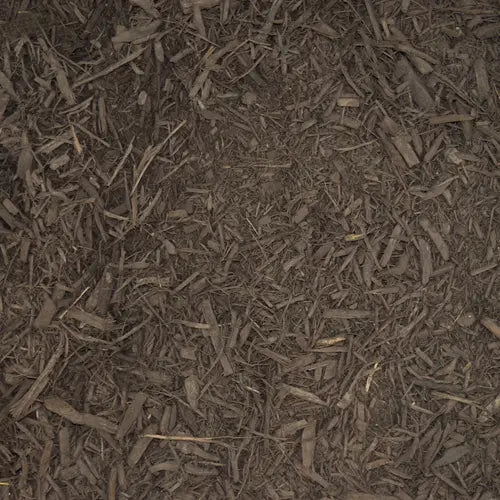
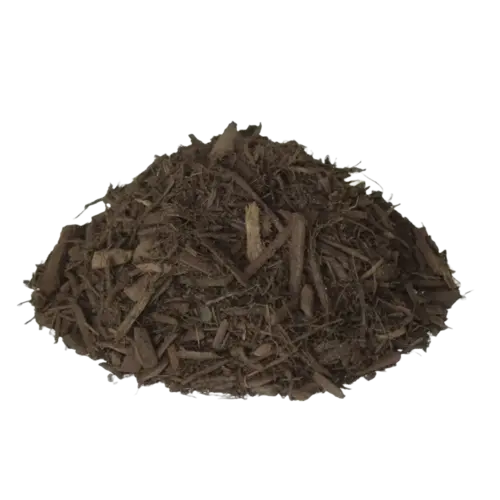
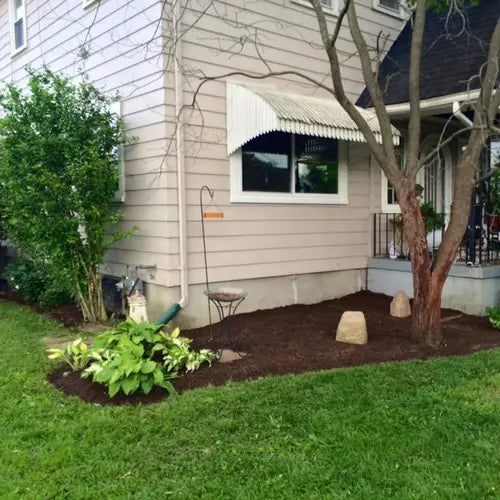
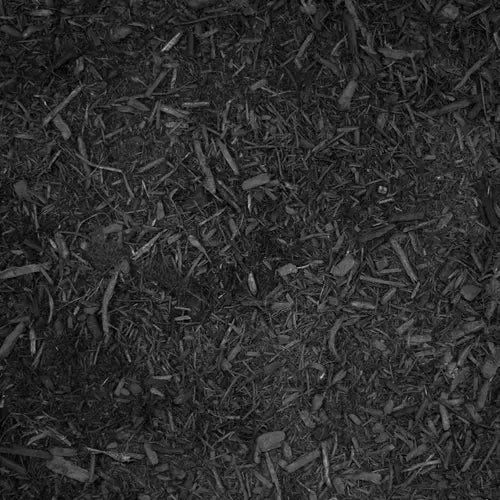
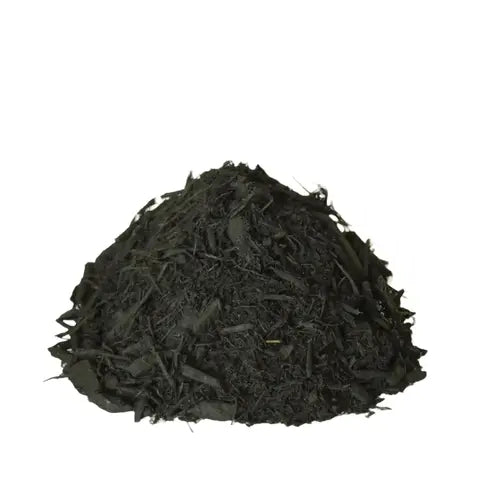
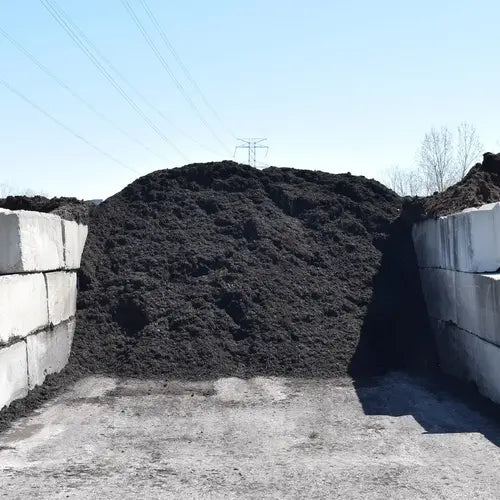
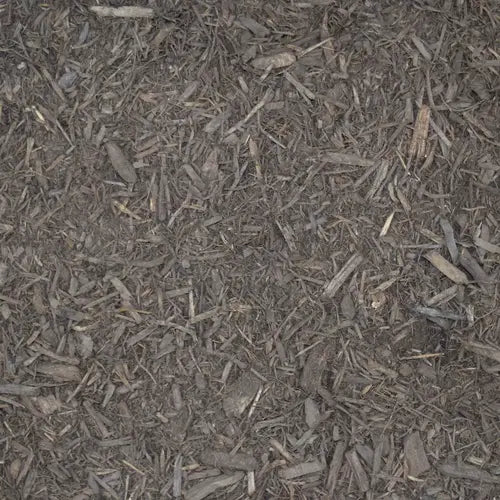
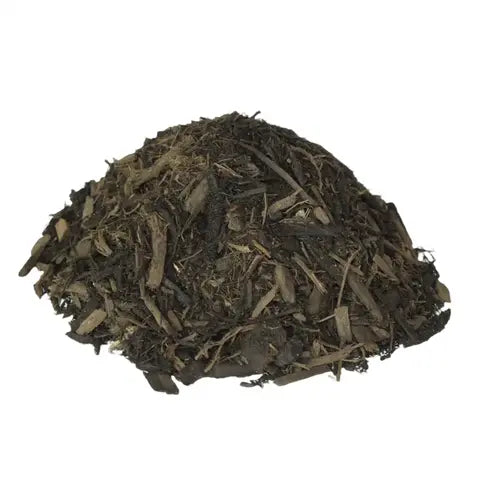
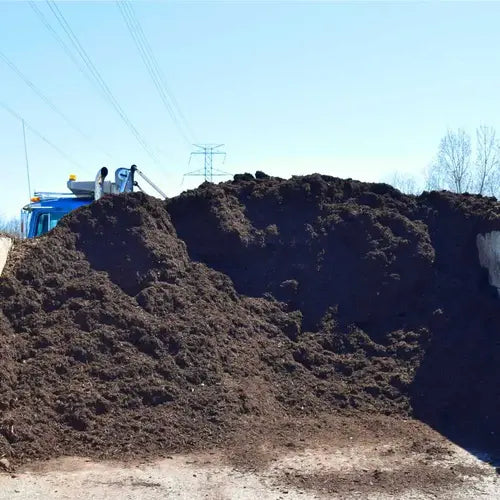
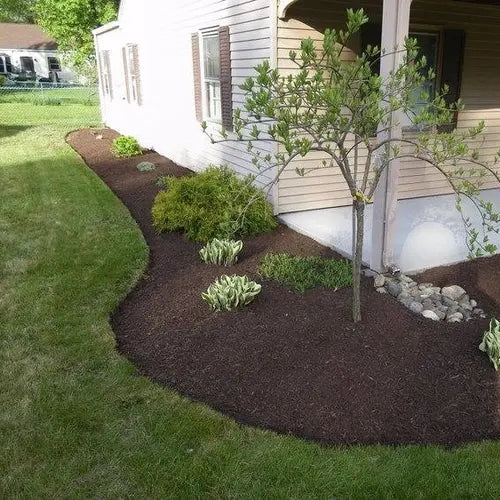
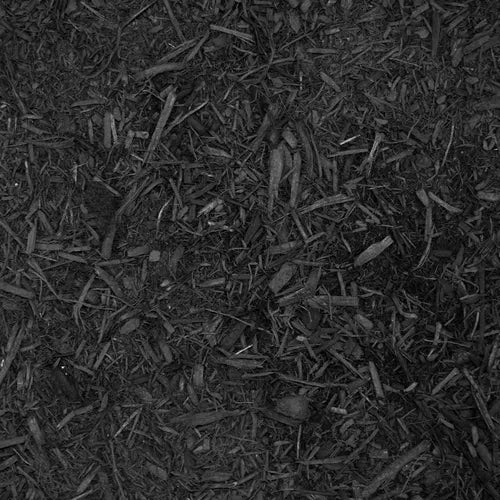
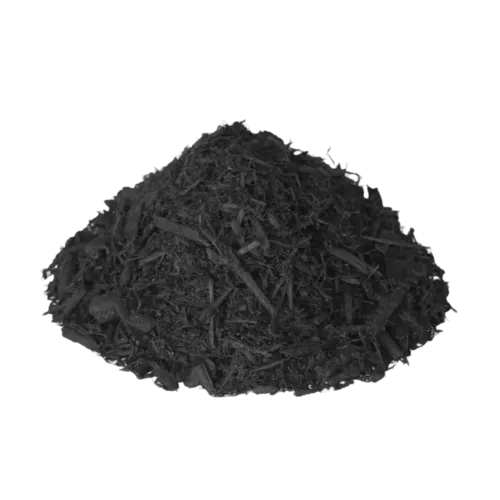
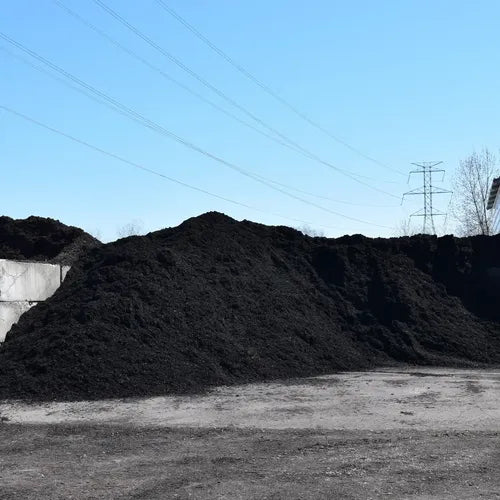
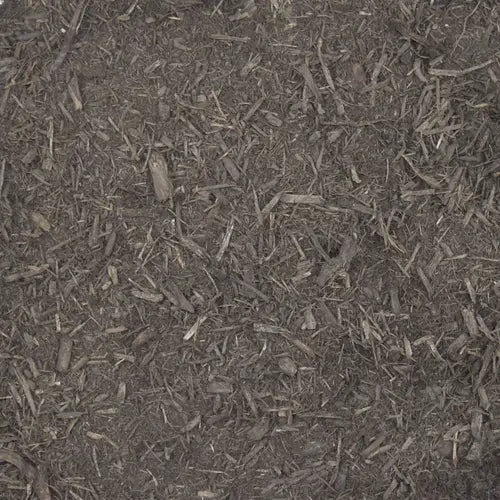
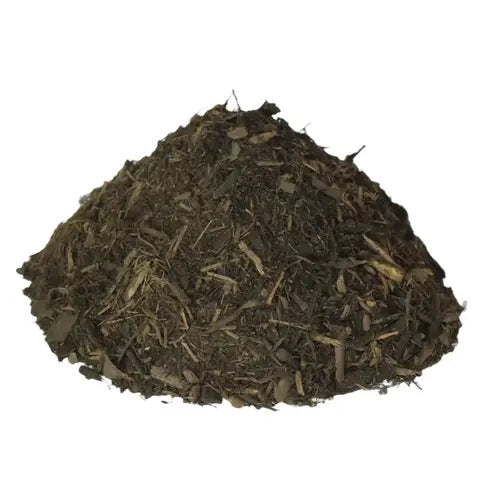
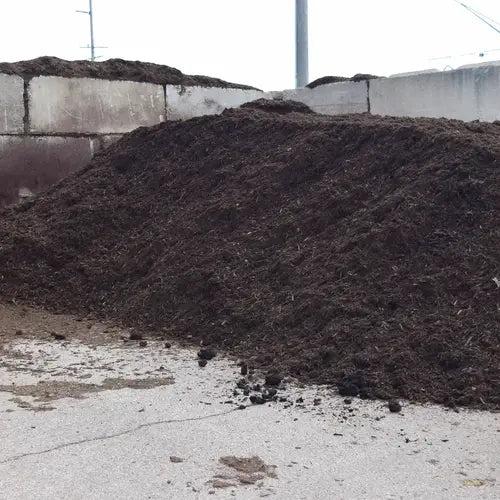
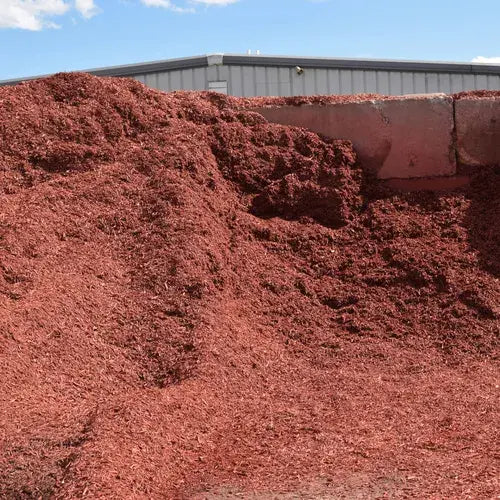
Warm brown double shredded mulch with lasting color that looks freshly applied for weeks. Spreads smooth, stays put, and gives beds a natural, polished appearance.
Great experience with mulch mound. Their online calculator made it easy to estimate how many yards of mulch I needed and delivery was quick. I would definitely recommend them for your future projects.
Tell us what you're looking for
Thanks! We received your request.
Something went wrong. Please try again.
How Much Material Do I Need?
For Fulshear's clay loam soil, a 3-inch application depth is recommended for established beds and a 4-inch depth works well for new beds where weeds have not yet been suppressed. This range gives roots the moisture buffer they need through summer heat without waterlogging the heavier clay base beneath.
Use our free mulch calculator
What is a yard?
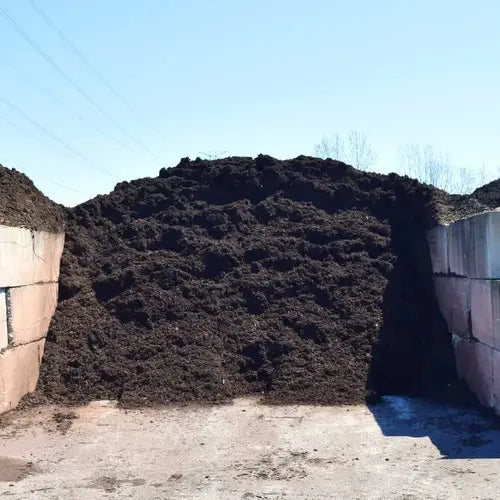
A yard is approximately 27 cubic feet. As a general guideline, one yard of material can cover an area of about 100-160 square feet at a 2-3 inch depth.
We can't take orders for this right now. Tell us what you need and we'll get back to you.
What do you need?
Thanks! We received your request.
Something went wrong. Please try again.
Hand-picked local yards
4,000+ regional deliveries
Dedicated support
Why order through Mulch Mound
The best local mulch, without the guesswork.
We hand-pick and partner with the best yards in your region, keep only the ones our buyers rate well, and back each load with our guarantee.
Mulch Mound Guarantee
If your mulch isn't the quantity or quality you ordered, we'll make it right.
About this mulch
Warm brown double shredded mulch with lasting color that looks freshly applied for weeks. Spreads smooth, stays put, and gives beds a natural, polished appearance.
Great experience with mulch mound. Their online calculator made it easy to estimate how many yards of mulch I needed and delivery was quick. I would definitely recommend them for your future projects.
How Much Material Do I Need?
For Fulshear's clay loam soil, a 3-inch application depth is recommended for established beds and a 4-inch depth works well for new beds where weeds have not yet been suppressed. This range gives roots the moisture buffer they need through summer heat without waterlogging the heavier clay base beneath.
Use our free mulch calculator
What is a yard?
A yard is approximately 27 cubic feet. As a general guideline, one yard of material can cover an area of about 100-160 square feet at a 2-3 inch depth.
Great experience with mulch mound. Their online calculator made it easy to estimate how many yards of mulch I needed and delivery was quick. I woul...
Read full review
Great experience with mulch mound. Their online calculator made it easy to estimate how many yards of mulch I needed and delivery was quick. I would definitely recommend them for your future projects.
We needed mulch for our HOA common areas. Local providers were all holding high prices even for 40 yards of mulch. Mulch mound was easy to wowith...
Read full review
We needed mulch for our HOA common areas. Local providers were all holding high prices even for 40 yards of mulch. Mulch mound was easy to wowith & has great price for natural mulch + delivery schedule options. They called before delivery to ensure Delivery was exactly where we wanted it.
Delivery was on time and great quality Mulch. Got it done in a reasonable time and yard looks great. Couldn’t be happier!!! Thank you and will us...
Read full review
Delivery was on time and great quality Mulch. Got it done in a reasonable time and yard looks great. Couldn’t be happier!!! Thank you and will use again!!
Measure the length and width of each bed in feet and multiply to get square footage, then target a 3-inch depth for Fulshear's clay loam conditions to get meaningful moisture protection without overloading drainage. Divide your total cubic feet by 27 to convert to cubic yards for ordering. Irregular shapes like curved island beds are common in Fulshear front yards, so break them into smaller rectangles or circles and add the individual totals together for an accurate number.
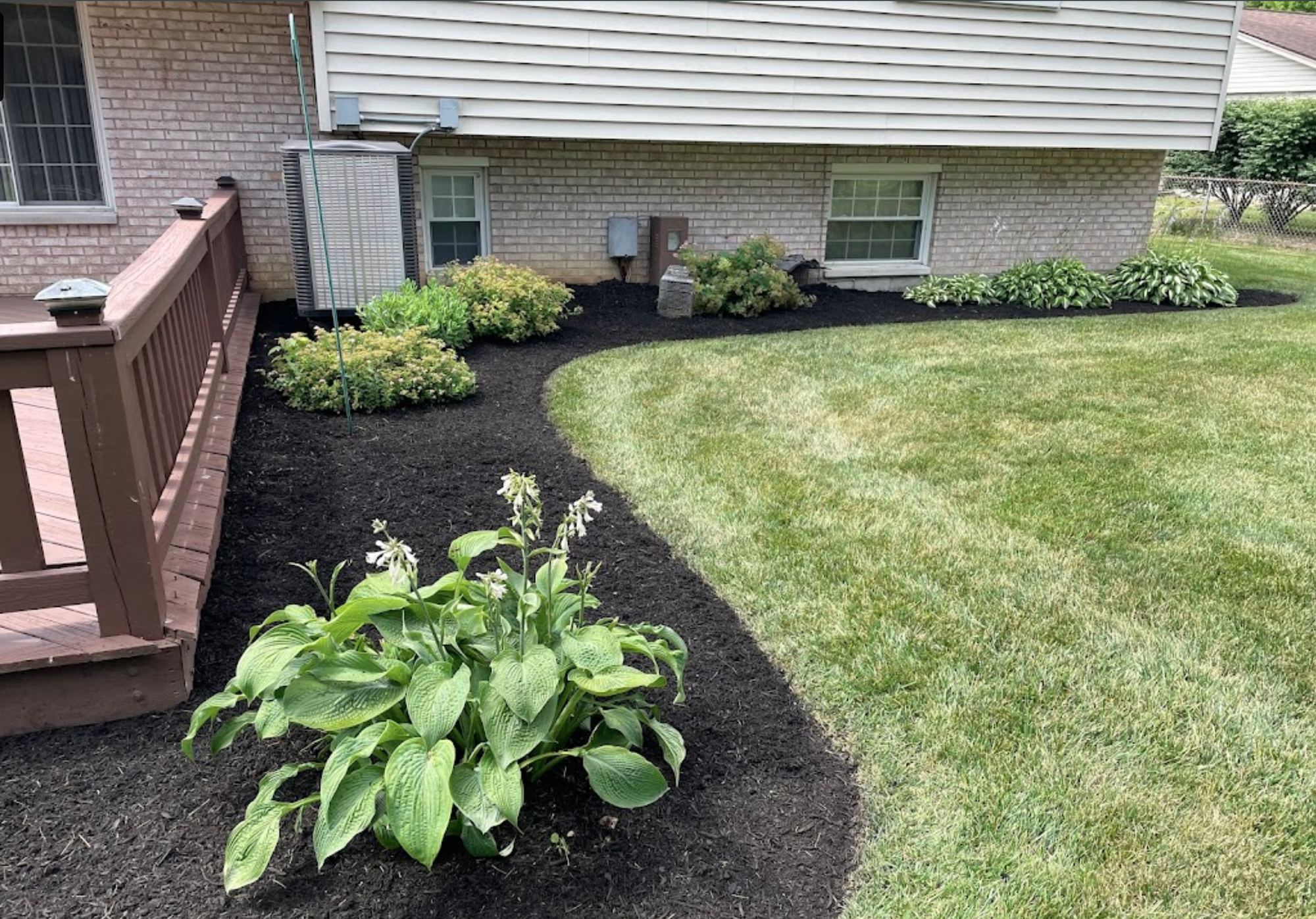
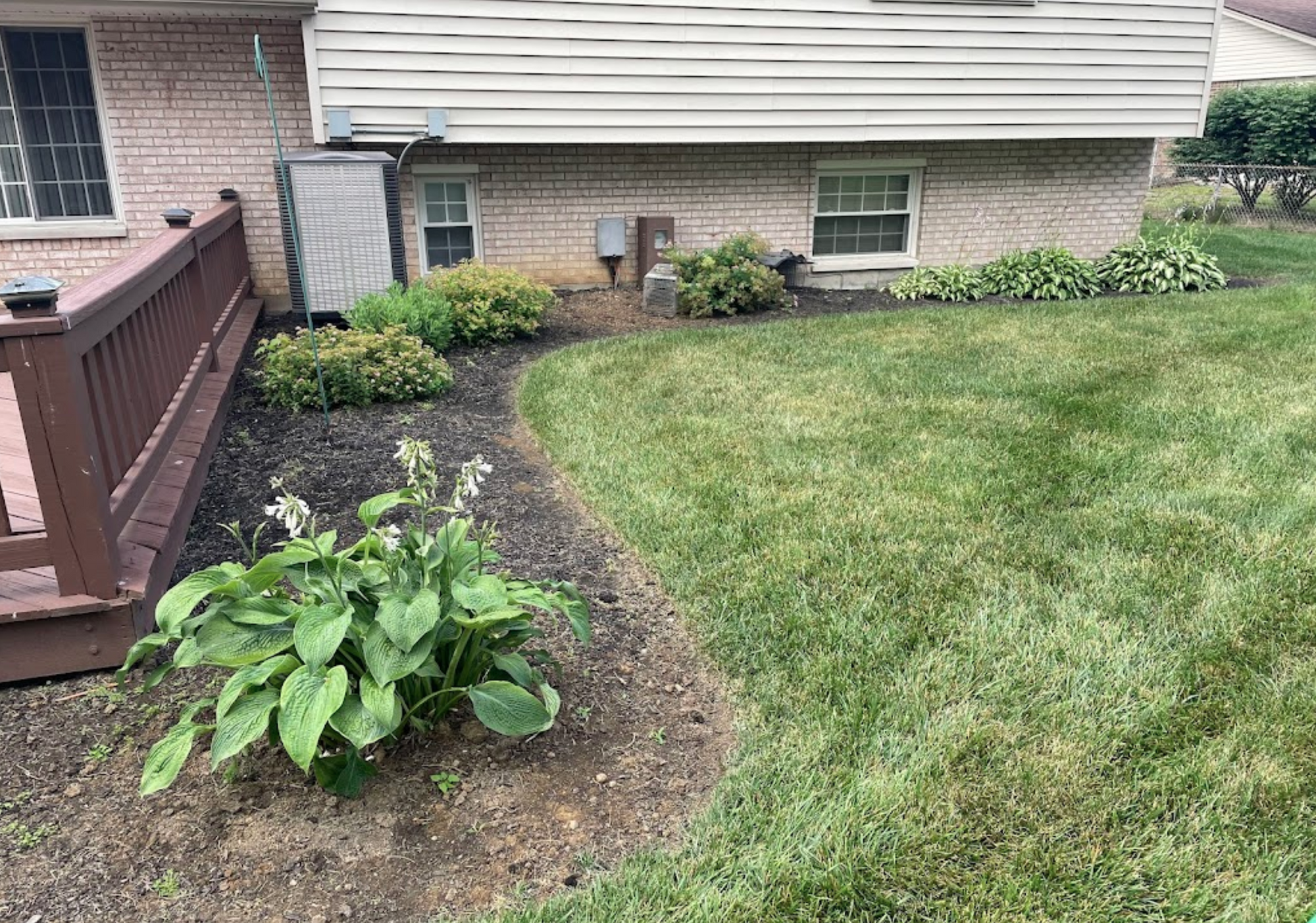
Mulch vs. No Mulch: The Difference
Fulshear's combination of intense summer sun, high humidity, and frequent heavy rain events affects natural and dyed mulch very differently from one another. Natural hardwood mulch breaks down faster in the heat and adds organic matter back to the clay loam soil, making it a functional choice for gardeners who want to improve their beds over multiple seasons. Dyed mulch retains its color through more of the growing season and looks sharp in ornamental areas, but it contributes less to long-term soil improvement in Fulshear's challenging clay loam conditions.
Before
After
Best Mulch Choice for Fulshear Lawns
Most yards in the Fulshear area sit on Clay Loam type of soil. Fulshear's clay loam soil drains slowly after heavy rain, which means plant beds can sit wet for hours and create a favorable environment for root stress and fungal disease. Choosing the right mulch type helps regulate how much additional moisture stays in the top few inches of soil where roots are most active.
Hardwood Mulch
Hardwood mulch is particularly well-suited for Fulshear's clay loam conditions because as it breaks down it contributes fibrous organic matter that physically loosens the dense clay particles over time. This slow-release soil conditioning effect helps roots penetrate more deeply and allows excess moisture to move more freely between the frequent rain events that define the area's climate.
Mulch Types We Deliver in Fulshear
For homeowners who want bulk mulch delivery in Fulshear, we bring your order straight to the property by the cubic yard. The right mulch variety can protect soil moisture, reduce weeds, and give your landscape a clean, finished look through the long Texas growing season.
Dyed Black Mulch
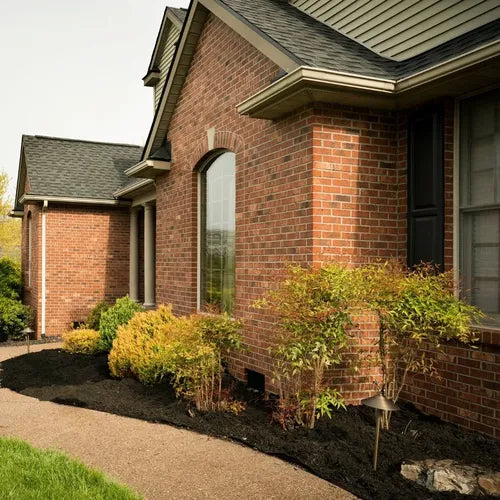
Dyed Black Mulch stands out against the green lawns and brick exteriors common in this part of Texas. The bold color creates a sharp contrast that makes beds look professionally maintained. Choose double shredded for easy spreading or triple shredded for a finer, more refined finish that holds longer.
Natural Brown Mulch
Natural Brown Mulch offers a clean, earthy look that suits wooded lot edges and naturalistic plantings found throughout this region of Texas. No dyes means it blends in rather than standing out. Available in double shredded or triple shredded to match your preference for texture and coverage depth.
Dyed Red Mulch
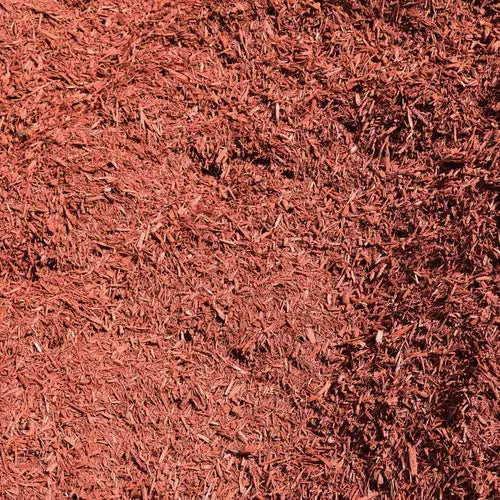
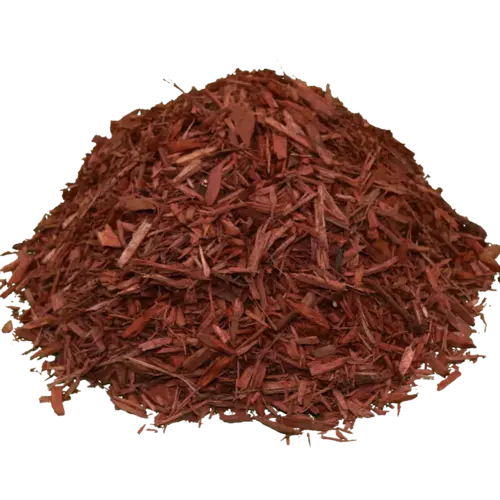
Dyed Red Mulch adds a warm pop of color that holds its intensity through the humid summers common in this part of Texas. The vibrant tone pairs well with ornamental shrubs and native grasses planted in many local front yards. A double shredded cut spreads cleanly and stays in place.
Cedar Mulch
Cedar Mulch is a smart choice in the warm, humid climate around Fulshear, where insects stay active much of the year. The natural oils repel pests and slow decay, while the double shredded texture lays flat and holds its rich aroma for weeks after delivery.
Complete Your Outdoor Mulch Project
If you are refreshing your beds this season, pair your mulch order with a bulk topsoil or garden soil delivery to improve the clay loam base before you lay down your mulch layer. Adding decomposed granite or river gravel along pathways and borders ties the whole landscape together beautifully alongside fresh mulch.
Keep mulch pulled back two to three inches from the base of tree trunks and shrub stems. Fulshear's humidity already creates favorable conditions for fungal growth, and piling mulch against woody stems traps moisture right where you do not want it. This simple habit protects your plants through the long humid growing season and reduces the chance of collar rot developing in your ornamentals and shade trees over time.
Mulch Mound Pro Tip
If you have beds that slope toward your foundation, lay your mulch in a subtle berm shape that directs water away from the structure rather than toward it. Fulshear's flat topography and heavy seasonal rains mean water has nowhere to go quickly after a storm, and even a modest grade in your mulch application can redirect hundreds of gallons of runoff per event away from your slab.
Mulch Mound Pro Tip
With nearly 49 inches of annual rainfall, Fulshear landscapes can experience significant mulch migration during heavy downpours. Choose a coarser mulch texture such as shredded hardwood or large bark nuggets for sloped beds, since finer textures float and redistribute easily in moving water. Installing a steel or aluminum bed edging border helps anchor the mulch in place and keeps your beds looking clean and intentional even after the heaviest Gulf Coast rain events of the season.
Frequently Asked Questions
Click a question to see the answer
Answer
How deep should I apply mulch in Fulshear given how much rain we get each year?
With 49 inches of annual rainfall in Fulshear, a 3-inch layer is the sweet spot for most beds. Go shallower and rain will wash it thin quickly. Go deeper than 4 inches and you risk keeping the clay loam base too wet beneath the mulch, which can invite root rot in established plants during the long humid growing season.
Answer
Will mulch help with the standing water I get after big rain events in my yard?
Mulch slows the speed at which rain hits your soil surface, which reduces puddling in low spots, but it is not a substitute for grading or drainage improvements. If you have chronic standing water in Fulshear, combining mulch with a drainage-friendly soil amendment or a gravel drainage channel will give you better long-term results.
Answer
Does mulch break down faster here than in cooler parts of the country?
Yes, significantly. Fulshear's heat and humidity accelerate microbial activity, so organic mulch can decompose noticeably within a single growing season. Plan to top-dress your beds with a fresh inch or so each spring after the last frost around March 30, and again in early fall before temperatures start dropping toward the first frost around November 17.
Answer
Is dyed mulch safe to use around my vegetable garden beds?
Most colored mulches use iron oxide or carbon-based pigments that are considered safe, but if you are growing edibles we recommend a natural hardwood or pine mulch for those beds and saving the dyed options for ornamental areas. Fulshear's long growing season means your garden produces for many months, so keeping vegetable beds as natural as possible is a reasonable and easy choice.
Answer
How does mulch specifically help with Fulshear's clay loam soil over time?
Clay loam holds nutrients well but struggles with aeration and drainage. As organic mulch breaks down over time it adds fibrous organic matter to the top layer of the clay loam, gradually loosening the structure and improving the soil's ability to drain between rain events. This is a slow process, but consistent annual mulching makes a real difference in bed performance after just a few seasons.
Answer
When is the best time of year to apply fresh mulch in Fulshear?
Early spring, just after the last frost around March 30, is ideal because you are protecting plant roots as temperatures start climbing toward summer. A second application in early November, just before the first frost around November 17, helps insulate roots through the mild Fulshear winter. These two application windows give you the most plant protection for the least effort.
Answer
Will colored mulch fade quickly sitting in the Fulshear sun all summer?
Fulshear gets intense UV exposure from late spring through early fall, and south-facing beds in full sun will fade faster than shaded areas. Dyed mulch typically holds its color through one full season under normal conditions. If color retention matters to you, choose a double or triple-dyed product and plan to refresh it each spring after the last frost.
The Unique Landscape of Fulshear
Fulshear's clay loam soil is notorious for compacting tightly during dry spells and staying waterlogged after heavy rains, which makes life difficult for plant roots year-round. With nearly 49 inches of rain falling annually and a growing season that stretches from late March to mid-November, your plant beds need a protective buffer that can handle both intense downpours and brutal summer heat. A consistent layer of mulch slows moisture evaporation during Fulshear's peak summer months, keeping soil temperatures from spiking to root-damaging levels. Mulch also intercepts heavy rainfall before it can pound the clay loam surface and cause runoff across the yard's naturally flat terrain. As organic mulch breaks down into the soil beneath it, it gradually improves the clay loam's texture and helps roots penetrate more easily over time.