


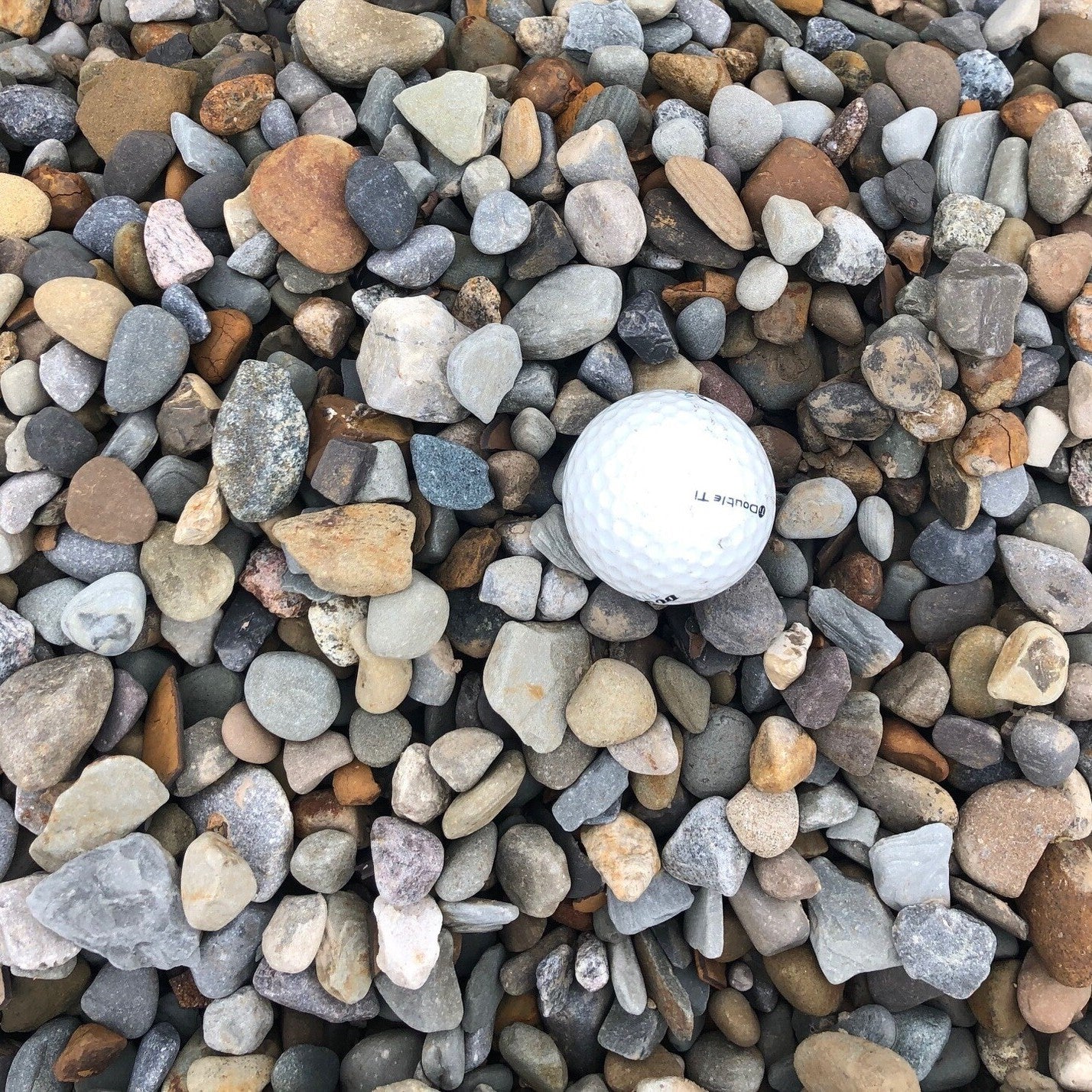


The driver nailed it on putting the gravel I ordered in front of my trailer and between the sidewalk. Very satisfied with how my flowerbeds look now.
About this stone
1” West Texas Black Crushed Stone landscape rock, sourced from our local supply yard. Color and gradation may vary slightly by quarry lot. Sold by the yard.
The driver nailed it on putting the gravel I ordered in front of my trailer and between the sidewalk. Very satisfied with how my flowerbeds look now.
Tell us what you're looking for
Thanks! We received your request.
Something went wrong. Please try again.
How Much Material Do I Need?
How Much Material Do I Need?
For decorative bed coverage in Fulshear, 2 to 3 inches of stone gives good visual coverage and weed suppression when paired with landscape fabric. For functional drainage areas, drainage channels, and foundation borders, increase to 4 to 6 inches to handle the volume of water that moves through these zones during the area's heaviest rain events.
Use our free gravel calculator
What is a yard?
What is a yard?
FAQs
FAQs
Fulshear Gravel Delivery
Fulshear Gravel Delivery
Regular price
$549.00
per
yard
Regular price
Sale price
$549.00
Unit price
per
Shipping calculated at checkout.
Minimum of 2 yard
Couldn't load pickup availability
Not currently available
We can't take orders for this right now. Tell us what you need and we'll get back to you.
Hand-picked local yards
4,000+ regional deliveries
Dedicated support
Why order through Mulch Mound
The best local stone, without the guesswork.
We hand-pick and partner with the best yards in your region, keep only the ones our buyers rate well, and back each load with our guarantee.
Mulch Mound Guarantee
If your stone isn't the quantity or quality you ordered, we'll make it right.
About this stone
1” West Texas Black Crushed Stone landscape rock, sourced from our local supply yard. Color and gradation may vary slightly by quarry lot. Sold by the yard.
The driver nailed it on putting the gravel I ordered in front of my trailer and between the sidewalk. Very satisfied with how my flowerbeds look now.
How Much Material Do I Need?
How Much Material Do I Need?
For decorative bed coverage in Fulshear, 2 to 3 inches of stone gives good visual coverage and weed suppression when paired with landscape fabric. For functional drainage areas, drainage channels, and foundation borders, increase to 4 to 6 inches to handle the volume of water that moves through these zones during the area's heaviest rain events.
Use our free gravel calculator
What is a yard?
What is a yard?
FAQs
FAQs
Tell us what you're looking for
Thanks! We received your request.
Something went wrong. Please try again.
How It Works
Getting started is easy — just follow these simple steps
1
Choose your stone
Make sure you adjust the quantity to your home's needs. You can use our calculator to estimate how much you'll need.
2
Select your delivery date
Select a delivery date you'd like for the product to be dropped off at your home
3
Sit back and wait
Sit back, wait, and let us work our magic to make sure the highest quality product is delivered to your driveway.


Need Help Calculating How Much Gravel You Need?
Use our NEW Trace from Satellite tool to get an estimate for your project based on an aerial view of your property
Try Our CalculatorMeasure your project area in feet, multiply length by width for square footage, and decide on your target depth in inches. For pathways in Fulshear, 3 to 4 inches is standard. For drainage applications next to your home or in low-lying areas, 4 to 6 inches gives better long-term performance in the clay loam soil that drains slowly after heavy rains. Divide your cubic feet total by 27 to convert to cubic yards, and round up slightly since stone settles after the first few rain events.
Stone Types We Deliver in Fulshear
Homeowners and landscapers throughout Fulshear count on Mulch Mound for bulk gravel by the yard, with simple cubic-yard ordering and reliable delivery right to your property. The region's clay-heavy soil and long, humid summers create steady demand for well-draining stone that keeps outdoor spaces functional and attractive year round. We haul the material directly to your driveway or project site so you can get started without delay.
Pea Gravel
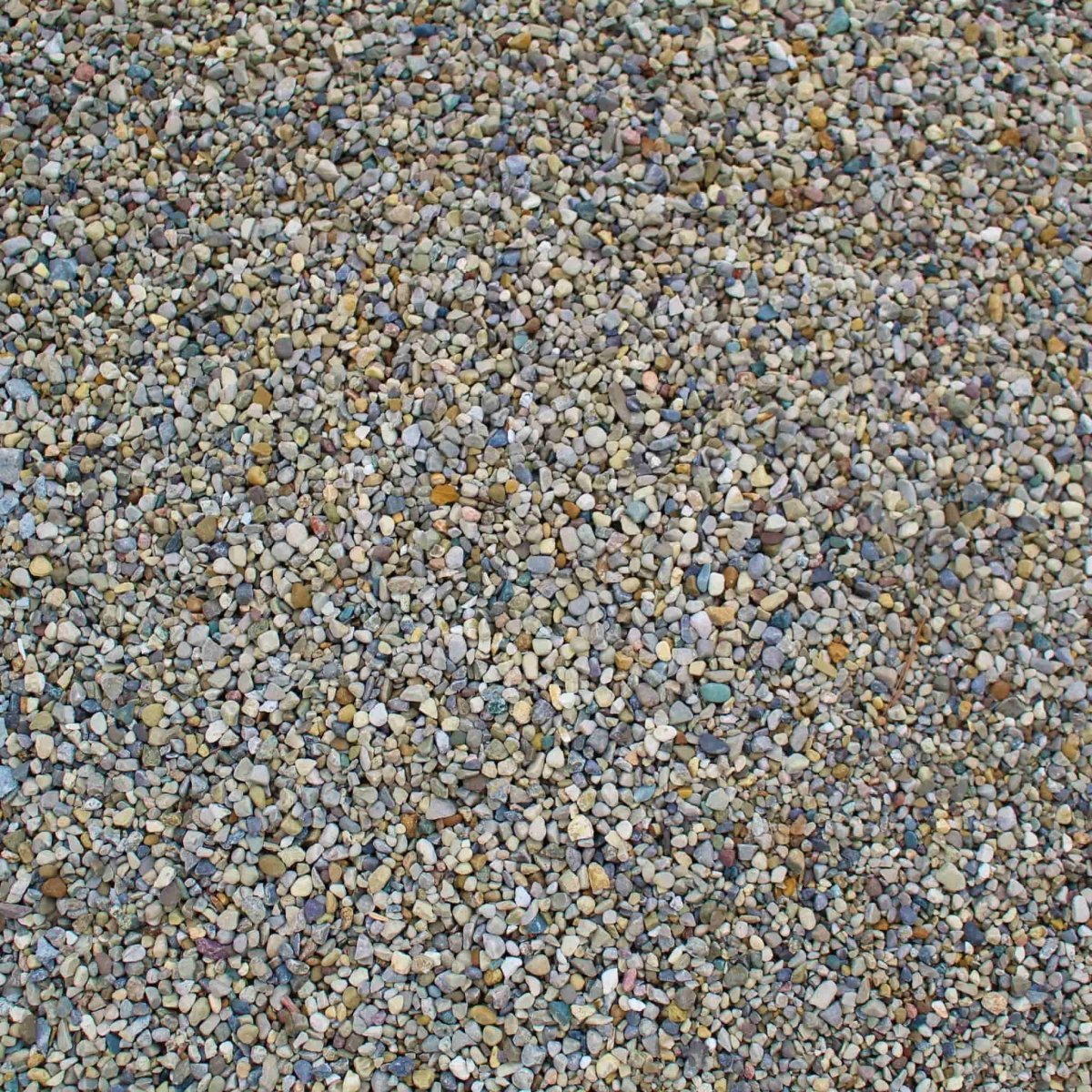
Pea Gravel's smooth, rounded edges and warm earth tones make it a natural fit for patios and garden pathways throughout this part of Texas. It drains exceptionally well, an important quality given the dense clay soils common to the Fulshear area, and its understated color pairs easily with both traditional and modern home styles.
Complete Your Outdoor Stone Project
If you are installing stone pathways or drainage channels, consider pairing your order with bulk soil to re-grade the surrounding area before placing stone so water flows in the right direction from the start. A fresh mulch application in the adjacent plant beds creates a clean visual contrast with the stone and ties the overall landscape design together in a way that looks polished and intentional.



Service area
Areas we deliver stone and gravel in Fulshear, Texas
Mulch Mound Pro Tip
Before placing any stone in Fulshear's clay loam soil, install a high-quality landscape fabric rated for heavy weed pressure. Clay loam holds seeds and nutrients so effectively that weeds will push up through or around light fabric within a single growing season. A thicker woven geotextile fabric is worth the extra investment and will save you hours of maintenance during Fulshear's long spring and summer growing season when weed pressure is at its peak.
Mulch Mound Pro Tip
If you are building a dry creek bed for drainage, follow the natural low line of your yard since Fulshear's flat terrain makes it easy to identify where water flows after heavy rains. Line the channel with angular crushed limestone or medium river rock and extend it far enough to discharge water well away from planted areas or the foundation. A well-designed dry creek bed can handle thousands of gallons of runoff per storm and doubles as an attractive landscape feature.
Mulch Mound Pro Tip
Decomposed granite is an increasingly popular low-water ground cover in Fulshear, but it needs to be stabilized with a polymer binder or a firm edging border to stay in place after the area's frequent heavy rains. Without stabilization, the fine particles migrate easily and can wash into your grass or onto hardscape surfaces. Install a steel or aluminum edge restraint around the perimeter before spreading and wet the material down firmly after installation to help it begin compacting into a stable surface.
The Unique Landscape of Fulshear
Stone and gravel are among the most practical landscape investments you can make for a Fulshear property, where clay loam soil, flat terrain, and nearly 49 inches of annual rainfall create persistent drainage challenges that organic materials simply cannot solve on their own. A well-placed stone pathway or drainage channel handles storm runoff far more reliably than grass or mulch, which can erode or wash away during heavy Gulf Coast rain events. Fulshear's long growing season also means that low-maintenance ground cover materials like gravel and decomposed granite save homeowners real time on upkeep between late March and mid-November when everything is actively growing. Stone borders and beds require no seasonal replacement, no reapplication after rain, and no supplemental watering, making them an efficient choice for busy homeowners in this fast-growing community. Whether you are creating a decorative focal point, stabilizing a low area, or managing drainage near your foundation, stone delivers lasting results in Fulshear's demanding climate.