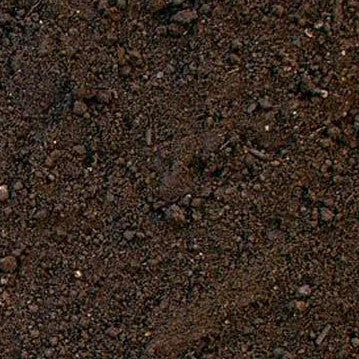
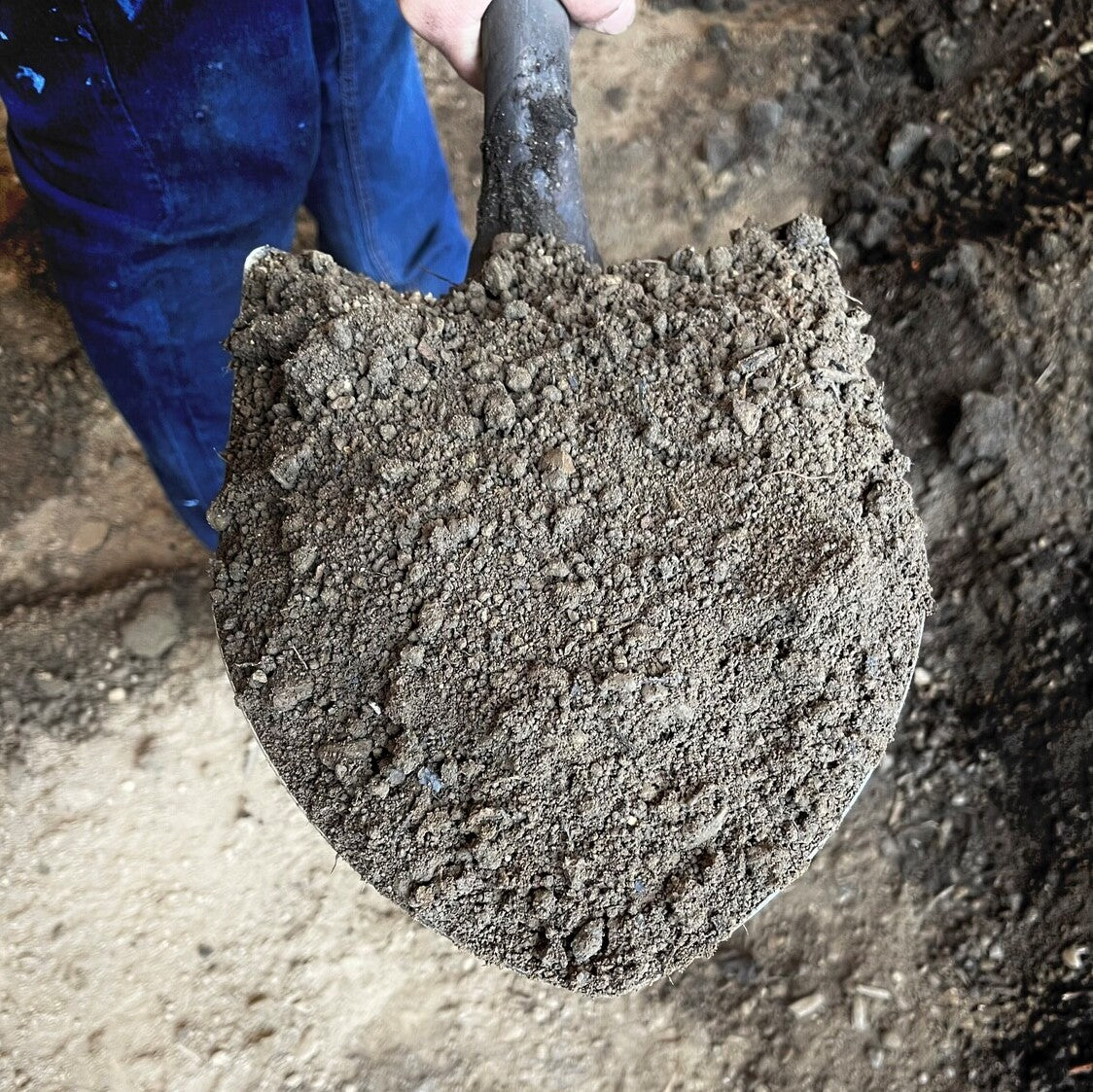
Quality topsoil for lawns, gardens, and landscape projects. Nutrient rich and ready to support strong root development and healthy plant establishment.
I used Mulch Mound to have 3 cubic yards of garden soil delivered. The process was easy and I love that I didn't have to call anyone. I placed my order online, picked my delivery date, laid out my tarp and the dirt was delivered. My delivery had to be pushed back, but I was ke...
Tell us what you're looking for
Thanks! We received your request.
Something went wrong. Please try again.
How Much Material Do I Need?
For lawn leveling and topdressing in Fulshear, half an inch to one inch of topsoil across the problem area is usually sufficient for minor grade corrections. For raised beds and new garden installations, a minimum of 10 to 12 inches of quality garden soil gives roots the depth they need to thrive above the dense native clay loam.
Use our free soil calculator
What is a yard?
A yard is approximately 27 cubic feet. As a general guideline, one yard of material can cover an area of about 10 feet by 10 feet at a few inches deep.
We can't take orders for this right now. Tell us what you need and we'll get back to you.
What do you need?
Thanks! We received your request.
Something went wrong. Please try again.
Hand-picked local yards
4,000+ regional deliveries
Dedicated support
Why order through Mulch Mound
The best local soil, without the guesswork.
We hand-pick and partner with the best yards in your region, keep only the ones our buyers rate well, and back each load with our guarantee.
Mulch Mound Guarantee
If your soil isn't the quantity or quality you ordered, we'll make it right.
About this soil
Quality topsoil for lawns, gardens, and landscape projects. Nutrient rich and ready to support strong root development and healthy plant establishment.
I used Mulch Mound to have 3 cubic yards of garden soil delivered. The process was easy and I love that I didn't have to call anyone. I placed my order online, picked my delivery date, laid out my tarp and the dirt was delivered. My delivery had to be pushed back, but I was ke...
How Much Material Do I Need?
For lawn leveling and topdressing in Fulshear, half an inch to one inch of topsoil across the problem area is usually sufficient for minor grade corrections. For raised beds and new garden installations, a minimum of 10 to 12 inches of quality garden soil gives roots the depth they need to thrive above the dense native clay loam.
Use our free soil calculator
What is a yard?
A yard is approximately 27 cubic feet. As a general guideline, one yard of material can cover an area of about 10 feet by 10 feet at a few inches deep.
I used Mulch Mound to have 3 cubic yards of garden soil delivered. The process was easy and I love that I didn't have to call anyone. I placed my o...
Read full review
I used Mulch Mound to have 3 cubic yards of garden soil delivered. The process was easy and I love that I didn't have to call anyone. I placed my order online, picked my delivery date, laid out my tarp and the dirt was delivered. My delivery had to be pushed back, but I was kept informed via text, which was great. So why not 5 stars? The description of garden soil on the website is "A balanced mix of topsoil and organic amendments ready for raised beds, flower gardens, and new planting areas. Good drainage, solid nutrients, easy to work with." What I got was more like fill dirt. It had a lot of gravel, a lot of clay, and random trash mixed in. I didn't test the soil to see if it actually had "amendments" because I already have compost and alpaca manure ready to add, but if I'd known the quality of the dirt was going to be the same as the bagged dirt I bought last year, I probably would have gotten 2 yards of top soil and a yard of leaf compost for better quality, especially since the leaf compost is cheaper. Photo of my mountain of dirt and just some of the trash I found in it.
Measure the length and width of your project area in feet and multiply to get the square footage, then determine how many inches deep you need the soil to be based on your project type. Fulshear's clay loam base compacts over time, so for new lawn areas plan on adding 10 to 15 percent extra volume to account for settling after the first rainy season. Use our calculator to convert square footage and depth into cubic yards for accurate ordering.
Soil Types We Deliver in Fulshear
Getting quality soil delivered in bulk by the yard in Fulshear is simple with Mulch Mound. We drop off cubic yards of topsoil, compost, and blended mixes straight to your driveway or job site, saving you the hassle of hauling material yourself. This part of Fort Bend County is known for its thick, heavy clay ground, so bringing in the right soil makes a real difference for lawns, gardens, and new builds.
Screened Top Soil
Screened to remove rocks and clumps, this topsoil is the most popular choice for filling low spots, leveling yards, and laying the groundwork for new lawns. It is nutrient rich and ready to support strong root growth, making it a reliable option for new construction lots and established yards throughout the area.
Garden Compost
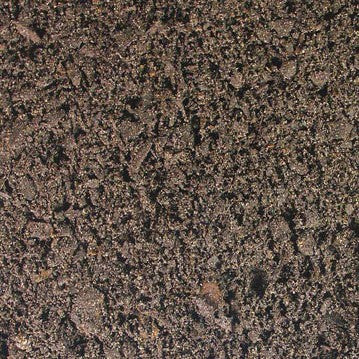
Finished and ready to use, this standard compost is loaded with organic matter that improves drainage, feeds soil biology, and helps break up the heavy clay common in this region. Mix it into planting beds or use it as a top dressing to give established gardens and vegetable plots a measurable boost.
Gardening Blend
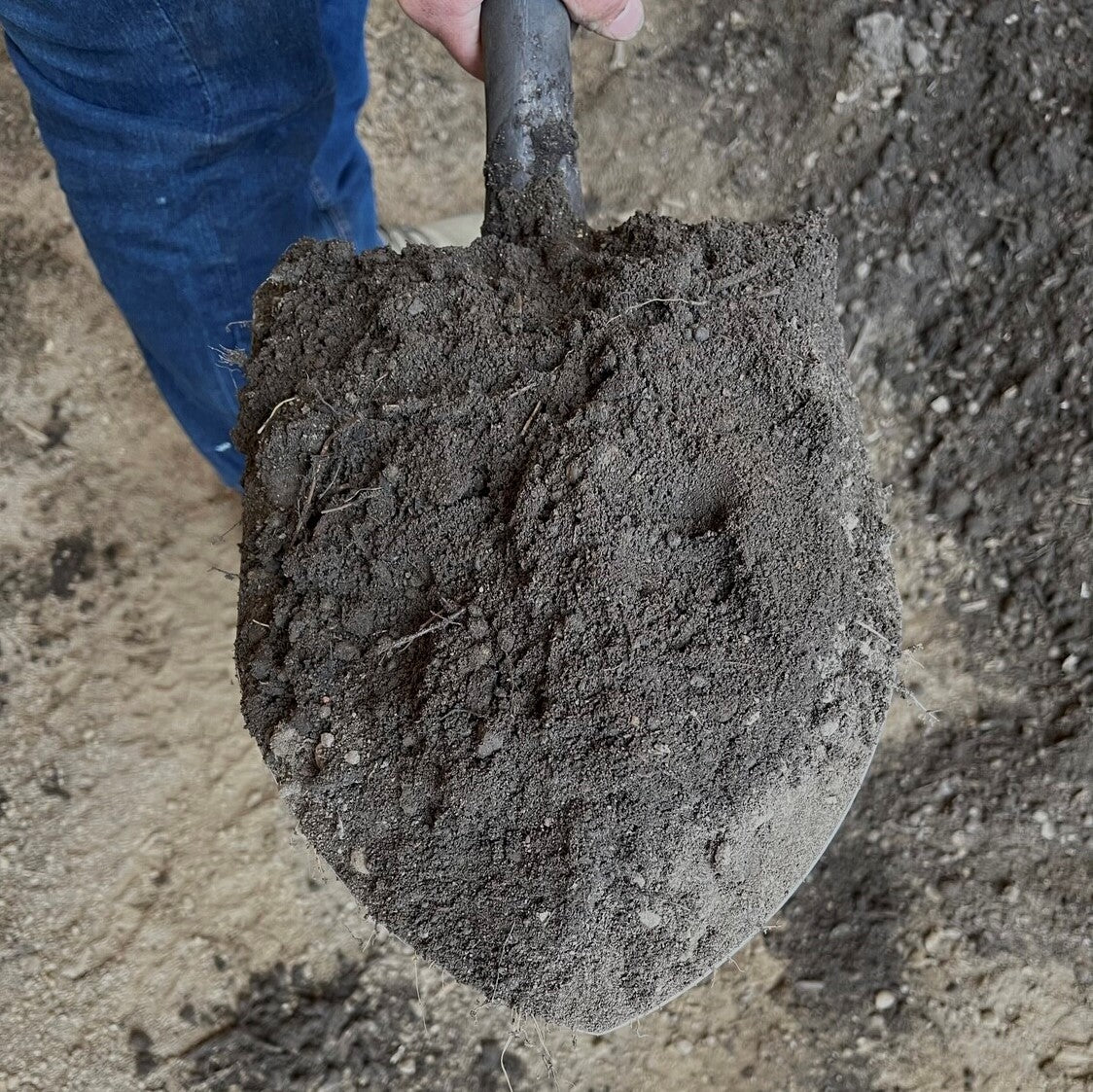
A balanced mix of topsoil and organic amendments, the Gardening Blend is ideal for raised beds, flower gardens, and new planting areas. It drains well, holds moisture better than native clay, and delivers the consistent texture that makes it easy to plant and establish new growth in the Texas heat.
Complete Your Outdoor Soil Project
After placing your soil and getting your grade right, a layer of mulch over your new beds will lock in moisture and protect the fresh soil surface from Fulshear's hard summer rains. If you are also putting in walkways or drainage paths alongside your newly graded areas, browse our stone and gravel options to complete the landscape design.
My yard has low spots that flood after every storm. Can bulk topsoil actually help fix that problem?
Absolutely. Fulshear's flat terrain and clay loam soil mean water has limited places to drain after the area's frequent heavy rains. Adding topsoil to raise and re-grade low spots helps redirect surface water toward your yard's natural drainage routes. For the best results, pair the topsoil with overseeding after grading so the new surface holds firm through future rain events.
Answer
What is the difference between topsoil and garden soil, and which one do I need for my project?
Topsoil is best for filling, grading, and establishing lawns, while garden soil is a richer and more amended blend designed for planting beds, raised beds, and vegetable gardens. In Fulshear, where the native clay loam can be dense and difficult for new plantings, garden soil gives transplants and seeds a much easier environment to establish roots before they encounter the heavier native soil below.
Answer
How much soil do I need to raise my lawn grade enough to reduce standing water?
For general lawn leveling in Fulshear, most low spots only need half an inch to one inch of topdressing to correct the grade. More significant drainage problems may require 2 to 4 inches over a broader area. Round up slightly when ordering since settling occurs naturally in clay loam soil over the first few months after installation, especially after the area's heavier rain events.
Answer
Can I build a raised vegetable garden bed using bulk soil here in Fulshear?
Yes, and raised beds are especially popular in Fulshear because they let you sidestep the native clay loam entirely for edibles that need well-draining and looser soil. A raised bed filled with a quality garden mix gives your vegetables a productive growing environment from late March all the way through the mild fall season, since Fulshear's first frost does not typically arrive until around November 17.
Answer
Will the soil I buy settle significantly after delivery?
Some settling is normal and expected, especially in Fulshear's climate where the first few heavy rain events after installation will compact loose soil naturally. For lawn applications, plan for roughly 15 to 20 percent settling and factor that into your depth calculations. For raised beds, start with at least 10 to 12 inches of depth knowing the mix will settle a couple of inches after the first full season.
Answer
Is it safe to add bulk soil near my home's foundation in Fulshear?
Yes, as long as the grade slopes away from the foundation at a minimum of 6 inches of drop over the first 10 feet. In Fulshear, where heavy rains are common and flat lots are the norm, proper foundation grading is critical. Bulk soil can help you establish that slope, but avoid piling it directly against the slab or any wood elements of the structure.
Answer
What time of year is best to do soil work and grading projects in Fulshear?
Early spring between late March and May is ideal because temperatures are moderate and your new lawn or garden will have months to establish before summer heat peaks. Fall is also productive, particularly September through early November, since the soil is still warm enough to encourage root growth before the first frost arrives around November 17.
Mulch Mound Pro Tip
When backfilling new planting holes in Fulshear's clay loam, mix your bulk topsoil or garden mix with the native soil you removed rather than replacing it entirely. Abrupt transitions between soil types can create a hidden drainage barrier underground where water pools at the interface instead of moving downward. Blending the soils gradually helps water move more naturally through the entire root zone and prevents transplant stress during the adjustment period.
Mulch Mound Pro Tip
Before spreading bulk topsoil for lawn leveling, mow your existing grass as short as possible and aerate the area if you can. Fulshear's clay loam compacts easily underfoot, and breaking up the surface layer before you add new soil helps the two materials knit together as grass roots push upward through the fresh layer. This step is especially important in late spring when warm-season grasses are actively pushing new growth.
Mulch Mound Pro Tip
If you are preparing raised beds for a fall vegetable garden, get your bulk soil delivered in late August or early September so the material has time to settle before planting. Fulshear's last frost around March 30 and first frost around November 17 give you a generous fall growing window, but getting your soil in place early means your transplants go into a stable and settled bed rather than fresh loose material that shifts with every watering.
The Unique Landscape of Fulshear
Fulshear's native clay loam is a challenging foundation for homeowners trying to grow healthy lawns and productive garden beds. It holds nutrients and moisture well during dry stretches but compacts easily under foot traffic and heavy rainfall, forming a dense layer that suffocates grass roots and makes garden bed preparation feel like digging through concrete. With a growing season that runs from late March through mid-November, your lawn and garden have many months to perform, and the quality of the soil beneath them determines how well they actually do it. Whether you are leveling a lawn, building raised beds, or backfilling a landscaping project, bringing in quality bulk soil gives you a fresh and workable foundation that your plants can actually use. Fulshear's 49 inches of annual rainfall also means your soil needs good structure to absorb water quickly rather than letting it sheet across compacted clay surfaces.