



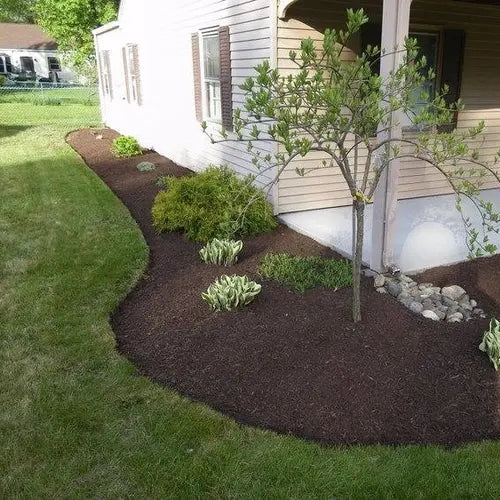




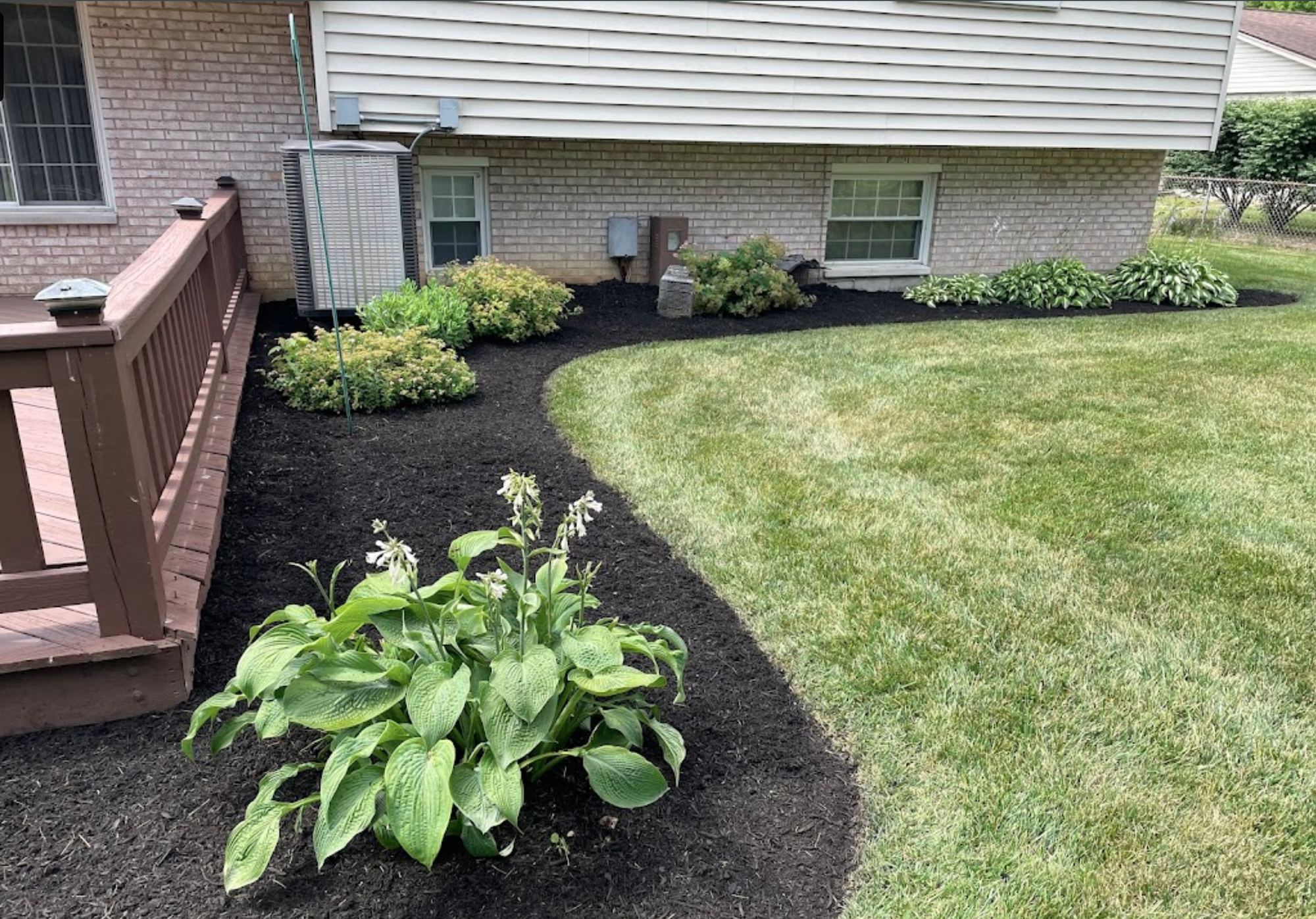
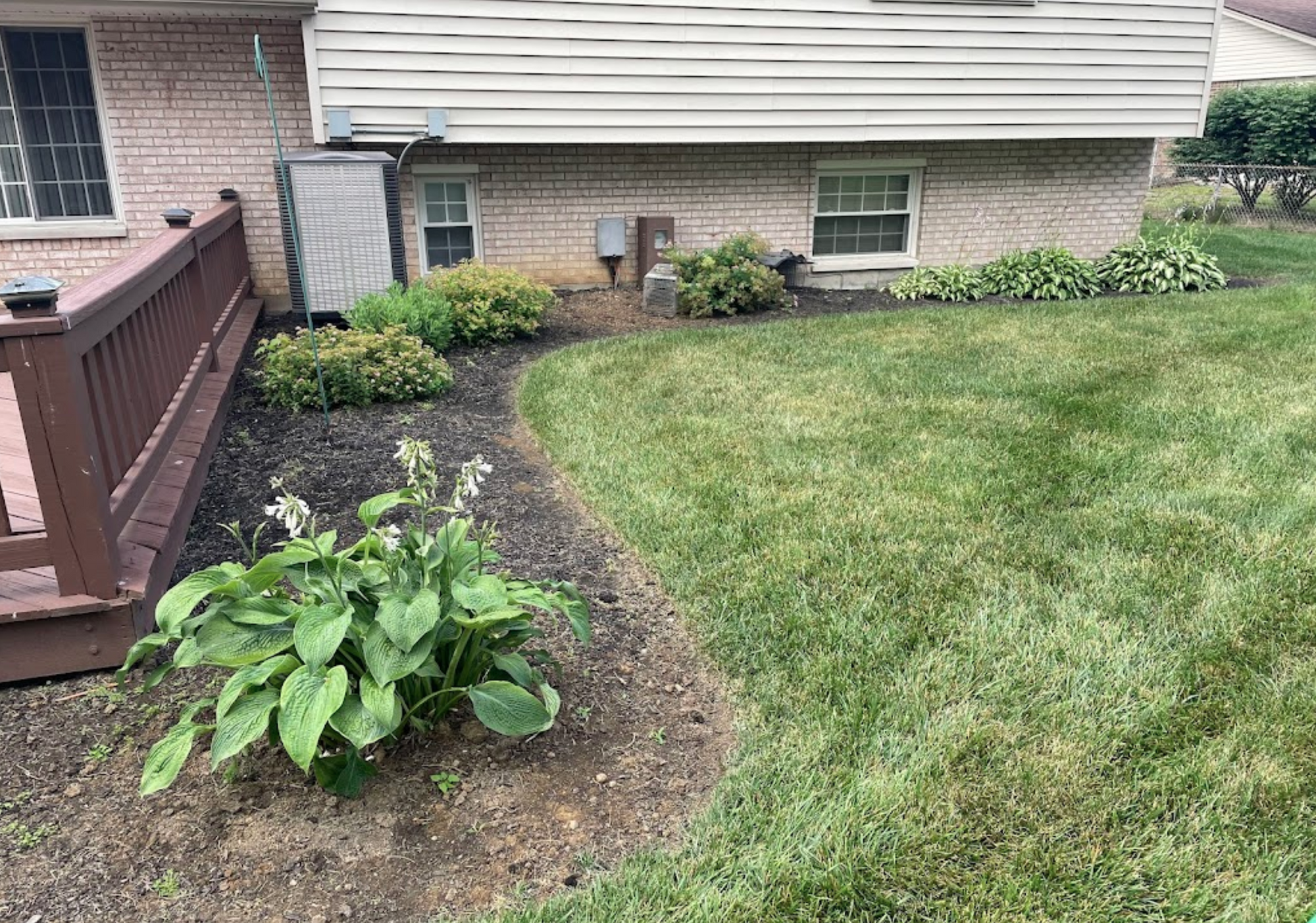
I am very happy with Mulch Mound service and with the triple shredded mulch. It looks great, and I would use them again.
About this mulch
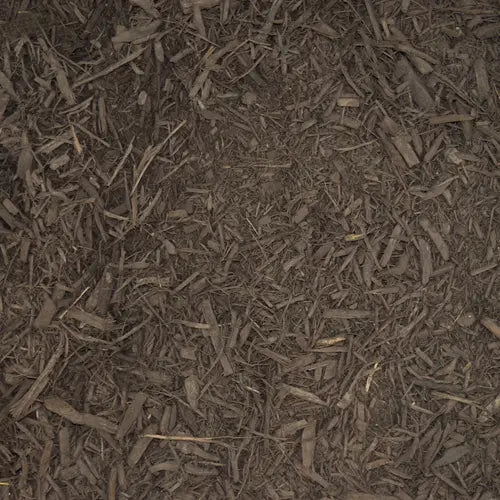
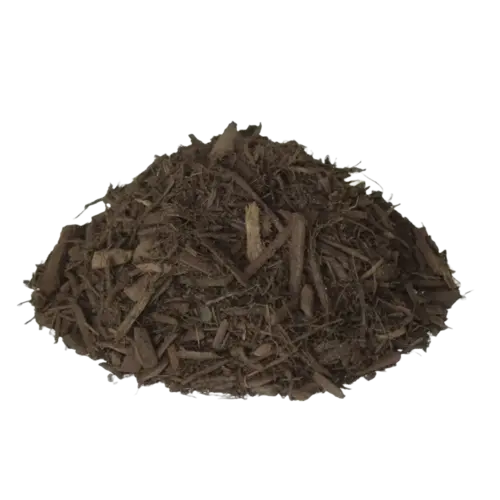
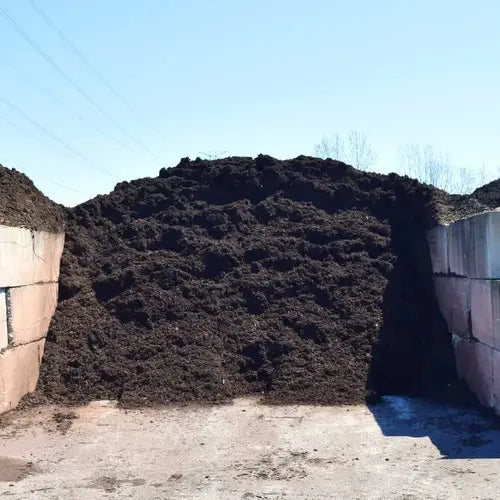
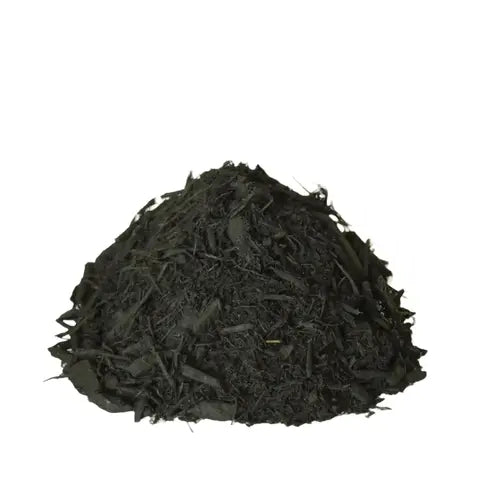
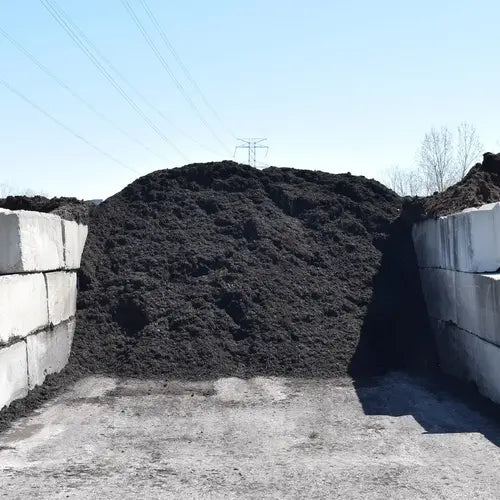
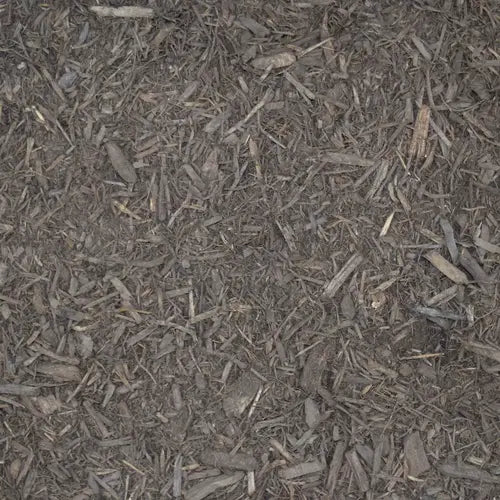
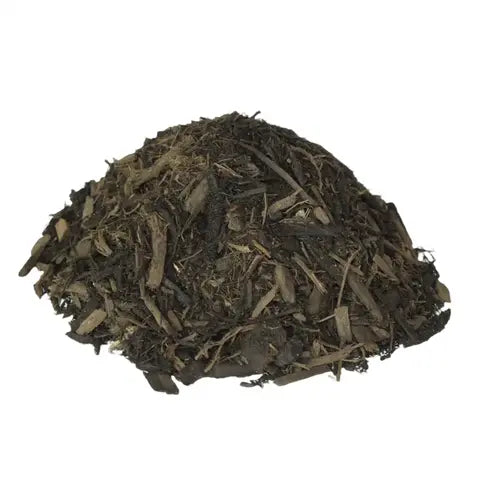
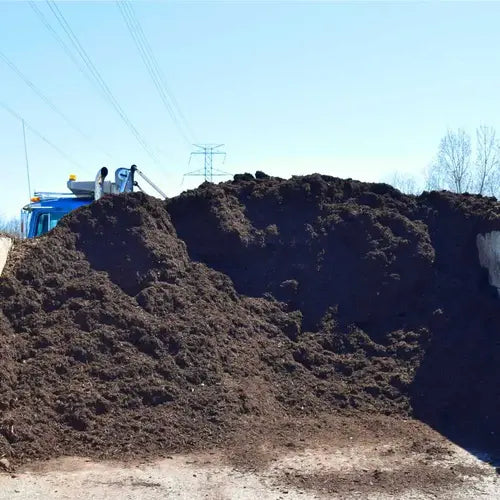
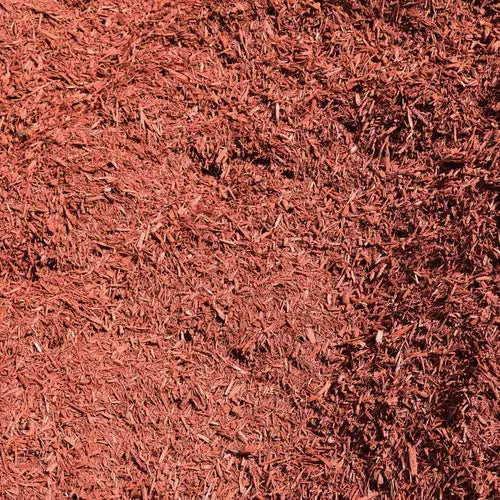
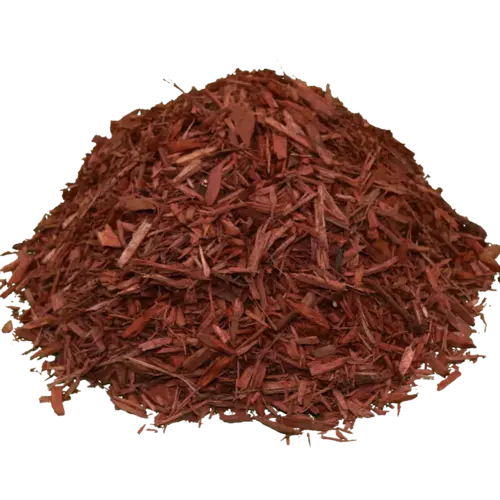
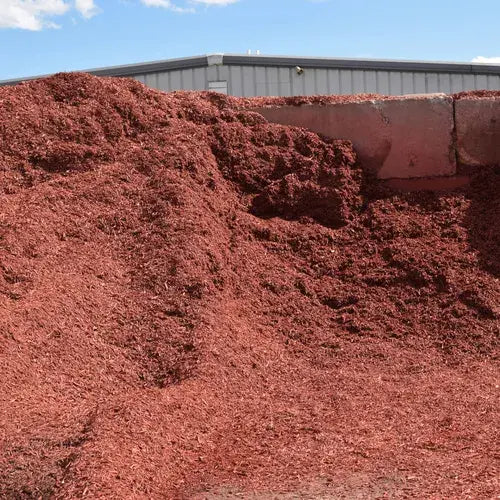
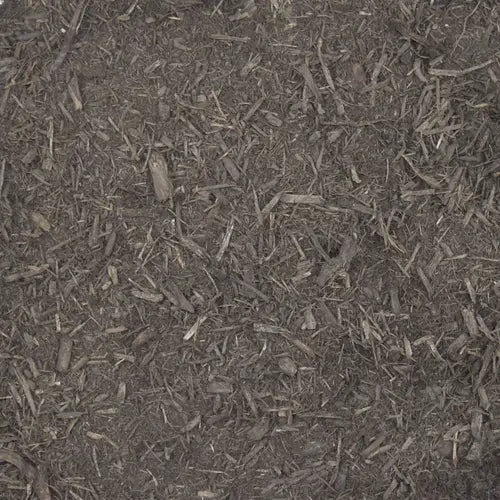
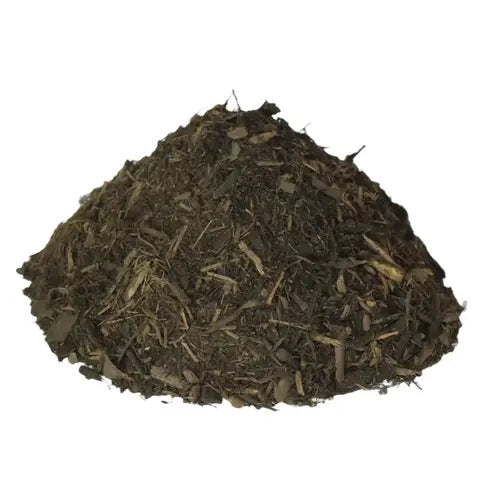
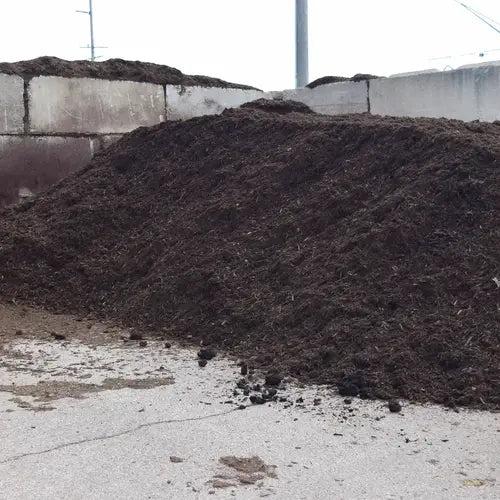
Double-shredded mulch dyed a rich, even brown that holds its color through the season.
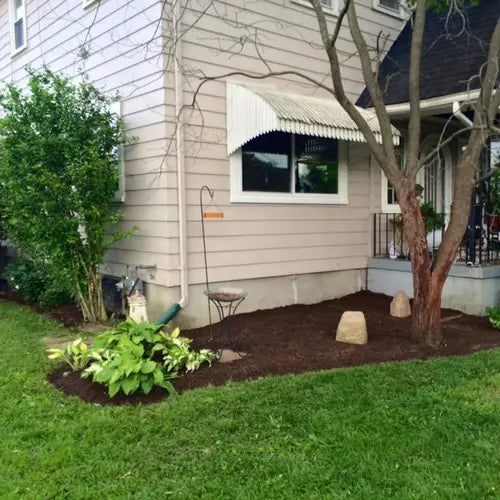
I am very happy with Mulch Mound service and with the triple shredded mulch. It looks great, and I would use them again.
Tell us what you're looking for
Thanks! We received your request.
Something went wrong. Please try again.
How Much Material Do I Need?
How Much Material Do I Need?
Plan on three inches of mulch for established beds and two inches for tight spaces around annuals and shallow rooted perennials. One cubic yard covers roughly 108 square feet at three inches.
Use our free mulch calculator
What is a yard?
What is a yard?
FAQs
FAQs
Fuquay-Varina Mulch Delivery
Fuquay-Varina Mulch Delivery
Regular price
$55.00
per
Yard
Regular price
Sale price
$55.00
Unit price
per
Shipping calculated at checkout.
Minimum of 3 Yard
Couldn't load pickup availability
Not currently available
We can't take orders for this right now. Tell us what you need and we'll get back to you.
Hand-picked local yards
4,000+ regional deliveries
Dedicated support
Why order through Mulch Mound
The best local , without the guesswork.
We hand-pick and partner with the best yards in your region, keep only the ones our buyers rate well, and back each load with our guarantee.
Mulch Mound Guarantee
If your isn't the quantity or quality you ordered, we'll make it right.
About this mulch
Double-shredded mulch dyed a rich, even brown that holds its color through the season.
I am very happy with Mulch Mound service and with the triple shredded mulch. It looks great, and I would use them again.
How Much Material Do I Need?
How Much Material Do I Need?
Plan on three inches of mulch for established beds and two inches for tight spaces around annuals and shallow rooted perennials. One cubic yard covers roughly 108 square feet at three inches.
Use our free mulch calculator
What is a yard?
What is a yard?
FAQs
FAQs
Tell us what you're looking for
Thanks! We received your request.
Something went wrong. Please try again.

How It Works
Getting started is easy — just follow these simple steps
1
Choose your Mulch
Make sure you adjust the quantity to your home's needs. You can use our calculator to estimate how much you'll need.
2
Select your delivery date
Select a delivery date you'd like for the product to be dropped off at your home
3
Sit back and wait
Sit back, wait, and let us work our magic to make sure the highest quality product is delivered to your driveway.

Mulch Mound is an excellent supplier. My online ordering process was quick and easy and they stuck to their delivery date. Highly recommend!

They are thorough and very helpful to ensure the proper selection and delivery coordination. The driver was kind, respectful and very conscience no...
Read full review
They are thorough and very helpful to ensure the proper selection and delivery coordination. The driver was kind, respectful and very conscience not to damage anything. will recommend Mulch Mound to anyone.
Calculate mulch for your Fuquay-Varina project
For Fuquay-Varina's type of soil, we recommend 2-3 inches for best weed suppression and moisture retention
Try Our CalculatorMeasure each bed as a simple rectangle or circle and round up, since curved Piedmont beds always eat more material than they look like they will. Multiply length by width for square footage, then divide by 108 for three inch coverage. Order about ten percent extra so you are not short on a Saturday afternoon.

Best Mulch Choice for Fuquay-Varina Lawns
Most yards in the Fuquay-Varina area sit on type of soil. Piedmont red clay is dense and slow draining, so plant beds in Fuquay-Varina tend to hold water at the root zone after storms and then bake into a hard crust once the sun returns. That swing between soggy and concrete hard is what kills more shrubs here than cold ever does.
Hardwood Mulch
Shredded hardwood is the best answer for this soil because it decomposes into fine organic matter that earthworms drag down into the clay, gradually opening pore space and improving drainage. It also mats together well, so it stays put on Fuquay-Varina's gentle Piedmont slopes during our heaviest rain.
Complete Your Outdoor Mulch Project
Pair your mulch with a few yards of compost enriched topsoil to loosen the clay underneath, and add steel or stone edging to keep everything from migrating downhill during our heavy summer rain.
Service area
Areas we deliver mulch in Fuquay-Varina, North Carolina
Mulch Mound Pro Tip
Before the first load hits the ground, spend an hour edging your beds with a spade cut four inches deep. Red clay holds a crisp trench shape far better than sandy soil does, so a hand cut edge in Fuquay-Varina can last an entire season. That trench also catches runoff during summer storms, keeping mulch inside the bed instead of floating across the lawn and into the street.
Mulch Mound Pro Tip
Do not pile mulch against trunks. Our warm, humid summers and mild Zone 8a winters mean bark stays damp almost year round, and a volcano of mulch around a young maple or crape myrtle invites rot and girdling roots. Pull mulch back three inches from any trunk and one inch from perennial crowns. You want a donut, never a cone.
Mulch Mound Pro Tip
Water the beds thoroughly before you spread, not just after. Dry red clay repels water and a fresh mulch layer on top makes it worse, so light rain never reaches the roots. Soak the soil until it is damp four inches down, then spread. From that point the mulch holds moisture in, and you can cut summer watering to about twice a week for established shrubs.
The Unique Landscape of Fuquay-Varina
Fuquay-Varina sits on heavy red Piedmont clay that bakes hard in July and turns to sticky paste after a summer thunderstorm. A layer of mulch is the buffer between that clay and the 47 inches of rain this town gets every year, absorbing raindrop impact so beds along Main Street and out toward Sunset Lake do not crust over or wash into the driveway. In Zone 8a the ground rarely freezes solid, so roots keep working through winter, and mulch holds that soil temperature steady from the October 28 first frost until things wake back up in early April. Through the humid stretch from June to September, mulch is also the only thing keeping clay from cracking around the crown of azaleas, hollies, and crape myrtles. Skip it, and you spend the season watering a surface that sheds water instead of taking it in.