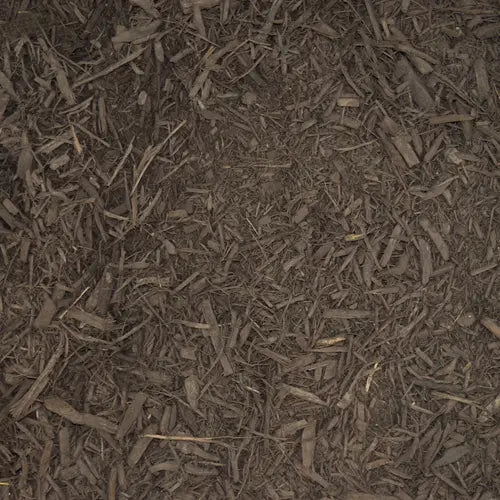
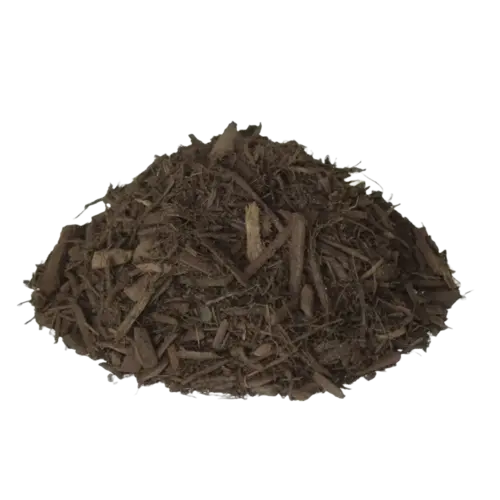
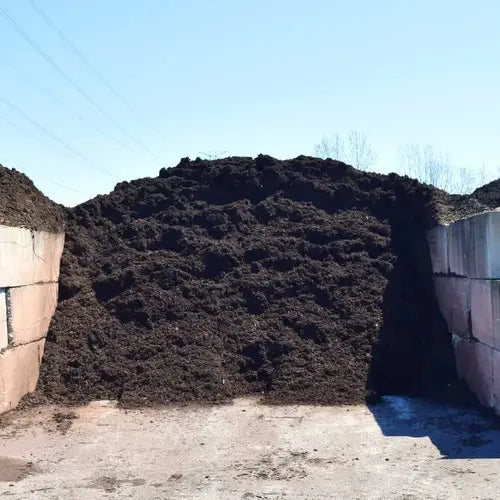
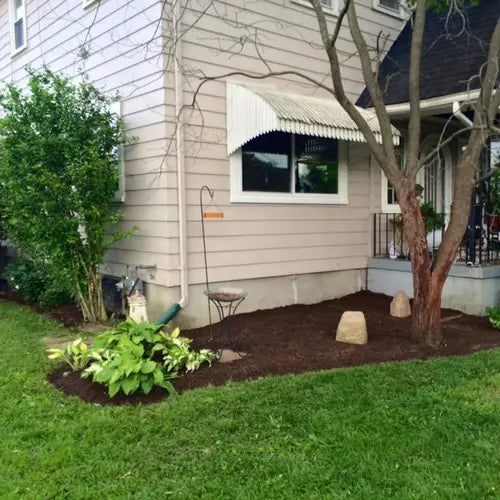
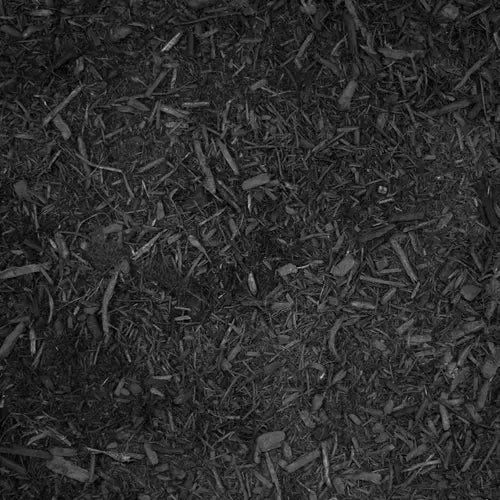
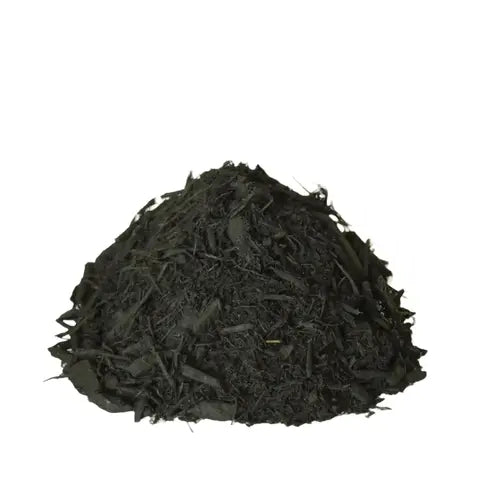
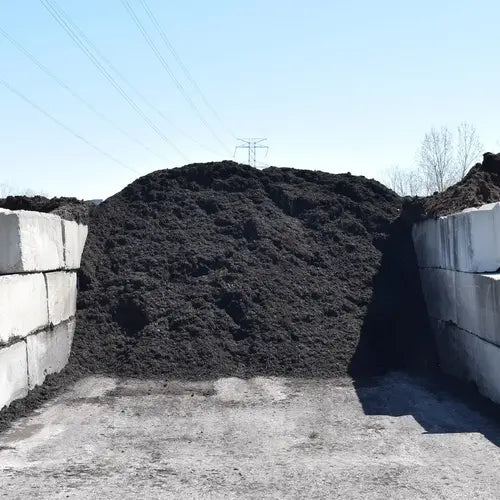
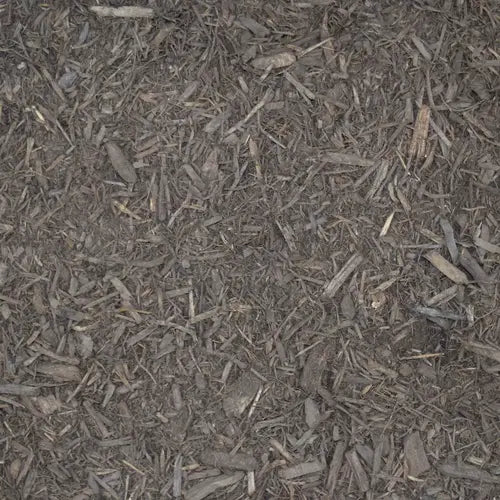
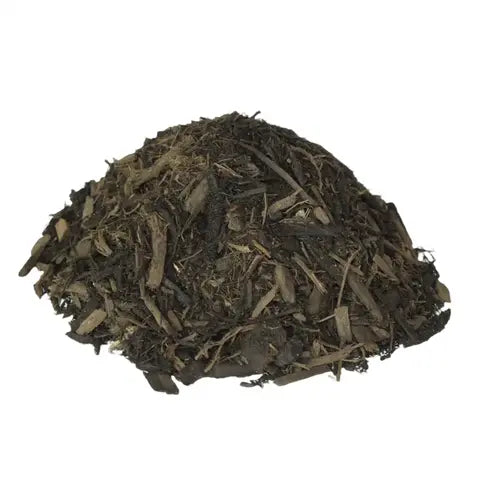
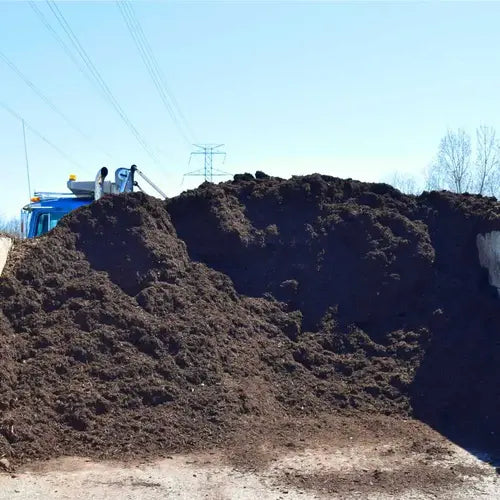
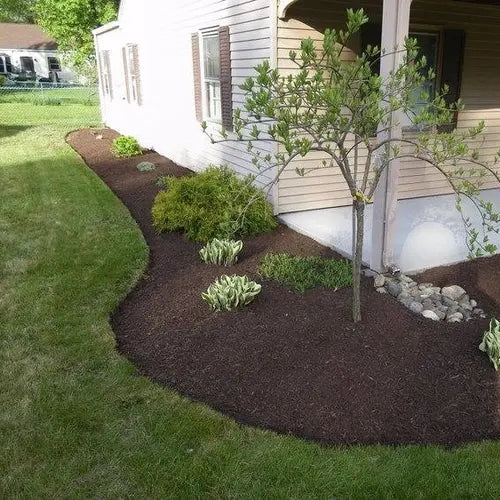
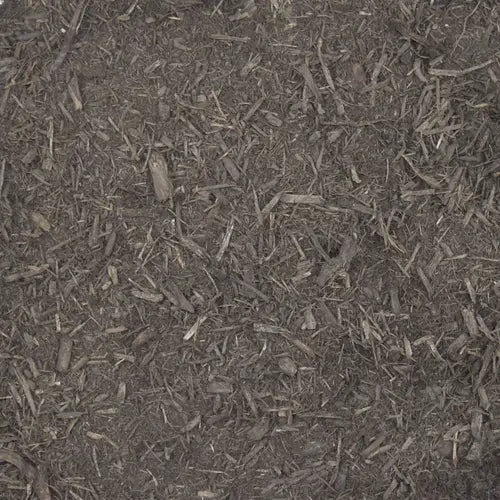
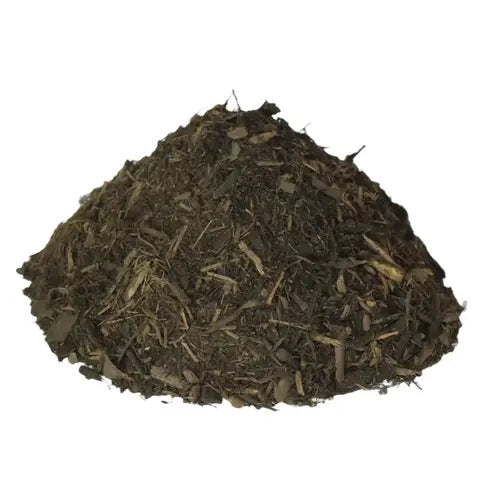
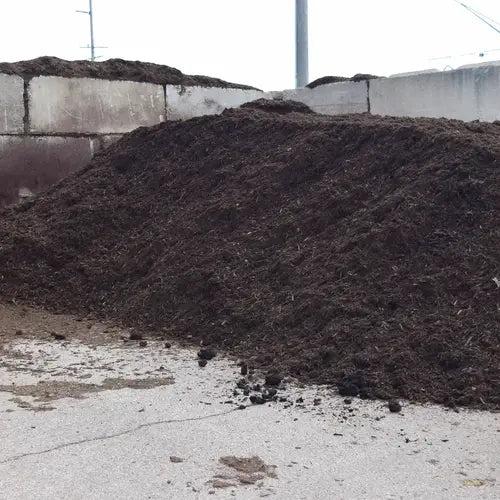
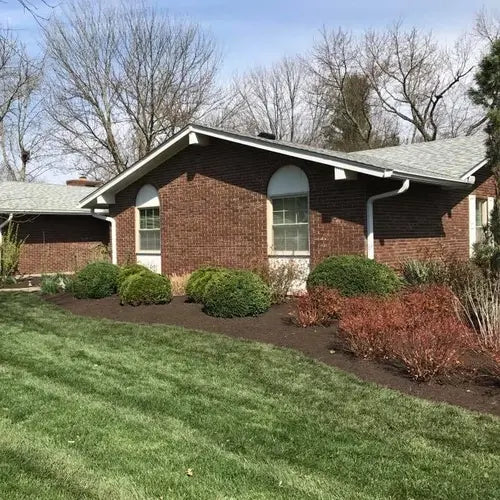
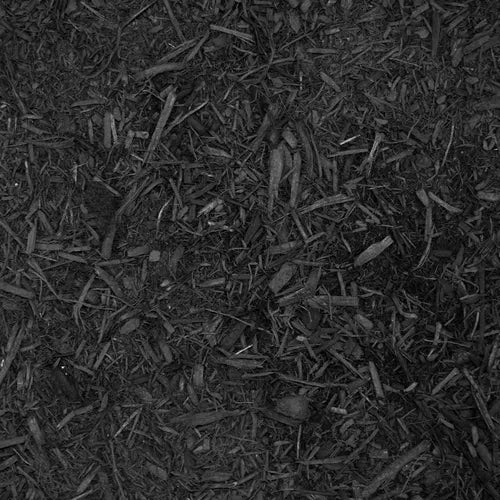
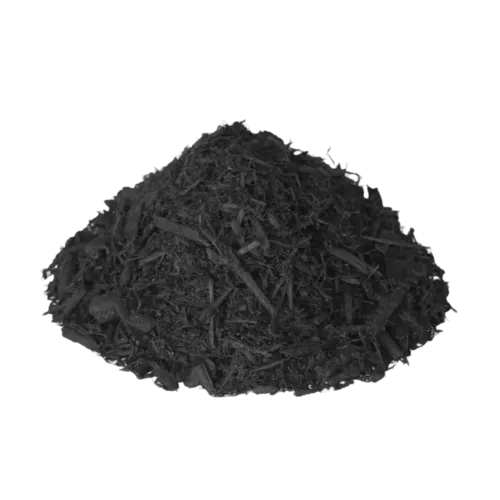
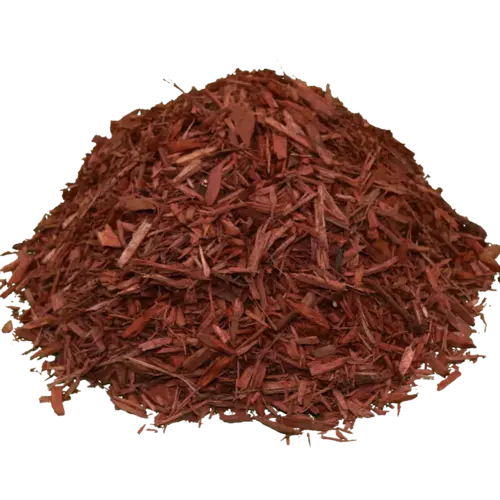
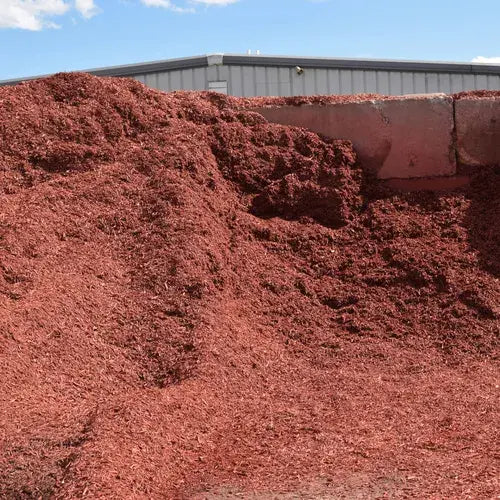
Warm brown double shredded mulch with lasting color that looks freshly applied for weeks. Spreads smooth, stays put, and gives beds a natural, polished appearance.
We had a great experience today. This was our first time using Mulch Mound, and I found the price competitive and the online ordering very easy. We are impressed with the quality of the mulch, too! It is covering well - a great value!
Tell us what you're looking for
Thanks! We received your request.
Something went wrong. Please try again.
How Much Material Do I Need?
For Gary's fast-draining sandy loam, apply mulch at a 3-inch depth to get meaningful moisture retention through the growing season. Shallower applications dry out too quickly between Gary's rain events to offer consistent protection for plant roots.
Use our free mulch calculator
What is a yard?
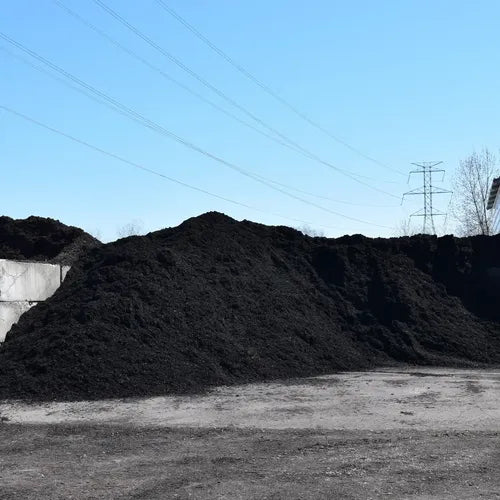
A yard is approximately 27 cubic feet. As a general guideline, one yard of material can cover an area of about 100-160 square feet at a 2-3 inch depth.
We can't take orders for this right now. Tell us what you need and we'll get back to you.
What do you need?
Thanks! We received your request.
Something went wrong. Please try again.
Hand-picked local yards
4,000+ regional deliveries
Dedicated support
Why order through Mulch Mound
The best local mulch, without the guesswork.
We hand-pick and partner with the best yards in your region, keep only the ones our buyers rate well, and back each load with our guarantee.
Mulch Mound Guarantee
If your mulch isn't the quantity or quality you ordered, we'll make it right.
About this mulch
Warm brown double shredded mulch with lasting color that looks freshly applied for weeks. Spreads smooth, stays put, and gives beds a natural, polished appearance.
We had a great experience today. This was our first time using Mulch Mound, and I found the price competitive and the online ordering very easy. We are impressed with the quality of the mulch, too! It is covering well - a great value!
How Much Material Do I Need?
For Gary's fast-draining sandy loam, apply mulch at a 3-inch depth to get meaningful moisture retention through the growing season. Shallower applications dry out too quickly between Gary's rain events to offer consistent protection for plant roots.
Use our free mulch calculator
What is a yard?
A yard is approximately 27 cubic feet. As a general guideline, one yard of material can cover an area of about 100-160 square feet at a 2-3 inch depth.
We had a great experience today. This was our first time using Mulch Mound, and I found the price competitive and the online ordering very easy. ...
Read full review
We had a great experience today. This was our first time using Mulch Mound, and I found the price competitive and the online ordering very easy. We are impressed with the quality of the mulch, too! It is covering well - a great value!
Great experience with mulch mound. Their online calculator made it easy to estimate how many yards of mulch I needed and delivery was quick. I woul...
Read full review
Great experience with mulch mound. Their online calculator made it easy to estimate how many yards of mulch I needed and delivery was quick. I would definitely recommend them for your future projects.
Measure the length and width of each bed in your Gary yard and multiply to get square footage. For Gary's sandy loam, plan for a 3-inch mulch depth, which means one cubic yard covers roughly 108 square feet. Beds along downspouts or areas that receive concentrated runoff from Gary's heavy rain events may benefit from a slightly thicker application to resist displacement.
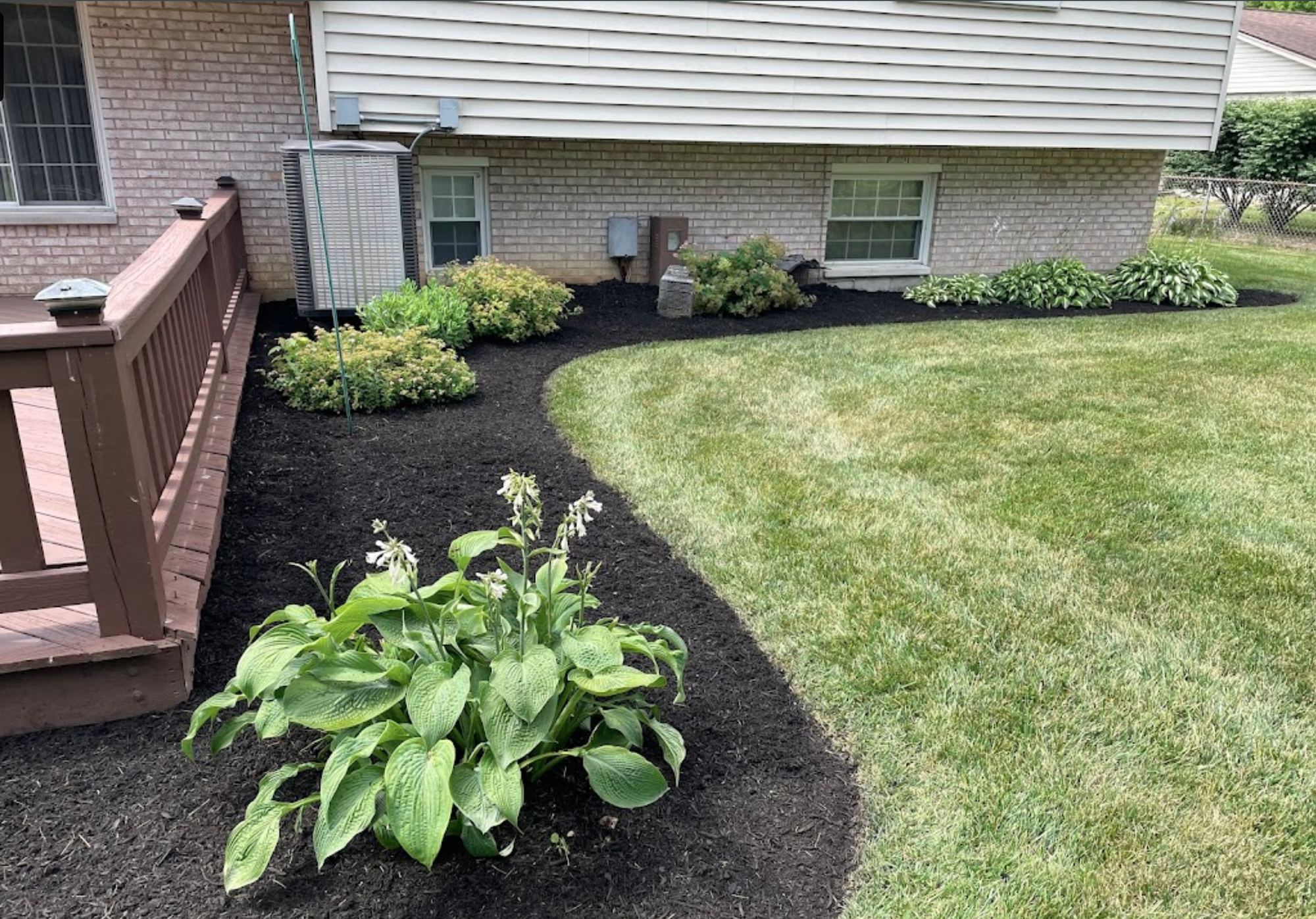
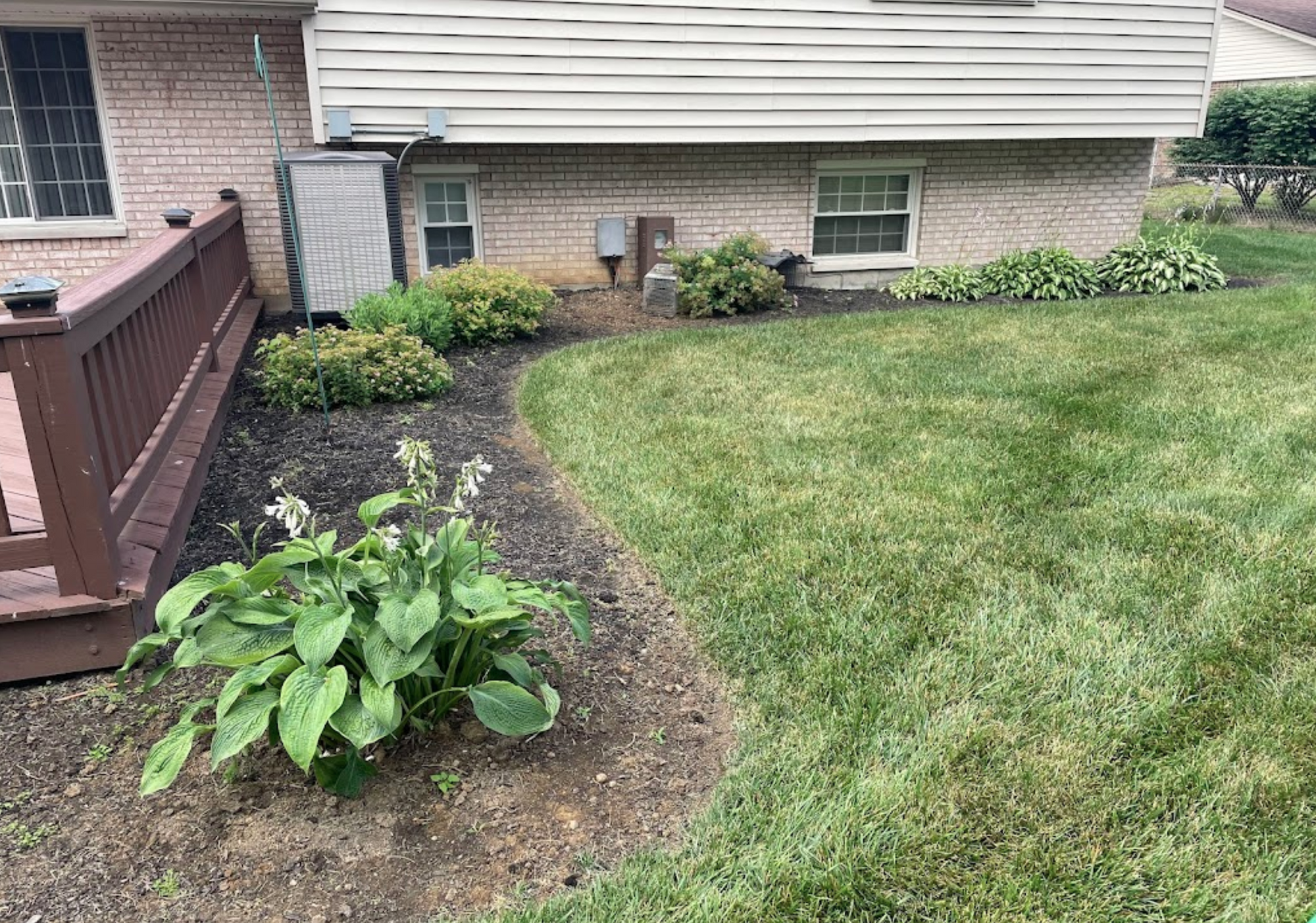
Mulch vs. No Mulch: The Difference
Gary's humid summers and active microbial environment in sandy loam soil mean natural mulches break down faster than they would in cooler or drier climates, enriching the soil with organic matter but requiring annual replenishment to maintain coverage. Dyed mulches use colorfast pigment that resists fading through Gary's wet springs and warm summers, making them the better choice when consistent curb appeal is the priority. For beds where you want to steadily build soil health, natural hardwood mulch earns its keep by continuously adding organic matter to Gary's naturally lean sandy loam with each passing season.
Before
After
Best Mulch Choice for Gary Lawns
Most yards in the Gary area sit on Sandy Loam type of soil. Gary's sandy loam soil is low in organic matter and lacks the water-holding capacity of heavier soils, leaving plant beds prone to drought stress even in a year with near-average rainfall.
Hardwood Mulch
Hardwood mulch is an ideal match for Gary's sandy loam because as it decomposes it contributes lignin-rich organic material that gradually binds sandy particles together, improving both moisture retention and the nutrient-holding capacity of beds over multiple growing seasons.
Mulch Types We Deliver in Gary
Homeowners and landscapers across the area trust Mulch Mound for bulk mulch delivery in Gary, from single bed refreshes to large property projects. We deliver by the cubic yard, unloaded right at your address. Northwest Indiana's humid summers and clay-heavy soils make a solid mulch layer essential for moisture retention and keeping beds looking their best.
Dyed Black Mulch
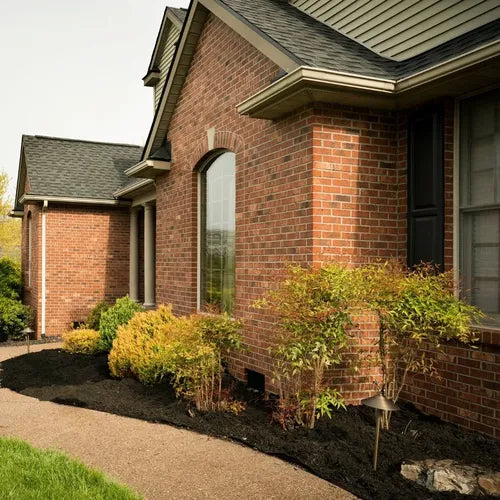
A bold choice for Gary landscapes, dyed black mulch creates sharp contrast against green plants and flowers. Available in double shredded or triple shredded, the rich color holds through Midwest sun and rain and spreads smoothly for a crisp, finished look that transforms beds instantly.
Dyed Brown Mulch
Dyed brown mulch suits homeowners who want a warm, polished look without overpowering their plantings. Available in double shredded or triple shredded, it spreads evenly, stays put through wind and rain, and holds its fresh color for weeks across beds of any size.
Natural Brown Mulch
Natural brown mulch delivers an honest, earthy tone straight from the wood with no dyes added. Available in double shredded or triple shredded, it suits yards where a subtle appearance fits the neighborhood style and breaks down gradually to enrich clay-heavy soil over time.
Dyed Red Mulch
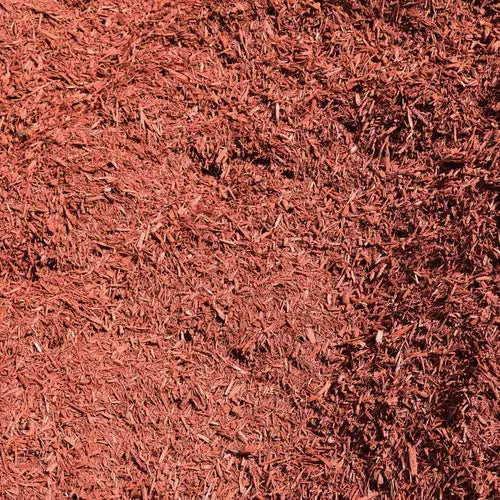
Dyed red mulch makes a strong visual statement, especially against the brick exteriors and green lawns common in this part of Indiana. Available in double shredded or triple shredded, the vibrant color holds its intensity through the growing season and keeps foundation plantings looking vivid.
Complete Your Outdoor Mulch Project
If your sandy loam beds need nutrient enrichment before mulching, consider building them up with bulk garden soil first to improve the growing medium before the May 17 planting window opens. Decorative stone works well alongside mulch in Gary landscapes for edging borders, creating dry creek beds that manage heavy rain runoff, and defining low-maintenance zones near foundations.
Gary's sandy loam soil benefits enormously from organic matter, and every year your hardwood mulch breaks down it deposits that organic matter directly into your beds. To accelerate this process, lightly till the decomposed layer from previous seasons into the top few inches of soil before adding fresh mulch each spring. Over three to four seasons you will notice your sandy loam becoming noticeably darker and more moisture-retentive, which reduces how often you need to water during Gary's dry summer stretches.
Mulch Mound Pro Tip
With Gary's first frost arriving around October 2, timing your fall mulch refresh matters more than most homeowners realize. Apply a fresh layer in mid to late September to insulate perennial root systems before the ground cools. This extra insulation is especially valuable in Zone 6a where sudden early frosts can catch plants that are still actively growing, giving roots a warmer buffer as they head into dormancy before the ground freezes.
Mulch Mound Pro Tip
Gary receives about 40 inches of rain annually, but much of it arrives in uneven bursts rather than steady light showers. Heavy rain events can displace lightweight shredded bark from sloped beds and wash fine particles into lawn areas. Using a heavier hardwood chip mulch rather than fine shredded material helps it stay in place during downpours, and installing a low edging border around beds gives the mulch layer an anchor point when the next heavy rain rolls in off the lake.
Frequently Asked Questions
Click a question to see the answer
Answer
How thick should I apply mulch given how fast Gary's sandy loam drains?
For Gary's sandy loam beds, aim for a 3-inch depth rather than the 2-inch minimum often recommended for heavier soils. Sandy loam releases moisture quickly, so the extra inch of mulch creates a meaningful buffer that slows evaporation between Gary's rain events. Keep mulch pulled back an inch or two from plant stems to allow air circulation and prevent rot.
Answer
Gary gets 40 inches of rain a year. Do I still need mulch to retain moisture?
Yes, and Gary's sandy loam is exactly why. The annual rainfall sounds substantial, but sandy loam allows water to move through the root zone quickly, especially during dry stretches in July and August when evaporation rates climb. Mulch dramatically slows surface moisture loss so your plants can actually use the water that falls rather than watching it filter past the root zone before roots can absorb it.
Answer
When should I put down fresh mulch in Gary with our late May 17 frost date?
The ideal window opens right after Gary's last frost, which typically falls around May 17. Applying mulch too early in spring can insulate cold soil and slow the warming your plants need to establish. Waiting until the soil has warmed after the last frost date lets your beds heat up naturally, then the mulch layer locks that warmth in for the rest of the growing season through early October.
Answer
Does mulch break down faster in Gary because of our humid Lake Michigan summers?
Gary's combination of moderate annual rainfall, humid summers influenced by Lake Michigan proximity, and Zone 6a temperatures does accelerate the decomposition of natural wood mulches compared to drier or colder climates. Expect natural hardwood mulch to break down noticeably within one full season, which is actually a benefit for sandy loam because the decomposing organic matter helps build soil structure over time. Plan to top off beds every spring.
Answer
Can I just add new mulch on top of the old layer in my Gary beds?
In most Gary yards, you can top off existing mulch rather than removing it, as long as the layer has not compacted into a mat that blocks water penetration. Sandy loam already drains well, so light compaction is less of a concern than it would be on clay-heavy soils. If the existing layer has broken down significantly and is blending into the soil, that is actually good for your sandy loam and you can add fresh mulch right on top.
Answer
Which mulch color holds up best through Gary's fall and winter weather?
Dyed mulches hold color better through Gary's freeze-thaw cycles compared to natural mulches, which fade as organic matter breaks down. Gary's first frost arrives around October 2, and the color of natural mulch tends to gray out by late fall. If curb appeal through the dormant season matters to you, a dyed black or brown mulch will stay looking fresh much longer. Natural mulches trade color longevity for soil-building benefits as they decompose into Gary's lean sandy loam.
Answer
My Gary yard has relentless weed pressure in the sandy beds. Will mulch actually control it?
Mulch is one of the most effective weed controls available for Gary's sandy loam beds. Sandy soil does not naturally compete well with weeds because it is loose and easy for roots to penetrate. A 3-inch mulch layer blocks light from reaching weed seeds and creates a physical barrier that most annual weeds cannot push through. For persistent perennial weeds, lay a permeable landscape fabric beneath the mulch layer before applying for added suppression.
The Unique Landscape of Gary
Gary's sandy loam soil is naturally fast-draining, which means plant beds can lose moisture quickly between storms even with the area's 40 inches of annual rainfall. Mulch creates an insulating layer that slows surface evaporation and keeps roots hydrated during the stretches of dry weather that settle over northwest Indiana in summer. With the last frost landing as late as May 17 and the first fall frost arriving as early as October 2, Gary gardeners have a compressed growing season where protecting soil temperature from both ends matters. Lake-effect precipitation events can drop significant rain in a short period, and bare sandy loam beds are vulnerable to surface runoff and erosion during those bursts. A consistent mulch layer also moderates soil temperature swings, which are more pronounced at Gary's 607-foot elevation where cold air can settle quickly in the first days of October.