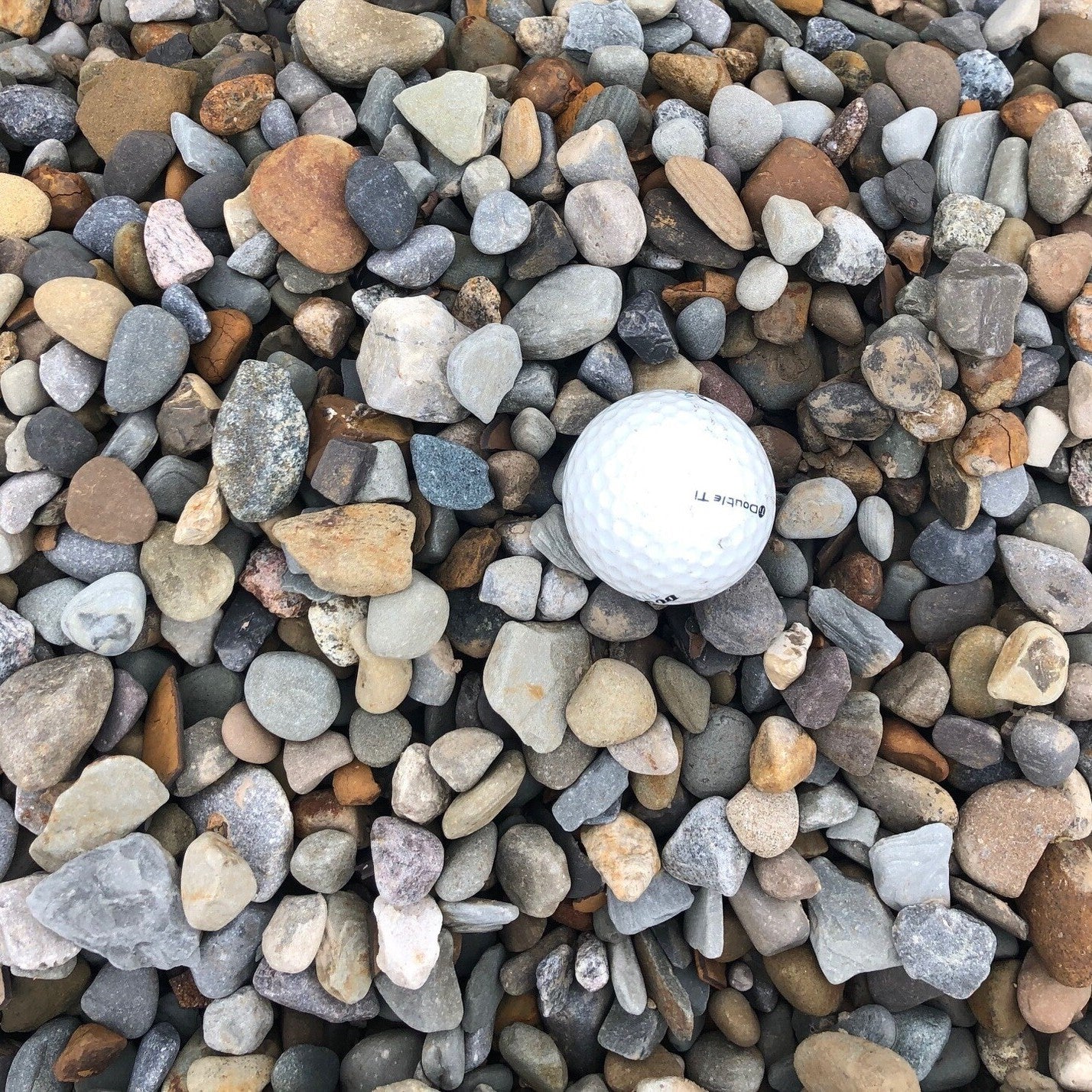
Number 57 crushed stone, angular limestone graded to about three quarters of an inch. The standard driveway, base and drainage gravel, it locks together under traffic and drains fast.
I contacted Mulch Mound for #57 river rocks and it was easy and fast to get a delivery right before the holiday weekend. Stone was delivered as promised and place exactly where I asked. Excellent service! I will be ordering mulch next!
Tell us what you're looking for
Thanks! We received your request.
Something went wrong. Please try again.
How Much Material Do I Need?
For decorative borders and low-maintenance ground cover areas in Gary, a 2 to 3 inch depth of stone over landscape fabric provides solid coverage and effective weed suppression. For drainage applications like dry creek beds, plan for 4 to 6 inches of stone to handle the runoff volume Gary's heavier rain events generate.
Use our free gravel calculator
What is a yard?
A yard is approximately 27 cubic feet. As a general guideline, one yard of material can cover an area of about 100-160 square feet at a 2-3 inch depth.
We can't take orders for this right now. Tell us what you need and we'll get back to you.
What do you need?
Thanks! We received your request.
Something went wrong. Please try again.
Hand-picked local yards
4,000+ regional deliveries
Dedicated support
Why order through Mulch Mound
The best local stone, without the guesswork.
We hand-pick and partner with the best yards in your region, keep only the ones our buyers rate well, and back each load with our guarantee.
Mulch Mound Guarantee
If your stone isn't the quantity or quality you ordered, we'll make it right.
About this stone
Number 57 crushed stone, angular limestone graded to about three quarters of an inch. The standard driveway, base and drainage gravel, it locks together under traffic and drains fast.
I contacted Mulch Mound for #57 river rocks and it was easy and fast to get a delivery right before the holiday weekend. Stone was delivered as promised and place exactly where I asked. Excellent service! I will be ordering mulch next!
How Much Material Do I Need?
For decorative borders and low-maintenance ground cover areas in Gary, a 2 to 3 inch depth of stone over landscape fabric provides solid coverage and effective weed suppression. For drainage applications like dry creek beds, plan for 4 to 6 inches of stone to handle the runoff volume Gary's heavier rain events generate.
Use our free gravel calculator
What is a yard?
A yard is approximately 27 cubic feet. As a general guideline, one yard of material can cover an area of about 100-160 square feet at a 2-3 inch depth.
I contacted Mulch Mound for #57 river rocks and it was easy and fast to get a delivery right before the holiday weekend. Stone was delivered as pro...
Read full review
I contacted Mulch Mound for #57 river rocks and it was easy and fast to get a delivery right before the holiday weekend. Stone was delivered as promised and place exactly where I asked. Excellent service! I will be ordering mulch next!
To estimate stone needs for your Gary project, measure your coverage area in square feet and decide on depth. One cubic yard covers roughly 100 square feet at a 3-inch depth. For dry creek beds and drainage features in Gary, measure the length and average width of the channel and plan for a 4 to 6 inch depth to handle the volume of water that moves through during the heavy rain events that hit northwest Indiana.
Stone Types We Deliver in Gary
Searching for bulk gravel by the yard in Gary is easy when you order direct from a local supplier who knows northwest Indiana landscapes. We deliver stone by the cubic yard to homes and job sites throughout the area, with flexible scheduling and a crew you can count on. Our materials arrive sized and ready to place, well suited to the heavy clay soils and variable seasonal weather common across this part of the state.
Pea Gravel
Pea gravel is a popular choice for Gary landscapes, where its smooth rounded stones handle seasonal freezing and thawing with ease. Natural earth tones complement the brick and stone home styles common to northwest Indiana. It performs well as a pathway surface, patio filler, or drainage layer around downspouts and garden beds.
Complete Your Outdoor Stone Project
Stone borders pair naturally with bulk mulch in Gary landscapes, with stone handling edging and drainage zones while mulch covers active planting beds and helps sandy loam retain moisture between rain events. Adding quality topsoil before setting stone in new garden or border areas ensures a stable, level base that resists the settling that Gary's wet spring seasons can cause in loose sandy loam.
Gary's sandy loam can shift and settle under stone pathways and borders, especially after the wet spring season that follows winter freeze-thaw cycles. Before laying decorative stone in any high-traffic area, compact a 2-inch base layer of crushed limestone into the sandy loam to create a stable platform. This extra step adds an hour to your project but prevents years of uneven settling, tripping hazards, and the frustration of resetting stones that have sunk or tilted after a wet season.
Mulch Mound Pro Tip
Stone naturally absorbs heat during Gary's sunny summer days and releases it slowly at night, creating a slightly warmer microclimate around foundation borders and south-facing beds. In Gary's Zone 6a, where the growing season is bookended by frost dates on both ends, this thermal mass effect can give borderline-hardy perennials a few extra degrees of protection as temperatures drop toward the October 2 first frost. Position heat-sensitive plants near stone borders to take advantage of this warmth reservoir heading into fall.
Mulch Mound Pro Tip
Gary's 40 inches of annual rainfall means surface water management is a real concern, especially on properties with any slope or grade change. A well-placed dry creek bed filled with river rock does more than look attractive, it actively redirects water away from foundations and low spots during heavy downpours. Plan your dry creek beds to follow the natural low line of your yard and make sure the outlet point drains toward the street or a rain garden rather than pooling against your house foundation or along your neighbor's property line.
The Unique Landscape of Gary
Gary's combination of sandy loam soil and 40 inches of annual rainfall creates surface drainage challenges that decorative and functional stone is well-suited to address. Sandy loam can erode and shift under heavy rain, and stone pathways, borders, and dry creek beds stabilize vulnerable areas while keeping the landscape looking intentional and finished. Low-maintenance stone installations are a practical choice for Gary homeowners dealing with the area's unpredictable late spring weather and the limited planting window created by a May 17 last frost. Stone does not decompose, fade significantly, or require seasonal replacement the way organic mulch does, making it a lasting investment for foundation borders, walkways, and accent zones that need to look good year-round. In Gary's Zone 6a climate, stone also absorbs and radiates heat, which creates slightly warmer microclimates near foundations and south-facing beds that can extend the effective growing season at both ends.
Frequently Asked Questions
Click a question to see the answer
Answer
What size stone works best for a walkway or garden path in a Gary yard?
For walkways in Gary, a compacted crushed limestone or pea gravel in the quarter-inch to half-inch range gives a firm, walkable surface that sheds water efficiently. Pea gravel is forgiving underfoot and handles Gary's freeze-thaw cycles well because individual stones shift slightly rather than cracking under frost heave pressure. For a more stable surface, crushed stone compacted over a sand base handles Gary's occasional heavy rain events without washing out into adjacent lawn areas.
Answer
My Gary yard collects standing water after heavy rain. Can stone help manage that?
Stone is one of the most effective tools for managing surface drainage in Gary yards. A dry creek bed filled with river rock or larger decorative stone channels water from low spots toward the street or a proper outlet during heavy rain events. Lining a shallow swale with stone prevents the sandy loam along the edges from eroding while keeping the drainage feature functional and visually attractive through all four seasons.
Answer
Will decorative stone sink or shift in Gary's sandy loam over time?
Sandy loam does allow stone to settle somewhat over time, especially in high-traffic areas or after periods of sustained heavy rain. For pathways and borders in Gary, installing a compacted crushed stone base beneath your decorative layer adds stability and reduces settling. Edging borders are less prone to sinking because they sit in a static location, but even there a tamped base layer will keep your stone looking level through Gary's wet spring seasons.
Answer
How much stone do I need to border my foundation here in Gary?
For a typical foundation border in Gary, a 2 to 3 inch depth of decorative stone over a width of 12 to 18 inches around the perimeter is a practical starting point. One cubic yard of stone covers about 100 square feet at a 3-inch depth. Foundation borders in Gary do double duty by improving drainage away from the structure and keeping soil moisture away from siding and brick, which helps prevent water intrusion during Gary's wetter spring months.
Answer
I want a low-maintenance area in my Gary yard that I do not have to replant or remulch. Is stone the right choice?
Stone is an excellent low-maintenance option for Gary homeowners who want to reduce mowing, mulching, and replanting in certain areas. Unlike mulch, stone does not break down or need annual replenishment, and it suppresses weeds effectively when installed over a layer of permeable landscape fabric. In Gary's climate, stone areas stay attractive through the full dormant season from October through May without any upkeep, which is a real advantage given the region's long winters.
Answer
How does decorative stone hold up through Gary's Zone 6a winters and freeze-thaw cycles?
Stone is one of the most winter-durable landscaping materials available and performs very well through Gary's Zone 6a freeze-thaw cycles. Unlike organic materials that break down with moisture and temperature swings, stone is essentially unaffected by Gary's cold winters. Smaller loose stone like pea gravel can migrate slightly from frost heave over several seasons, but larger cobbles, boulders, and flagstone installations remain stable and require no winter preparation or spring repair.
Answer
Can stone help control erosion on a sloped area of my Gary property?
Stone is one of the best erosion control options for Gary's sandy loam slopes. Sandy loam is particularly vulnerable to erosion because the loose particles displace easily under rainfall impact. Laying a layer of larger river rock or angular rip-rap along a slope absorbs the energy of falling rain and prevents the surface soil from moving downhill. For steeper grades, combining stone with deep-rooted ground cover plants gives you immediate erosion control from the stone and long-term stabilization as plant roots anchor the soil.