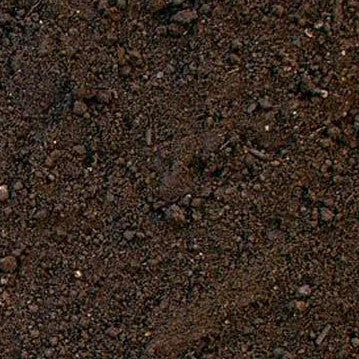
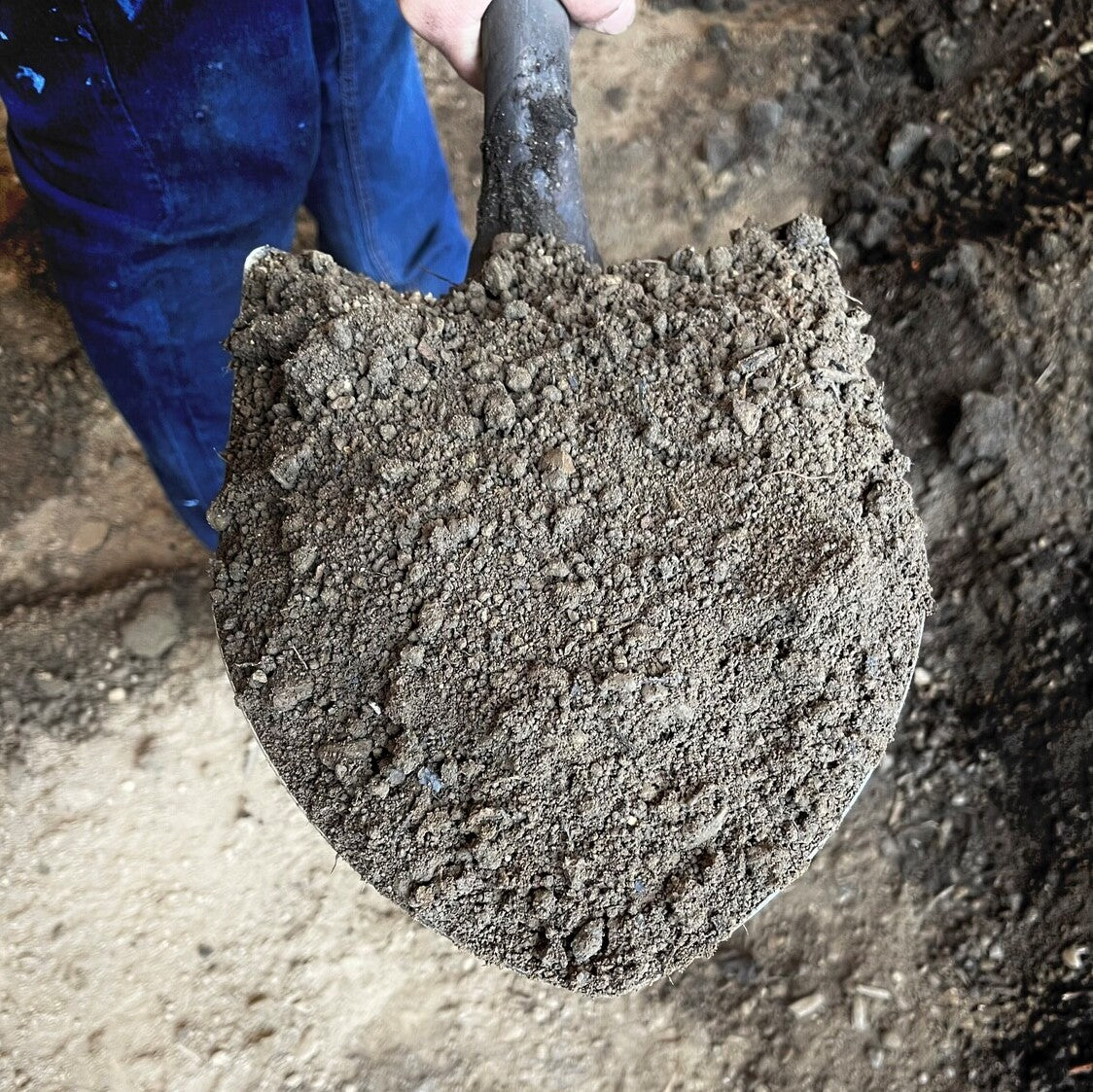
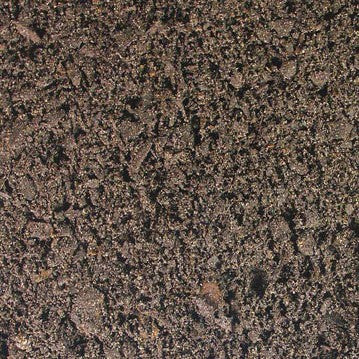
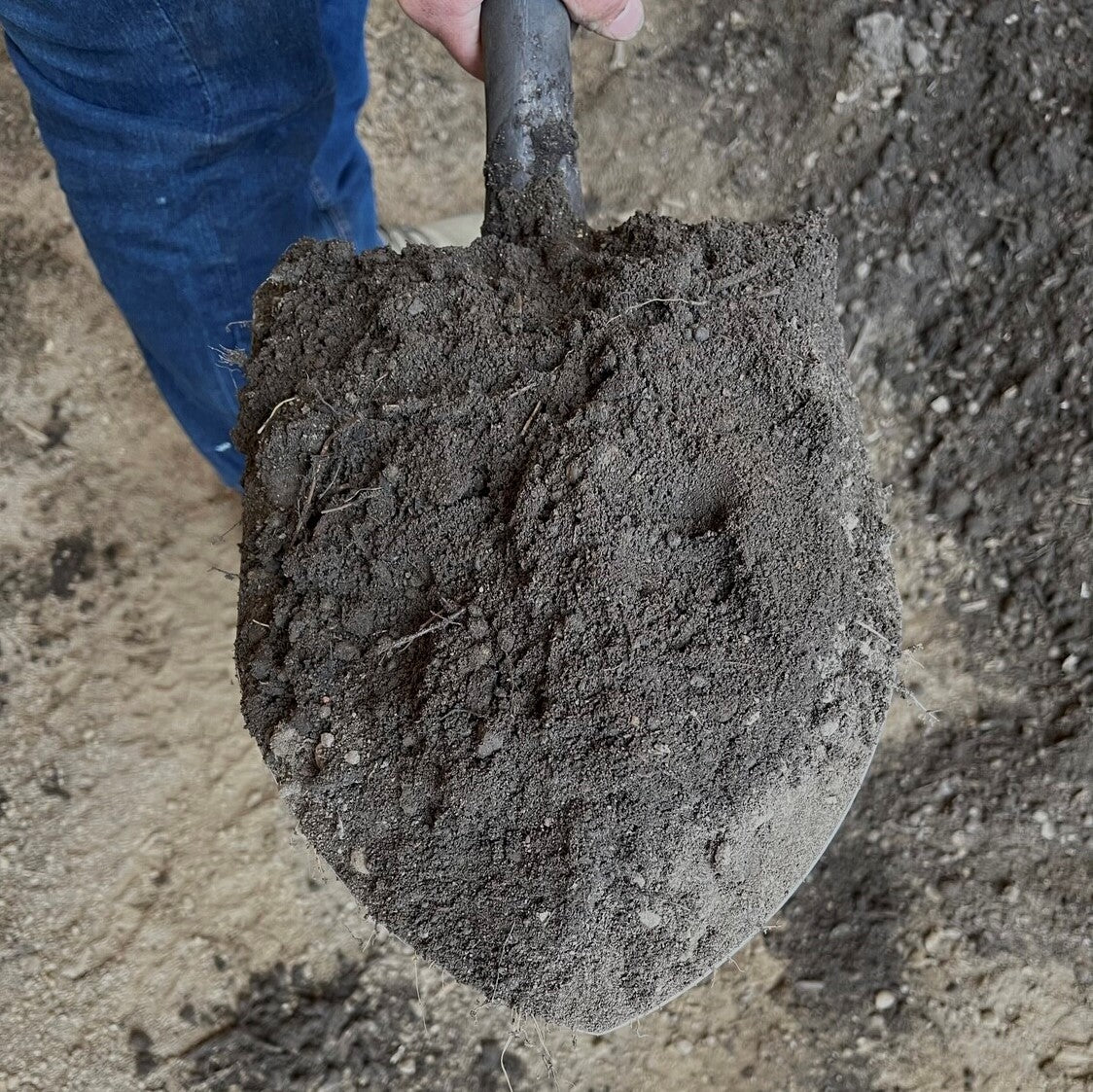
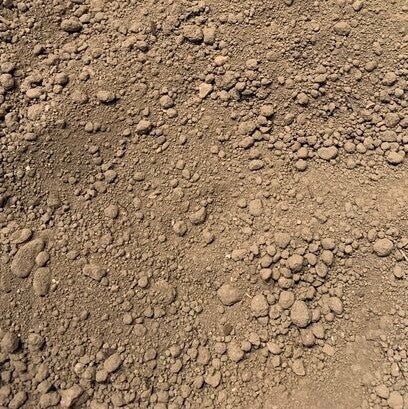
Quality topsoil for lawns, gardens, and landscape projects. Nutrient rich and ready to support strong root development and healthy plant establishment.
Ordered the planting mix with an early Saturday delivery. Super easy ordering experience. Dirt was delivered on time and delivery driver was kind enough to let us know I would take up more room than we though so we could pull cars out of the garage. Will be ordering again
Tell us what you're looking for
Thanks! We received your request.
Something went wrong. Please try again.
How Much Material Do I Need?
For raised beds or new planting areas in Gary, plan for 4 to 6 inches of quality soil to give roots a proper growing depth above the existing sandy loam. For lawn leveling or overseeding prep, a half-inch to one-inch topdressing is typically sufficient for filling low spots without smothering existing turf.
Use our free soil calculator
What is a yard?
A yard is approximately 27 cubic feet. As a general guideline, one yard of material can cover an area of about 100-160 square feet at a 2-3 inch depth.
We can't take orders for this right now. Tell us what you need and we'll get back to you.
What do you need?
Thanks! We received your request.
Something went wrong. Please try again.
Hand-picked local yards
4,000+ regional deliveries
Dedicated support
Why order through Mulch Mound
The best local soil, without the guesswork.
We hand-pick and partner with the best yards in your region, keep only the ones our buyers rate well, and back each load with our guarantee.
Mulch Mound Guarantee
If your soil isn't the quantity or quality you ordered, we'll make it right.
About this soil
Quality topsoil for lawns, gardens, and landscape projects. Nutrient rich and ready to support strong root development and healthy plant establishment.
Ordered the planting mix with an early Saturday delivery. Super easy ordering experience. Dirt was delivered on time and delivery driver was kind enough to let us know I would take up more room than we though so we could pull cars out of the garage. Will be ordering again
How Much Material Do I Need?
For raised beds or new planting areas in Gary, plan for 4 to 6 inches of quality soil to give roots a proper growing depth above the existing sandy loam. For lawn leveling or overseeding prep, a half-inch to one-inch topdressing is typically sufficient for filling low spots without smothering existing turf.
Use our free soil calculator
What is a yard?
A yard is approximately 27 cubic feet. As a general guideline, one yard of material can cover an area of about 100-160 square feet at a 2-3 inch depth.
Ordered the planting mix with an early Saturday delivery. Super easy ordering experience. Dirt was delivered on time and delivery driver was kind e...
Read full review
Ordered the planting mix with an early Saturday delivery. Super easy ordering experience. Dirt was delivered on time and delivery driver was kind enough to let us know I would take up more room than we though so we could pull cars out of the garage. Will be ordering again
Measure the square footage of your project area and decide on the depth of soil you need before placing your order. For Gary lawn leveling, one cubic yard at a one-inch depth covers about 300 square feet. For new planting beds in Gary where you want 4 to 6 inches of new growing medium above the existing sandy loam, one cubic yard covers roughly 50 to 75 square feet depending on your target depth.
Soil Types We Deliver in Gary
Whether you are prepping a new lawn or refreshing a garden bed, Mulch Mound delivers bulk soil by the cubic yard in Gary and the surrounding area. Our loads arrive ready to spread, saving you the trips that bagged product requires. From screened topsoil to rich compost blends, we carry what northwest Indiana yards actually need.
Top Soil
Our topsoil comes in screened and unscreened styles. Screened topsoil has a fine, consistent texture that works well for sod prep, new lawns, and raised beds throughout Gary's residential yards. Unscreened is a better fit for fill work or projects where a premium finish is less of a priority.
Garden Compost
Rich, finished compost that improves soil structure wherever northwest Indiana's heavy clay tends to compact and drain poorly. Mix it into vegetable beds, flower borders, or any planting area to add organic matter, hold moisture through dry summer stretches, and encourage the microbial activity that feeds plant roots over time.
Gardening Blend
A balanced mix of topsoil and organic amendments ready for raised beds, new flower gardens, and fresh planting areas. It drains well, holds good nutrients for early plant growth, and is easy to work by hand or with basic tools, making it a practical starting point for yards that need fresh ground.
Complete Your Outdoor Soil Project
After grading and filling with soil, finish your beds with a layer of bulk mulch to protect Gary's sandy loam from drying out between the area's 40 annual inches of unevenly distributed rainfall. Decorative stone can be used alongside soil work to create edging borders or manage surface drainage in areas that receive concentrated runoff from rooflines and slopes.
What type of soil should I use to improve the sandy loam in my Gary yard?
For Gary's sandy loam, a loamy topsoil blended with compost is the most effective amendment you can add. Sandy loam already has decent structure and drainage but lacks organic matter and nutrient-holding capacity. A compost-enriched topsoil layered into existing beds or used as a topdressing for lawns introduces the organic content Gary's native soil is missing, improving moisture retention without creating the drainage problems you would get from a heavy clay-based fill.
Answer
How much soil do I need to level the low spots in my Gary lawn?
For minor lawn leveling in Gary, a topdressing of half an inch to one inch is usually enough to fill small depressions. One cubic yard of soil covers about 300 square feet at a one-inch depth. For larger low spots that collect standing water after Gary's heavier rain events, you may need to excavate slightly and refill with a couple of inches of quality topsoil before reseeding with a grass variety suited to Zone 6a.
Answer
Can I use bulk topsoil to fill raised vegetable garden beds in Gary?
Bulk topsoil is a great base for raised beds in Gary, especially when blended with compost at roughly a 60 to 40 ratio. Raised beds sidestep the limitations of Gary's sandy loam entirely and let you control drainage, pH, and fertility. With Gary's last frost landing around May 17, you can have raised beds filled, settled, and ready for warm-season transplants right at the ideal planting window without waiting on native soil to warm and dry.
Answer
When is the best time of year to do soil work in my Gary yard?
Early spring before planting is the prime time for garden bed soil preparation in Gary. For lawn leveling, late summer into early September works well because the soil stays workable and grass has enough time to establish before Gary's first frost around October 2. Avoid major soil work during frozen ground in winter or during the heaviest spring thaw when saturated sandy loam is prone to compaction if worked too aggressively.
Answer
Will adding bulk topsoil make drainage worse in my already fast-draining Gary yard?
Adding a compost-rich topsoil will actually improve the balance of Gary's sandy loam rather than create drainage problems. Sandy loam drains too fast, and organic-rich topsoil slows water movement slightly while still preventing saturation. The situation to avoid is adding heavy clay-based fill, which can create a perched layer that traps water above the draining sandy base. Choosing a loamy or compost-enriched blend keeps your Gary yard well-drained and more moisture-retentive at the same time.
Answer
How do I prepare a brand new planting bed in Gary's sandy soil?
Start by loosening the existing sandy loam to a depth of about 8 inches, then layer 4 to 6 inches of quality topsoil or garden blend on top and work it into the native soil. Gary's sandy loam mixes easily with added soil because it is not compacted or clay-heavy. After incorporating the new soil, let the bed settle for a week before planting if your timeline allows, then mulch immediately to lock in moisture before the first dry stretch of Gary's growing season arrives.
Answer
Is it worth amending my Gary yard's existing soil or should I just bring in fresh topsoil?
For most Gary homeowners, the best approach combines both strategies. Bringing in fresh topsoil to raise bed levels and then tilling it into the existing sandy loam gives you the depth and organic matter you need without hauling away workable native soil. Fully replacing native soil is expensive and unnecessary since Gary's sandy loam has good drainage and manageable structure. Adding quality topsoil and consistent annual mulching will transform your beds noticeably over two to three seasons.
Mulch Mound Pro Tip
Gary's growing season runs from roughly May 17 to October 2, giving you about 137 frost-free days to work with. Completing soil work in early to mid May lets new beds and lawn repairs settle before planting season fully opens. Recently placed soil that has not yet settled can cause uneven germination and poor transplant establishment, so giving your project area a week or two to firm up before the last frost passes is time well spent.
Mulch Mound Pro Tip
When filling raised beds in Gary, layer your materials rather than mixing everything together at once. Start with a few inches of coarser topsoil at the bottom for drainage, then add a richer compost-blended layer at the top where feeder roots will spend most of their time. This layered approach works especially well in Gary's Zone 6a climate because the top layer warms faster in spring, giving seeds and transplants a quicker start after the May 17 frost date clears.
Mulch Mound Pro Tip
Sandy loam in Gary compacts less than clay but holds nutrients loosely, meaning fertilizers and organic matter can leach downward with each significant rain event. Topdressing your lawn and beds with a thin layer of quality soil or compost each fall helps replenish what Gary's 40 inches of annual rain gradually moves through the root zone. This annual habit is the single most effective long-term investment for building a genuinely productive and resilient Gary landscape over time.
The Unique Landscape of Gary
Gary's native sandy loam soil is workable and well-drained but thin on organic matter, which limits its ability to support dense plantings, productive vegetable gardens, and lush lawns without amendment. The soil's fast drainage is a double-edged characteristic, preventing waterlogging in wet years but causing nutrients to flush out quickly and dry spells to hit plant roots harder than they would in richer soil. Bulk topsoil and garden soil allow Gary homeowners to build up beds, level low spots that collect water after heavy rain events, and create a growing medium with real depth and fertility. With a growing season that runs from the May 17 last frost to the October 2 first frost, getting soil conditions right before planting makes that compressed window dramatically more productive. Raised beds filled with quality soil are especially practical in Gary because they let gardeners sidestep the native soil's limitations entirely and control drainage, pH, and nutrient density from the ground up.