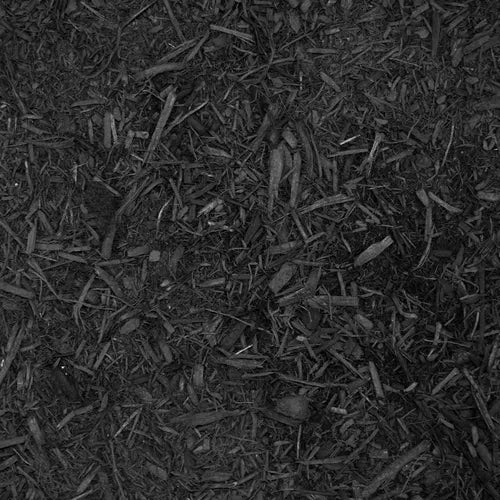
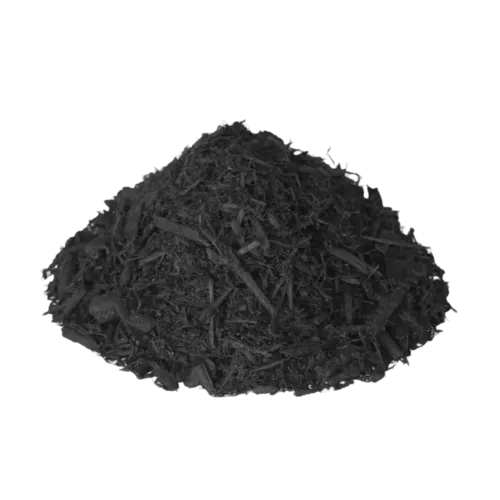
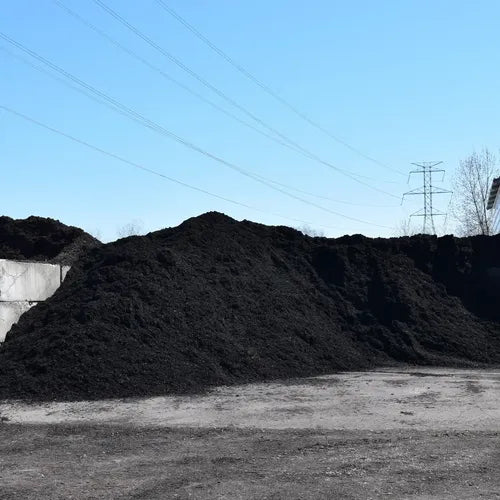
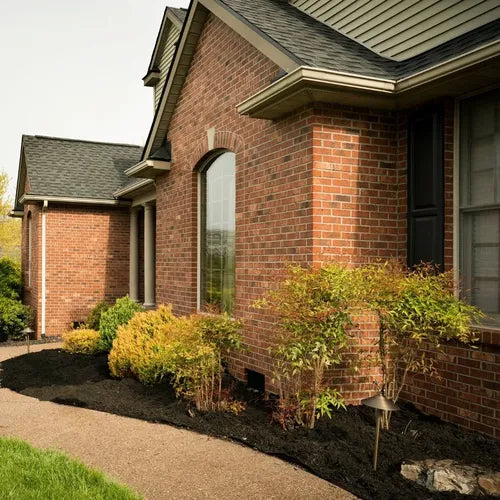
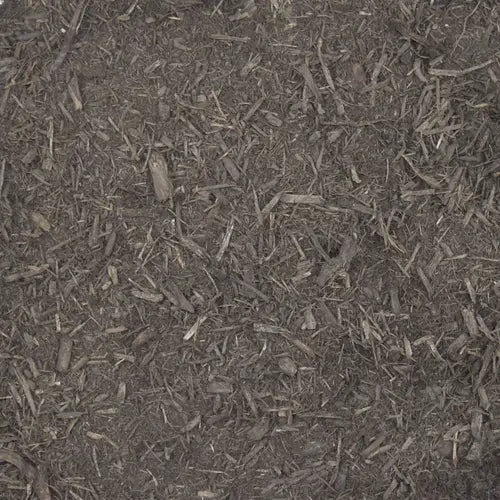
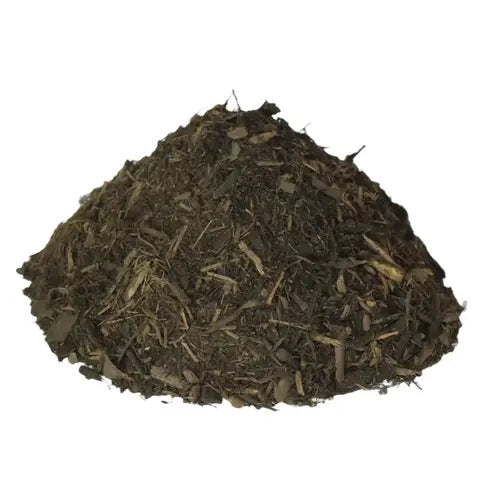
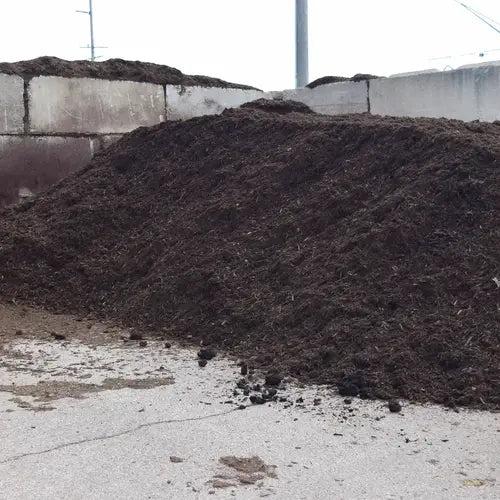
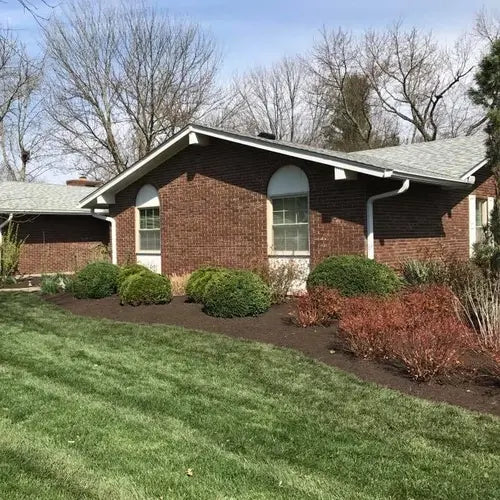
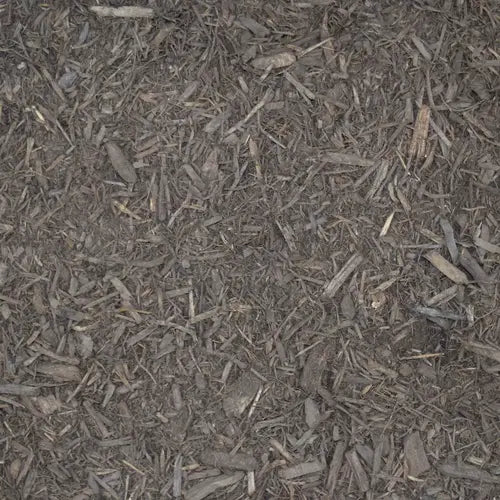
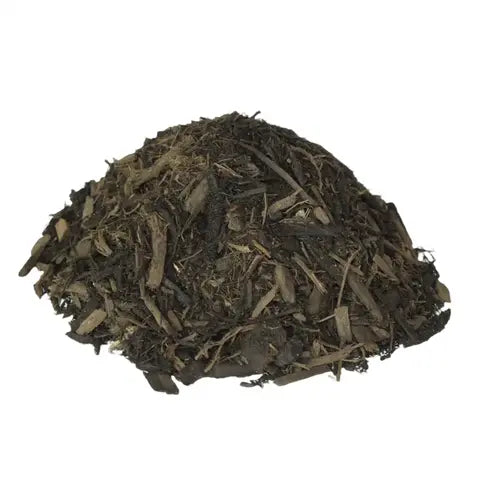
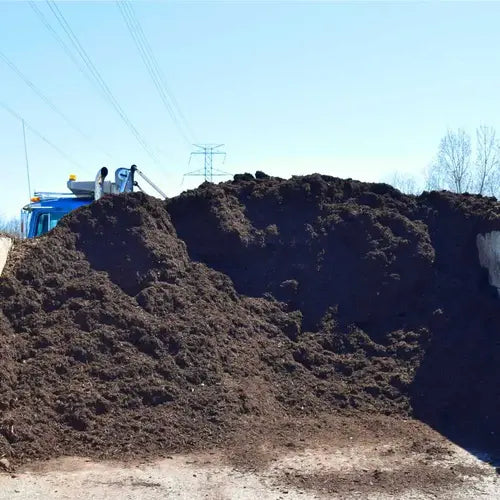
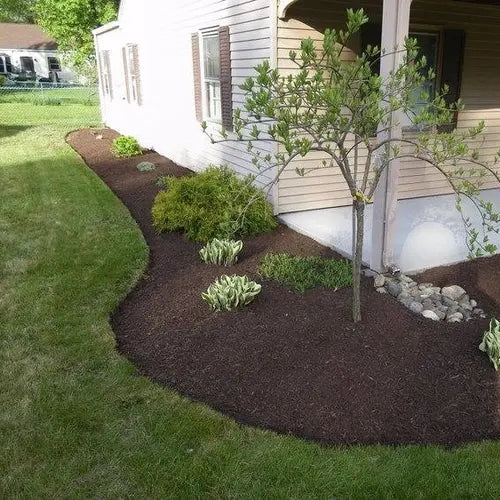
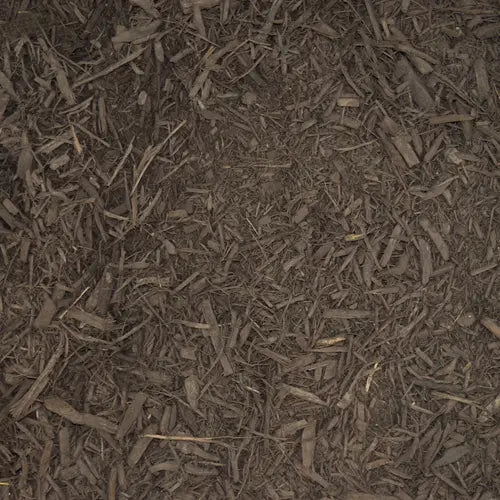
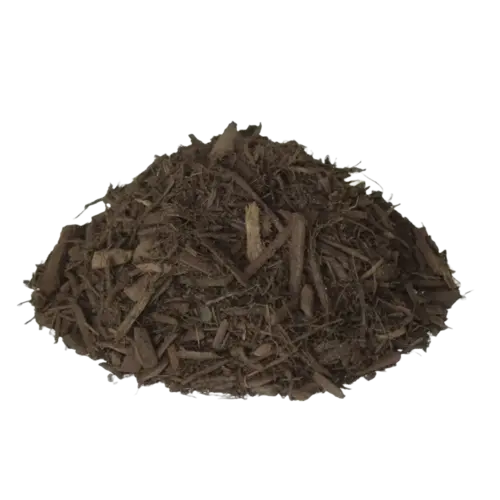
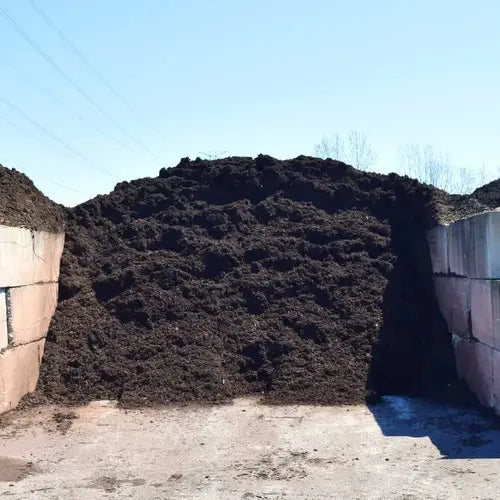
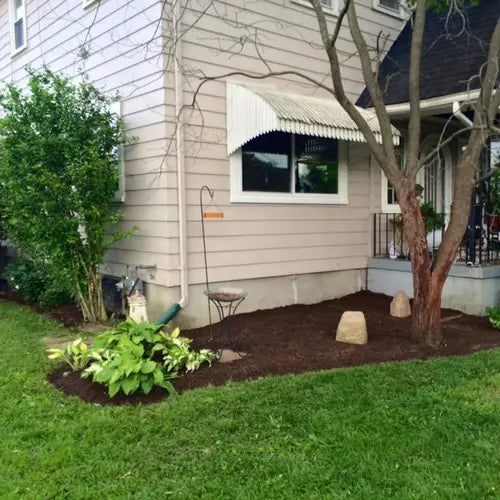
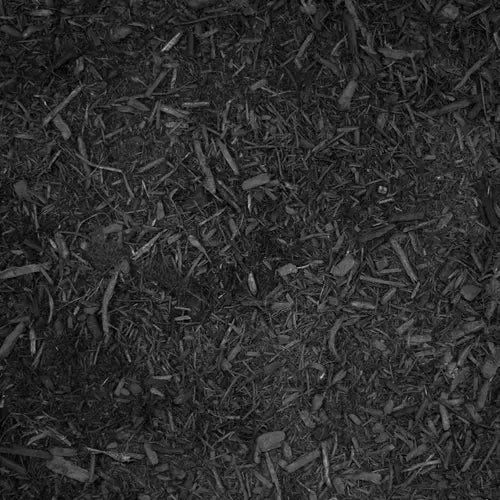
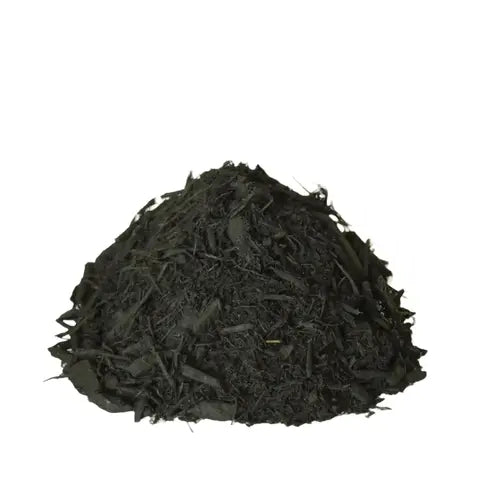
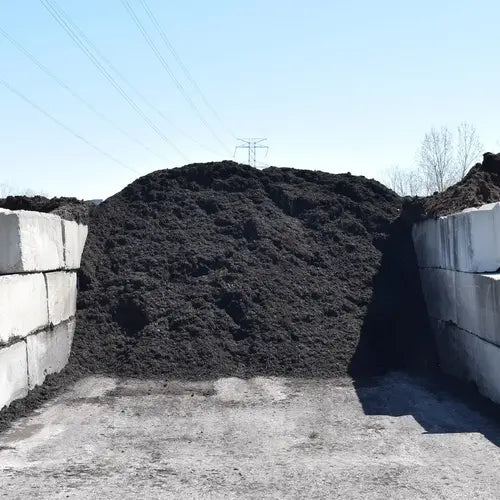
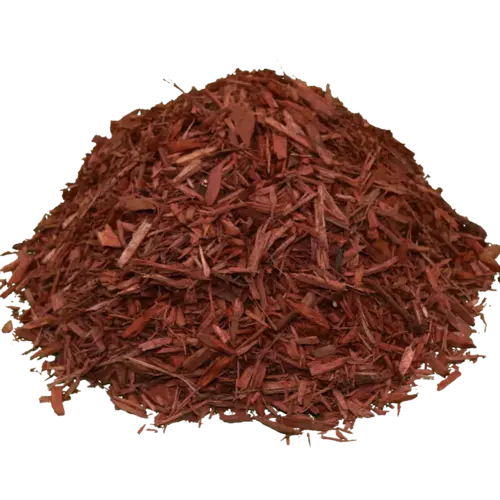
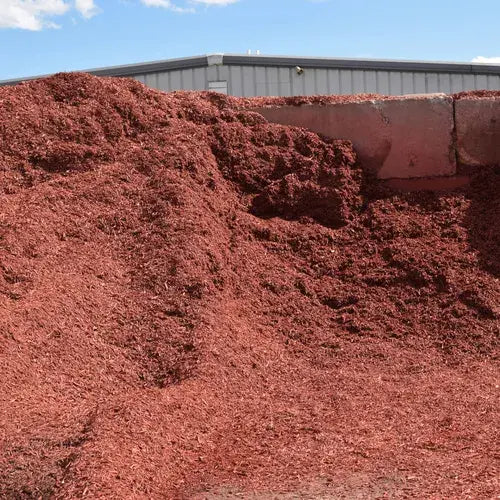
Bold black double shredded mulch that transforms beds instantly. The rich color holds strong through sun and rain, and the smooth texture spreads effortlessly.
They offered a quick turnaround and delivered high quality mulch at a reasonable price. They also dropped it off exactly where I told them to put it. Good service!
Tell us what you're looking for
Thanks! We received your request.
Something went wrong. Please try again.
How Much Material Do I Need?
Plan for a 3-inch depth over most Gastonia planting beds — the red clay soil here benefits from the extra layer to regulate temperature and moisture through both the humid summer and the variable winter months. For slopes or areas prone to heavy runoff, bump that to 3.5 inches and choose a fibrous shredded material rather than a loose chip.
Use our free mulch calculator
What is a yard?
A yard is approximately 27 cubic feet. As a general guideline, one yard of material can cover an area of about 10 feet by 10 feet at a few inches deep.
We can't take orders for this right now. Tell us what you need and we'll get back to you.
What do you need?
Thanks! We received your request.
Something went wrong. Please try again.
Hand-picked local yards
4,000+ regional deliveries
Dedicated support
Why order through Mulch Mound
The best local mulch, without the guesswork.
We hand-pick and partner with the best yards in your region, keep only the ones our buyers rate well, and back each load with our guarantee.
Mulch Mound Guarantee
If your mulch isn't the quantity or quality you ordered, we'll make it right.
About this mulch
Bold black double shredded mulch that transforms beds instantly. The rich color holds strong through sun and rain, and the smooth texture spreads effortlessly.
They offered a quick turnaround and delivered high quality mulch at a reasonable price. They also dropped it off exactly where I told them to put it. Good service!
How Much Material Do I Need?
Plan for a 3-inch depth over most Gastonia planting beds — the red clay soil here benefits from the extra layer to regulate temperature and moisture through both the humid summer and the variable winter months. For slopes or areas prone to heavy runoff, bump that to 3.5 inches and choose a fibrous shredded material rather than a loose chip.
Use our free mulch calculator
What is a yard?
A yard is approximately 27 cubic feet. As a general guideline, one yard of material can cover an area of about 10 feet by 10 feet at a few inches deep.
They offered a quick turnaround and delivered high quality mulch at a reasonable price. They also dropped it off exactly where I told them to put i...
Read full review
They offered a quick turnaround and delivered high quality mulch at a reasonable price. They also dropped it off exactly where I told them to put it. Good service!
Great experience! Easy to order, they delivered promptly and were very respectful of the property! Ordered the triple shredded brown mulch and it w...
Read full review
Great experience! Easy to order, they delivered promptly and were very respectful of the property! Ordered the triple shredded brown mulch and it was EXACTLY what I wanted. Very clean product too, no garbage or filler. Already put these guys in my calendar to order from next year! Keep up the good work.
Measure the length and width of each bed in feet, then multiply together to get square footage — for irregular shapes, break them into rough rectangles and add the totals. Gastonia beds typically need a full 3-inch depth rather than the 2-inch minimum you'll see in some generic guides, because the red clay underneath benefits from the extra organic insulation. Divide your total square footage by 108 to get the cubic yards needed at a 3-inch depth.
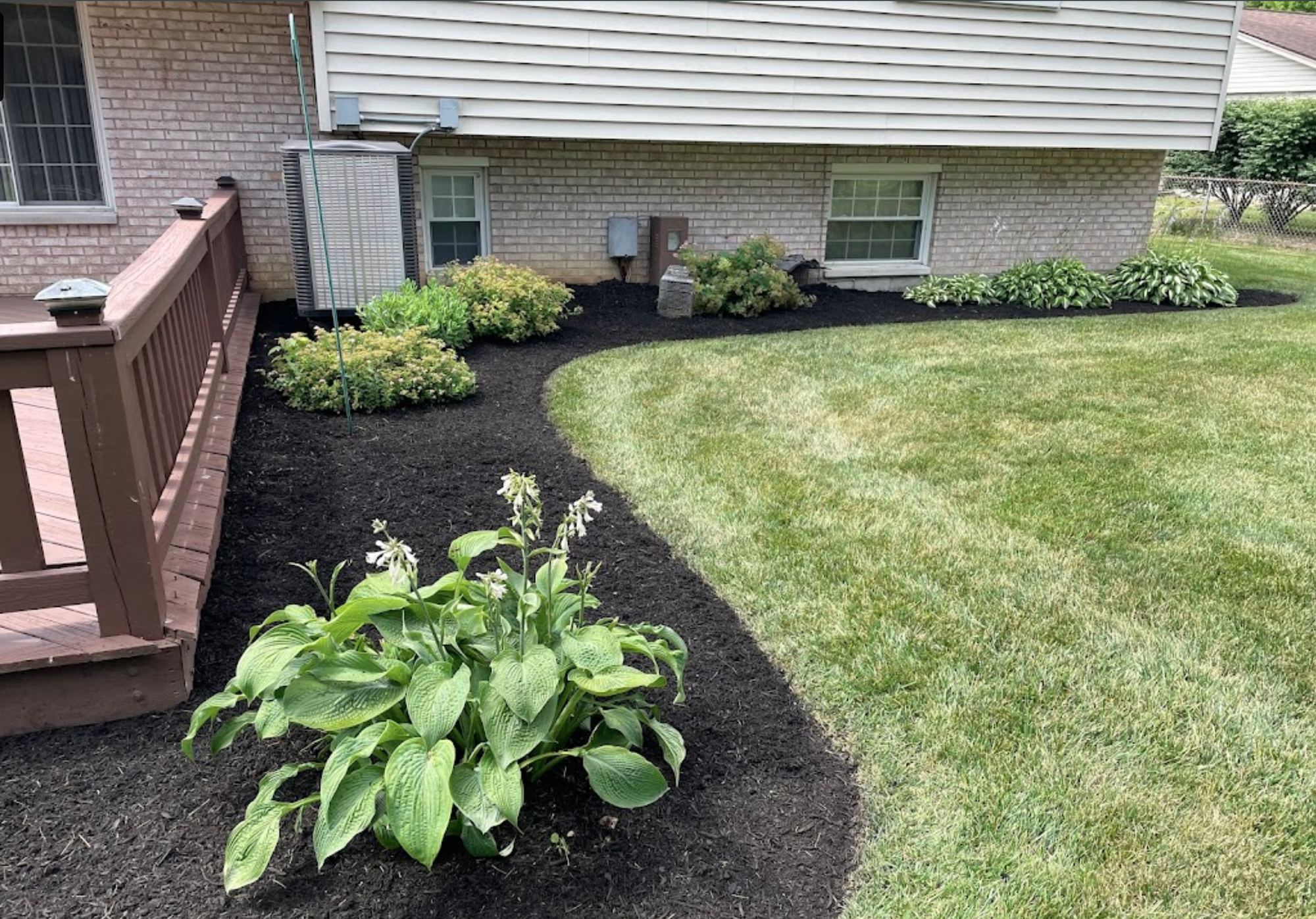
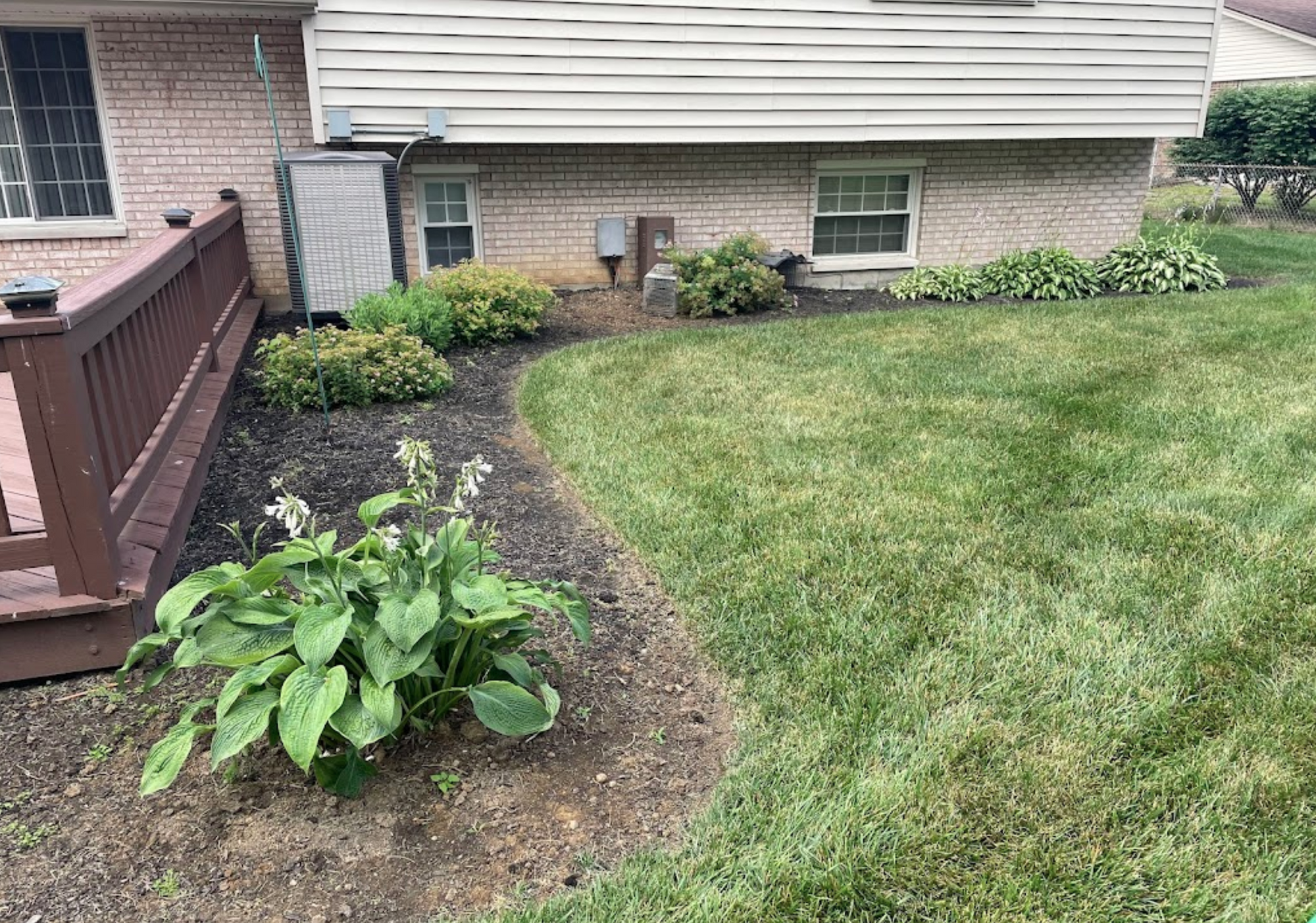
Mulch vs. No Mulch: The Difference
Gastonia's Zone 8a climate means long, warm summers with real humidity and occasional summer droughts — conditions that accelerate the breakdown of natural mulches faster than in cooler climates, so you'll typically see hardwood mulch decompose noticeably within a single season. Dyed mulches use colorfast pigments over a wood base and break down at a similar rate, but the color gives them a longer window of visual freshness before the typical gray weathering sets in. For homeowners who prioritize soil improvement over aesthetics, natural mulches win because their decomposition is what slowly adds organic matter to Gastonia's famously poor red clay.
Before
After
Best Mulch Choice for Gastonia Lawns
Most yards in the Gastonia area sit on Red Clay type of soil. Red clay soil in the Gastonia area is dense, poorly aerated, and typically low in organic matter — it holds nutrients but doesn't release them easily to plant roots, and it compacts under foot traffic and rain impact to the point where even established plants struggle to expand their root systems.
Hardwood Mulch
Hardwood mulch is particularly well-matched to Gastonia's red clay because as it decomposes, it introduces lignin-rich organic material that physically loosens clay particles over time, improving drainage and aeration in the top few inches of soil where feeder roots live — a benefit that bagged wood chips or synthetic mulch alternatives simply can't provide.
Mulch Types We Deliver in Gastonia
Mulch Mound handles bulk mulch delivery in Gastonia by the cubic yard, bringing fresh material right to your driveway. The warm summers and clay soils in this part of North Carolina make a good layer of mulch essential for holding moisture and insulating roots through the heat. We carry dyed and natural varieties to suit the traditional and newer home styles common throughout the area.
Dyed Black Mulch
Bold and striking, dyed black double shredded mulch gives landscape beds a sharp contrast against green plants and light stone. The rich color holds through summer heat and heavy afternoon rain, making it a favorite for homeowners who want a polished look that stays strong all season.
Dyed Brown Mulch
Warm with a rich earthy tone, dyed brown double shredded mulch is a top pick for traditional home landscapes throughout the Piedmont. The color holds for weeks after delivery and the smooth texture spreads easily across wide beds and gentle slopes, giving yards a clean, finished appearance.
Natural Brown Mulch
Natural brown mulch is available in double shredded or triple shredded, so you can choose the texture that suits your project. The triple shredded cut is exceptionally smooth and ideal for ornamental beds, while both styles come with no dyes and warm earthy tones that age well through the seasons.
Cedar Mulch
Cedar double shredded mulch suits homeowners dealing with insects and moisture in the humid summers of this region. The natural oils repel pests, resist decay, and give off a pleasant aroma that keeps beds feeling fresh long after delivery.
Complete Your Outdoor Mulch Project
If your beds are struggling because the clay underneath is too compacted to support healthy roots, pairing mulch with a top-dress of garden soil or a soil amendment blend will accelerate results dramatically. Many Gastonia homeowners also add a clean stone border around their mulched beds to define edges and prevent the mulch from migrating onto hardscapes during heavy rain.
Pull mulch back 2 to 3 inches from the base of shrubs and tree trunks before you spread. Gastonia's humid summers create ideal conditions for fungal issues, and mulch piled directly against bark — especially on azaleas, hollies, and dogwoods that are common here — holds moisture long enough to encourage rot and disease. A small donut gap around each plant costs nothing and protects your investment all season long.
Mulch Mound Pro Tip
Time your mulch application to coincide with a rain forecast, not after a dry spell. When Gastonia's red clay dries out in summer, it can become hydrophobic — water beads off rather than soaking in. Spreading mulch onto already-moist soil after a light rain helps trap that moisture before the next hot stretch arrives, giving your mulch the best possible start at doing its job of conserving soil water.
Mulch Mound Pro Tip
Gastonia receives about 44 inches of rain annually, which sounds like plenty — but it often comes in bursts followed by weeks of dry weather rather than steady, gentle precipitation. Mulch acts as a buffer for both extremes: it slows runoff during downpours that would otherwise sheet off compacted red clay, and it dramatically reduces evaporation during the dry stretches in between. This makes mulch less of a cosmetic choice and more of a functional water management tool for this specific climate.
Frequently Asked Questions
Click a question to see the answer
Answer
How thick should I apply mulch over Gastonia's red clay soil?
Aim for 3 inches over established beds. Red clay compacts easily and sheds water when it's dry, so a thinner layer won't do enough to moderate soil temperature or slow evaporation during Gastonia's hot summers. That said, don't pile it on thicker than 4 inches — overly deep mulch can trap too much moisture against plant crowns and encourage crown rot, especially during the humid stretches we see in July and August.
Answer
When's the best time of year to mulch in Gastonia?
The two best windows are early spring — right after our last frost around April 15 — and late fall after the first frost hits around November 6. Spring mulching conserves moisture heading into the dry summer months and suppresses the flush of warm-season weeds that explode once soil temps rise. Fall mulching insulates roots through the winter and gives any organic mulch a head start on breaking down into the clay before spring planting season.
Answer
Will mulch actually make a difference if I have bad red clay soil underneath?
Yes — more than almost anywhere else. Red clay in the Gastonia area is notoriously low in organic matter and drains poorly, which means plant roots are often fighting compaction and oxygen deprivation at the same time. As organic mulches like hardwood or shredded wood break down over one to two seasons, they slowly introduce organic matter into the top layer of that clay, improving its structure over time. It's not a one-season fix, but consistent mulching year after year genuinely transforms the workability of your soil.
Answer
Does dyed mulch hold its color well in Gastonia's sun and rain?
Dyed mulch performs reasonably well here, but Gastonia's combination of intense summer UV and 44 inches of annual rainfall does accelerate fading compared to drier climates. Expect vibrant color for about one full season — typically late spring through early fall — before it starts to gray. If color retention is a priority, plan to refresh your dyed mulch each spring. Natural hardwood mulch fades to a silver-gray over the same period but blends naturally into most landscape settings.
Answer
How do I keep mulch from washing down my slope during heavy rain?
Gastonia's red clay slopes are notorious for runoff because the soil doesn't absorb water quickly, especially when it's dry and crusted. For sloped areas, choose a coarser mulch with longer fibers — shredded hardwood knits together better than fine or chipped mulch and resists displacement during heavy rainfall. Applying it slightly thicker at 3.5 to 4 inches and considering a thin border of stone or edging at the downhill edge will significantly reduce washout during our more intense summer storms.
Answer
Should I remove old mulch before adding a fresh layer?
In most Gastonia yards, you don't need to strip old mulch every season. If your existing layer is less than 2 inches deep and has largely broken down, simply top it off to bring it back to 3 inches. If you've got a thick, matted layer that's compacted and water-resistant, it's worth raking it loose or removing a portion — compacted mulch can actually repel Gastonia's rainfall rather than letting it reach the clay below, which defeats the whole purpose.
Answer
How much mulch do I need for a typical Gastonia front bed?
A standard front foundation bed in a Gastonia neighborhood — roughly 4 feet deep and 40 feet wide — covers about 160 square feet. At 3 inches deep, that's just under half a cubic yard. Most homeowners order 1 to 2 cubic yards to cover both front and side beds and have a little extra for spots that settle. Our calculator on this page will give you a precise number once you enter your bed dimensions.
The Unique Landscape of Gastonia
Gastonia's heavy red clay soil creates a frustrating cycle for homeowners — it bakes rock-hard in summer heat, repels water during dry spells, and then suffocates plant roots when it stays waterlogged after a downpour. With 44 inches of rain spread unevenly across the year and summer temperatures regularly pushing into the 90s, plant beds here endure real stress without a proper mulch layer. A 3-inch mulch blanket acts as a thermal buffer, keeping root zones cooler during July and August when bare red clay can reach temperatures that halt plant growth entirely. Zone 8a's long growing season — running from the last frost around April 15 all the way to early November — means your beds are actively working for over six months, and mulch is what keeps that work from turning into a constant battle against weeds and moisture loss. Beyond function, Gastonia's mix of established neighborhoods and newer developments means curb appeal matters, and a freshly mulched bed makes an immediate visual difference. Choosing the right mulch for this specific region is less about aesthetics alone and more about giving your plants a fighting chance against the clay underneath them.