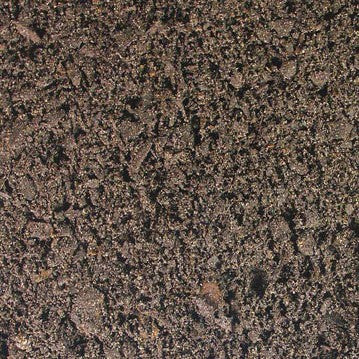
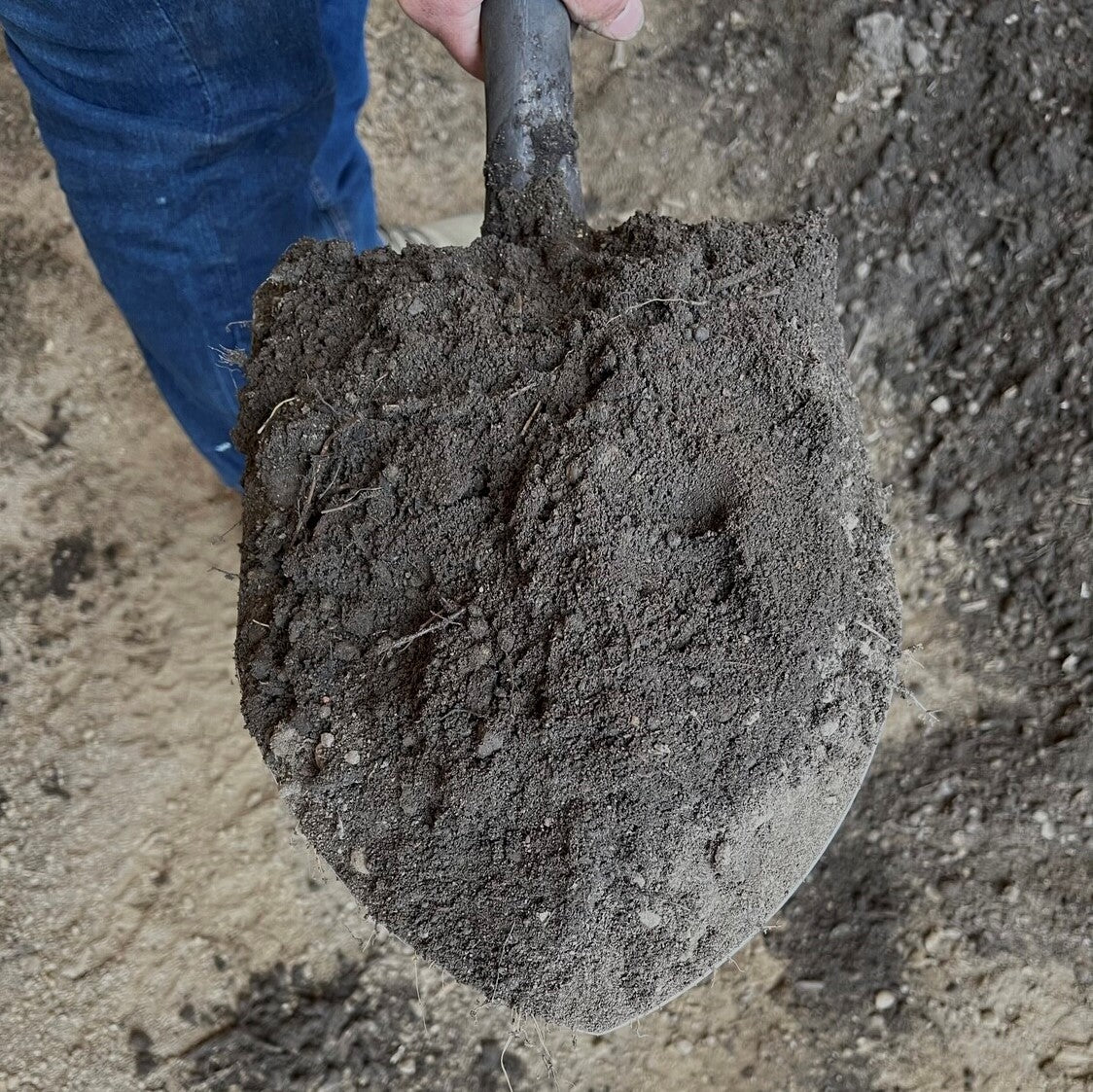
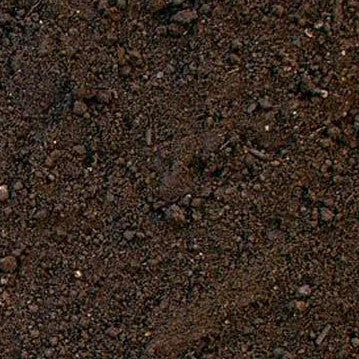
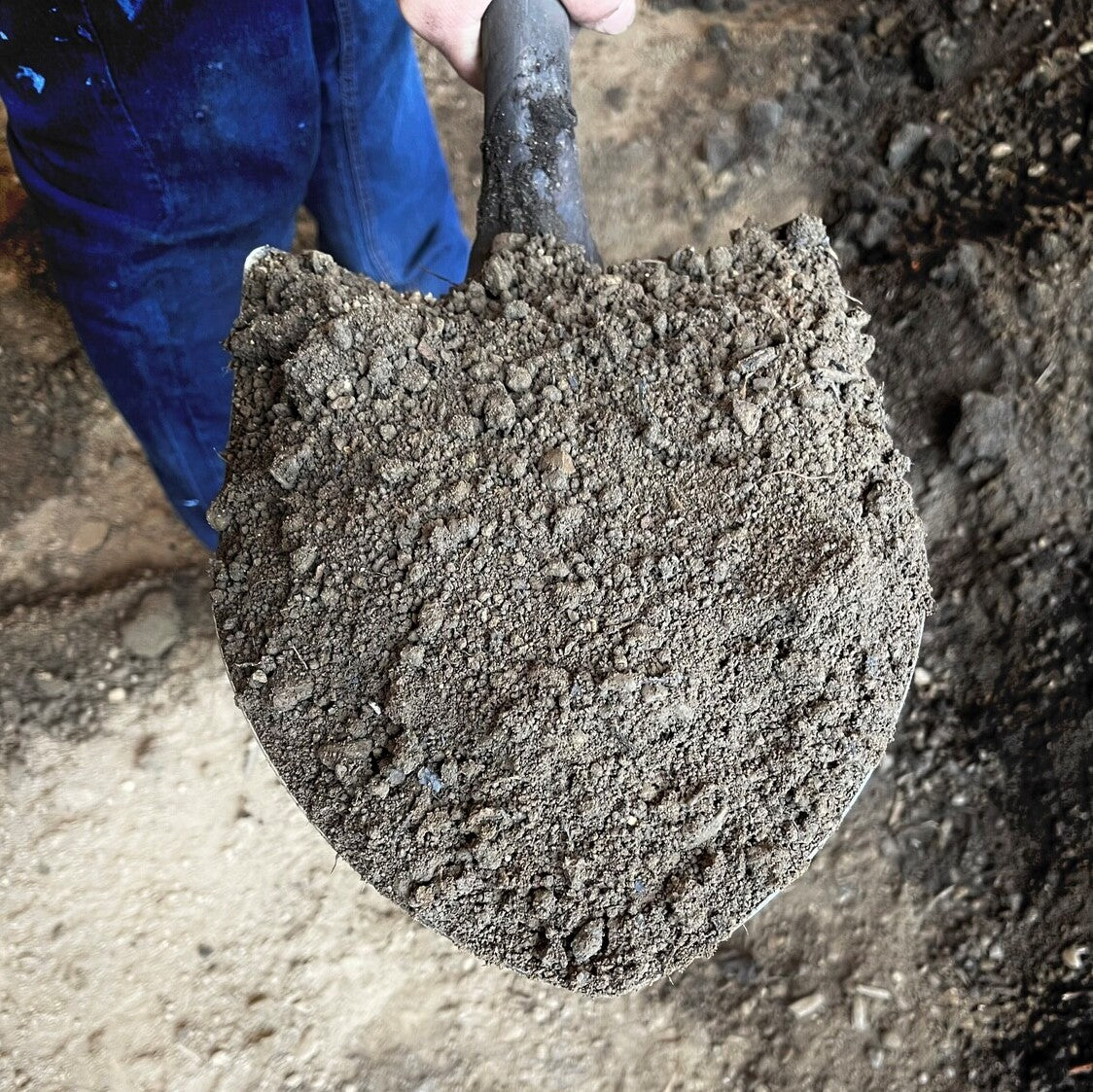
A balanced mix of topsoil and organic amendments ready for raised beds, flower gardens, and new planting areas. Good drainage, solid nutrients, easy to work with.
I got 3 yards of dirt to create a garden bed on the side of my house and to help fill my new raised garden beds. We had enough dirt to do all of this and fill some holes in the yard! Thanks 😃
Tell us what you're looking for
Thanks! We received your request.
Something went wrong. Please try again.
How Much Material Do I Need?
For lawn overseeding topdress in Gastonia, a 1-inch layer is standard — enough to improve seed-to-soil contact without smothering existing grass. For raised beds and new planting areas over red clay, plan for a minimum of 8 to 12 inches of quality soil to give roots enough depth to stay above the compacted clay layer through Gastonia's hot, dry summers.
Use our free soil calculator
What is a yard?
A yard is approximately 27 cubic feet. As a general guideline, one yard of material can cover an area of about 10 feet by 10 feet at a few inches deep.
What is a yards?
A yard is approximately 27 cubic feet. As a general guideline, one yard of material can cover an area of about 10 feet by 10 feet at a few inches deep.
We can't take orders for this right now. Tell us what you need and we'll get back to you.
What do you need?
Thanks! We received your request.
Something went wrong. Please try again.
Hand-picked local yards
4,000+ regional deliveries
Dedicated support
Why order through Mulch Mound
The best local soil, without the guesswork.
We hand-pick and partner with the best yards in your region, keep only the ones our buyers rate well, and back each load with our guarantee.
Mulch Mound Guarantee
If your soil isn't the quantity or quality you ordered, we'll make it right.
About this soil
A balanced mix of topsoil and organic amendments ready for raised beds, flower gardens, and new planting areas. Good drainage, solid nutrients, easy to work with.
I got 3 yards of dirt to create a garden bed on the side of my house and to help fill my new raised garden beds. We had enough dirt to do all of this and fill some holes in the yard! Thanks 😃
How Much Material Do I Need?
For lawn overseeding topdress in Gastonia, a 1-inch layer is standard — enough to improve seed-to-soil contact without smothering existing grass. For raised beds and new planting areas over red clay, plan for a minimum of 8 to 12 inches of quality soil to give roots enough depth to stay above the compacted clay layer through Gastonia's hot, dry summers.
Use our free soil calculator
What is a yard?
A yard is approximately 27 cubic feet. As a general guideline, one yard of material can cover an area of about 10 feet by 10 feet at a few inches deep.
What is a yards?
A yard is approximately 27 cubic feet. As a general guideline, one yard of material can cover an area of about 10 feet by 10 feet at a few inches deep.
I got 3 yards of dirt to create a garden bed on the side of my house and to help fill my new raised garden beds. We had enough dirt to do all of th...
Read full review
I got 3 yards of dirt to create a garden bed on the side of my house and to help fill my new raised garden beds. We had enough dirt to do all of this and fill some holes in the yard! Thanks 😃
For raised beds, multiply length x width x depth in feet, then divide by 27 to get cubic yards — a 4x8 bed at 12 inches deep needs 1.2 cubic yards. For lawn leveling with a 1-inch topdress, measure the total square footage of low areas and divide by 324 to find cubic yards needed. In Gastonia, it's smart to order a small overage when grading clay-heavy areas, since soil always compacts more than expected once it settles into the underlying red clay.
Soil Types We Deliver in Gastonia
Mulch Mound makes it easy to order bulk soil by the cubic yard from a single call or click, with delivery straight to your driveway or project site. Homeowners searching for bulk topsoil by the yard in Gastonia will find screened, blended, and compost options sized for the heavy clay soils common across the Piedmont. Each load arrives loose and ready to spread, with no bags to empty and no store runs required.
Screened Top Soil
Screened to a fine, even texture, this topsoil works well for new lawns, sod prep, and filling low spots across residential yards. It blends readily into the clay-based ground typical of this region, improving workability without stripping away the native structure. One screened style is available, uniform and easy to spread.
Gardening Blend
A balanced mix of topsoil and organic amendments built for raised beds, flower gardens, and new planting areas. Choose Standard or Premium depending on how much organic content your soil needs. Good drainage and a workable texture suit the warm, humid growing season typical of this part of North Carolina.
Leaf Compost
Rich in organic matter from composted leaves, this compost rebuilds tired or compacted soil by improving structure and water retention. It feeds the beneficial microorganisms that keep garden beds productive through the long growing season. One Standard blend is available, ideal for mixing into existing beds or topping raised planters.
Complete Your Outdoor Soil Project
After getting your soil placed and graded, finish the project with a layer of hardwood mulch over planting beds to hold moisture through Gastonia's summer dry spells and protect the improved soil structure you've worked hard to create. A clean stone border along bed edges keeps mulch contained and adds a sharp, finished look that holds up through the heavy rains common to the Piedmont.
Can I just add topsoil on top of my red clay yard, or do I need to mix it in?
For lawn leveling and overseeding, a 1 to 2 inch topdress of good screened topsoil over your existing clay works well — you don't need to till. But if you're trying to establish a new planting bed or vegetable garden, simply layering soil on top of Gastonia's dense clay creates a perched water table: water soaks through the new soil, hits the clay layer, and pools right at the plant root zone. For beds, till the top 6 to 8 inches and blend the new soil into the existing clay for proper drainage.
Answer
What's the best soil blend for a raised vegetable garden in Gastonia?
A mix of roughly 60% quality topsoil, 30% compost, and 10% coarse sand or perlite is a great starting point for Gastonia raised beds. The compost adds nutrients and improves water retention during our summer dry spells, while the grit counteracts the tendency toward compaction that you'd get from topsoil alone. Zone 8a's long growing season means your raised bed will be producing from late March through November in a good year, so investing in a quality blend pays dividends for multiple seasons.
Answer
How do I fix the low spots in my lawn that collect water after every rain?
Gastonia's clay-heavy soil drains slowly, and low spots in a yard become small ponds after a good rain. The right fix depends on the size of the depression — for shallow areas under 3 inches deep, a topdress of screened topsoil blended into the existing lawn while the grass is actively growing (late spring or early fall here) fills the low spot without killing grass. For deeper depressions, you may need to cut out a section of sod, fill with compacted topsoil in layers, and re-sod or reseed.
Answer
When should I do lawn leveling work in Gastonia's climate?
Late summer into early fall — roughly August through October — is the best window for lawn grading and overseeding in Gastonia. You're past the harshest summer heat, the soil still has warmth to drive root establishment, and the first frost isn't until around November 6, giving new seed or sod six to eight weeks to root in. Spring is the second-best window, but our wet springs can make soil work messy, and the window between the April 15 frost date and summer heat is shorter than it feels.
Answer
How much soil do I need to build a raised bed?
A standard 4x8 foot raised bed at 12 inches deep holds about 32 cubic feet — just under 1.2 cubic yards. Most Gastonia gardeners building two or three beds order 3 to 4 cubic yards at once to avoid paying multiple delivery fees. If your beds are 6 inches deep rather than 12, you'll cut that volume roughly in half, though deeper beds perform better here because root vegetables and tomatoes both benefit from more root run than Gastonia's shallow, clay-impacted native soil provides.
Answer
Is the topsoil you deliver screened, or will it have rocks and clay clumps in it?
Our topsoil is screened to remove large debris, roots, and rocks — which matters a lot in the Gastonia area where native soil often contains significant red clay chunks that would just reintroduce the drainage problems you're trying to solve. If you're using it for a seed bed or raised vegetable garden, screened material spreads and rakes evenly. For fill and rough grading, a less-processed fill dirt works fine and is more economical for large volumes.
Answer
Will new topsoil wash away on my sloped Gastonia yard?
Exposed soil on a slope is vulnerable until you establish vegetation, and Gastonia's spring and summer thunderstorms can move a surprising amount of material in a single event. After placing topsoil on a slope, seed and straw mulch immediately — within a day or two of grading if rain is in the forecast. Hydroseed or erosion-control blankets are worth the extra cost for steeper grades. Getting root cover established before the next heavy rain cycle is the whole game on sloped Gastonia properties.
Mulch Mound Pro Tip
When you're filling low spots in a Gastonia lawn, don't try to do it all at once with a thick layer. Clay-heavy soil like ours doesn't allow thick fills to drain and settle evenly — water gets trapped in the new material. Instead, work in lifts of 2 to 3 inches, letting each layer settle and, if possible, catch a rainfall before adding the next. It takes more time, but the final grade stays level and doesn't sink into the soft clay beneath it.
Mulch Mound Pro Tip
If you're building a new vegetable garden in Gastonia for the first time, consider doing a simple soil pH test before you add anything. The red clay here often runs slightly acidic, typically in the 5.5 to 6.0 range, and while many vegetables tolerate that range, tomatoes, peppers, and leafy greens all prefer something closer to 6.5. A $10 test kit tells you whether to mix in a little lime with your new soil before you plant, saving you a full season of wondering why your plants aren't producing the way they should.
Mulch Mound Pro Tip
Gastonia's 44 inches of annual rainfall sounds like a gardener's dream, but it's only useful if your soil can capture and hold it rather than letting it run off. When you bring in quality topsoil or garden blend, you're essentially creating a sponge that intercepts rainfall and stores it for plants to use between storms. If you're amending clay beds, work organic matter deep rather than just surface dressing — the deeper your improved soil layer, the more water it can buffer during the dry stretches between Gastonia's rainy periods.
The Unique Landscape of Gastonia
Gastonia sits on some of the most stubborn red clay in the Carolina Piedmont — soil that frustrates gardeners, challenges lawn establishment, and makes even basic grading work harder than it needs to be. The clay compacts under foot traffic and heavy rain, drains poorly during wet winters, and bakes into a near-concrete consistency by mid-July. For anyone trying to establish a new lawn, build a raised vegetable bed, or level out low spots that collect water after storms, quality fill or garden soil brought in from outside becomes the practical solution rather than an optional upgrade. At 804 feet of elevation with roughly 44 inches of rainfall per year, Gastonia gets enough precipitation for a beautiful yard — but that potential only converts to results when the soil beneath your grass and plants can actually drain, breathe, and hold nutrients. Amending or replacing native clay with quality soil is the foundation that makes everything else in your landscape — mulch, plants, seed, sod — perform the way it should.