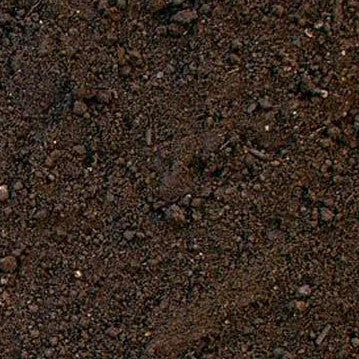
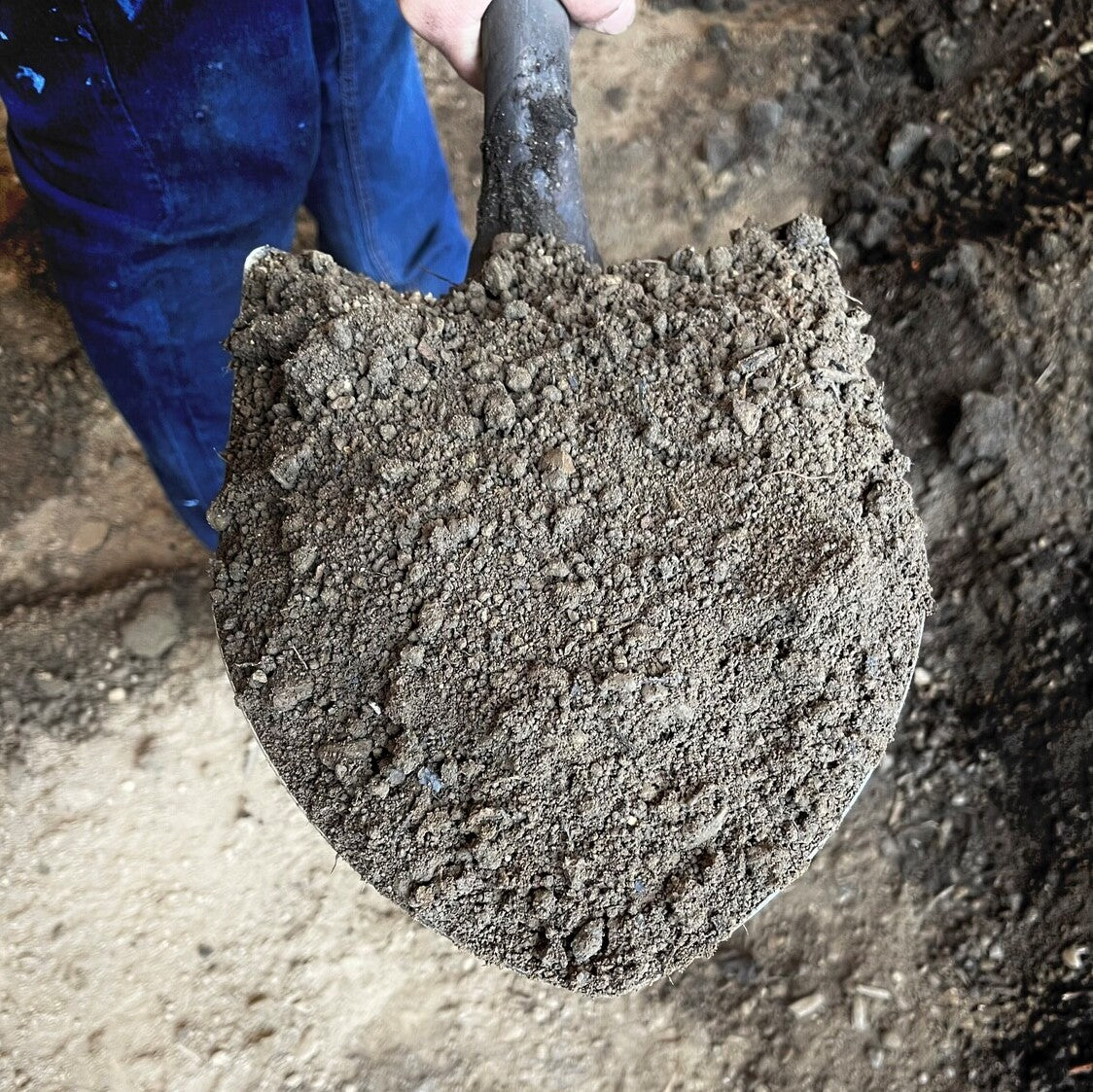
My experience with Mulch Mound was great and super easy. I ordered two yards of screened topsoil and was able to get it delivered within 2 days. They came in my requested time frame (afternoon) and dropped it off where I asked on my driveway. The topsoil was exactly what was a...
Tell us what you're looking for
Thanks! We received your request.
Something went wrong. Please try again.
How Much Material Do I Need?
Plan for a minimum of six inches of quality topsoil for lawn and ground cover projects in Gilbert, and twelve to eighteen inches for vegetable and ornamental planting beds where root depth and drainage are critical. Raised bed frames should be filled completely with no native soil mixed in from the bottom unless you have confirmed it is caliche-free.
Use our free soil calculator
What is a Yard?
A yard is approximately 27 cubic feet. As a general guideline, one yard of material can cover an area of about 100-160 square feet at a 2-3 inch depth.
My experience with Mulch Mound was great and super easy. I ordered two yards of screened topsoil and was able to get it delivered within 2 days. They came in my requested time frame (afternoon) and dropped it off where I asked on my driveway. The topsoil was exactly what was a...
How Much Material Do I Need?
Plan for a minimum of six inches of quality topsoil for lawn and ground cover projects in Gilbert, and twelve to eighteen inches for vegetable and ornamental planting beds where root depth and drainage are critical. Raised bed frames should be filled completely with no native soil mixed in from the bottom unless you have confirmed it is caliche-free.
Use our free soil calculator
What is a Yard?
A yard is approximately 27 cubic feet. As a general guideline, one yard of material can cover an area of about 100-160 square feet at a 2-3 inch depth.
My experience with Mulch Mound was great and super easy. I ordered two yards of screened topsoil and was able to get it delivered within 2 days. Th...
Read full review
My experience with Mulch Mound was great and super easy. I ordered two yards of screened topsoil and was able to get it delivered within 2 days. They came in my requested time frame (afternoon) and dropped it off where I asked on my driveway. The topsoil was exactly what was advertised, clean with no rocks or other debris. The price was reasonable. I plan to use them again in a couple weeks to order compost for my garden beds.
For raised beds, multiply the length by the width by the depth in feet, then divide by 27 to convert to cubic yards. A standard four-by-eight foot raised bed filled twelve inches deep needs roughly 1.2 cubic yards of soil. In Gilbert we recommend planning raised beds at a minimum of twelve inches deep to create enough root zone above any underlying caliche layer, so always use twelve inches as your depth baseline when calculating.
Complete Your Outdoor Soil Project
Layer three to four inches of organic mulch over any new planting beds after filling them with quality soil to lock in moisture and moderate soil temperatures through Gilbert's intense summers. A border of decomposed granite around raised bed perimeters also completes the project cleanly and reduces weed pressure along the edges.
What is the best soil mix to use in raised vegetable beds in Gilbert?
In Gilbert, a raised bed mix that is roughly sixty percent compost-enriched loam, twenty-five percent coarse perlite or pumice for drainage, and fifteen percent aged compost performs extremely well. You want excellent drainage because our caliche clay underneath raised beds can still slow water movement through the frame bottoms. The added perlite is especially important here because our heat dries soil fast and then monsoon rains can briefly oversaturate it, so drainage capacity matters in both directions.
Answer
My yard has that hard white layer about eight inches down that I cannot dig through. Will adding topsoil on top of it help my lawn?
Adding quality topsoil above caliche is one of the most effective approaches for Gilbert lawns. The caliche layer will still be there, but creating a proper soil layer above it gives Bermuda grass roots the depth they need to stay healthy through summer dormancy and the drought stress of our dry springs. Aim for at least four to six inches of quality topsoil over the caliche surface and your lawn will establish and hold far better than it would in native ground alone.
Answer
Can I plant a winter vegetable garden in Gilbert, and if so what kind of soil preparation does it need?
Gilbert is genuinely one of the best places in the country for cool-season vegetable growing. With your last frost around February 1st and your first frost not arriving until around December 15th, you have a roughly ten-month window where you can grow something. For fall and winter vegetables like broccoli, kale, carrots, and lettuce, you want a well-amended soil with strong organic matter content and a neutral to slightly acidic pH. Gilbert's native soil is alkaline, so a quality amended garden mix helps bring pH into the range those crops prefer.
Answer
How much topsoil do I need to level out the uneven spots in my Gilbert backyard?
For light leveling work with low spots of one to two inches across a standard Gilbert backyard of roughly 1,500 square feet, you will typically need four to six cubic yards of topsoil. Deeper depressions or larger grading projects can require significantly more. The key in Gilbert is making sure you compact each lift slightly as you go, because our clay soil can shift and settle unevenly after the first monsoon season if soil is placed too loosely.
Answer
Does soil pH actually matter in Gilbert, or is it something only serious gardeners worry about?
Soil pH matters enormously in Gilbert because our native soils are often quite alkaline, sometimes reaching pH 8.0 or higher in areas with heavy caliche influence. Most vegetables and many ornamentals prefer a pH between 6.0 and 7.0. When soil pH is too high, plants cannot absorb iron and other micronutrients even when those nutrients are physically present in the soil, leading to the yellowing leaves that Gilbert gardeners frequently see in citrus and other plants. Quality amended garden soil from MulchMound.com is blended to a more neutral range that supports healthy plant nutrition.
Answer
I am building a new raised bed for citrus trees in containers. What soil should I use?
Citrus trees in Gilbert containers need a well-draining mix that still holds enough moisture to prevent rapid drying during our 110 degree summers. A blend of quality loam, coarse sand or pumice, and aged compost works well. Avoid anything described as potting mix with heavy peat content because peat becomes hydrophobic when it dries out completely, which happens frequently in Gilbert containers. A denser loam-based mix stays consistently available to roots even when the surface dries.
Answer
When is the best time of year to add and work new soil into my Gilbert landscape?
October through early November is the single best time to add and work new soil in Gilbert. Temperatures have dropped from summer peaks, monsoon moisture is still present in the ground, and you have the entire fall and winter growing season ahead of you to let the soil settle and establish before spring. Late February is the second best window, right after your last frost around February 1st, when warming soil temperatures accelerate microbial activity and help new organic matter integrate quickly.
Mulch Mound Pro Tip
When you install new soil over caliche clay in Gilbert, punch several drain holes through the caliche layer with a breaker bar or rented auger before you fill. These holes, called caliche chimneys, allow excess water from monsoon rains to escape downward rather than pooling in your beautiful new soil layer and drowning roots. Even one hole every three to four feet in a planting bed makes a measurable difference in drainage performance during our intense summer storm events.
Mulch Mound Pro Tip
Gilbert's fall gardening season is genuinely underused by most homeowners. You can direct sow carrots, beets, spinach, and snap peas outdoors from late September through October, and they will produce through January with almost no frost protection needed in most years. Fresh quality soil in October beds gives those crops the loose, fertile environment they need to germinate quickly and establish before our mild winters slow growth. If your soil is ready in September, your fall harvest can easily run through February.
Mulch Mound Pro Tip
When mixing new soil into existing caliche clay beds rather than building raised frames, the ratio matters more than most people realize. You need to add enough organic amendment to genuinely change the texture and drainage of the blend, not just color it differently. A general rule for Gilbert in-ground beds is adding at least a four inch layer of quality amended soil and working it down eight inches into the existing material. Less than that and the clay will gradually dominate the blend again after a few irrigation cycles.
The Unique Landscape of Gilbert
Gilbert's native soil is a frustrating combination of caliche clay and sandy desert substrate that drains poorly in some spots and not at all in others. The caliche hardpan layer that forms just inches to a few feet below the surface in much of Gilbert physically blocks roots, traps water, and starves plants of the oxygen-rich environment they need to thrive. Bringing in quality amended garden soil is not just a convenience here, it is often the only practical way to establish productive vegetable gardens or lush ornamental beds without years of slow soil rehabilitation. Our growing zone 9b means Gilbert gardeners can grow warm-season vegetables almost year-round, but only if the soil chemistry and drainage are right from the beginning. A loamy, organically rich soil gives Gilbert roots the drainage, nutrition, and biological activity that our native ground simply cannot provide on its own. Whether you are building raised beds, amending existing planting areas, or leveling your lawn, starting with the right soil makes everything that follows dramatically easier.