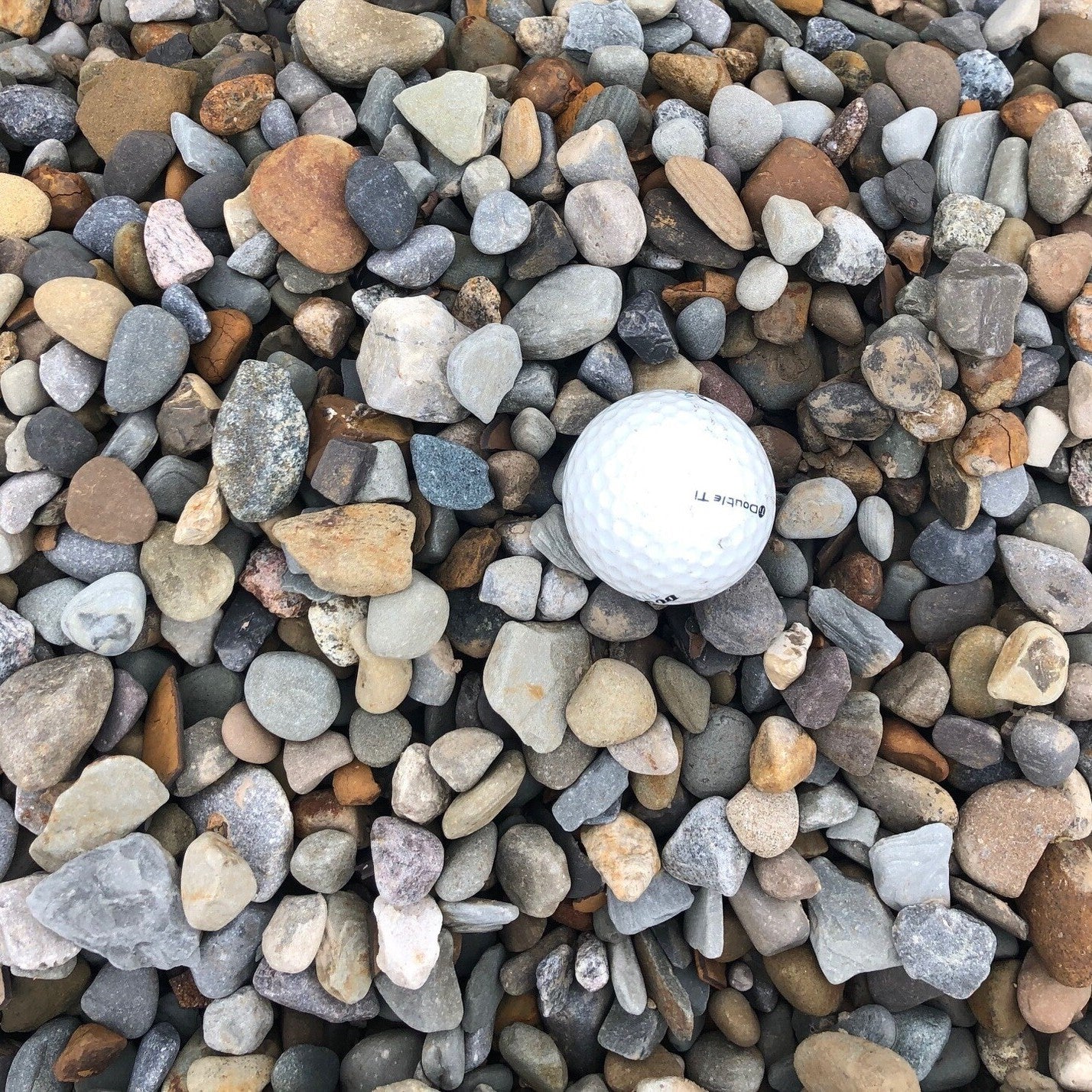
About this stone

#8 washed gravel: small angular crushed stone perfect for drainage, French drains, and concrete bases.

I used Mulch Mound to have 3 cubic yards of garden soil delivered. The process was easy and I love that I didn't have to call anyone. I placed my order online, picked my delivery date, laid out my tarp and the dirt was delivered. My delivery had to be pushed back, but I was ke...

Plan for a minimum of three inches of decomposed granite or crushed stone for standard ground cover applications in Gilbert, and four to six inches for high-traffic paths and dry creek bed features that need to handle monsoon water flow. Install over commercial-grade landscape fabric for best long-term results in our desert climate.
Use our free stone calculator

A yard is approximately 27 cubic feet. As a general guideline, one yard of material can cover an area of about 100-160 square feet at a 2-3 inch depth.

Gilbert Stone Delivery

Gilbert Stone Delivery

4.7
137 reviews
Regular price $87.00 per Yard
Regular price Sale price $87.00
Sale Sold out
Shipping calculated at checkout.
Type
Size
Hand-picked local yards
4,000+ regional deliveries
Dedicated support
Why order through Mulch Mound

The best local , without the guesswork.

We hand-pick and partner with the best yards in your region, keep only the ones our buyers rate well, and back each load with our guarantee.

Mulch Mound Guarantee

If your isn't the quantity or quality you ordered, we'll make it right.

About this stone

#8 washed gravel: small angular crushed stone perfect for drainage, French drains, and concrete bases.

I used Mulch Mound to have 3 cubic yards of garden soil delivered. The process was easy and I love that I didn't have to call anyone. I placed my order online, picked my delivery date, laid out my tarp and the dirt was delivered. My delivery had to be pushed back, but I was ke...

Plan for a minimum of three inches of decomposed granite or crushed stone for standard ground cover applications in Gilbert, and four to six inches for high-traffic paths and dry creek bed features that need to handle monsoon water flow. Install over commercial-grade landscape fabric for best long-term results in our desert climate.
Use our free stone calculator

A yard is approximately 27 cubic feet. As a general guideline, one yard of material can cover an area of about 100-160 square feet at a 2-3 inch depth.

View full details

How It Works

Getting started is easy — just follow these simple steps

1

Choose your stone

Make sure you adjust the quantity to your home's needs. You can use our calculator to estimate how much you'll need.

2

Select your delivery date

Select a delivery date you'd like for the product to be dropped off at your home

3

Sit back and wait

Sit back, wait, and let us work our magic to make sure the highest quality product is delivered to your driveway.

From The Mouths of Gilbert Folks

4.7
out of 5 based on 137 reviews
Google Reviews

Need Help Calculating How Much Stone & Gravel You Need?

Use our NEW Trace from Satellite tool to get an estimate for your project based on an aerial view of your property

Try Our Calculator
📍

Measure your total area in square feet by breaking irregular yard shapes into simple rectangles and adding those measurements together. Divide your total square footage by 108 to find the cubic yards needed at a three inch depth, or by 81 for a four inch depth. Gilbert landscapes often have irregular planting islands and curved beds, so walk the perimeter with a measuring tape rather than estimating from memory to avoid coming up short on material.

Complete Your Outdoor Stone Project

Add a border of boulders or landscape edging to keep your stone installation contained against Gilbert's monsoon sheet flow and wind events that can gradually migrate loose material. An order of quality mulch from MulchMound.com paired alongside your stone lets you designate separate zones for organic planting beds and low-maintenance stone areas throughout your yard.

Mulch Mound Pro Tip

Gilbert homeowners who use decomposed granite throughout their front yards sometimes discover that the material slowly migrates onto sidewalks and driveways after several monsoon seasons. Installing a solid metal or concrete landscape edging border between your DG areas and hardscape surfaces from the very beginning eliminates that problem permanently. Flexible steel edging buried two inches into the caliche soil holds its position even during heavy storm runoff and keeps your stone installation looking sharp for years without ongoing cleanup.

Mulch Mound Pro Tip

If you are designing a dry creek bed in your Gilbert backyard to handle monsoon overflow, size it larger than you think you need. Our monsoon storms are brief but intense, and the volume of water that can sheet across a standard Gilbert lot during a good August storm surprises many homeowners. A dry creek that looks almost too wide during our dry season will look perfectly functional and beautiful during a storm event, while an undersized channel will overflow and scatter rock across your yard every monsoon season.

Mulch Mound Pro Tip

Consider the heat island effect when choosing stone color and placement in your Gilbert yard. Dark gray and charcoal-colored crushed stone can reach surface temperatures of 160 degrees or higher on a summer afternoon in Gilbert, which can scorch the lower foliage of plants positioned near stone borders and make adjacent seating areas nearly unusable. Lighter tan and buff-toned stones reflect more radiant heat and are measurably cooler at the surface during peak afternoon hours, making them a more comfortable and plant-friendly choice for yards where outdoor living space is part of the design.

The Unique Landscape of Gilbert

Gilbert's desert climate makes stone one of the most practical and beautiful landscape materials available to local homeowners. With only eight inches of annual rainfall and summers that push past 110 degrees for weeks at a time, ground covers that require no water and no seasonal replacement are genuinely valuable here. Decomposed granite, river rock, and crushed stone are year-round performers in Gilbert that stay functional through monsoon flooding, summer heat, and the occasional December frost without any maintenance at all. Stone also pairs perfectly with the xeriscape landscaping style that most Gilbert HOAs and water conservation programs encourage, and it complements the desert-adapted plants like palo verde, saguaro, and agave that thrive in our growing zone 9b climate. Unlike organic mulch, stone does not decompose or blow away in the haboobs and dust storms that roll through the East Valley each summer. It is a one-time installation that delivers lasting curb appeal while eliminating irrigation in open landscape areas.

Frequently Asked Questions

Click a question to see the answer

Answer

What size decomposed granite works best for desert front yards in Gilbert?

For most Gilbert front yard applications, a quarter inch minus decomposed granite is the most popular choice because it compacts well, stays in place during monsoon runoff, and has the familiar sandy desert look that complements native plantings and adobe-style homes. Larger three-eighths inch DG is slightly more permeable and works well around established trees where you want water to reach roots more easily. Avoid very fine DG dust grades for open areas because our summer dust storms will redistribute it across your yard and your neighbors' yards.

Answer

Will my decomposed granite wash away during a bad monsoon storm?

This is one of the most common questions from Gilbert homeowners and the answer depends heavily on how the DG is installed. Loose DG without a stabilizing binder can shift noticeably during the intense sheet flow that accompanies a strong July or August storm in our area. Installing a two to three inch base layer and using a stabilized DG product for the top inch, or applying a DG stabilizer after installation, solves most of the erosion issues. Proper grading that moves water away from stone areas also makes a major difference.

Answer

How deep should I lay river rock in my Gilbert yard?

For weed suppression and ground cover applications in Gilbert, two to three inches of river rock over a quality landscape fabric is generally sufficient. Dry creek bed features that need to handle actual monsoon water flow should use four to six inches of rock for stability, with larger rock on the sides and bed of the channel. Keep in mind that Gilbert soils are often quite hard and rocky below the surface, so deep installation can require some effort if you hit caliche near the surface.

Answer

Is landscape fabric under stone actually necessary in Gilbert, or is it overkill?

Landscape fabric under stone is strongly recommended in Gilbert, but it needs to be a commercial-grade woven fabric rather than the cheap black plastic sheeting sold at big box stores. Our caliche clay soil bakes hard in summer and weeds that do establish push up through thin materials easily. A heavy woven geotextile fabric under three inches of DG or river rock creates a barrier that keeps weed seeds in the stone layer from reaching the soil and prevents the stone from slowly mixing into the caliche below over years of monsoon cycles.

Answer

What stone color looks best in a Gilbert desert landscape?

Golden tan and buff-toned decomposed granite is the most popular choice in Gilbert because it echoes the natural desert floor color and pairs beautifully with the warm earth tones of stucco homes throughout the area. Apache brown and sunset red DG are also widely used and complement the rust and terracotta tones common in East Valley landscaping. For accent areas and dry creek beds, naturally rounded tan and brown river rock blends seamlessly with the Sonoran Desert palette. Stay away from pure white marble chip rock in Gilbert because the stark contrast with our native soil and plants can look artificial, and the light color reflects intense heat directly onto nearby plant material.

Answer

Can I put stone around my citrus trees, or will it hurt them?

Stone around citrus trees in Gilbert is a topic worth thinking through carefully. Decomposed granite and gravel radiate significant heat, and citrus roots are sensitive to extreme soil temperature fluctuations. If you want a clean look around your citrus, keep the stone at least two feet away from the trunk and consider using organic mulch in the immediate root zone instead. The combination of organic mulch near the tree and DG or gravel as a perimeter border further out is a smart compromise that many Gilbert citrus growers use successfully.

Answer

How many cubic yards of decomposed granite do I need for a typical Gilbert front yard?

A standard Gilbert front yard of roughly 800 square feet installed at three inches deep requires about seven to eight cubic yards of decomposed granite. Smaller courtyard entries of 300 square feet need around three cubic yards. Use our online calculator for your exact measurements and add about ten percent for material that will settle and compact over the first few months. In Gilbert, DG compacts noticeably after the first monsoon season, so slightly overfilling at installation keeps coverage looking full and even through that first settling period.