Mulch Mound delivered a yard of pea gravel to us. Delivery was on time, driver was friendly and hit a bullseye on the “tarp target”. We used the pea gravel (which was diameter as specified) to fill several muskrat holes around our pond. I would definitely recommend Mulch Mo...
Tell us what you're looking for
Thanks! We received your request.
Something went wrong. Please try again.
How Much Material Do I Need?
For most planting beds in Graham, a three inch depth is the practical minimum given how quickly the gravelly sandy loam dries out in summer. Tree rings and areas near structures prone to erosion during winter rain benefit from a four inch application.
Use our free mulch calculator
What is a yard?
A yard is approximately 27 cubic feet. As a general guideline, one yard of material can cover an area of about 100-160 square feet at a 2-3 inch depth.
Mulch Mound delivered a yard of pea gravel to us. Delivery was on time, driver was friendly and hit a bullseye on the “tarp target”. We used the pea gravel (which was diameter as specified) to fill several muskrat holes around our pond. I would definitely recommend Mulch Mo...
How Much Material Do I Need?
For most planting beds in Graham, a three inch depth is the practical minimum given how quickly the gravelly sandy loam dries out in summer. Tree rings and areas near structures prone to erosion during winter rain benefit from a four inch application.
Use our free mulch calculator
What is a yard?
A yard is approximately 27 cubic feet. As a general guideline, one yard of material can cover an area of about 100-160 square feet at a 2-3 inch depth.
Mulch Mound delivered a yard of pea gravel to us. Delivery was on time, driver was friendly and hit a bullseye on the “tarp target”. We used the ...
Read full review
Mulch Mound delivered a yard of pea gravel to us. Delivery was on time, driver was friendly and hit a bullseye on the “tarp target”. We used the pea gravel (which was diameter as specified) to fill several muskrat holes around our pond. I would definitely recommend Mulch Mound to a friend!
I can’t say enough good things about Mulch Mound! If you read my review below you will see I had a problem with my order. Mulch Mou...
Read full review
UPDATE!
I can’t say enough good things about Mulch Mound! If you read my review below you will see I had a problem with my order. Mulch Mound was quick to respond and solved the issue with my delivery. Will definitely be a customer next year.
First time purchase from Mulch Mound!! First what I liked! Easy to order online and straight forward pricing and delivery. The driver was on time and courteous and delivered my Mulch exactly where I requested! The product is of good quality and comparable to others I have purchased from before. Now what I DID’NT LIKE! I have been mulching the same house and yard for almost 20 years. I always order the same amount and don’t have any issues with covering the same area but this year I fell about a yard short. I was home when the mulch was delivered and when the driver dumped it I noticed that it seemed a bit less than I was used to. I didn’t apply it any thicker than usual and probably a bit thinner than usual because I was worried about running out.
Measure each bed or area individually in feet before combining the numbers. Graham properties often have irregular shapes around mature trees or along fence lines, so breaking the yard into smaller rectangles and adding them up gives you a more accurate total than trying to estimate the whole space at once. When in doubt, rounding up by half a yard is almost always the right call.
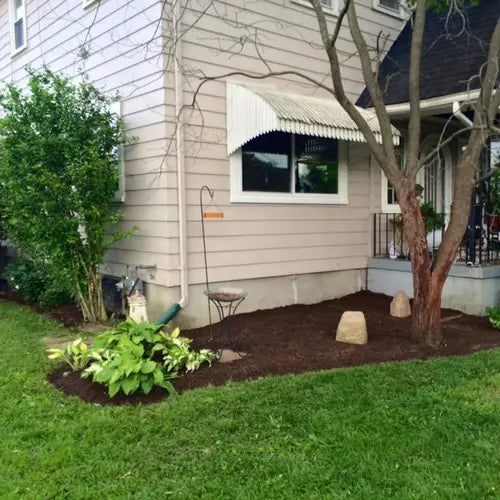
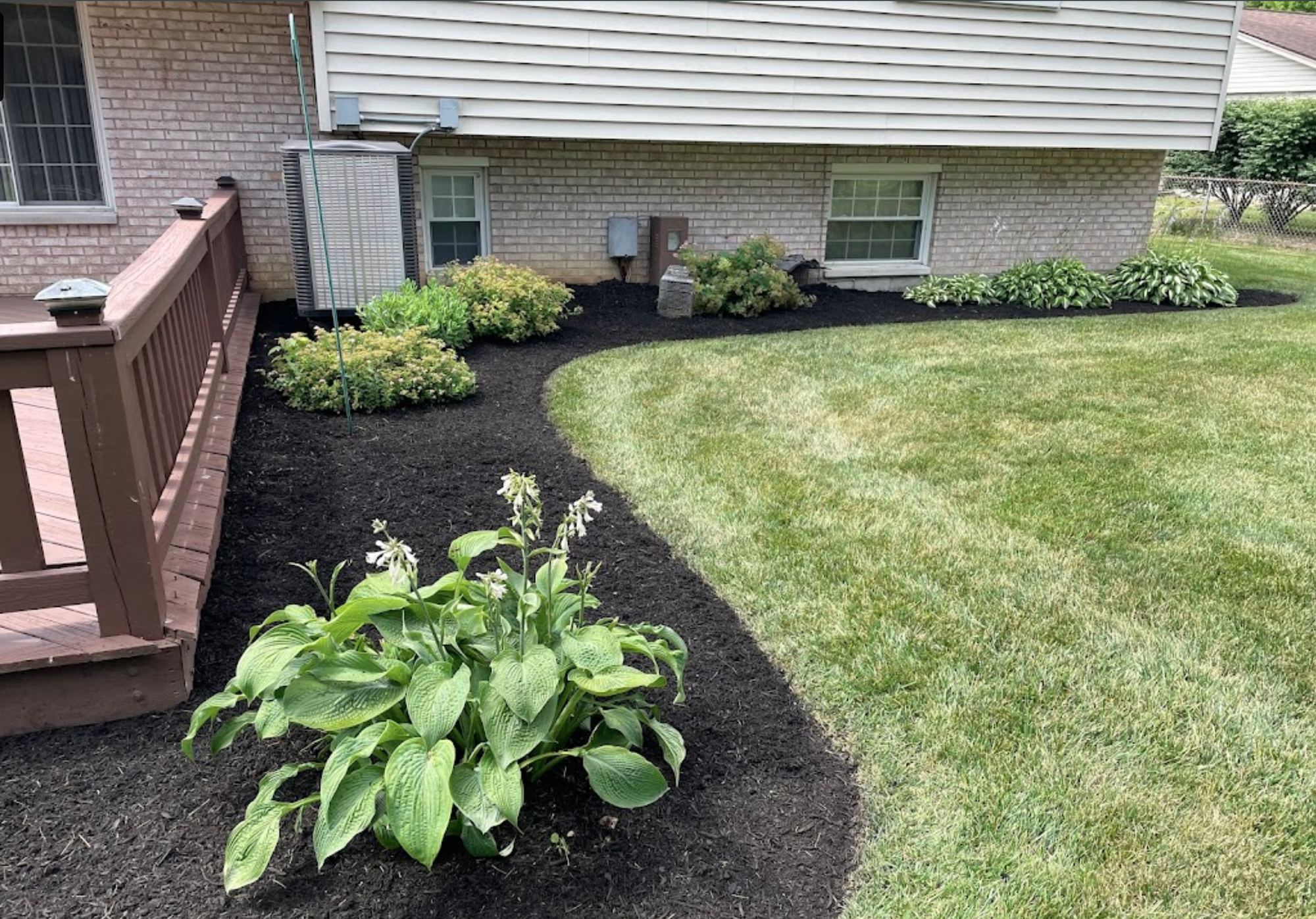
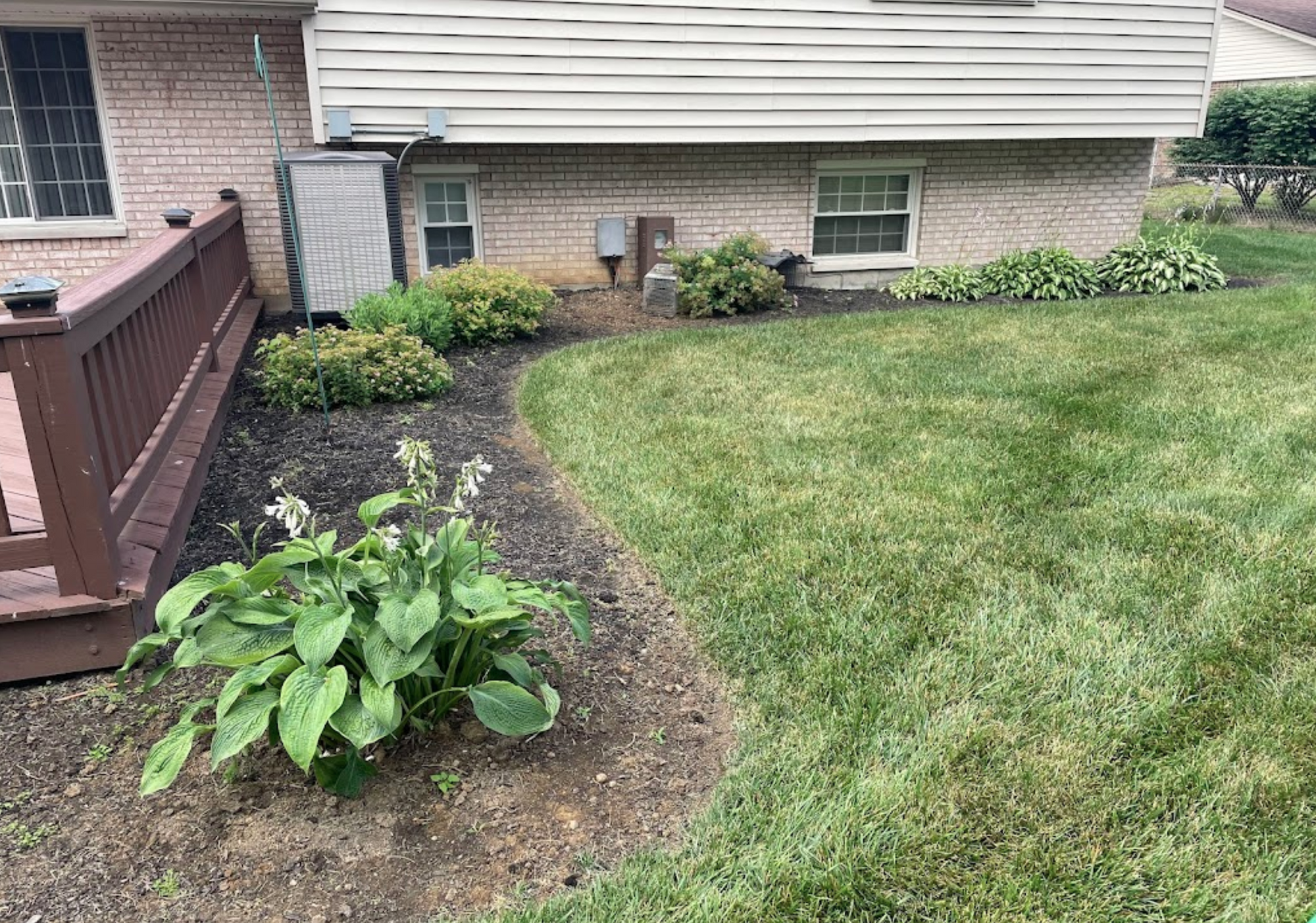
Mulch vs. No Mulch: The Difference
Graham's climate swings between waterlogged winter soils and fast-draining summer conditions, and bare soil handles neither extreme well. Mulch creates a living buffer layer that moderates these transitions, reducing the soil compaction that happens when heavy November rains hit exposed ground and reducing the moisture evaporation that stresses roots in August. For a community sitting at 830 feet on free-draining gravelly sandy loam, mulching is one of the highest-return investments a homeowner can make in their landscape.
Before
After
Best Mulch Choice for Graham Lawns
Most yards in the Graham area sit on type of soil. The gravelly sandy loam found throughout Graham has very little natural organic matter to hold moisture or feed soil organisms, which leaves plant roots searching hard during the dry season. Mulch breaks down over time and slowly adds the organic content this soil type is missing, making each annual application a long-term improvement rather than just a temporary fix.
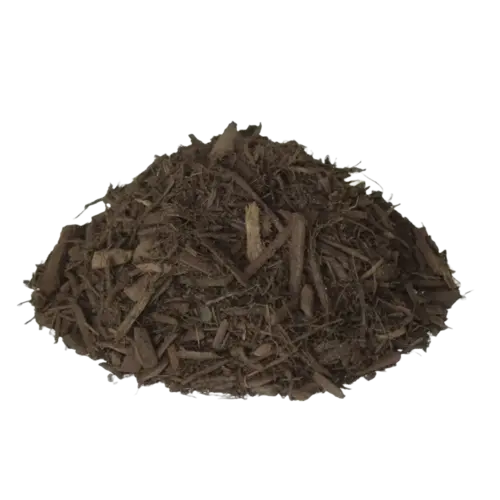
Hardwood Mulch
Hardwood mulch breaks down more slowly than softwood bark, giving the gravelly sandy loam in Graham a steady and prolonged source of organic matter rather than a quick flush that disappears within a season. As hardwood mulch decomposes, it improves the soil's water-holding capacity and encourages earthworm activity, both of which address the core weakness of this native soil type.
Complete Your Outdoor Mulch Project
If you are building new beds or refreshing existing ones, pairing mulch with a quality compost-amended garden soil gives your plants a strong foundation from the start. Crushed stone or gravel edging also keeps mulch contained through Graham's rainy season runoff.
Mulch Mound Pro Tip
Graham's growing season runs from mid-April through early November, which means your mulch layer goes through roughly six months of dry stress followed by six months of heavy moisture. Pull the mulch slightly away from plant crowns before the rainy season starts in October to prevent crown rot during the wet months. This small seasonal adjustment protects plants that would otherwise sit in soggy mulch against their stems for half the year.
Mulch Mound Pro Tip
The gravelly sandy loam common throughout Graham warms up quickly in spring, which is an advantage for early planting, but it also loses heat fast on clear autumn nights before the first November frost. Applying a fresh layer of mulch in late October insulates the soil and extends the effective root-growing season by a few weeks. This is especially valuable for perennials and shrubs that are still establishing their root systems in the first year after planting.
Mulch Mound Pro Tip
If you have a significant slope on your Graham property, consider installing a simple wood border or stone edging at the downhill edge of each mulched bed before winter arrives. The combination of 38 inches of annual rain and the loose texture of freshly applied mulch creates real displacement potential on grades steeper than about fifteen percent. A physical barrier costs very little and keeps your mulch investment where you intended it rather than at the bottom of the hill by February.
Frequently Asked Questions
Click a question to see the answer
Answer
How thick should I apply mulch around my fruit trees given Graham's dry summers?
For fruit trees in Graham, aim for a three to four inch layer extending out to the drip line and kept a few inches away from the trunk itself. The gravelly sandy loam here drains so freely that anything thinner than three inches will lose its moisture retention benefit by mid-July. A deeper ring helps the tree roots stay cool and hydrated through the stretch between our last meaningful spring rain and the first fall moisture in October.
Answer
Will wood mulch break down faster here because of all the winter rain we get?
Yes, the wet winters in Graham do accelerate decomposition compared to drier climates, which is actually a benefit for your soil in the long run since breaking-down wood mulch adds organic matter to the lean gravelly sandy loam. The trade-off is that you will likely need to top off your beds every season rather than every other year. Hardwood mulches break down more slowly than softwood options, so they hold their depth a little longer through the rainy months.
Answer
My yard gets heavy rain from November through March. Should I be worried about mulch washing into the street?
On flat or gently sloping beds in Graham, properly applied mulch stays in place well through typical winter rain. Steeper slopes are where runoff becomes a concern, and for those areas a shredded hardwood or gorilla hair mulch works better than a chunky decorative bark because the interlocking fibers resist displacement. Avoid applying a fresh loose layer right before a major rain event and instead give it a day or two to settle.
Answer
Our last frost is April 15. When is the best time to mulch my vegetable beds in spring?
Wait until after April 15 to mulch around transplants and seedlings in Graham. Mulching too early traps cold soil temperatures and delays the soil warming that spring vegetables need to establish roots. A good approach is to let the soil warm for a week or two after your last frost date, then apply a two inch layer around established starts to lock in that warmth and reduce the soil moisture loss that tends to hit hard by late May.
Answer
Does mulch help with the blackberry and morning glory that seem to take over every year in Graham?
Mulch alone will not stop established blackberry or morning glory since both have deep root systems that push right through surface layers. However, a four inch layer of dense wood mulch does significantly reduce germination of new weed seeds, which cuts down on the annual spread. For existing invasive growth, physical removal first and then immediate mulching of the cleared area gives you the best results in Graham's weed-friendly growing conditions.
Answer
I have a lot of Douglas fir trees on my property. Is it okay to use bark mulch from firs under my ornamental shrubs?
Douglas fir bark mulch works well under most ornamental shrubs found in Graham gardens and is actually one of the most common and cost-effective options in this region. One thing to watch is pH over time, as conifer bark is slightly acidic and can gradually lower soil pH under plants that prefer neutral conditions like roses or certain ornamental grasses. If your shrubs are rhododendrons, azaleas, or other acid-lovers that thrive in zone 8b, Douglas fir bark is an excellent match.
Answer
How many cubic yards of mulch do I need for a typical Graham backyard bed that wraps around a fence line?
Measure the length of the bed in feet and its average width in feet, multiply those together, and then multiply by 0.25 if you are applying a three inch layer. Divide that final number by 27 to convert cubic feet to cubic yards. For a common setup in Graham, say a forty foot fence line with a four foot wide bed, you would need roughly two cubic yards for a three inch depth, which is a reasonable starting estimate for most standard backyard orders.
The Unique Landscape of Graham
Graham sits at 830 feet elevation on the western slope of the Cascade foothills, where the combination of wet winters and dry summers creates real stress for plant beds. The native gravelly sandy loam drains quickly, which means moisture disappears from the root zone faster than most plants can absorb it during July and August. A consistent layer of mulch acts as a buffer between your plants and these extreme swings, keeping soil temperatures stable when summer afternoons push into the upper eighties. With 38 inches of annual rainfall concentrated mostly between October and April, unmulched beds also suffer from compaction and nutrient washout every winter. Applying mulch in Graham is not optional landscaping polish, it is a functional response to the actual conditions your yard faces year after year.