




Very happy with the ease of ordering. Delivery went exactly as planned. Garden soil looks great and couldn’t be happier.
About this soil
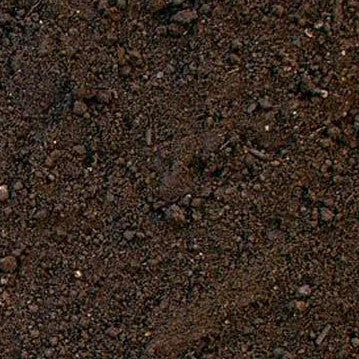
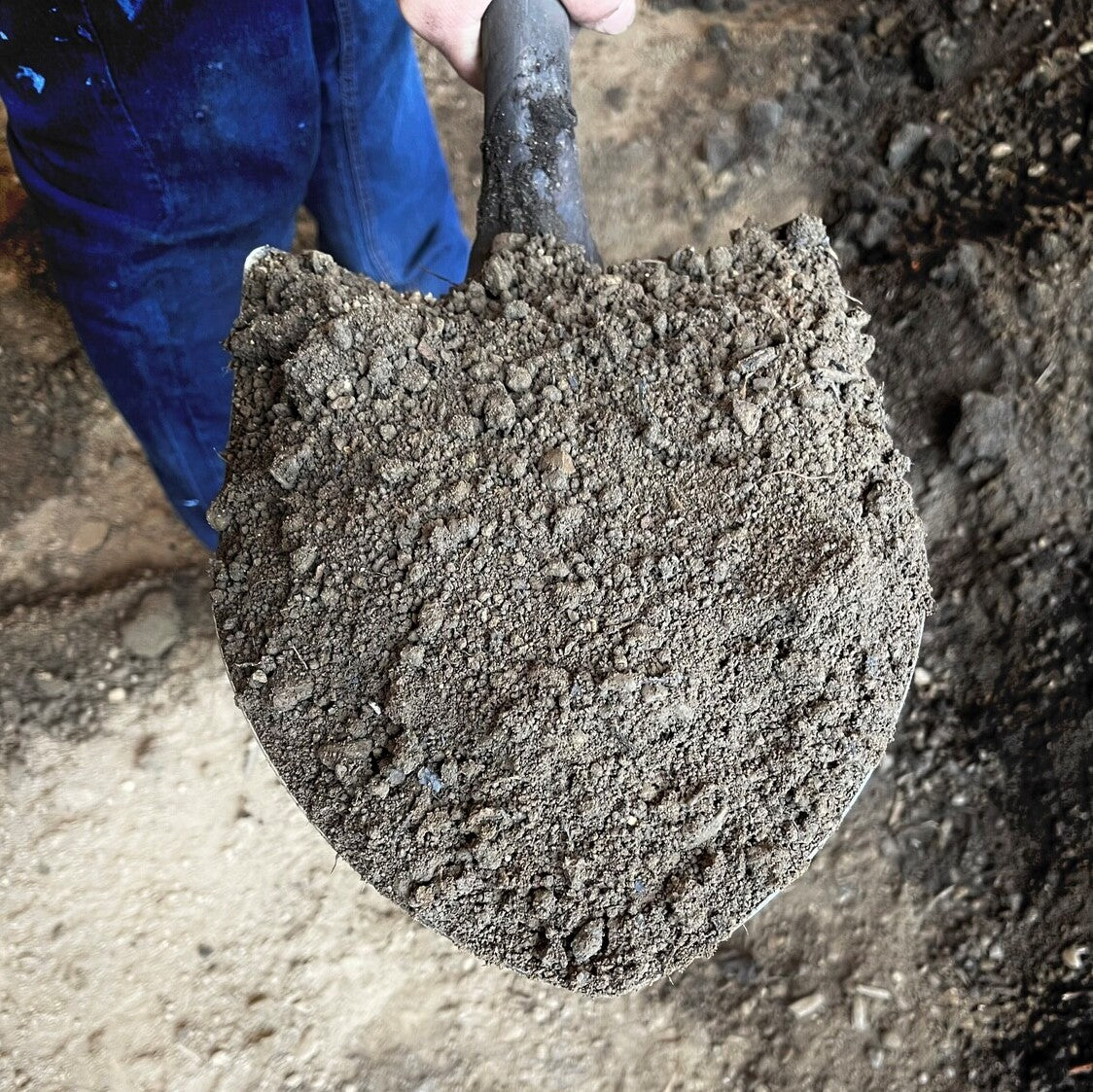
Screened topsoil with a fine, even texture. Ideal for new lawns, sod prep, and raised garden beds.
Very happy with the ease of ordering. Delivery went exactly as planned. Garden soil looks great and couldn’t be happier.
Tell us what you're looking for
Thanks! We received your request.
Something went wrong. Please try again.
How Much Material Do I Need?
How Much Material Do I Need?
Raised beds in Graham should be filled to a minimum of ten to twelve inches of good soil to give roots enough depth to stay moist through the dry season. Lawn top dressing works best at a quarter to half inch per application so grass can grow through without being smothered.
Use our free soil calculator
What is a Yard?
What is a Yard?
FAQs
FAQs
Graham Soil Delivery
Graham Soil Delivery
Regular price
$83.00
per
Yard
Regular price
Sale price
$83.00
Unit price
per
Shipping calculated at checkout.
Minimum of 3 Yard
Couldn't load pickup availability
Not currently available
We can't take orders for this right now. Tell us what you need and we'll get back to you.
Hand-picked local yards
4,000+ regional deliveries
Dedicated support
Why order through Mulch Mound
The best local , without the guesswork.
We hand-pick and partner with the best yards in your region, keep only the ones our buyers rate well, and back each load with our guarantee.
Mulch Mound Guarantee
If your isn't the quantity or quality you ordered, we'll make it right.
About this soil
Screened topsoil with a fine, even texture. Ideal for new lawns, sod prep, and raised garden beds.
Very happy with the ease of ordering. Delivery went exactly as planned. Garden soil looks great and couldn’t be happier.
How Much Material Do I Need?
How Much Material Do I Need?
Raised beds in Graham should be filled to a minimum of ten to twelve inches of good soil to give roots enough depth to stay moist through the dry season. Lawn top dressing works best at a quarter to half inch per application so grass can grow through without being smothered.
Use our free soil calculator
What is a Yard?
What is a Yard?
FAQs
FAQs
Tell us what you're looking for
Thanks! We received your request.
Something went wrong. Please try again.
How It Works
Getting started is easy — just follow these simple steps
1
Choose your soil
Make sure you adjust the quantity to your home's needs. You can use our calculator to estimate how much you'll need.
2
Select your delivery date
Select a delivery date you'd like for the product to be dropped off at your home
3
Sit back and wait
Sit back, wait, and let us work our magic to make sure the highest quality product is delivered to your driveway.

Really appreciate the care and follow thru that this company had with our order. A hiccup came up but they were quick to respond and address all co...
Read full review
Really appreciate the care and follow thru that this company had with our order. A hiccup came up but they were quick to respond and address all concerns, which made our garden day a success! Thank you for your prompt care.

Highest compliments. Great driver.
Website is easy to navigate. Just a seamless process. 5 stars!!
Need Help Calculating How Much Soil You Need?
Use our NEW Trace from Satellite tool to get an estimate for your project based on an aerial view of your property
Try Our CalculatorRaised beds and planting areas are easiest to calculate when you treat them as simple rectangles, measuring length and width in feet and deciding on your target depth in inches before converting to cubic yards. Divide the depth in inches by 12 to get feet, multiply all three dimensions together, then divide by 27 to get cubic yards. Adding ten percent to your final number accounts for settling and any spots you may have underestimated.
Complete Your Outdoor Soil Project
Pairing quality soil with a mulch layer on top is one of the most effective combinations for Graham landscapes, keeping the soil you invest in from drying out during summer. If you are building new beds, crushed gravel drainage at the base of a raised bed is a smart addition given the wet winters in this area.
Mulch Mound Pro Tip
Graham's November through March rainy season will settle and compact any newly placed soil before spring planting. To work with this rather than against it, place your soil in fall raised beds or planting areas with a slight crown or mound at the center. By the time April 15 arrives and planting can begin, that crown will have settled to roughly level and you will not be starting the growing season with sunken, waterlogged beds.
Mulch Mound Pro Tip
Because Graham's gravelly sandy loam is naturally low in nitrogen and organic matter, any imported soil you blend into native ground will benefit from a starter fertilizer or compost addition at planting time. The new soil creates a better physical environment but the nutrients it contains will be consumed by the first season's plants. Building an annual top dressing habit each spring with a thin layer of fresh compost keeps the biological activity in your soil healthy and productive without requiring you to replace the entire soil profile.
Mulch Mound Pro Tip
When ordering bulk soil for a project in Graham that involves both a raised bed and a lawn repair area, calculate and order for both needs at once rather than placing separate orders. Combining your needs into a single cubic yard total almost always reduces your per-yard cost and eliminates a second delivery coordination. Leftover soil can be used to build up low spots near downspouts, which is a common issue on Graham properties that deal with concentrated roof runoff during the rainy season.
The Unique Landscape of Graham
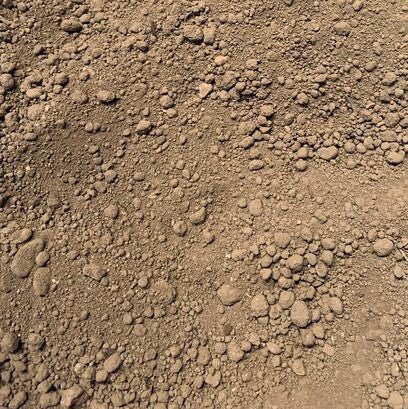
The native gravelly sandy loam throughout Graham is a fast-draining soil that warms up quickly in spring but struggles to hold moisture and nutrients through the dry summer months. For homeowners trying to establish lawns, raised beds, or new planting areas, this native soil often needs significant amendment or replacement to support healthy plant growth. Graham's 38 inches of annual rainfall sounds generous until you realize most of it falls between October and April, leaving plants to survive on stored soil moisture from May through September. At 830 feet elevation, the growing season runs about six and a half months, which means plants need a healthy root environment to make the most of every warm week available. Bringing in quality bulk soil gives you direct control over the one variable that determines whether your landscape thrives or just survives.