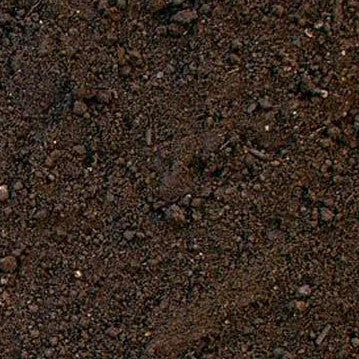
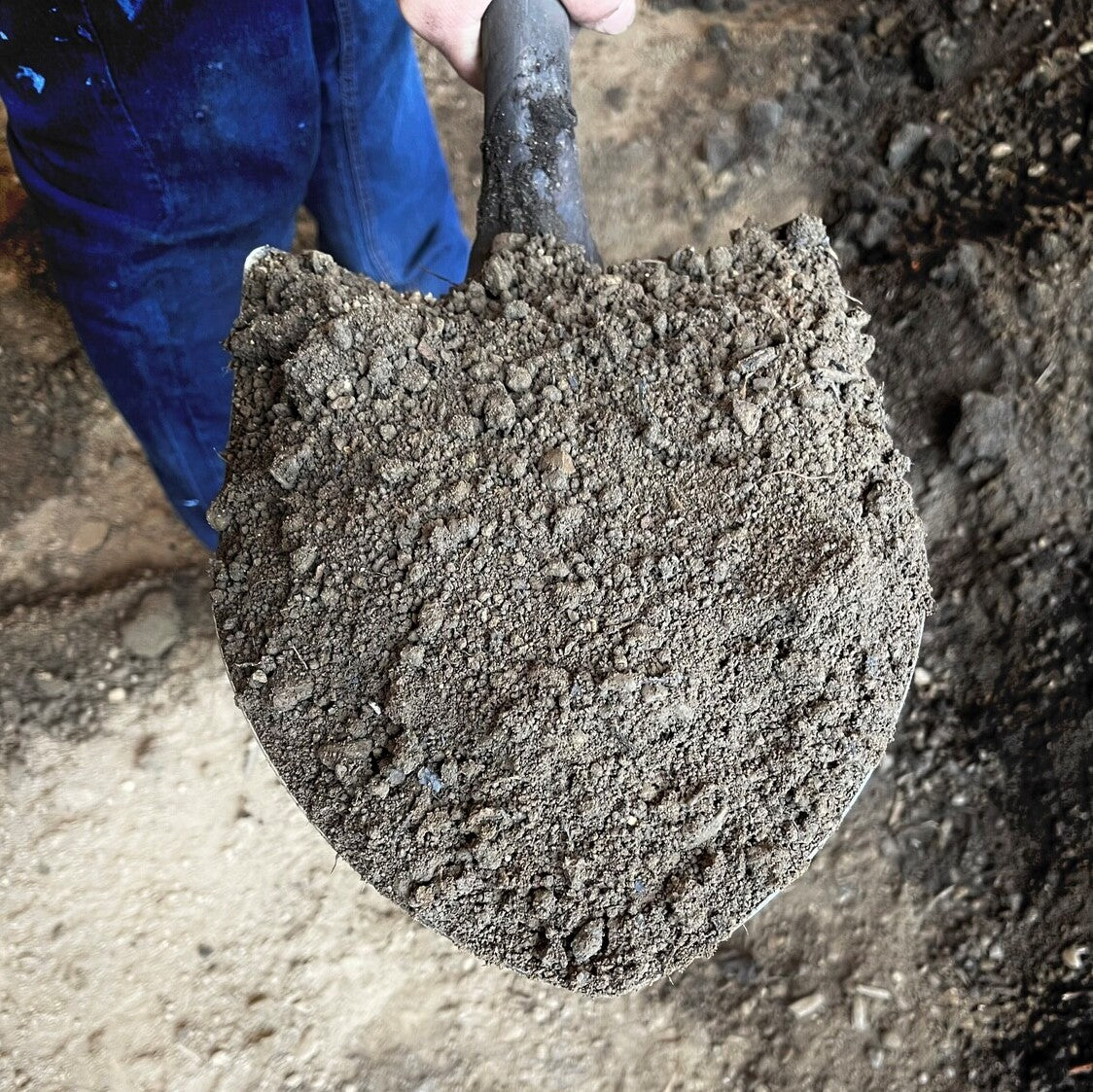
We got 3 yards of the gardening top soil. It was great quality, not many chunks and seems good for growing, just waiting for all my plants to love it.
We had more than enough soil to fill a raised bed we made and landscaped around a patio. I do wish we could do less tha...
Tell us what you're looking for
Thanks! We received your request.
Something went wrong. Please try again.
How Much Material Do I Need?
For lawn topdressing and leveling, plan on 0.5 to 1 inch of topsoil spread across the target area, while raised beds and new planting areas need 10 to 12 inches of blended soil for best results. One cubic yard covers approximately 300 square feet at a 1 inch depth.
Use our free soil calculator
What is a Yard?
A yard is approximately 27 cubic feet. As a general guideline, one yard of material can cover an area of about 100-160 square feet at a 2-3 inch depth.
We got 3 yards of the gardening top soil. It was great quality, not many chunks and seems good for growing, just waiting for all my plants to love it.
We had more than enough soil to fill a raised bed we made and landscaped around a patio. I do wish we could do less tha...
How Much Material Do I Need?
For lawn topdressing and leveling, plan on 0.5 to 1 inch of topsoil spread across the target area, while raised beds and new planting areas need 10 to 12 inches of blended soil for best results. One cubic yard covers approximately 300 square feet at a 1 inch depth.
Use our free soil calculator
What is a Yard?
A yard is approximately 27 cubic feet. As a general guideline, one yard of material can cover an area of about 100-160 square feet at a 2-3 inch depth.
We got 3 yards of the gardening top soil. It was great quality, not many chunks and seems good for growing, just waiting for all my plants to love ...
Read full review
We got 3 yards of the gardening top soil. It was great quality, not many chunks and seems good for growing, just waiting for all my plants to love it.
We had more than enough soil to fill a raised bed we made and landscaped around a patio. I do wish we could do less than 3 yds delivered but I understand the limitations.
My only concern was we requested it on the top left of our driveway since we had mulch on the other side, they ended up pouring it on top of the mulch (it was covered with a tarp so not ruined) making it difficult to complete our landscaping in a timely fashion.
For grading and fill projects, measure the length, width, and average depth of the area in feet and multiply all three numbers together, then divide by 27 to convert cubic feet into cubic yards. For raised beds, remember that soil settles about 15 to 20 percent after watering, so order slightly more than your calculated volume to account for that shrinkage. Grand Forks homeowners often find that adding 10 to 15 percent to their estimate saves them from making a second order.
Complete Your Outdoor Soil Project
Bulk soil pairs naturally with a shredded hardwood mulch delivery to top off your finished beds and protect the new soil from crusting and drying during Grand Forks summers. If you are building raised beds near a patio or walkway, decorative stone edging is a practical way to keep your new soil contained and the project looking sharp.
Service area
Areas we deliver soil in Grand Forks, North Dakota
My Grand Forks backyard has that heavy clay soil that turns to mud every spring. Will adding topsoil actually fix it?
Adding quality topsoil directly over compacted silty clay loam is a good start but works best when you also till the new soil into the top 4 to 6 inches of the existing layer. Simply dumping topsoil on top can create a layering effect where roots hit the dense clay layer and stop growing downward. Blend the two layers together and you will see a dramatic improvement in drainage and workability within one growing season.
Answer
How much soil do I need to build a raised vegetable bed in Grand Forks that will actually produce well?
For a productive raised vegetable bed in Grand Forks, aim for at least 12 inches of good quality blended soil depth. Our short growing season means vegetables need to establish quickly and cannot afford to be root bound by poor native soil. A standard 4 by 8 foot bed at 12 inches deep needs roughly 0.4 cubic yards of soil, so round up to 0.5 cubic yards to give yourself some extra to settle and top off.
Answer
Is it safe to bring in bulk soil in spring when the ground is still soft from snowmelt?
You should wait until your lawn and driveway have firmed up enough to support truck traffic before scheduling delivery, typically a few weeks after snowmelt in the Grand Forks area, which often means late April or early May. Delivery trucks on saturated ground can leave deep ruts that are difficult to repair. If you are eager to get started early, a smaller initial delivery once the surface has drained is a practical approach.
Answer
Can I use bulk topsoil to level out the low spots in my lawn that fill with water after every big rain?
Yes, this is one of the most common uses for bulk topsoil in Grand Forks yards, where spring snowmelt and heavy summer rains can pool in low areas for days because of the slow draining silty clay loam below. Fill low spots with topsoil, grade them gently toward a natural drainage point, and overseed immediately. The goal is a gradual slope that moves water away without creating a sharp grade change that is difficult to mow.
Answer
What is the difference between topsoil and a blended garden soil, and which do I need for my Grand Forks flower beds?
Topsoil is a relatively natural soil product suitable for grading, lawn repair, and general fill, while a blended garden soil includes compost, organic matter, and sometimes sand or other amendments to improve drainage and fertility. For flower and perennial beds in Grand Forks, a blended product gives your plants a much richer start and pairs better with the existing silty clay loam than plain topsoil. If budget is a consideration, use topsoil for volume and top it with a few inches of blended mix at the root zone.
Answer
How soon after delivery can I plant in new soil in Grand Forks?
You can plant almost immediately after spreading and grading your new soil, provided we are past the May 19 average last frost date. Give the soil a day or two to settle slightly after delivery and spreading, and water it thoroughly before planting so it is moist all the way through. Seeds and transplants both perform better going into soil that is already moist rather than bone dry.
Answer
Will adding soil help my grass seed establish faster given our short summer here?
A thin layer of quality topsoil over bare or thin lawn areas is one of the best things you can do before overseeding in Grand Forks. A quarter to half inch of topsoil applied before seeding gives seeds a loose, nutrient rich seedbed that makes germination faster and more consistent. With our growing season running only about 18 weeks from last to first frost, anything that accelerates germination by even a few days makes a meaningful difference in how established your lawn gets before fall.
Mulch Mound Pro Tip
Grand Forks homeowners who start vegetable gardens in the native silty clay loam often get discouraged quickly because that soil warms very slowly in spring and stays cold and wet long after the air temperature feels comfortable. Building raised beds filled with blended garden soil is one of the most effective workarounds available here. Raised beds can be 10 to 15 degrees warmer at root depth than in ground beds in early June, which translates directly into faster germination and bigger harvests before our first September frost arrives.
Mulch Mound Pro Tip
If you are using bulk topsoil to repair low spots in your Grand Forks lawn, the most common mistake is not blending the new soil into the existing surface before seeding. Grass roots do not cross cleanly between two different soil types that are just stacked on top of each other. Use a rake or tiller to rough up the top inch of the existing surface before spreading new topsoil, then blend the layers together before seeding. This simple extra step dramatically improves how quickly new grass knits together with the established lawn.
Mulch Mound Pro Tip
With Grand Forks getting only about 27 inches of rain per year, soil moisture management is critical through July and August when rain becomes less reliable. Before filling your raised beds or new planting areas, consider mixing in a small amount of compost at a ratio of about one part compost to four parts soil. The compost acts like a sponge, holding onto moisture long after rainfall and making it available to roots gradually. This simple amendment can reduce how often you need to water during dry summer stretches by a meaningful amount.
The Unique Landscape of Grand Forks
The native silty clay loam soil across Grand Forks is productive but challenging, with a dense structure that can make life difficult for garden plants, new sod, and vegetable beds without some amendment. When wet in spring it becomes sticky and compacts easily underfoot, and when the summer dries it out it can harden into a surface that sheds water rather than absorbing it. With only 27 inches of annual rainfall, every drop of moisture matters and native soil that is not well structured simply cannot hold onto it long enough for plants to use. Bringing in quality bulk topsoil or blended garden soil gives homeowners in Grand Forks a way to build raised beds, level uneven yards, and create planting areas that are genuinely hospitable to the plants and vegetables they want to grow. Our growing season runs from roughly May 19 to September 24, which is short enough that plants need ideal soil conditions right from the start to reach their full potential.